Rosemary garlic bread is an easy 20–30 minute side dish made by spreading softened butter, fresh garlic, chopped rosemary, salt, pepper, and optional Parmesan over a French baguette or Italian loaf. Bake it at 400°F (200°C) for 10–15 minutes, using foil for a softer center or baking uncovered for the crispiest edges.
Every slice delivers buttery crunch, fragrant rosemary, and rich roasted-garlic flavor. It is the perfect partner for pasta, soup, salad, grilled meats, or a simple snack straight from the oven, and the recipe yields 8–10 slices for 4–6 servings.
Jump to RecipeWhy You’ll Love This Recipe
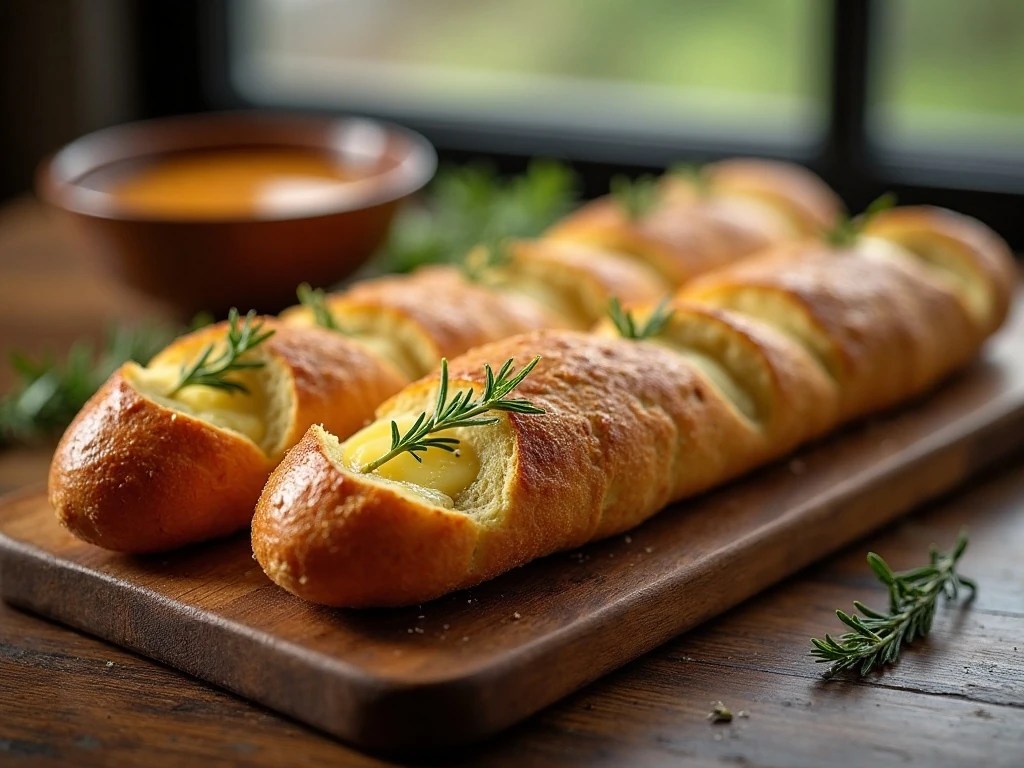
This rosemary garlic bread turns a basic loaf into a warm, fragrant side with very little effort. The butter melts into the bread while the garlic becomes mellow and aromatic, and rosemary adds a woodsy flavor that feels special without requiring a complicated ingredient list.
The method is flexible enough for different textures. Keep the loaf in foil for most of the baking time when you want a tender, pull-apart middle, or bake it uncovered from start to finish for crunchy corners and deeply toasted surfaces.
It is also an excellent way to use a day-old baguette. Slightly firm bread absorbs the seasoned butter beautifully without collapsing, giving you crisp edges and a rich, savory center in every slice.
If you enjoy serving homemade bread with a colorful side dish, pair this loaf with fresh watermelon salsa for a fun contrast of warm, savory crunch and cool, juicy brightness.
Ingredients You’ll Need

The foundation is one French baguette or Italian loaf weighing about 14–16 ounces (400–450 grams). Choose a loaf with a crisp crust and a soft, open interior, since those qualities create the best balance between crunch and buttery tenderness.
- Butter: Use 1/2 cup (113 grams) of unsalted butter, softened to room temperature. Soft butter spreads easily and stays in place between the slices.
- Garlic: Four cloves, finely minced or grated, provide a fresh and full garlic flavor. Grating creates a smooth paste that distributes especially well.
- Rosemary: One tablespoon of fresh rosemary, chopped very finely, adds a fragrant herbal note. If necessary, substitute 1 teaspoon of dried rosemary.
- Seasonings: Add 1/4 teaspoon fine salt and 1/4 teaspoon freshly ground black pepper, adjusting the salt to taste.
- Optional finish: Two tablespoons of chopped fresh parsley add color, while 2 tablespoons of finely grated Parmesan bring a savory, nutty finish.
For another comforting homemade bread idea, you can also try this easy cinnamon bread when you want a sweet option for breakfast or afternoon coffee.
How to Make It Step-by-Step

Step 1: Heat the oven to 400°F (200°C), then line a baking sheet with foil or parchment for easier cleanup. Slice the baguette diagonally into pieces about 1 inch (2.5 cm) thick, cutting almost—but not completely—through the loaf so the slices remain connected.
Step 2: If you prefer more heavily browned bread, split the loaf lengthwise instead of making connected diagonal slices. This exposes more surface area to the heat and creates broad, crisp faces that are ideal for dipping into soup or serving alongside pasta.
Step 3: Add the softened butter, finely minced or grated garlic, chopped fresh rosemary, salt, and pepper to a bowl. Stir in the optional parsley and Parmesan, mixing until the garlic and herbs are spread evenly throughout the butter.
Step 4: Spread the seasoned butter generously between each slice and over the exposed cut surfaces. Take your time with this step, pushing the mixture into the gaps so the flavor reaches the center instead of remaining only on the crust.
Step 5: Place the loaf on the prepared baking sheet. For a soft, tender middle, wrap it loosely in foil and bake for 8–10 minutes, allowing the butter to melt into the bread without drying the interior.
Step 6: Open the foil and bake uncovered for another 3–5 minutes, until the edges are crisp and golden. For maximum crispness, skip the foil and bake uncovered for the full 10–15 minutes, checking near the end so the garlic does not scorch.
Step 7: If you want a darker, more toasted top, broil the bread for 30–60 seconds. Stay beside the oven and watch closely because the crust can move from golden to burned very quickly under the broiler.
Step 8: Let the loaf rest for a minute or two, then serve it hot. Pull apart the connected slices at the table, or cut a lengthwise loaf into smaller portions with a serrated knife.
Pro Tips for Crisp, Fragrant Bread

Softened butter is one of the most important details in this recipe. Melted butter tends to run off the crust and collect on the baking sheet, while softened butter clings to the bread and keeps the garlic mixture distributed between the slices.
Freshly minced or grated garlic tastes substantially better here than garlic powder. Finely chopping rosemary is equally important because large woody pieces can be difficult to chew and may leave some bites far more herbal than others.
- For extra crunch: Split the loaf lengthwise and bake it uncovered on the baking sheet.
- For pull-apart softness: Keep the loaf connected, wrap it loosely in foil, and uncover it only for the final 3–5 minutes.
- For more color: Add Parmesan and finish with a brief 30–60 second broil.
- For balanced seasoning: Taste a small amount of the butter mixture before spreading it, then add more salt if needed.
- For even flavor: Work the butter deep into every cut rather than brushing only the top.
This bread is especially good next to roasted vegetables and green sides. For a complete dinner plate, serve it with this Garlic Parmesan broccolini and your favorite pasta or grilled protein.
Serving Ideas
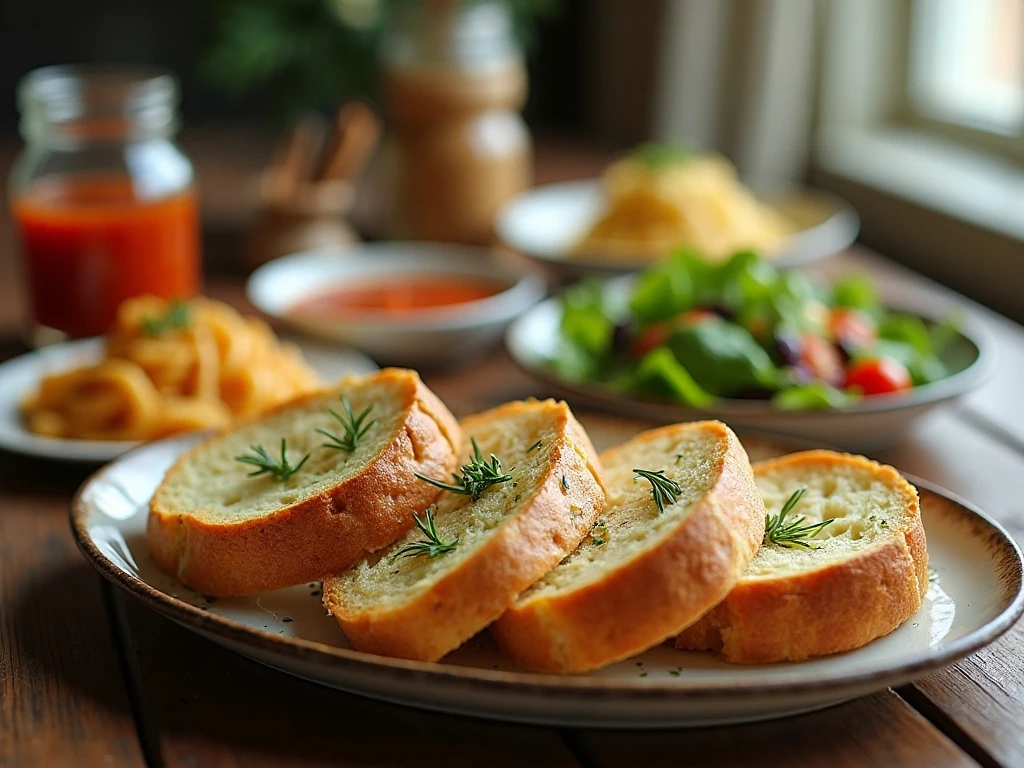
Serve rosemary garlic bread hot as soon as it leaves the oven, when the crust is crisp and the butter is still fragrant. It makes a natural companion for tomato soup, minestrone, creamy pasta, baked ziti, lasagna, and hearty bean dishes.
The bread can also become part of a casual appetizer spread. Arrange the slices beside olives, marinated vegetables, roasted peppers, or a bowl of warm marinara for dipping.
For a lighter meal, serve one or two slices with a green salad. The bold garlic and rosemary butter means you do not need a complicated dressing or many additional toppings to make the plate satisfying.
When planning a bread-themed menu, consider contrasting this savory loaf with cranberry Brie bread. The creamy cheese and sweet-tart fruit offer a different flavor direction while keeping the table centered on freshly baked bread.
Storage and Reheating

Rosemary garlic bread is best served immediately, but leftovers can be cooled, wrapped, and refrigerated. Keep them in an airtight container or tightly wrapped for up to a few days, then reheat until hot and crisp.
For the best texture, reheat portions in a 400°F (200°C) oven until warmed through and lightly crisp on the edges. Avoid relying on the microwave when possible, since it softens the crust rather than restoring its crunch.
You can also prepare the butter mixture ahead of time and refrigerate it until needed. Let the butter soften again before spreading so it coats the loaf evenly instead of tearing the bread.
If you need a very quick single-serving bread project rather than a full baguette, see this 90-second keto mug bread for a speedy alternative.
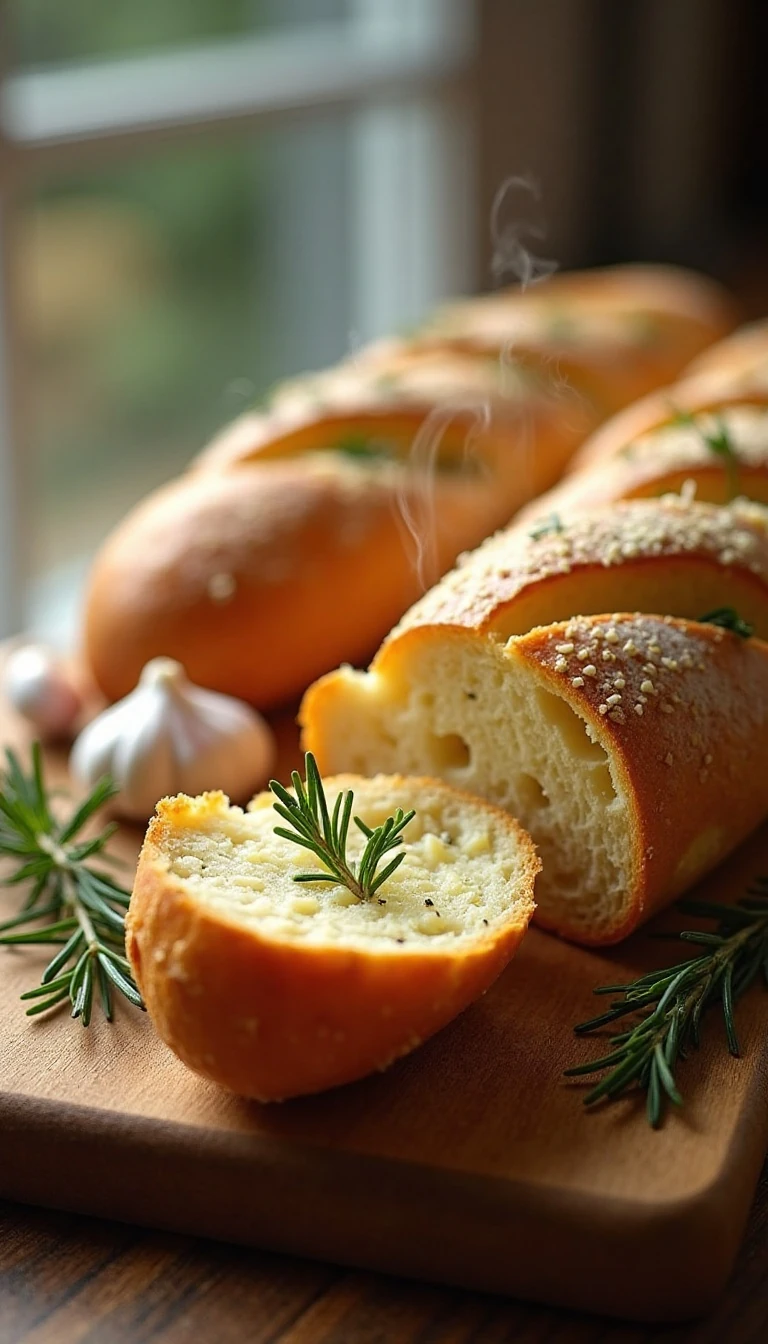
Rosemary Garlic Bread
Ingredients
Method
- Heat the oven to 400°F (200°C) and line a baking sheet with foil or parchment. Slice the baguette diagonally into 1-inch (2.5 cm) pieces, cutting almost but not completely through the loaf.
- In a bowl, combine the softened butter, minced or grated garlic, finely chopped rosemary, salt, pepper, and optional parsley and Parmesan until evenly mixed.
- Spread the garlic-rosemary butter generously between each slice and across the cut surfaces. Place the prepared loaf on the lined baking sheet.
- For a softer center, wrap the loaf loosely in foil and bake for 8–10 minutes. Open the foil and continue baking uncovered for another 3–5 minutes, until the edges are crisp and golden.
- For maximum crispness, bake the loaf uncovered for the full 10–15 minutes. If deeper browning is desired, broil for 30–60 seconds while watching closely, then serve hot.
Notes
Final Thoughts
Rosemary garlic bread is proof that a few well-chosen ingredients can create an unforgettable side dish. With a crisp loaf, softened butter, fresh garlic, and finely chopped rosemary, you can have hot, golden bread on the table in about 30 minutes.
Choose the foil method for a soft, pull-apart center or bake the loaf uncovered for a deeply crisp finish. Add parsley for color, Parmesan for extra savoriness, and a short broil at the end when you want an especially golden top.
Make it for a family dinner, a weekend gathering, or simply whenever a bowl of soup needs something buttery and fragrant alongside it. Once you try the fresh rosemary version, this easy bread may become a regular part of your meal plans.