Pressure cooker egg bites are the fastest way to make creamy, tender, café-style appetizers at home. Blend six eggs with cottage cheese, shredded cheese, heavy cream, salt, and pepper, then cook the mixture in a covered silicone mold at high pressure for 9 minutes with 1 cup of water and a 10-minute natural release.
The secret to perfect results is blending instead of simply whisking, keeping fillings relatively dry, avoiding overfilling the mold, and allowing the pressure to release gradually. The finished bites are softly set, savory, and rich, with a delicate custard texture that makes them delicious warm, chilled, or packed for breakfast and snacks.
Jump to RecipeWhy You’ll Love This Recipe

These pressure cooker egg bites have the luxurious texture of a delicate savory custard without requiring a water bath in the oven. The pressure cooker creates a moist cooking environment, while the silicone mold gives every portion a neat, bite-sized shape.
They are also wonderfully practical. Serve them as a warm appetizer at a brunch gathering, add them to a snack board, or keep a container in the refrigerator for quick breakfasts during the week.
The flavor is easy to customize without changing the dependable base. Gruyère brings a nutty richness, Monterey Jack melts into a mild and creamy bite, and cheddar adds a familiar sharpness.
If you enjoy make-ahead savory dishes for gatherings, pair these bites with cheesy ranch chicken for a hearty spread with plenty of crowd appeal.
Ingredients You’ll Need

The foundation is simple: six large eggs, cottage cheese, shredded cheese, heavy cream, salt, and pepper. Cottage cheese may sound unexpected, but blending it into the eggs creates a smooth custard and adds gentle creaminess without leaving large curds behind.
- Eggs: Use large eggs for the tested proportions and a balanced set.
- Cottage cheese: This helps produce the characteristic soft, creamy texture when blended.
- Shredded cheese: Choose Gruyère, Monterey Jack, or cheddar, and shred it finely so it blends smoothly.
- Heavy cream: A quarter cup adds richness and keeps the interior tender.
- Bacon and chives: These are optional, but crisp bacon and fresh chives add smoky, savory contrast.
- Water: One cup supplies the steam needed for pressure cooking.
You can also use sautéed spinach, roasted peppers, or cooked mushrooms. Whatever you choose, remove excess moisture before adding the filling, since watery vegetables can make the egg bites loose or wet.
For another small-bite idea with a sweet finish, you might also enjoy these cinnamon sugar pretzel bites alongside a brunch appetizer platter.
How to Make It Step-by-Step

Step 1: Cook the bacon, if using, in a skillet until crisp, then transfer it to a paper towel-lined plate. Once drained and cool enough to handle, chop it finely so every egg bite receives a little smoky flavor rather than one large piece.
Step 2: Prepare any additional fillings before mixing the custard. Chop the chives, and if using spinach, roasted peppers, or mushrooms, cook them first and press or drain away as much liquid as possible.
Step 3: Add the eggs, cottage cheese, shredded cheese, heavy cream, kosher salt, and freshly ground black pepper to a blender. Blend for 20-30 seconds, stopping when the mixture is completely smooth; this step breaks down the cottage cheese and incorporates a little air into the custard.
Step 4: Lightly coat a silicone egg-bite mold with nonstick cooking spray or a little softened butter. Divide the bacon, chives, and any other fillings among the compartments, keeping the portions fairly even.
Step 5: Pour the blended egg mixture into the mold, filling each compartment no more than about three-quarters full. The custard needs room to expand slightly as it cooks, and leaving space also helps prevent spills when the mold is moved.
Step 6: Cover the mold tightly with aluminum foil. The foil keeps condensation from dripping directly onto the custard, which helps the tops stay smooth and prevents excess water from diluting the flavor.
Step 7: Pour 1 cup of water into the pressure cooker and place the trivet inside. Set the foil-covered mold on the trivet, keeping it level so the uncooked mixture remains evenly distributed.
Step 8: Cook at high pressure for 9 minutes. When the cooking time ends, allow the pressure to release naturally for 10 minutes rather than venting immediately; this gradual change helps the egg bites stay tender instead of turning tough, puffing dramatically, or collapsing.
Step 9: Carefully release any remaining pressure, then remove the mold with appropriate protection because it will be hot and steamy. Let the egg bites cool for several minutes before gently lifting them from the compartments.
The Secret to a Smooth, Tender Texture
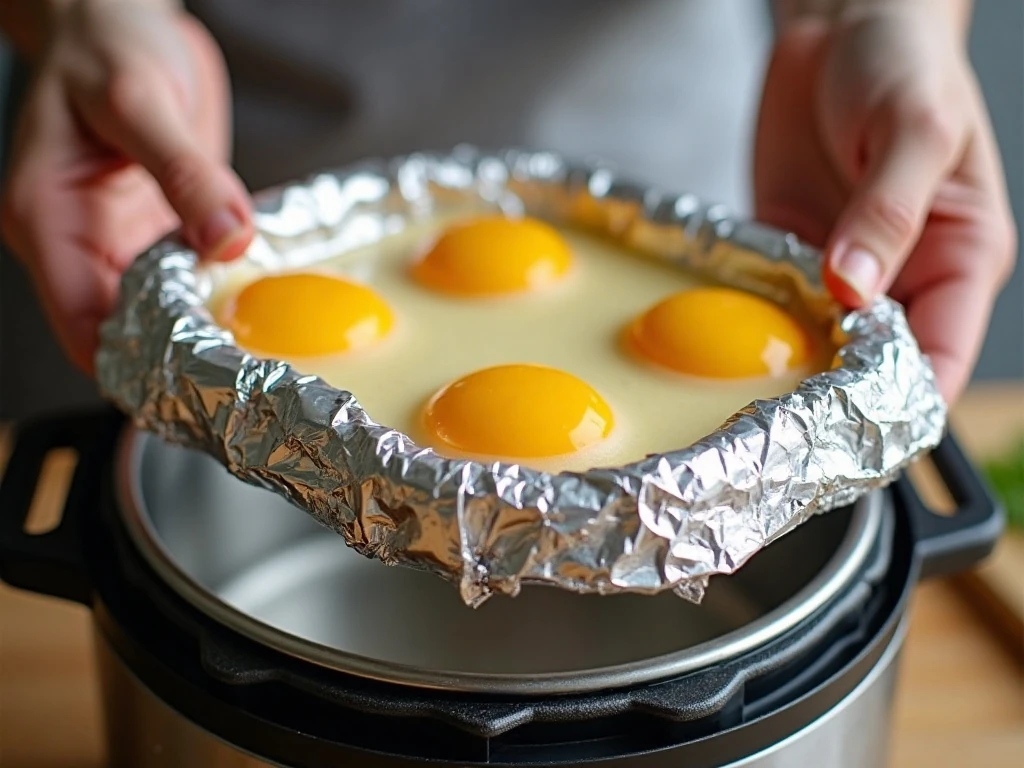
Blending is the most important technique in this recipe. Whisking combines the ingredients, but blending fully breaks down the cottage cheese and creates the fine, creamy texture associated with restaurant-style egg bites.
The second secret is patience after cooking. A quick pressure release can shock the custard, causing it to puff, become rubbery, or sink unevenly. The 10-minute natural release gives the egg bites time to finish setting gradually.
Moisture control matters just as much. Bacon should be drained, and vegetables should be cooked and dried before they go into the mold; excess liquid can collect at the bottom and leave the bites watery.
Finally, resist the temptation to pack the mold full. Filling the wells only about three-quarters full leaves space for gentle expansion and makes the finished bites easier to remove without tearing.
For a balanced appetizer table, serve these alongside a bright nibble such as lemon lime bites. The fresh citrus flavor provides a pleasant contrast to the rich cheese and egg custard.
Serving Ideas and Flavor Variations

Serve the egg bites warm, when the cheese is soft and fragrant, or let them cool to room temperature for an easy buffet appetizer. A scattering of fresh chives on top adds color and a clean onion flavor.
- Classic bacon and chive: Use crisp bacon with fresh chives for a smoky, savory combination.
- Garden vegetable: Add well-drained sautéed spinach, finely chopped roasted peppers, or cooked mushrooms.
- Cheddar favorite: Choose sharp cheddar for a stronger cheese flavor and pair it with bacon.
- Gruyère brunch style: Use Gruyère with chives for a nutty, refined flavor that works especially well on a brunch table.
Keep the fillings finely chopped so each bite has an even balance of custard, cheese, and extras. Large pieces may prevent the mixture from setting uniformly or make unmolding more difficult.
For a cozy appetizer spread, these bites can sit near a bowl of slow cooker chili. Their soft texture and compact size make them a welcome lighter option beside a hearty dish.
Storage and Reheating

Once cooled, place the egg bites in an airtight container and refrigerate them for up to 4 days. Store them in a single layer when possible so the delicate surfaces remain attractive and easy to handle.
To reheat, microwave one bite for about 20-30 seconds, or until just warmed through. Heating gently is best because too much time in the microwave can make eggs firm and rubbery.
You can also enjoy them cold or at room temperature, which makes them convenient for packed lunches, road trips, and casual appetizer trays. If you are planning a seasonal brunch, finish the menu with a creamy homemade egg nog for a festive drink pairing.

Pressure Cooker Egg Bites
Ingredients
Method
- Cook the bacon, if using, until crisp. Drain well and finely chop it; prepare the chives or other fillings, making sure vegetables such as spinach, roasted peppers, or mushrooms are cooked and drained.
- Blend the eggs, cottage cheese, shredded cheese, heavy cream, kosher salt, and black pepper for 20-30 seconds, or until completely smooth.
- Lightly grease a silicone egg-bite mold. Divide the bacon, chives, or other dry fillings among the compartments, then pour in the egg mixture, filling each compartment no more than about three-quarters full.
- Cover the mold tightly with aluminum foil. Add 1 cup water to the pressure cooker, place the trivet inside, and set the covered mold on the trivet.
- Cook at high pressure for 9 minutes. Allow a natural pressure release for 10 minutes, then carefully release any remaining pressure.
- Remove the mold carefully and let the egg bites cool for several minutes. Once they have firmed slightly, gently unmold and serve.
Notes
Final Thoughts
Perfect pressure cooker egg bites come down to a few reliable details: blend the eggs and cottage cheese until smooth, keep the fillings dry, leave room in the mold, cover it with foil, and cook with 1 cup of water at high pressure for 9 minutes.
The 10-minute natural release is just as important as the cooking time. It protects the tender custard from a harsh temperature change and gives the bites a softly set texture that holds together beautifully.
After a few minutes of cooling, these savory little appetizers are ready to serve. Make the bacon-and-chive version first, then experiment with dry cooked vegetables and your favorite cheese to create a platter everyone will reach for.