This perfectly amazing butterscotch cake recipe makes a tender 9-inch, two-layer scratch cake with a rich brown-sugar crumb, optional butterscotch chips, and silky homemade butterscotch frosting. The layers bake in 25–32 minutes, while the complete cake takes about 2 hours, including cooling and assembly.
Every bite tastes like classic butterscotch candy in cake form: buttery, caramel-like, creamy, and warmly vanilla-scented. A drizzle of butterscotch sauce and a scattering of toasted pecans add a lovely finish, making this cake an excellent choice for birthdays, holidays, Sunday dinners, or any dessert table that needs a memorable centerpiece.
Jump to RecipeWhy You’ll Love This Recipe
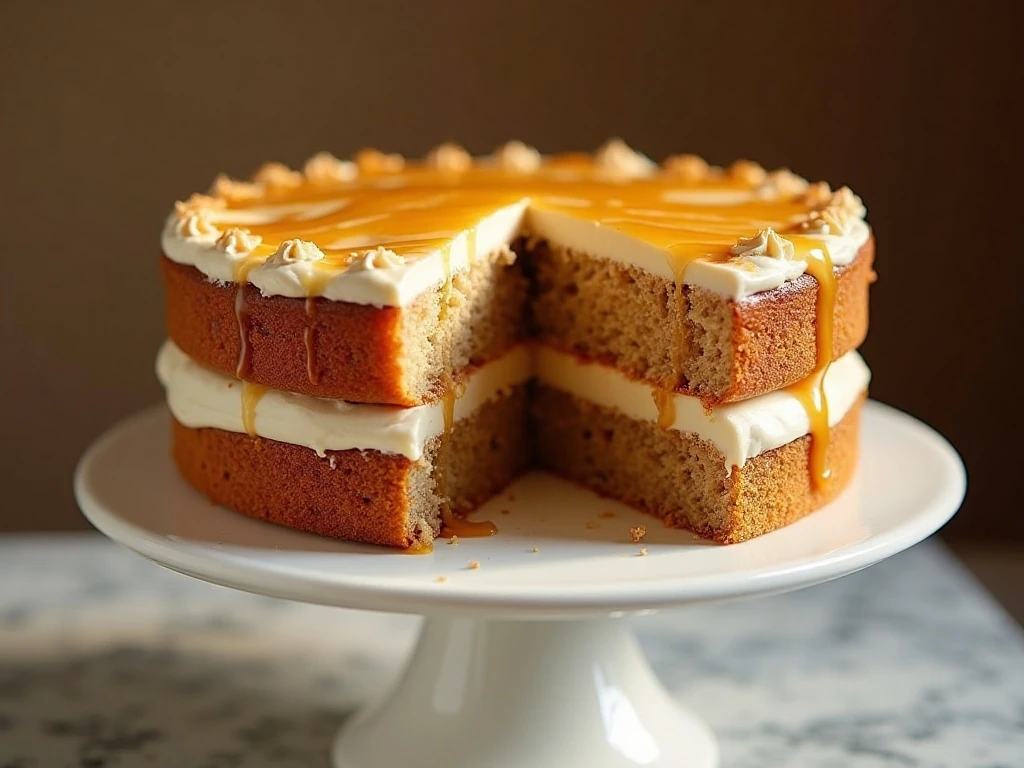
This is the kind of cake that makes people pause after the first bite. The brown sugar gives the crumb a deep, buttery sweetness, while buttermilk keeps the texture soft and pleasantly tender instead of heavy.
The frosting is especially special because it begins with butter, brown sugar, and cream cooked together. That warm mixture gives the confectioners’ sugar a true butterscotch foundation instead of simply adding chips or extract to an ordinary buttercream.
- Scratch-made flavor: Brown sugar and butter create a rich, candy-like taste.
- Soft, moist crumb: Buttermilk adds tenderness and balances the sweetness.
- Celebration-worthy finish: Sauce, pecans, and butterscotch chips make decorating easy.
- Flexible presentation: Serve it as a formal layer cake or keep the decoration simple for a family dessert.
If you enjoy rich, bakery-style cakes, you may also like this moist mocha cake when you are in the mood for coffee and chocolate.
Ingredients You’ll Need
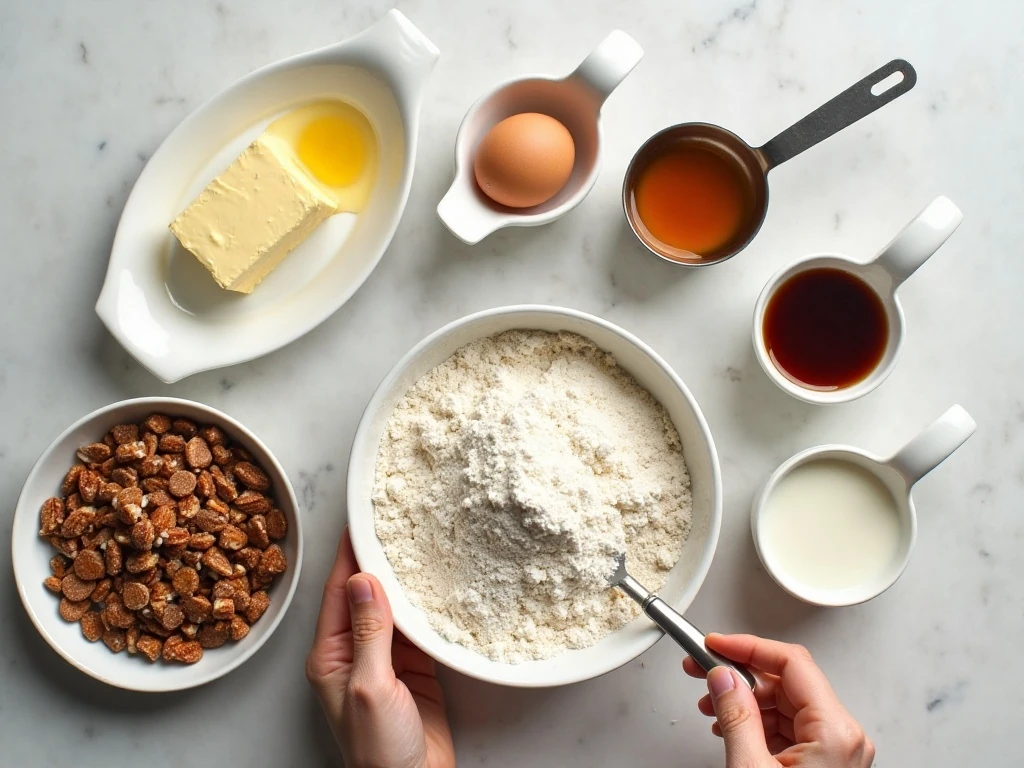
The cake uses familiar pantry staples, but a few details make a noticeable difference. Measure the flour carefully, pack the brown sugar firmly into the measuring cup, and bring the butter, eggs, and buttermilk to room temperature before mixing.
Butterscotch chips are optional in the batter. They create little pockets of candy-like flavor, but the cake is still richly butterscotch-forward without them because the brown-sugar cake and frosting carry the main flavor.
- Flour and leaveners: All-purpose flour, baking powder, and baking soda build the structure and lift.
- Butter and brown sugar: These form the buttery, caramel-like flavor base.
- Eggs and vanilla: Eggs add richness and stability, while vanilla rounds out the sweetness.
- Buttermilk: Its gentle tang keeps the cake balanced and tender.
- Frosting ingredients: Butter, brown sugar, cream, confectioners’ sugar, vanilla, and salt create a smooth, spreadable topping.
For a deeper frosting color and flavor, dark brown sugar may be used in the frosting. The recipe specifies light brown sugar, so dark brown sugar is best treated as an optional flavor variation rather than a required change.
For a dessert spread with contrasting flavors, pair this cake with bright lemon meltaways. Their delicate citrus flavor offers a refreshing counterpoint to the rich cake.
How to Make It Step-by-Step
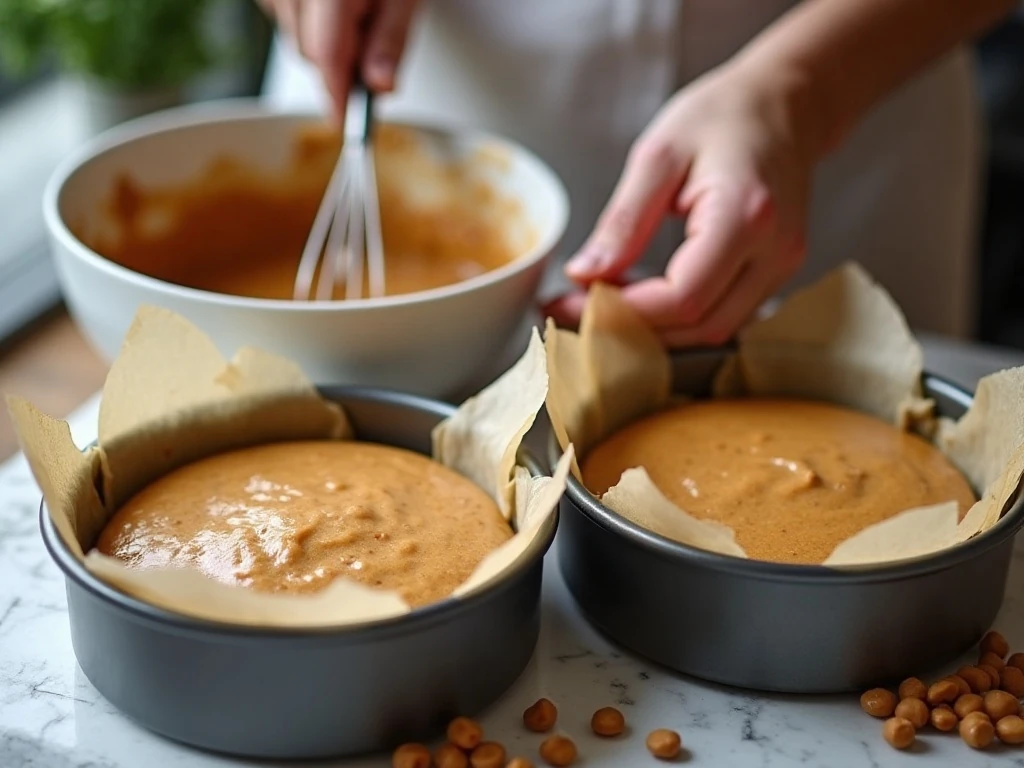
Step 1: Heat the oven to 350°F (175°C), then grease and line two 9-inch round cake pans with parchment. The parchment helps the layers release cleanly, while greasing the sides encourages even edges and easier frosting.
Step 2: Whisk the flour, baking powder, baking soda, and fine salt in a bowl until evenly distributed. This short step prevents pockets of leavener or salt from ending up in the finished cake.
Step 3: Beat the softened butter and packed brown sugar for 3–4 minutes, until lighter in color and fluffy. Add the room-temperature eggs one at a time, beating well after each addition, and then mix in the vanilla extract.
Step 4: Add the dry mixture in three additions, alternating with the buttermilk in two additions. Begin and end with the dry ingredients, and stop mixing as soon as the batter comes together so the crumb remains tender.
Step 5: Fold in the butterscotch chips if you are using them. Divide the batter evenly between the prepared pans, smoothing the tops so both layers bake to a similar height.
Step 6: Bake for approximately 25–32 minutes. The cakes are ready when the centers spring back lightly and a toothpick comes out with a few moist crumbs; do not wait for a completely clean tester, because that can mean the layers are already dry.
Step 7: Let the layers cool in their pans for 10–15 minutes, then turn them out onto cooling racks. Allow them to cool completely before frosting, since even slightly warm cake can soften or melt the buttercream.
Step 8: Make the frosting by cooking the butter, brown sugar, and heavy cream or whole milk over medium heat until the sugar dissolves and the mixture is smooth. Remove it from the heat and cool it to lukewarm before adding the vanilla, salt, and confectioners’ sugar.
Step 9: Beat in the sifted confectioners’ sugar gradually, starting with 3 1/2 cups and adding more as needed. If the frosting is too thick, adjust it with a little more cream; if it is too soft, add a little more powdered sugar.
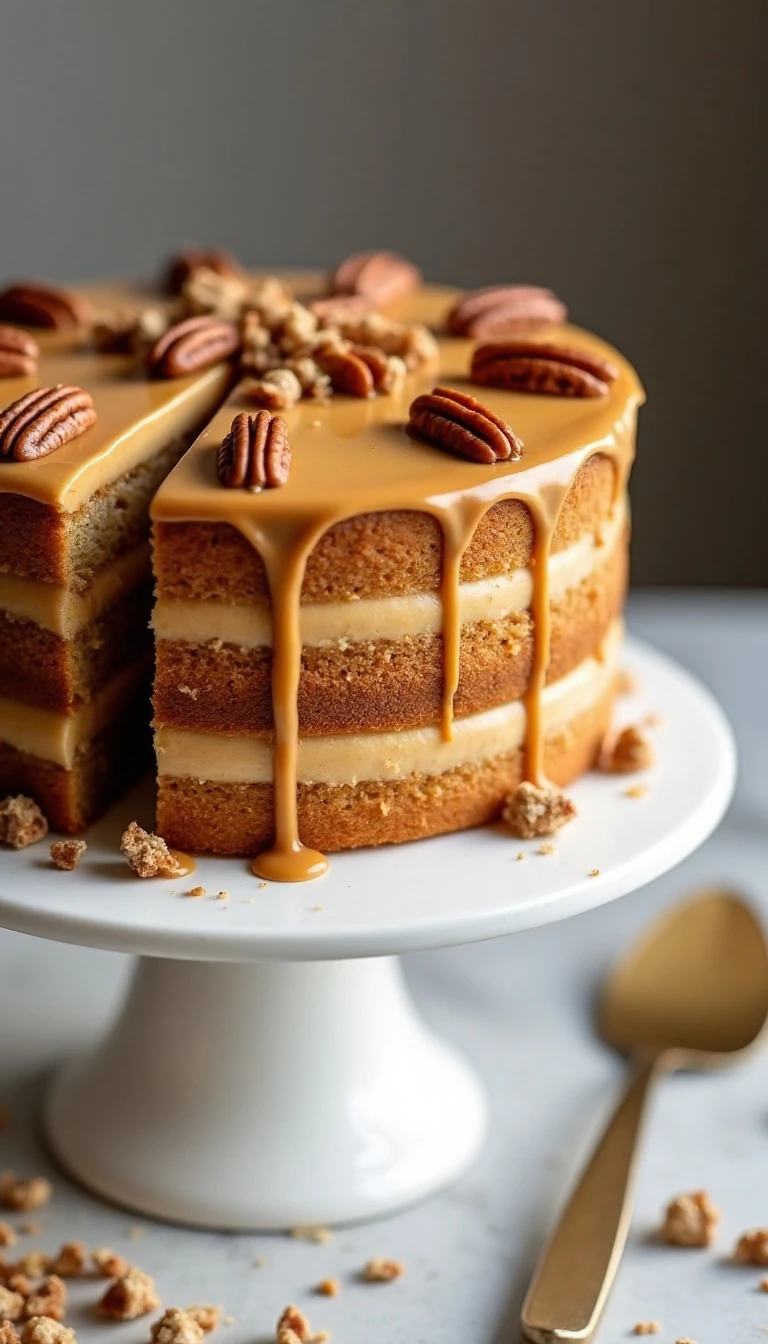
Step 10: Set one cake layer on a serving plate and spread it with frosting. Place the second layer on top, cover the top and sides, and finish with optional butterscotch sauce, toasted pecans, or extra chips.
Pro Tips for the Best Butterscotch Cake
Room-temperature ingredients are one of the easiest ways to improve the cake. Soft butter creams more fully with the brown sugar, while room-temperature eggs and buttermilk blend into the batter without causing the butter mixture to seize.
Keep a close eye on the bake time. Brown-sugar cakes can move from moist to dry quickly, so begin checking around the 25-minute mark and trust the spring-back test and moist crumbs.
- Cream patiently: The full 3–4 minutes of beating butter and sugar adds air for a lighter texture.
- Mix gently: Once the flour is added, overmixing can make the layers tough.
- Cool fully: Frosting a warm cake may cause sliding layers and a runny finish.
- Balance sweetness: The salt in the frosting is important because it sharpens the butterscotch flavor.
- Toast thoughtfully: Lightly toasted pecans make a wonderful garnish, but cool them before placing them on the frosting.
For an especially polished cake, use a thin crumb coat first. Chill the cake briefly if needed, then apply the final layer of frosting for cleaner sides and a more defined top edge.
Butterscotch Sauce and Decorating Ideas
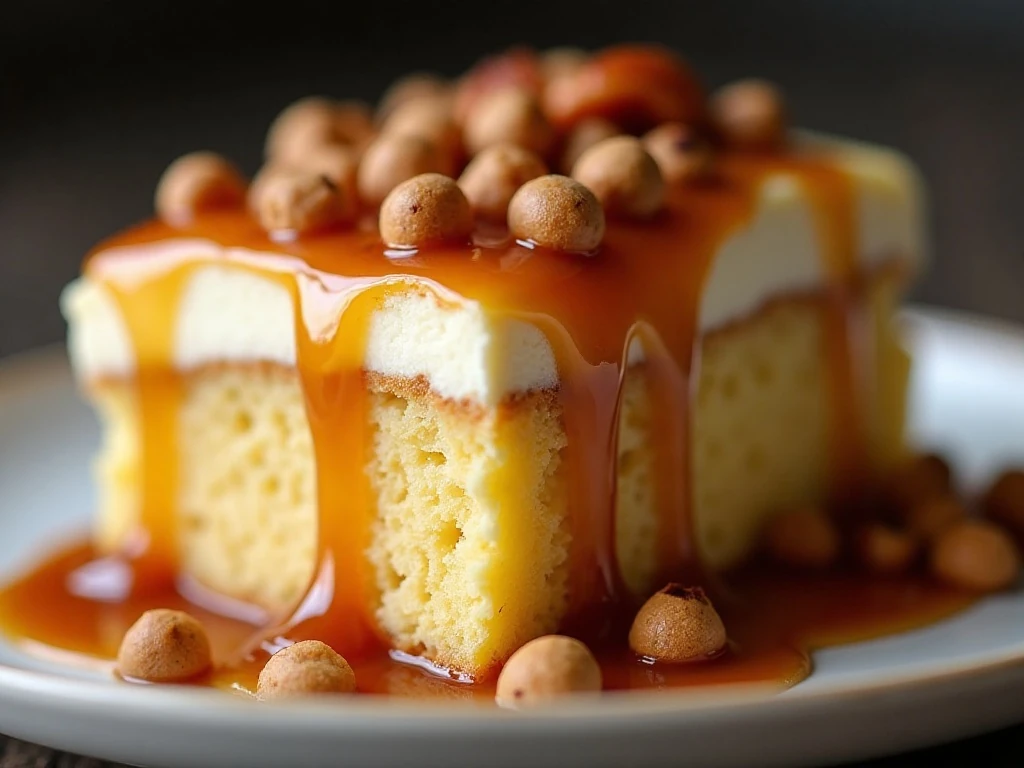
The optional sauce is a simple finishing touch made from brown sugar, heavy cream, and butter. Cook those ingredients together until smooth, then let the sauce cool slightly so it thickens enough to drizzle without running completely down the sides.
Chopped toasted pecans add crunch and a classic praline-like character. If you prefer a more candy-forward look, scatter additional butterscotch chips over the top, or use both pecans and chips for contrast.
Keep the decoration restrained if you want the golden frosting to stand out. A few deliberate drips around the edge and a small pile of garnish in the center can look just as inviting as a heavily decorated cake.
When planning a larger dessert table, balance this rich cake with a small savory bite such as cranberry Brie bites. The fruit and cheese combination gives guests a savory option between sweet servings.
Storage, Slicing, and Serving
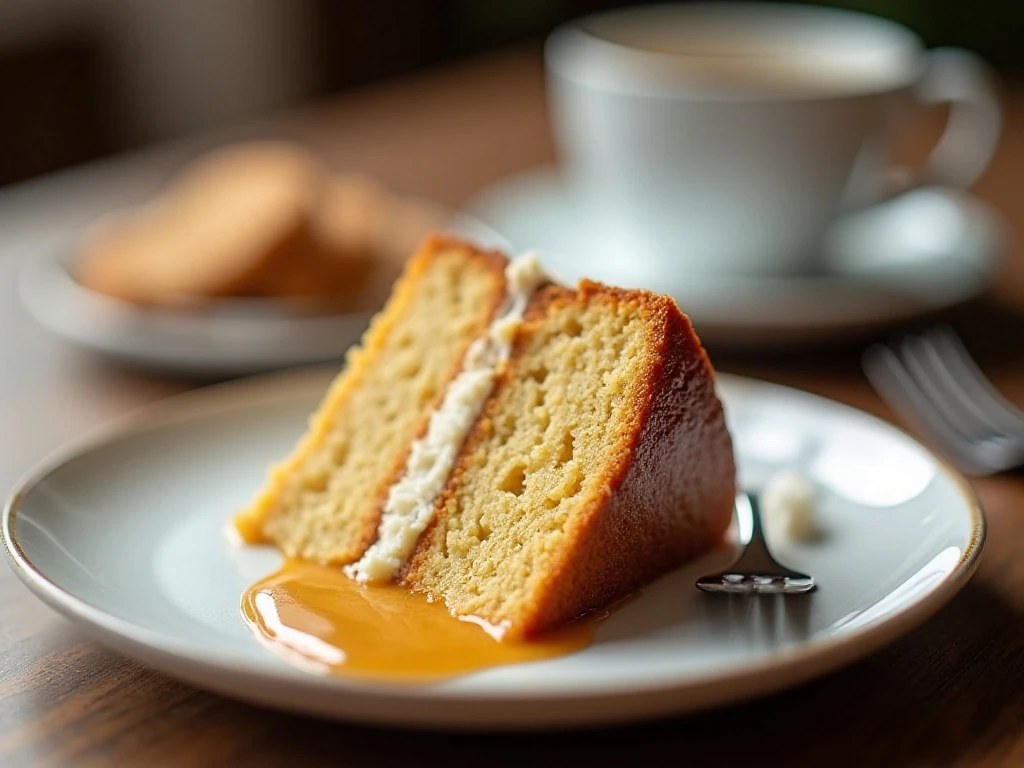
Cover the finished cake and store it at room temperature for up to 2 days in a cool kitchen. For longer storage, refrigerate it in an airtight container, then let it sit at room temperature before serving so the frosting becomes soft and creamy again.
Use a sharp knife and wipe the blade between slices for neat layers. The cake is delicious on its own, but a small spoonful of extra sauce beside each slice makes the butterscotch flavor even more luxurious.
If you have leftovers, keep them protected from air so the crumb does not dry out. Individual slices can also be wrapped well and refrigerated, making it easy to enjoy a small dessert with coffee or tea later.
For a lighter dessert option on another day, try a quick lemon blueberry mug cake. It offers a bright, single-serving contrast to this generous celebration cake.
Frequently Asked Questions
Can I leave out the butterscotch chips? Yes. They are optional, and the brown-sugar cake plus homemade frosting still provide a pronounced butterscotch flavor.
Can I use whole milk instead of buttermilk? The formula is written for buttermilk, which contributes tenderness and gentle acidity. For the most reliable texture and flavor, use buttermilk as listed.
Why did my frosting become too thick? Confectioners’ sugar absorbs moisture as it is beaten in. Add a small amount of cream or whole milk until the frosting reaches a smooth, spreadable consistency.
Can I make a shortcut version? A separate shortcut variation uses a 15.25-ounce yellow cake mix, a 3.4-ounce instant butterscotch pudding mix, 4 eggs, 1 cup sour cream, 1/2 cup vegetable oil, 1/2 cup water, and 1 cup butterscotch chips in a greased Bundt pan. That version bakes at 350°F for about 50–60 minutes and is distinct from this scratch layer cake.
For a colorful meal before dessert, a fresh Caprese salad can provide a clean tomato, basil, and mozzarella course before the rich butterscotch finish.
Perfectly Amazing Butterscotch Cake
Ingredients
Method
- Heat the oven to 350°F (175°C). Grease two 9-inch round cake pans and line the bottoms with parchment.
- Whisk the flour, baking powder, baking soda, and salt together in a medium bowl.
- Beat the softened butter and brown sugar for 3–4 minutes, until the mixture looks lighter and fluffy. Add the eggs one at a time, beating well after each addition, then mix in the vanilla.
- Add the dry ingredients in three additions, alternating with the buttermilk in two additions. Mix only until combined, then fold in the butterscotch chips if using.
- Divide the batter evenly between the prepared pans. Bake for 25–32 minutes, until the centers spring back and a toothpick inserted in the middle comes out with a few moist crumbs.
- Cool the cakes in their pans for 10–15 minutes, then turn them out onto racks and cool completely before frosting.
- For the frosting, cook the butter, brown sugar, and cream over medium heat until the sugar dissolves and the mixture is smooth. Cool it to lukewarm, then beat in the vanilla, salt, and confectioners' sugar gradually.
- Place one cake layer on a serving plate and spread it with frosting. Add the second layer, frost the top and sides, then drizzle with butterscotch sauce and decorate with pecans or butterscotch chips if desired.
Notes
Final Thoughts
This perfectly amazing butterscotch cake is built for serious comfort: soft brown-sugar layers, a smooth cooked butterscotch frosting, and optional sauce and pecans in every golden, irresistible bite. The method is straightforward, but taking care with room-temperature ingredients, gentle mixing, and proper cooling makes the result taste truly special.
Serve it at room temperature so the frosting is creamy and the crumb is at its most tender. Whether you bake it for a celebration or simply want a beautiful weekend dessert, this cake brings the nostalgic flavor of butterscotch candy to the table in a generous, homemade form.