This Paleo Fruit and Nut Bread is a tender, lightly sweet quick bread made with almond flour, tapioca flour, coconut flour, eggs, coconut oil or ghee, nuts, and unsweetened dried fruit. It takes about 15–20 minutes to prepare and bakes at 350°F (175°C) for 40–50 minutes, making one standard loaf with approximately 8–10 slices.
Every slice has a soft, rich crumb, crisp toasted nuts, chewy fruit, and a gentle cinnamon-vanilla flavor. Serve it plain, warm with a little ghee, or alongside breakfast coffee when you want a satisfying grain-free bread with plenty of texture.
Jump to RecipeWhy You’ll Love This Recipe
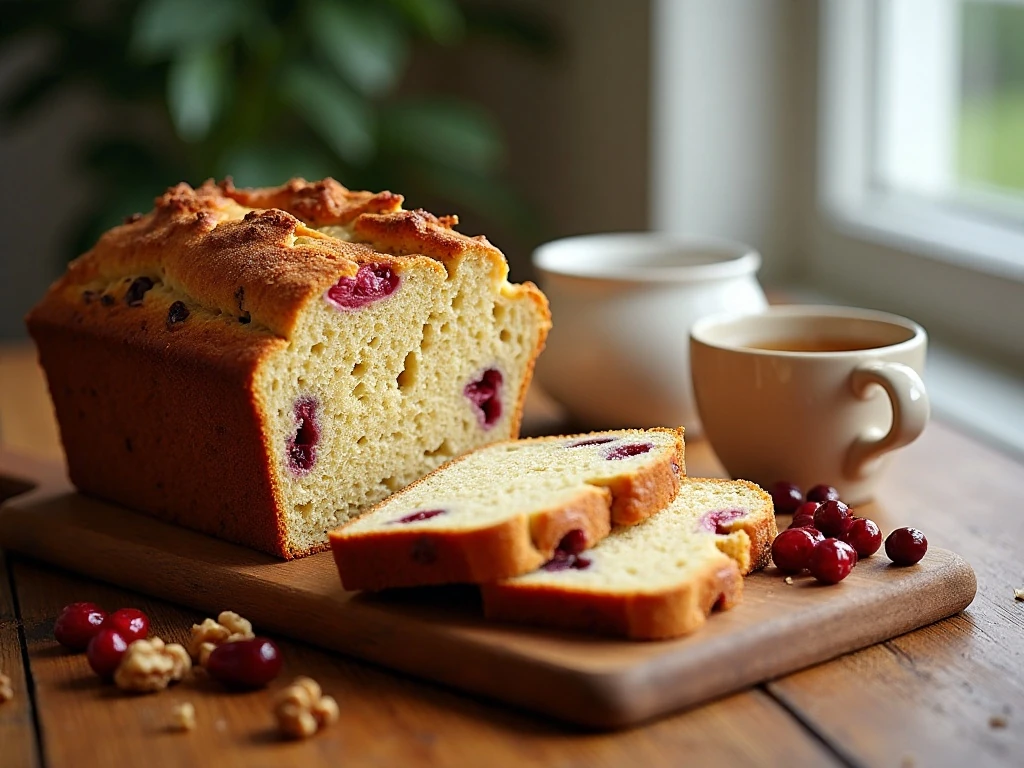
This loaf brings together the best qualities of a breakfast bread and a snack cake without becoming overly sweet. Almond flour gives the crumb a buttery richness, while tapioca flour or arrowroot starch helps keep the slices pleasantly light instead of dense.
The texture is especially appealing. You get tender bread in the center, chewy pockets of dried fruit, and little bursts of crunch from walnuts or pecans in nearly every bite.
Cinnamon and vanilla provide a warm bakery aroma, while honey or maple syrup adds just enough sweetness to complement the fruit. The optional coconut contributes a subtle tropical note and a little extra chew.
Because this is a quick bread, there is no yeast, kneading, or rising time. Once the ingredients are measured, the batter comes together in one main mixing bowl and is ready for the oven in minutes.
For another comforting bread idea, take a look at this easy cinnamon bread when you are in the mood for a more traditional sweet loaf.
Ingredients You’ll Need

The flour blend is the foundation of this recipe. Blanched almond flour supplies moisture and richness, tapioca flour or arrowroot starch supports a softer crumb, and coconut flour absorbs liquid while adding structure.
- Almond flour: Use blanched almond flour for a fine, pale crumb and a smooth texture.
- Tapioca flour or arrowroot starch: Either option works in the same measured amount.
- Coconut flour: This highly absorbent flour helps bind the batter, so measure it carefully.
- Eggs: Room-temperature eggs blend more easily with the melted fat and help form the loaf’s structure.
- Coconut oil or ghee: Both add richness; use melted coconut oil for a coconut note or ghee for a buttery flavor.
- Honey or maple syrup: Choose one according to your preferred flavor and pantry.
- Nuts and fruit: Walnuts or pecans pair beautifully with unsweetened cranberries, raisins, or chopped dates.
When measuring the almond and coconut flour, spoon it into the measuring cup and level the top rather than scooping directly from the bag. Compacted flour can make the loaf dry and heavier than intended.
For the best flavor, toast the nuts before chopping them. Let them cool first, then cut them into small pieces so the loaf remains easy to slice.
Unsweetened dried fruit keeps the bread balanced. If you choose large dates or apricots, chop them finely so they distribute evenly instead of creating oversized sticky pockets.
How to Make It Step-by-Step
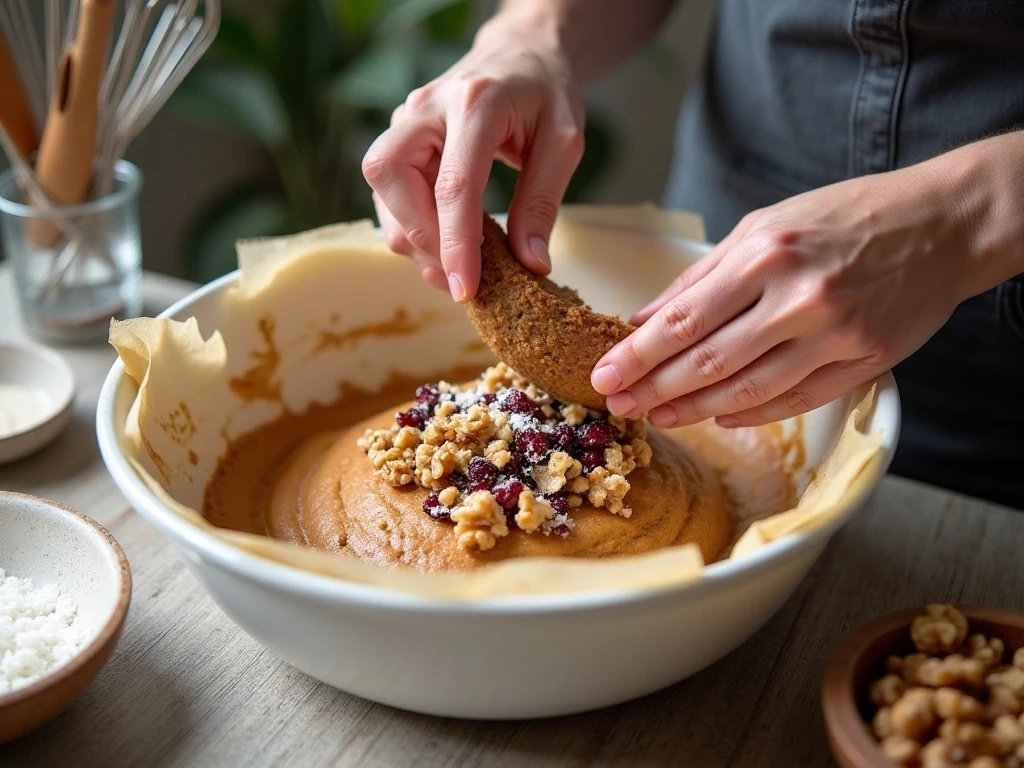
Step 1: Heat your oven to 350°F (175°C), then line an 8 1/2-by-4 1/2-inch loaf pan with parchment paper. Leave some paper hanging over the long sides so you can lift the finished loaf out without turning it over.
Step 2: Add the almond flour, tapioca flour or arrowroot starch, coconut flour, baking soda, sea salt, and cinnamon to a bowl. Whisk thoroughly so the baking soda and spices are dispersed throughout the flour mixture.
Step 3: In a second bowl, whisk the three room-temperature eggs with the melted coconut oil or ghee, honey or maple syrup, and vanilla extract. Continue until the mixture looks uniform and glossy rather than streaky.
Step 4: Pour the wet ingredients into the dry ingredients and stir just until combined. Avoid vigorous or prolonged mixing, since coconut flour thickens as it absorbs liquid and overmixing can produce a heavier loaf.
Step 5: Fold in the chopped walnuts or pecans, dried cranberries, raisins, or dates, and the optional shredded coconut. Use a spatula to distribute the add-ins gently without breaking them into the batter.
Step 6: Scrape the batter into the parchment-lined pan and smooth the surface. Bake for 40–50 minutes, watching for a deeply golden top and testing the center with a skewer.
Step 7: Remove the pan when the skewer comes out clean or with only a few moist crumbs. Let the bread cool in the pan for about 15 minutes, then lift it onto a wire rack and cool completely for at least 30–60 minutes before slicing.
The cooling stage is part of the recipe, not an optional pause. The egg- and nut-flour structure needs time to set, and cutting too soon can cause the loaf to crumble or appear underbaked even when it has cooked correctly.
Pro Tips for the Best Loaf

Start with room-temperature eggs whenever possible. Cold eggs can cause melted coconut oil to firm up into little pieces, making the batter less even.
If your kitchen is cool and the coconut oil begins to solidify, gently warm the wet mixture over a bowl of warm water while whisking. Do not make the mixture hot; it should simply be smooth enough to combine.
Toast the nuts in a dry skillet or oven until fragrant, then cool them before adding them. This small step brings out their natural oils and gives the finished bread a more pronounced roasted flavor.
A dark metal pan can brown the outside more quickly than a light-colored or glass pan. Check the loaf early during the 40–50-minute baking window, and tent the top loosely with foil if it is darkening before the center is finished.
Do not judge doneness by color alone. The most reliable test is a skewer inserted into the center, which should come out clean or with only a few moist crumbs attached.
For a clean bakery-style finish, let the loaf cool fully, use a serrated knife, and cut with a gentle sawing motion. Thick slices are less likely to break than very thin ones.
For a savory meal pairing, this loaf can share the table with hearty dishes such as slow cooker corned beef, although its fruit and cinnamon notes make it especially suited to breakfast and snacking.
Serving Suggestions
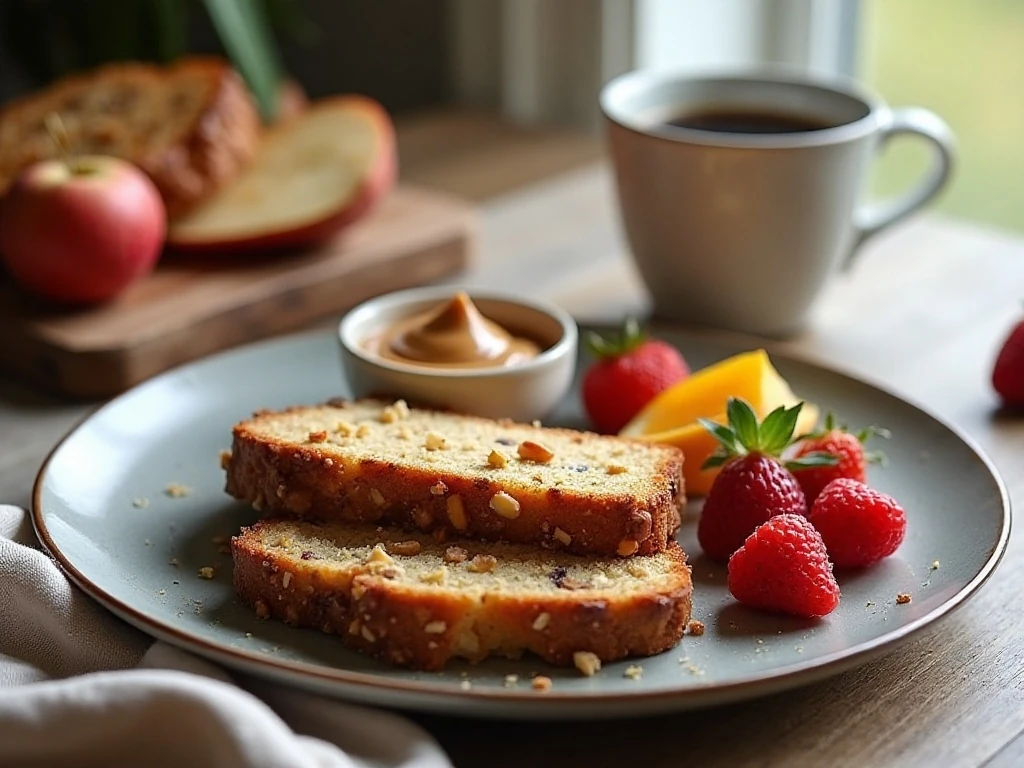
Serve the bread at room temperature for its firmest texture, or warm one slice gently for a softer bite. A thin spread of ghee, almond butter, or coconut butter works well without masking the fruit and nut flavor.
For breakfast, pair it with coffee, tea, plain yogurt, or fresh fruit. The loaf is also excellent on a brunch board with berries, sliced apples, and a small bowl of nut butter.
Try changing the character of the loaf by choosing different permitted add-ins. Pecans with dates create a rich, caramel-like combination, while walnuts with cranberries offer a more tart, classic fruit-and-nut profile.
Keep the optional coconut if you enjoy a chewier crumb, or leave it out for a more straightforward almond-flour bread. Since the base recipe already contains fruit and nuts, the loaf remains flavorful either way.
If you are planning a larger breakfast spread, a slice of this bread can sit beside a warm dish or a sweet baked dessert. For a classic way to use another type of bread, see this custard bread pudding.
Storage and Slicing
Cool the loaf completely before storing it. Once cool, wrap it well or place it in an airtight container to help preserve its tender crumb.
At room temperature, enjoy it according to your household’s normal food-storage practices, or refrigerate it for a firmer texture and longer keeping quality. Chilled slices can be brought back to room temperature before serving.
For longer storage, slice the cooled loaf and freeze the pieces with parchment between them. Individual slices are convenient to thaw, and gentle warming can restore some of the bread’s soft texture.
Always use a completely cooled loaf when making neat slices for guests. The bread can feel delicate when warm but becomes much easier to handle once the internal structure has set.
As a side dish idea for a broader meal, these pesto roasted potatoes offer a savory contrast to the loaf’s naturally sweet fruit and cinnamon flavors.
Common Questions
Can I use raisins instead of cranberries? Yes. Unsweetened raisins, unsweetened dried cranberries, or finely chopped dates all fit the stated ingredient amount and bring a slightly different balance of sweetness and tartness.
Can I use arrowroot instead of tapioca flour? Yes. Use the same 1/2-cup quantity, as either tapioca flour or arrowroot starch provides the starch component in this quick-bread formula.
Why did my loaf crumble? The most common causes are slicing while hot, compacting the flour during measuring, or overmixing the batter. Let it cool for at least 30–60 minutes, measure the flours carefully, and stir only until the batter is combined.
Can I skip the shredded coconut? Absolutely. It is optional and can be omitted without changing the other ingredient quantities.
How do I know when it is baked? Look for a deeply golden top and test the center with a skewer. It should come out clean or with only a few moist crumbs, not wet batter.
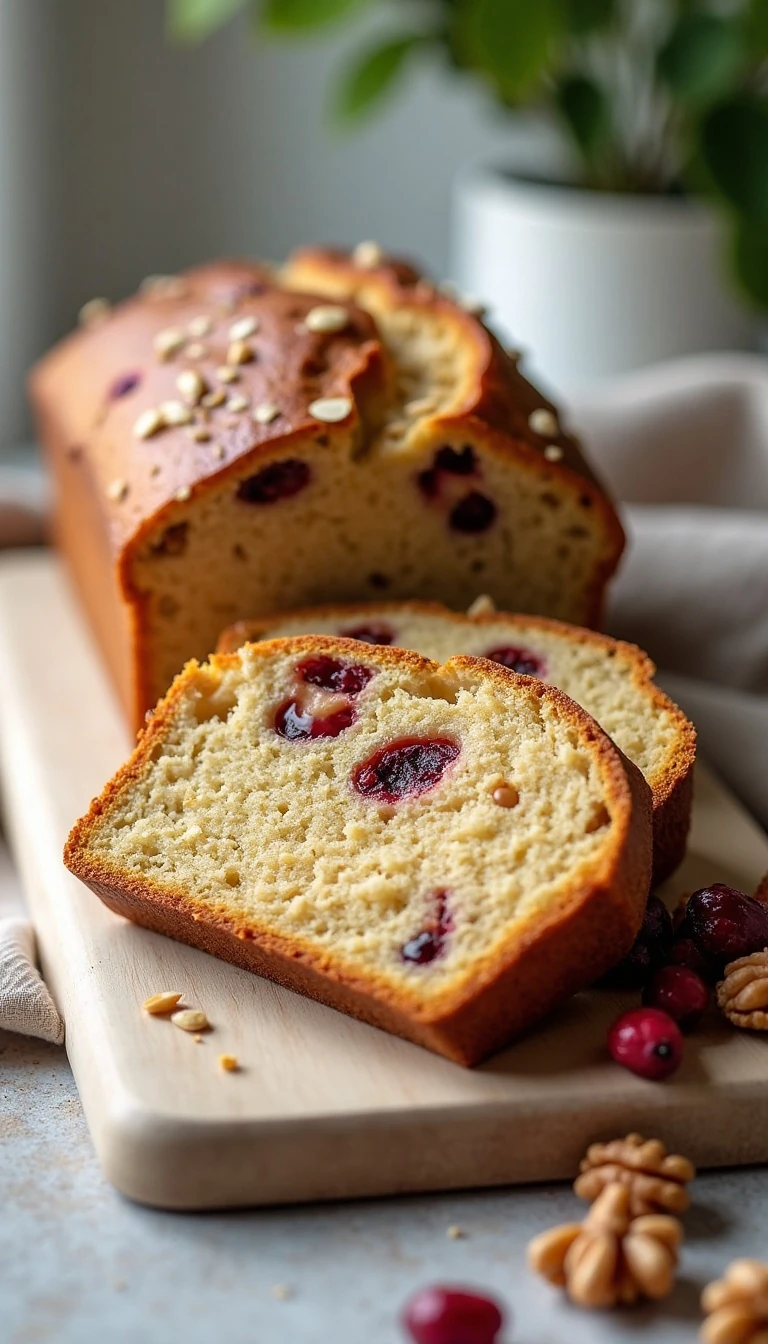
Paleo Fruit and Nut Bread
Ingredients
Method
- Heat the oven to 350°F (175°C). Line an 8 1/2-by-4 1/2-inch loaf pan with parchment paper, leaving enough overhang to lift the baked loaf out easily.
- Whisk the almond flour, tapioca flour or arrowroot starch, coconut flour, baking soda, fine sea salt, and cinnamon in a medium bowl until evenly combined.
- In a separate bowl, whisk the room-temperature eggs, melted coconut oil or ghee, honey or maple syrup, and vanilla extract until smooth.
- Stir the wet mixture into the dry ingredients just until no dry patches remain. Do not overmix, and remember that coconut flour will continue thickening the batter as it stands.
- Fold in the chopped nuts, unsweetened dried fruit, and optional shredded coconut. If using large dates or apricots, chop them finely first for cleaner slices.
- Transfer the batter to the prepared loaf pan and smooth the top. Bake for 40–50 minutes, until deeply golden and a skewer inserted in the center comes out clean or with only a few moist crumbs.
- Cool the loaf in the pan for about 15 minutes, then use the parchment overhang to lift it onto a wire rack. Cool completely for at least 30–60 minutes before slicing because the loaf is fragile while hot.
Notes
Final Thoughts
This Paleo Fruit and Nut Bread is a dependable loaf for mornings, lunchbox snacks, and relaxed weekend baking. Its almond-flour crumb, cinnamon warmth, chewy fruit, and toasted nuts make every slice satisfying without requiring complicated techniques.
Remember the most important details: measure the flours lightly, avoid overmixing, bake until the center tests done, and cool the loaf completely before cutting. Those simple steps make the difference between a crumbly loaf and neat, tender slices.
Choose cranberries, raisins, or dates; use walnuts or pecans; and decide between coconut oil and ghee to make the flavor your own. Once cooled, serve it plain or with your favorite spread and enjoy a simple homemade bread with plenty of character.
For another savory bread recipe to keep in your collection, you can also try this dill bread for a completely different flavor direction.