This juicy grilled BBQ chicken recipe delivers tender, smoky chicken thighs and drumsticks with crisp skin and a glossy barbecue finish. Season the chicken with olive oil, paprika, garlic powder, onion powder, salt, pepper, and optional chili powder, then grill it over indirect heat before adding barbecue sauce near the end.
The complete method takes about 1 hour without marinating, including 15–20 minutes of preparation, 35–45 minutes on the grill, and a 5-minute rest. The result is deeply seasoned dark meat that stays moist while the sweet, tangy sauce caramelizes without scorching.
Jump to RecipeWhy You’ll Love This Recipe
This grilled BBQ chicken is the kind of meal that makes a backyard dinner feel special without requiring complicated preparation. Bone-in, skin-on thighs and drumsticks provide rich flavor and natural moisture, while the spice rub builds a savory crust beneath the barbecue glaze.
The two-zone grilling method is the key to reliable results. The chicken cooks slowly over indirect heat so it can become tender without burning, then finishes over direct heat for browned skin and a lightly smoky edge.
It is also an excellent recipe for serving a crowd. Three pounds of chicken makes 4–6 servings, and the pieces can be prepared ahead with the seasoning rub before guests arrive.
For another saucy chicken dinner with a different flavor profile, try this grilled Hawaiian chicken idea when you want tropical sweetness and sandwich-friendly toppings.
Ingredients You’ll Need

The recipe starts with 3 pounds of bone-in, skin-on chicken thighs and drumsticks. Using both cuts gives everyone a choice between smaller drumsticks and rich, tender thighs.
- Chicken: 3 lb bone-in, skin-on thighs and drumsticks.
- Oil: 2 tablespoons olive oil to help the spices coat the chicken.
- Spices: 1 tablespoon paprika, 2 teaspoons garlic powder, 2 teaspoons onion powder, 1 teaspoon kosher salt, and 1 teaspoon freshly ground black pepper.
- Heat: 1/2 teaspoon chili powder or cayenne, optional.
- Sauce: 1 cup barbecue sauce, divided between grilling and serving.
- Thinning liquid: 2 tablespoons apple cider vinegar or water, optional.
Smoked paprika gives the seasoning a wood-fired character, while sweet paprika keeps the flavor mild and rounded. Choose a barbecue sauce you enjoy on its own because its flavor becomes more concentrated as it cooks.
If you enjoy bold, tangy chicken preparations, you may also like this savory chicken adobo recipe for another dinner built around deeply seasoned chicken.
How to Make It Step-by-Step

Step 1: Pat the chicken thoroughly dry with paper towels and trim away excess fat, leaving the skin attached. Dry skin browns more effectively and helps the seasoning cling to the chicken.
Step 2: In a small bowl, combine the olive oil, paprika, garlic powder, onion powder, kosher salt, black pepper, and optional chili powder or cayenne. Stir until the mixture forms a loose, fragrant paste.
Step 3: Rub the seasoning evenly over all sides of the chicken. Work some of the mixture around the edges of the skin, but keep the skin intact so it can protect the meat while grilling.
Step 4: For deeper flavor, refrigerate the seasoned chicken for 2–8 hours, either covered or uncovered. Leaving it uncovered helps the surface dry for extra-crisp skin, but always pat the chicken dry again if moisture collects.
Step 5: Prepare a two-zone grill by heating one side to medium-high, approximately 400–450°F, while leaving the opposite side cooler. Clean and lightly oil the grates once the grill is ready.
Step 6: Arrange the chicken skin-side down over the cooler, indirect side of the grill. Cover and cook for approximately 25–35 minutes, turning occasionally so the pieces cook evenly without sitting over a hot flame.
Step 7: Move the chicken briefly over direct heat to brown and crisp the skin. Stay nearby and shift the pieces if dripping fat creates flare-ups or if the skin begins to darken too quickly.
Step 8: Brush the chicken with barbecue sauce during the final 5–10 minutes of cooking, turning and brushing once or twice. Applying the sauce late keeps its sugars from scorching while still creating a glossy, sticky coating.
Step 9: Check the thickest part of the chicken with an instant-read thermometer, avoiding direct contact with the bone. The chicken must reach at least 165°F, while thighs are often most tender at 175–185°F.
Step 10: Transfer the chicken to a clean plate and rest it for 5 minutes. Serve with the remaining barbecue sauce so everyone can add extra tangy sweetness at the table.
How to Manage a Two-Zone Grill
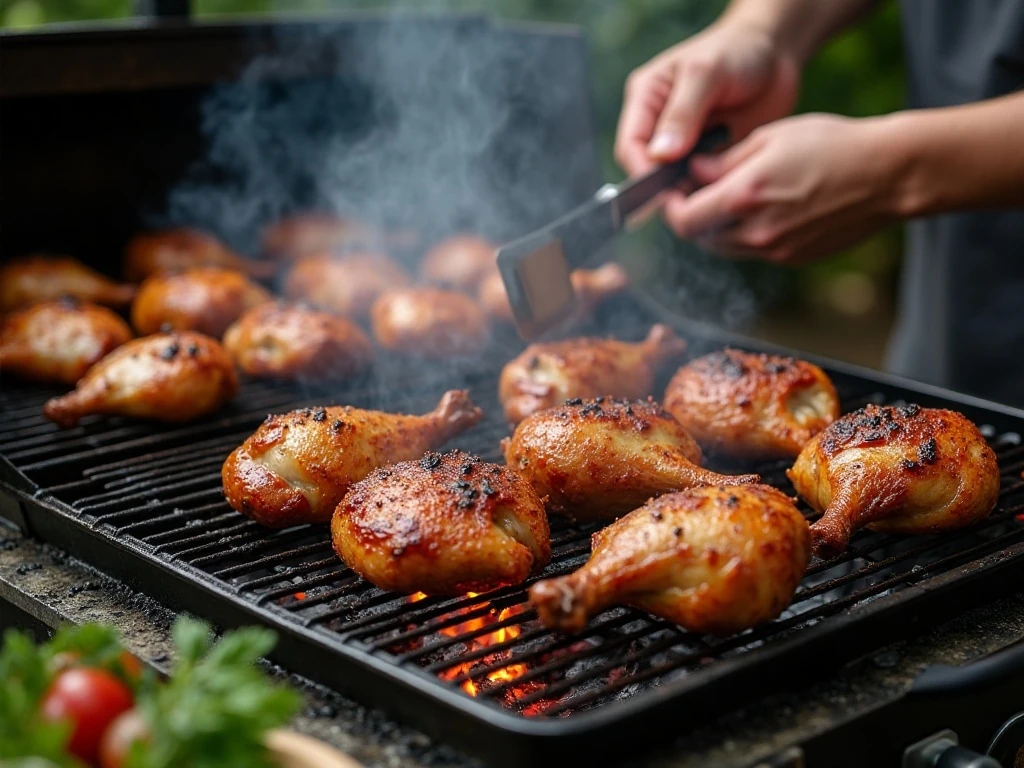
A two-zone grill has a hot side and a cooler side. On a charcoal grill, arrange the coals on one half of the grate; on a gas grill, heat one burner or section while leaving another section off or on low.
Start the chicken on the indirect side with the lid closed. This allows the bone-in pieces to cook through more gently and gives the fat time to render before the chicken is exposed to intense direct heat.
Use direct heat only for the brief browning stage and the final saucing. If the grill runs hotter than expected, keep the lid closed and move the chicken farther from the heat rather than rushing the cooking process.
For a different chicken dinner that works well with a family-style spread, consider these stuffed chicken breasts with cheese, spinach, and tomatoes.
Pro Tips for Juicy Chicken
- Dry the surface: Moisture on the skin can delay browning, so pat the pieces dry before seasoning and again before grilling if needed.
- Keep the skin intact: The skin shields the meat from the grill and helps retain moisture as the chicken cooks.
- Use a thermometer: Cooking time varies with the size of each piece. Temperature is more dependable than appearance or a fixed number of minutes.
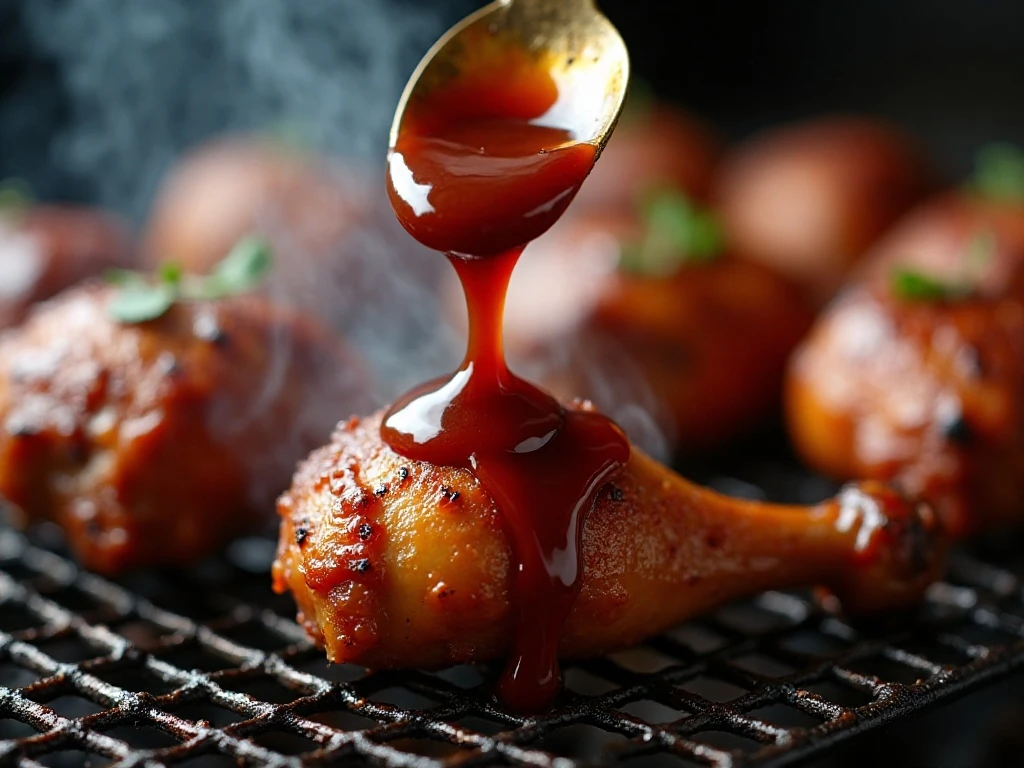
- Sauce late: Barbecue sauce contains sugar that can burn over high heat, so reserve most of it for the final 5–10 minutes.
- Let dark meat cook fully: Chicken thighs often become more tender at 175–185°F while still remaining juicy.
- Control flare-ups: Move the chicken back to indirect heat if rendered fat causes flames.
For extra-crisp skin, season the chicken and refrigerate it uncovered for several hours. Thoroughly pat it dry before it reaches the grill, then begin skin-side down over indirect heat.
If you like sweet-and-savory grilled flavors, this brown sugar pineapple chicken is another flavorful option for your next outdoor meal.
What to Serve with BBQ Chicken
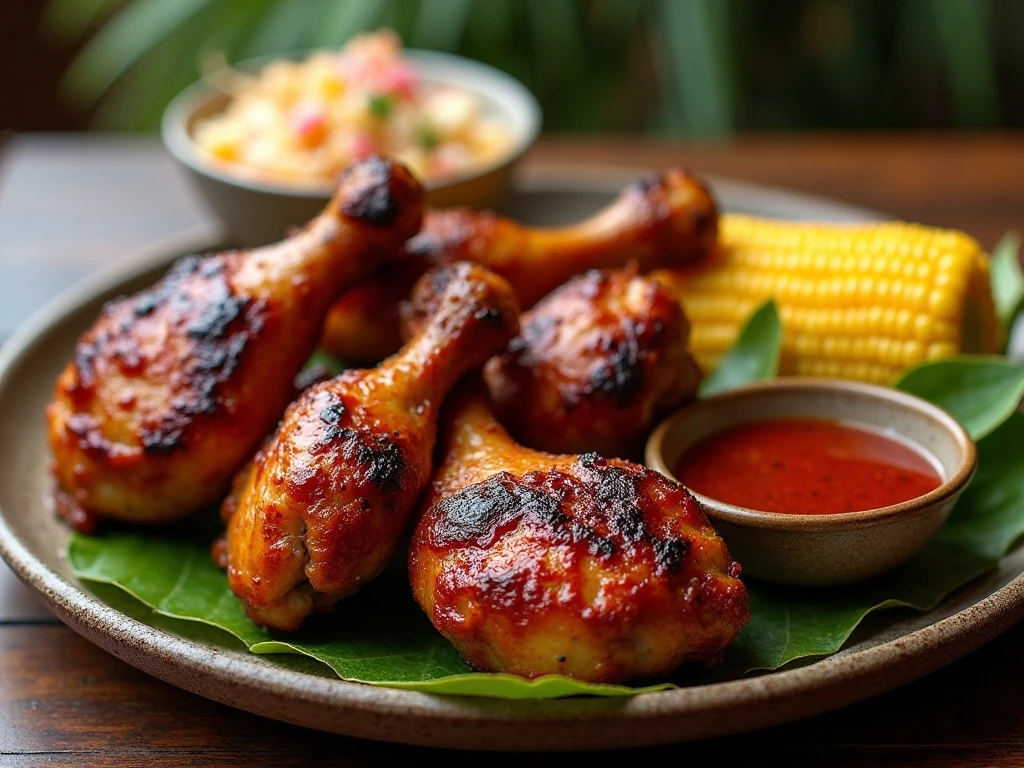
Serve the chicken with classic cookout sides such as creamy coleslaw, potato salad, grilled corn, baked beans, or a crisp green salad. The sauce is rich and sweet, so fresh, crunchy sides provide a welcome contrast.
Grilled vegetables are also a natural match. Try zucchini, bell peppers, onions, or corn on the same grill after the chicken has moved to the resting plate.
Set out the reserved barbecue sauce separately rather than coating every piece heavily. This keeps the skin crisp and lets guests choose how saucy they want their serving.
Storage and Reheating
Cool leftover chicken promptly and store it in a covered container in the refrigerator. Reheat gently until hot throughout, using an oven, covered skillet, or grill so the meat does not dry out.
Keep extra barbecue sauce separate when possible. Adding a fresh spoonful after reheating restores moisture and bright flavor without requiring the chicken to sit in sauce during storage.
Leftover meat can be pulled from the bones and added to salads, wraps, rice bowls, or sandwiches. For a comfort-food variation, use leftover chicken in these smothered baked chicken burritos.
Boneless Chicken Breast Variation
You can use 4 boneless chicken breasts weighing about 6–8 ounces each, but the timing changes because breasts cook faster than bone-in dark meat. Grill them over medium heat for approximately 5–7 minutes per side.
Add the barbecue sauce during the final 2–3 minutes, then remove the breasts at 160–165°F and let them rest before slicing. Check the thickest portion with a thermometer to avoid overcooking.

Juicy Grilled BBQ Chicken
Ingredients
Method
- Pat the chicken dry and trim away excess fat while leaving the skin intact. Mix the olive oil, paprika, garlic powder, onion powder, kosher salt, black pepper, and optional chili powder or cayenne into a seasoning paste.
- Rub the seasoning mixture evenly over every chicken piece, including beneath the edges of the skin when possible. For extra flavor and crispier skin, refrigerate the seasoned chicken uncovered or covered for 2–8 hours.
- Prepare a two-zone grill with one side at medium-high heat, approximately 400–450°F, and the other side cooler for indirect cooking. If desired, thin the barbecue sauce with apple cider vinegar or water.
- Place the chicken skin-side down over the cooler, indirect side of the grill. Cover and cook for approximately 25–35 minutes, turning occasionally, until the pieces are nearly done.
- Move the chicken briefly over direct heat to brown and crisp the skin. Watch closely because the rendered fat can cause flare-ups.
- Brush the chicken generously with barbecue sauce during the final 5–10 minutes, turning and brushing once or twice. Continue cooking until the thickest part reaches at least 165°F; thighs are often especially tender at 175–185°F.
- Transfer the grilled chicken to a plate and rest for 5 minutes. Serve with the remaining barbecue sauce on the side.
Notes
Final Thoughts
This juicy grilled BBQ chicken recipe succeeds because it respects the order of cooking: season well, cook mostly over indirect heat, brown briefly over direct heat, and brush on the sauce near the finish. That simple sequence produces tender chicken, crisp skin, and a glossy barbecue coating without a burned exterior.
Give the chicken its full 5-minute rest, then bring it to the table with extra sauce and plenty of fresh sides. Whether you are cooking for a weeknight dinner or a relaxed summer gathering, this dependable grill method delivers flavorful chicken every time.