This easy bread machine pizza dough recipe makes a soft, flexible crust with a crisp golden underside and a pleasantly chewy edge. Add lukewarm water, olive oil, sugar or honey, salt, bread flour, and yeast to your bread-machine pan, select the Dough cycle, shape the finished dough, and bake at 450–500°F for 10–15 minutes.
The bread machine handles the kneading and first rise, so you can make pizzeria-style dough with about 10–15 minutes of active preparation. The finished crust has a light olive-oil richness, a tender center, and enough structure to support sauce, cheese, and your favorite toppings without becoming heavy.
Jump to RecipeWhy You’ll Love This Recipe
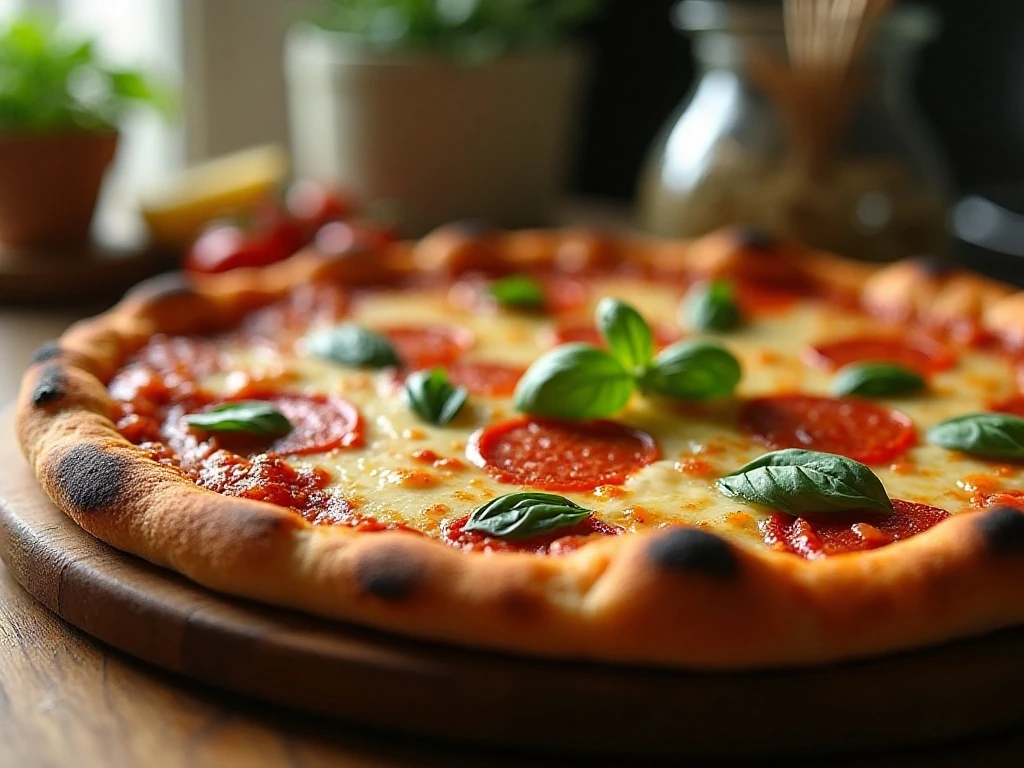
A bread machine makes homemade pizza dough remarkably simple. Instead of kneading by hand and monitoring the dough through several stages, you load the pan, choose the Dough cycle, and let the machine mix, knead, and rise the dough for you.
This formula is dependable because it balances water, flour, oil, salt, a small amount of sugar or honey, and yeast. The result is a crust that is easy to stretch, flavorful enough to enjoy with simple toppings, and sturdy enough for a loaded family pizza.
It also gives you flexibility. Make one large 12- to 14-inch pizza for a crowd, or divide the dough into two medium 10-inch pizzas so everyone can choose a different topping combination.
If you enjoy baking projects that do not require complicated equipment, you may also like this easy no-knead bread idea for another relaxed homemade bread recipe.
Ingredients You’ll Need
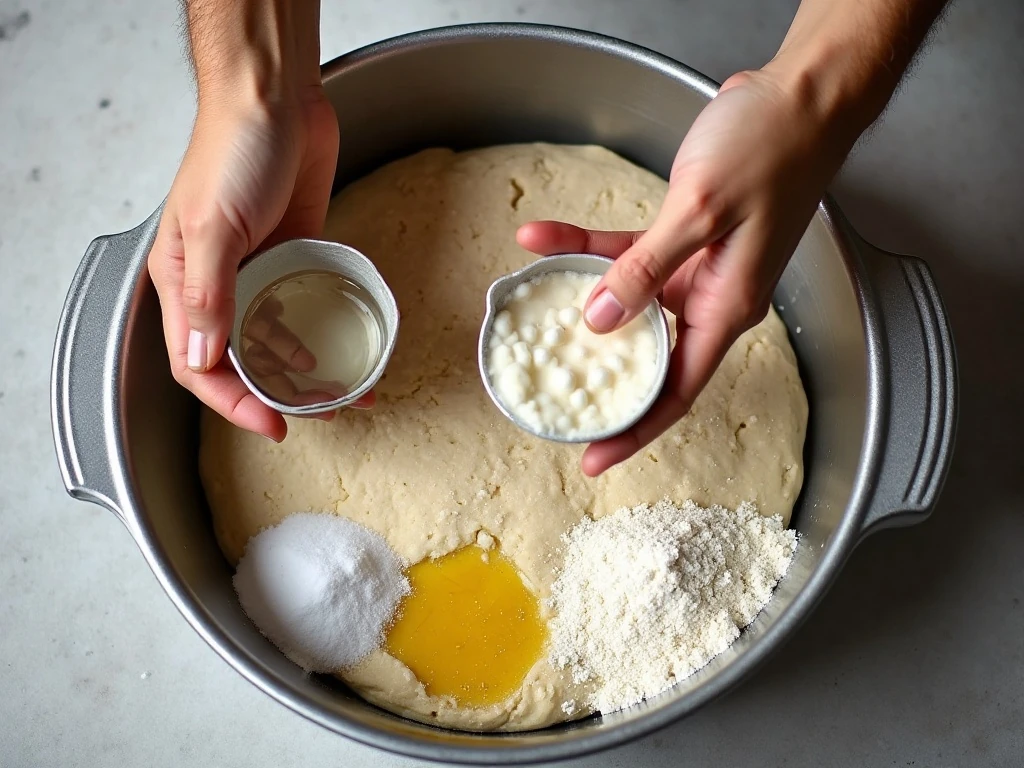
Use lukewarm water at about 105–110°F (40–43°C). Water that is too hot can harm the yeast, while cool water may slow the dough’s activity and make the cycle take longer than expected.
- Water: Provides the moisture needed to form the dough and activate the yeast.
- Olive oil: Adds tenderness, flavor, and a soft texture that makes the dough easier to stretch.
- Sugar or honey: Supplies a small amount of sweetness and helps with browning.
- Fine salt: Brings out the flavor and helps keep the dough from tasting flat.
- Bread flour: Its higher protein content supports a pleasantly chewy pizza crust.
- Instant or bread-machine yeast: Choose the type recommended by your machine if its instructions differ.
For the flour, use approximately 360–390 grams for the 3-cup measurement. Weighing it is especially helpful because too much flour is the most common reason bread-machine pizza dough turns dense or tough.
When planning a bread-centered menu, this savory bacon and cheddar bread is another flavorful option for the table.
How to Make It Step-by-Step
Step 1: Prepare the bread-machine pan by making sure the kneading paddle is in place. Add the lukewarm water, olive oil, sugar or honey, salt, bread flour, and yeast in the order recommended by your machine; water, oil, sugar, salt, flour, and yeast is a common order.
Step 2: Select the Dough cycle and start the machine. Most cycles take approximately 1 hour 20 minutes to 1 hour 40 minutes, including kneading and rising, but exact times vary by machine.
Step 3: Check the dough after 5–10 minutes of kneading. It should look soft and smooth and gather into a supple ball; if it is very sticky, add flour one tablespoon at a time, or add water one teaspoon at a time if it looks dry and crumbly.
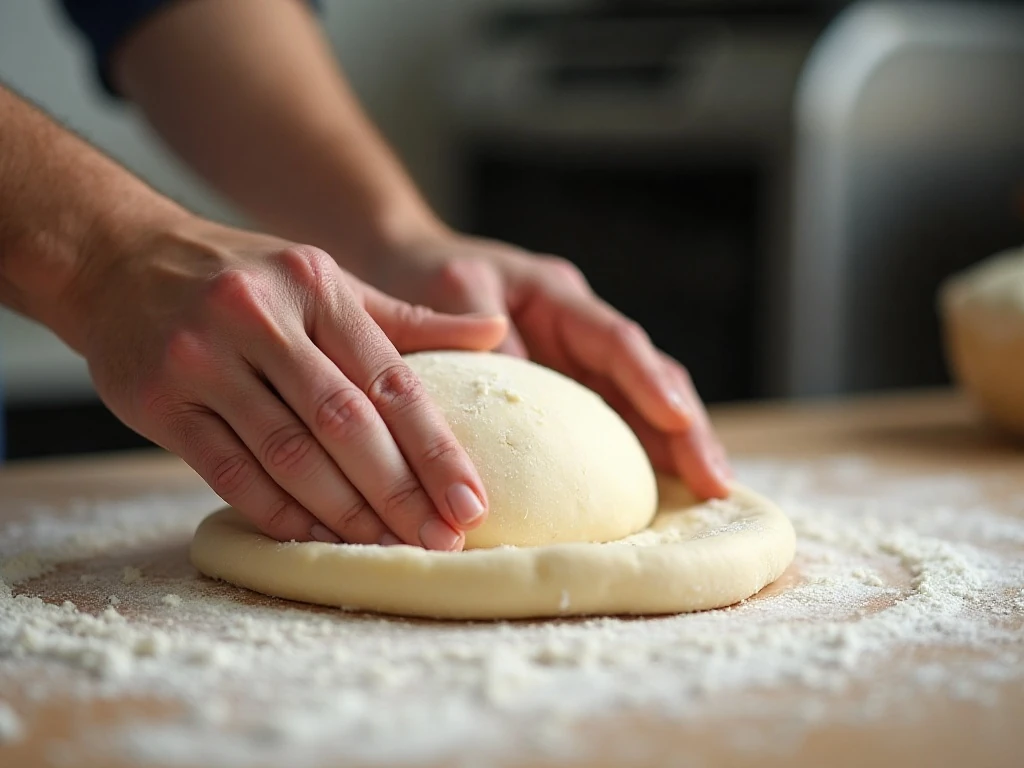
Step 4: Allow the machine to finish the Dough cycle before removing the dough. Turn it onto a lightly floured surface and let it rest for 10–20 minutes, which gives the gluten time to relax and makes shaping easier.
Step 5: Divide the dough in half if making two 10-inch pizzas. Shape each portion by pressing gently from the center outward, turning as you work, and leave a slightly thicker rim for a chewy edge.
Step 6: Transfer the shaped dough to a lightly oiled pan or to a well-preheated pizza stone or steel. Spread on a moderate layer of sauce, then add cheese and toppings without piling on more than the crust can support.
Step 7: Bake in a preheated 450–500°F oven for about 10–15 minutes. The pizza is ready when the edge is browned, the cheese is bubbling, and the underside feels cooked through; a very hot stone or steel may reduce the baking time to 8–12 minutes.
Step 8: Let the pizza cool for a few minutes before slicing. This short pause allows the cheese to settle and keeps the toppings from sliding off the first slice.
How to Get a Crisp, Chewy Crust
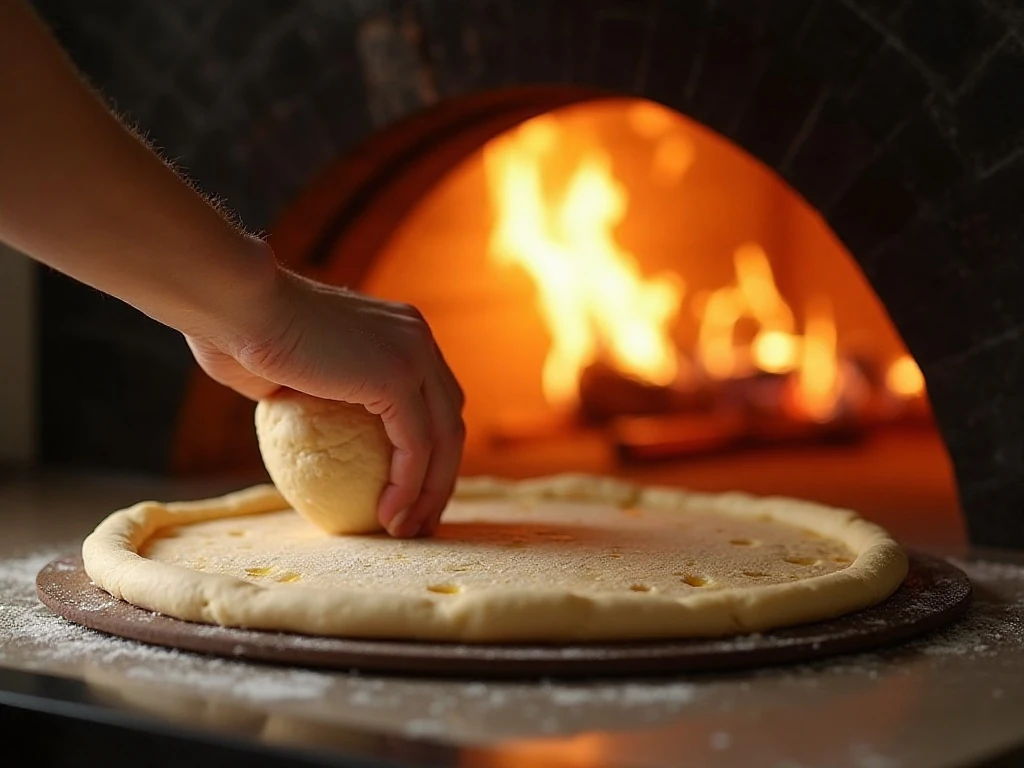
High heat is the key to a crust with a crisp bottom and good oven spring. Place a pizza stone or steel in the oven and preheat it for at least 30–45 minutes before baking so the surface is fully heated.
If you are using a baking pan, lightly oil it before adding the dough. The oil encourages browning and helps prevent sticking, while a thin layer keeps the bottom from becoming greasy.
Do not overload the pizza with sauce, cheese, or wet toppings. Excess moisture can leave the center soft even when the rim looks beautifully browned.
- For a thinner crust, stretch the dough farther while keeping the rim intact.
- For a thicker, softer crust, use a smaller pan and avoid pressing all the air from the edge.
- For better browning, brush the rim lightly with olive oil before baking.
- For a crispier base, use a preheated stone or steel and transfer the shaped dough carefully.
Flavor Variations and Topping Ideas
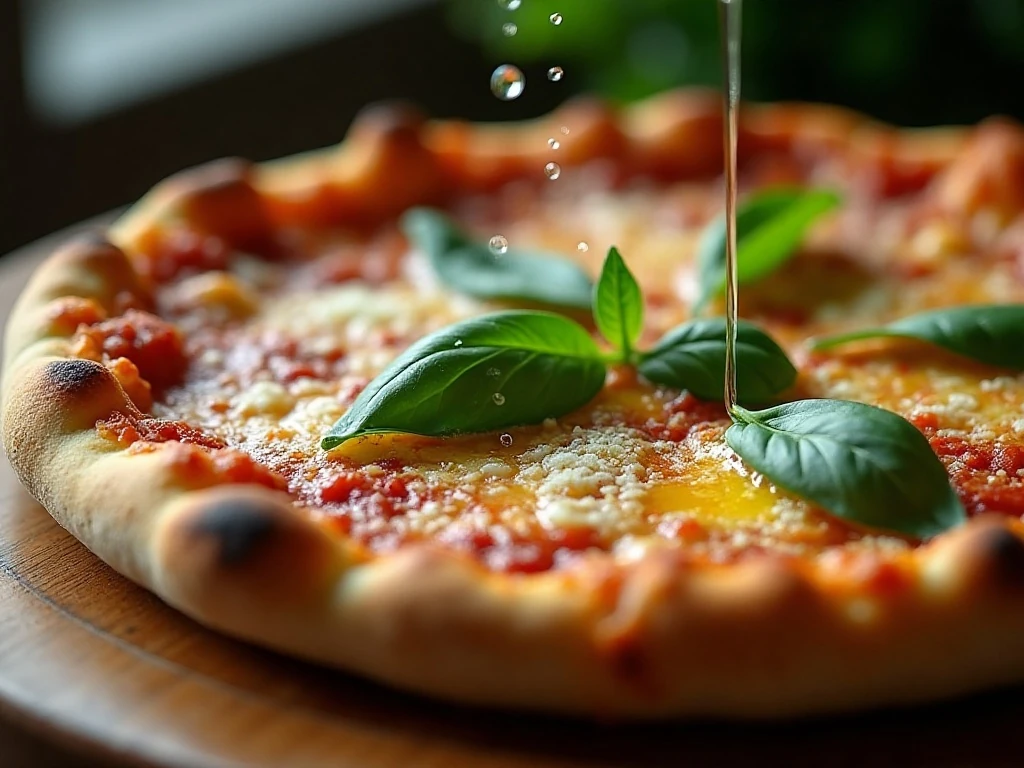
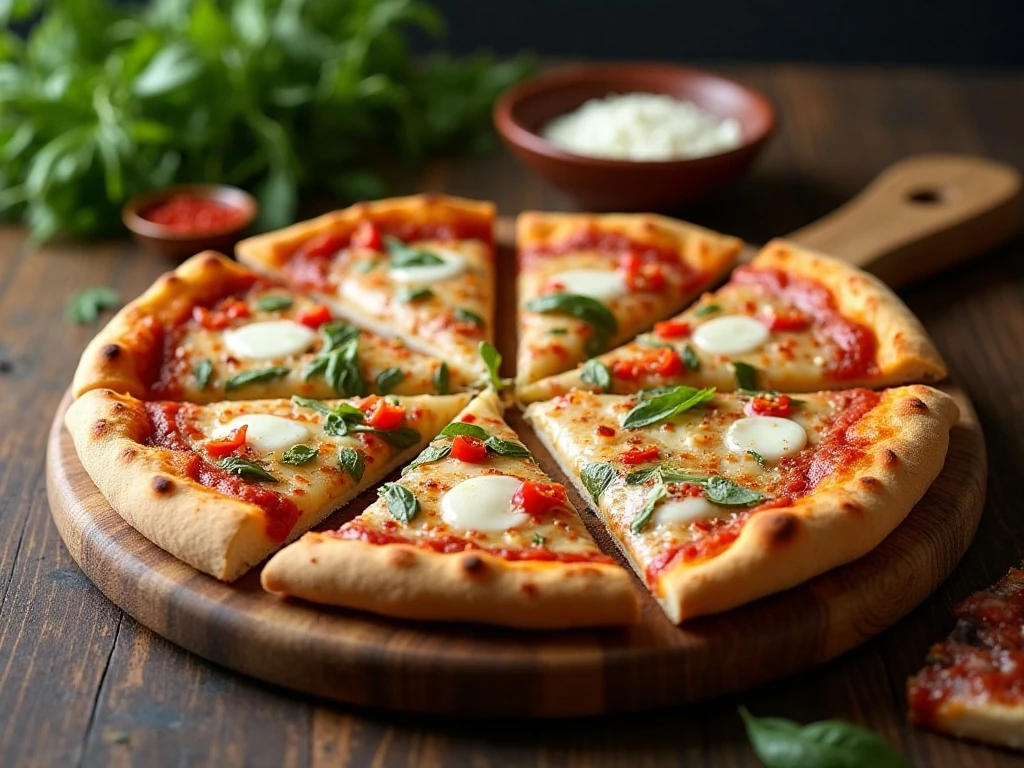
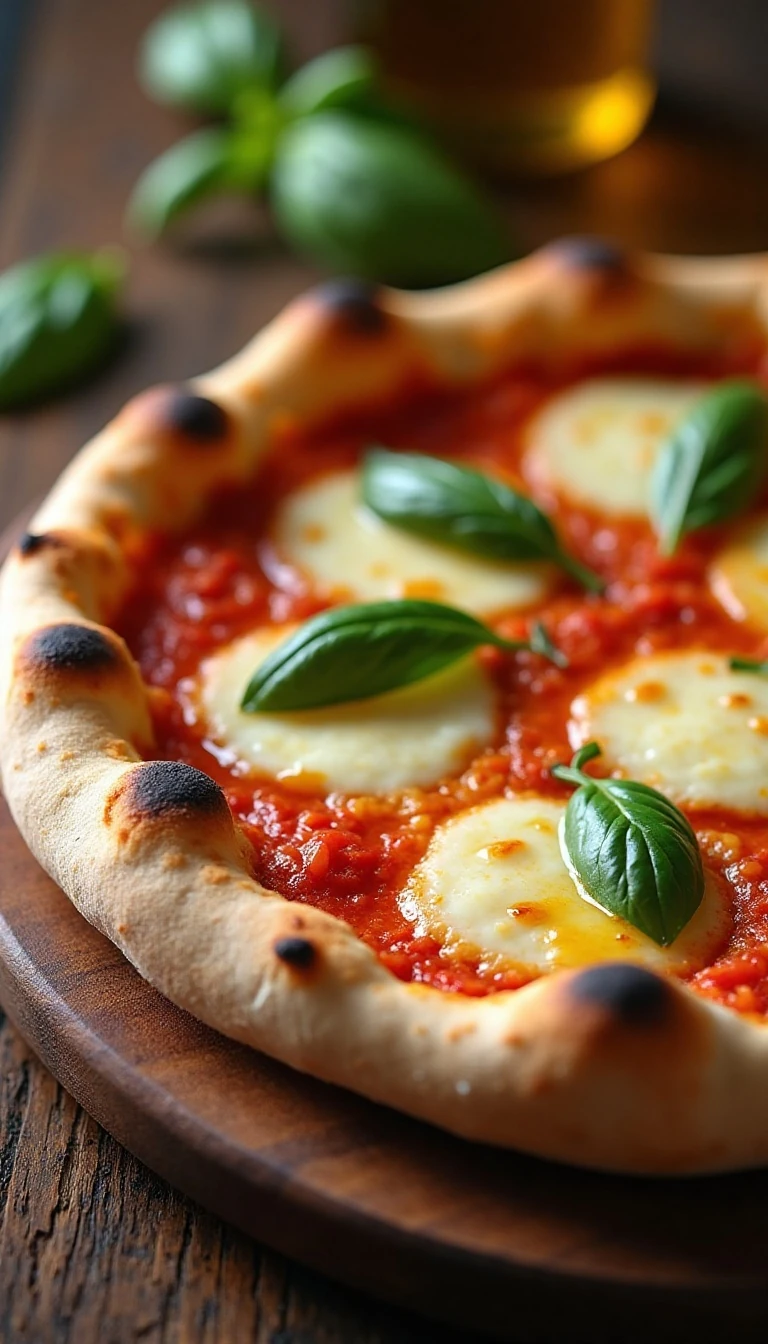
The dough works with nearly any classic pizza combination. Try tomato sauce, mozzarella, and basil for a simple pie, or add roasted vegetables, mushrooms, pepperoni, cooked sausage, or thinly sliced onions.
For a fun family dinner, use this crust as the base for our ravioli-inspired pizza. The pasta topping adds a hearty texture, but keep the layer modest so the dough bakes evenly.
You can also make a white pizza by replacing tomato sauce with a light coating of olive oil and adding mozzarella, ricotta, garlic, and spinach. Finish a baked pizza with fresh basil, grated Parmesan, chili flakes, or a small drizzle of olive oil.
For deeper flavor, refrigerate the finished dough in a covered container for 12–48 hours. Bring it close to room temperature before shaping, then continue with the recipe as written.
Storage, Freezing, and Reheating
Baked pizza is best served fresh, but leftovers can be refrigerated in an airtight container for up to a few days. Reheat slices in a hot oven or toaster oven until the cheese is warm and the crust has regained some crispness.
Unbaked dough can be kept covered in the refrigerator during the 12–48-hour flavor rest. Let it warm near room temperature before shaping because cold dough is less flexible and may resist stretching.
For a complete make-ahead meal, bake the crust with sauce for a few minutes, cool it, wrap it well, and freeze it. Add cheese and toppings later, then bake from thawed until hot and browned.
Serve pizza alongside a fresh salad or a warm bowl of comforting chicken Marsala soup for a satisfying dinner. If you are planning a broader spread, a fragrant Thai green curry dinner can provide a completely different flavor direction on another night.
Easy Bread Machine Pizza Dough Recipe for Perfect Crust
Ingredients
Method
- Add the ingredients to the bread-machine pan in the order recommended by your machine manufacturer. A common order is water, olive oil, sugar, salt, bread flour, and yeast.
- Select the Dough cycle, which generally takes about 1 hour 20 minutes to 1 hour 40 minutes. Check the dough after 5–10 minutes of kneading and adjust with flour or water if needed.
- When the cycle ends, remove the dough and let it rest for 10–20 minutes. Divide it in half if you are making two medium pizzas.
- Shape each portion by stretching from the center outward, leaving a slightly thicker rim. Place the dough on a lightly oiled pan or a well-preheated pizza stone.
- Add sauce, cheese, and toppings without overloading the crust. Bake in a preheated 450–500°F oven for about 10–15 minutes, until the edge is browned and the underside is cooked through.
Notes
Final Thoughts
This easy bread machine pizza dough recipe takes the guesswork out of homemade crust. With a short active prep time, a convenient Dough cycle, and a properly heated oven, you can make a pizza with a crisp underside, tender center, and beautifully browned rim.
Remember to check the dough during the first few minutes of kneading, weigh the flour when possible, and avoid overloading the finished crust. Once you try the basic method, you can adjust the shape, toppings, and fermentation time to create your favorite homemade pizza night.