The best moist buttermilk cornbread is tender, lightly sweet, buttery, and ready in about 40 to 45 minutes. This easy recipe uses a 9 x 13-inch baking dish, yellow cornmeal, all-purpose flour, real buttermilk, and melted salted butter to create about 12 generous servings.
At 375°F, the cornbread bakes for approximately 30 to 35 minutes, developing a golden top and soft center with just a few moist crumbs. Serve it warm beside chili, soup, barbecue, meatloaf, or a holiday dinner for a comforting bread everyone will reach for.
Jump to RecipeWhy You’ll Love This Recipe
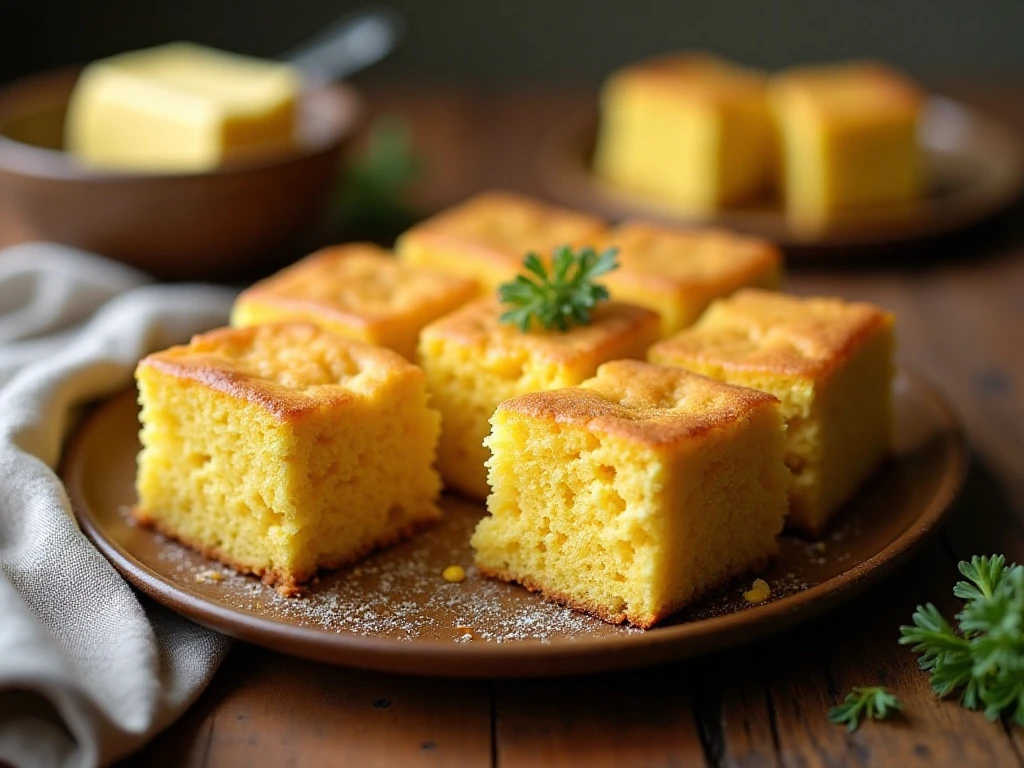
This cornbread has the ideal balance of textures: a golden, lightly crisp top, tender sides, and a moist middle that does not crumble into dry crumbs. The cup of melted salted butter adds rich flavor, while sugar gives the loaf a gentle sweetness that pairs beautifully with savory meals.
Unlike recipes that require a long list of ingredients, this one comes together with eight simple staples. The batter takes only about 10 minutes to prepare, so it is practical for a weeknight supper and special enough for a family gathering.
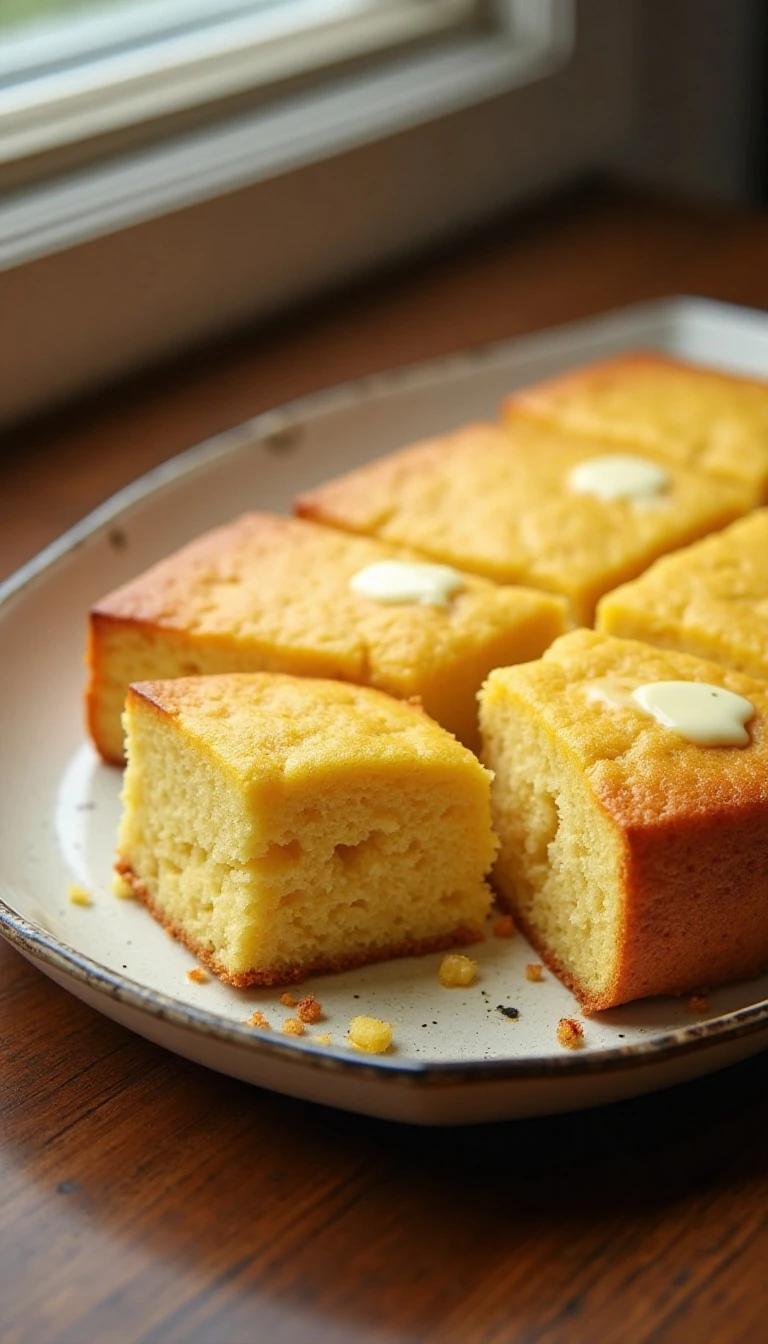
Cut the finished cornbread into 12 squares for a classic presentation. If you are planning a comfort-food dinner, serve it alongside our tender meatloaf with sweet glaze for a plate that feels warm and home-cooked.
Ingredients You’ll Need
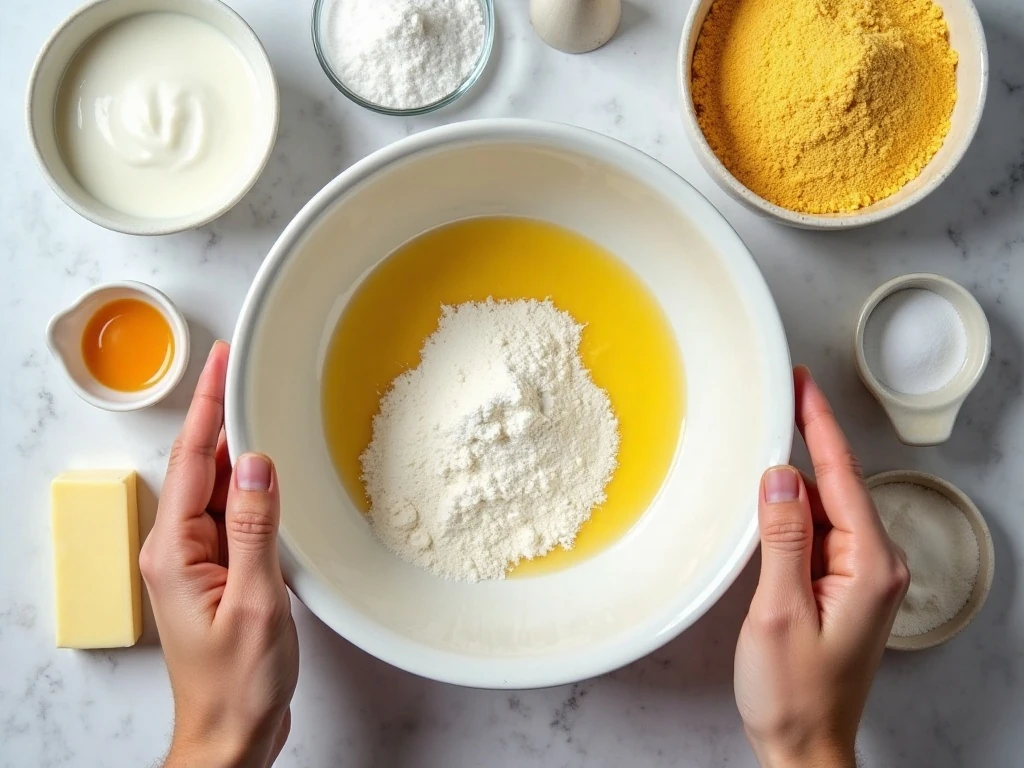
Gather all the ingredients before mixing so the batter can go straight into the oven. The measurements below are designed for one 9 x 13-inch baking dish and about 12 servings.
- 1 cup salted butter: Melted butter gives the cornbread a rich taste and moist crumb.
- 1 cup granulated sugar: Adds the signature light sweetness.
- 2 large eggs: Help bind the batter and support its tender structure.
- 1 cup real buttermilk: Provides tang and acidity for a soft texture.
- 1 teaspoon baking soda: Reacts with the acidity in the buttermilk.
- 1 cup yellow cornmeal: Supplies classic corn flavor and delicate texture.
- 1 cup all-purpose flour: Keeps the crumb soft and cohesive.
- 1/2 teaspoon salt: Balances the sweetness and brings out the butter.
Real buttermilk is the best choice when available. Its natural acidity activates the baking soda and contributes to the tender texture; a milk-and-vinegar substitute may not give exactly the same flavor or consistency.
How to Make It Step-by-Step
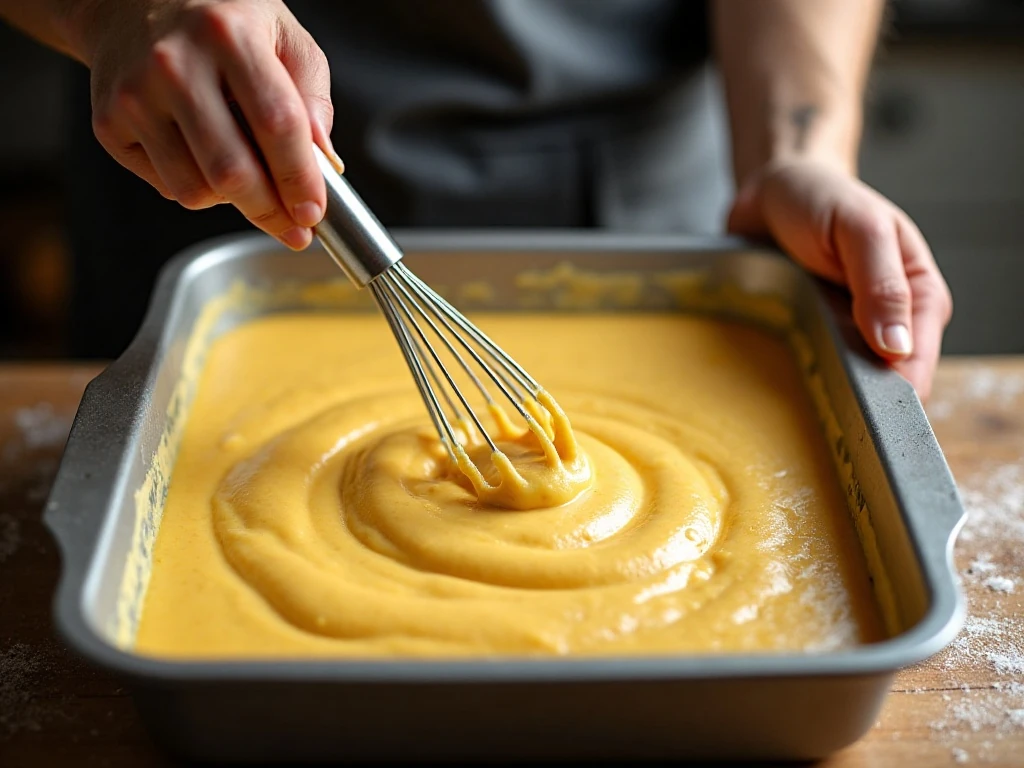
Step 1: Heat the oven to 375°F and grease a 9 x 13-inch baking dish thoroughly, paying attention to the corners. A well-greased pan makes serving easier and helps the edges brown attractively.
Step 2: Melt the salted butter, then set it aside to cool slightly rather than adding it while piping hot. Whisk the granulated sugar into the warm butter until the mixture looks evenly combined.
Step 3: Beat the two large eggs into the butter and sugar mixture. Continue whisking only until the eggs are incorporated, since there is no need to add excess air.
Step 4: Stir the baking soda into the cup of buttermilk. Add this mixture to the butter mixture and stir until the wet ingredients are evenly blended.
Step 5: Add the yellow cornmeal, all-purpose flour, and salt. Stir just until no visible streaks of dry flour remain; overmixing at this point can make the finished cornbread dense instead of soft.
Step 6: Pour the batter into the prepared 9 x 13-inch baking dish. Gently spread it into an even layer without pressing or stirring it more than necessary.
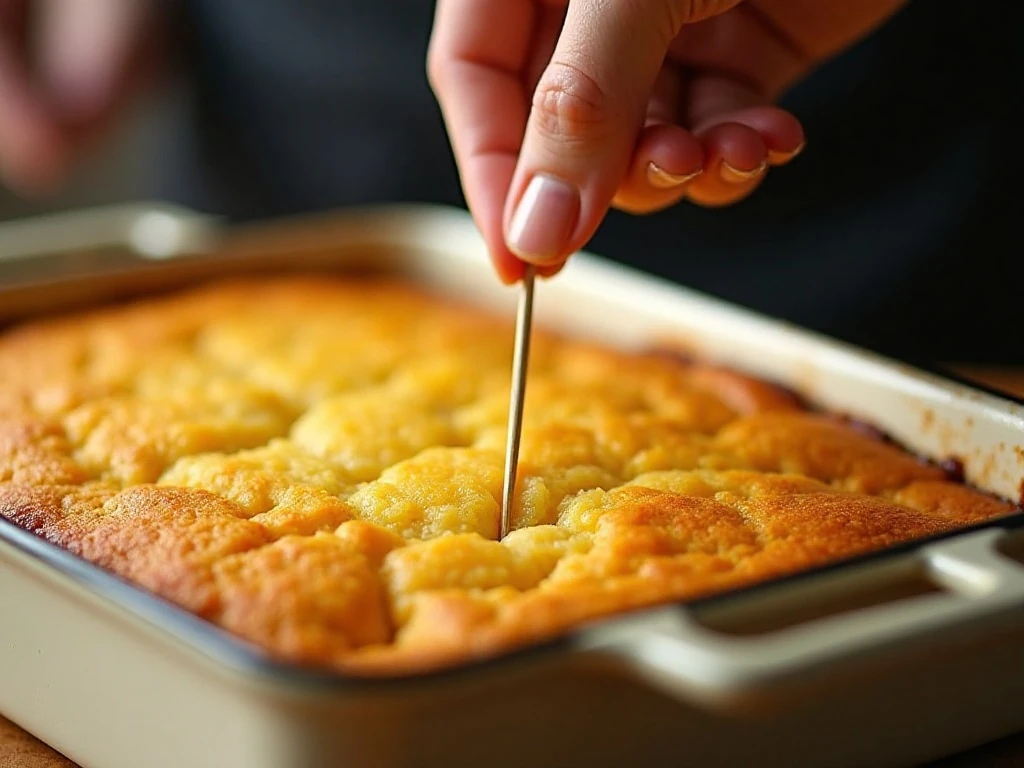
Step 7: Bake for approximately 30 to 35 minutes, watching for a golden top and set center. A toothpick inserted in the middle should come out with only a few moist crumbs, not wet batter.
Step 8: Let the cornbread cool briefly before slicing. Serve the squares warm, when the buttery aroma and soft crumb are at their best.
Pro Tips for Tender Cornbread
The most important technique is to stop mixing as soon as the dry ingredients disappear. Flour develops structure as it is stirred, and too much mixing can produce a heavy or chewy crumb instead of the soft texture you want.
Let melted butter cool slightly before combining it with the eggs. Very hot butter can partially cook the eggs, while slightly warm butter blends smoothly with the sugar and creates a cohesive batter.
Use a toothpick rather than relying on color alone. The top should be golden, but the center is ready when the tester shows a few moist crumbs; a completely dry toothpick may indicate that the cornbread has baked longer than necessary.
For a crispier edge, preheat a greased cast-iron skillet and pour in the batter carefully. Because a shallow skillet can bake more quickly than a 9 x 13-inch dish, begin checking the cornbread slightly earlier than the 30-minute mark.
For another cozy pairing, spoon a square beside a bowl of homemade tomato soup. The sweet, buttery cornbread is especially good for dipping into a smooth, savory soup.
Serving Ideas
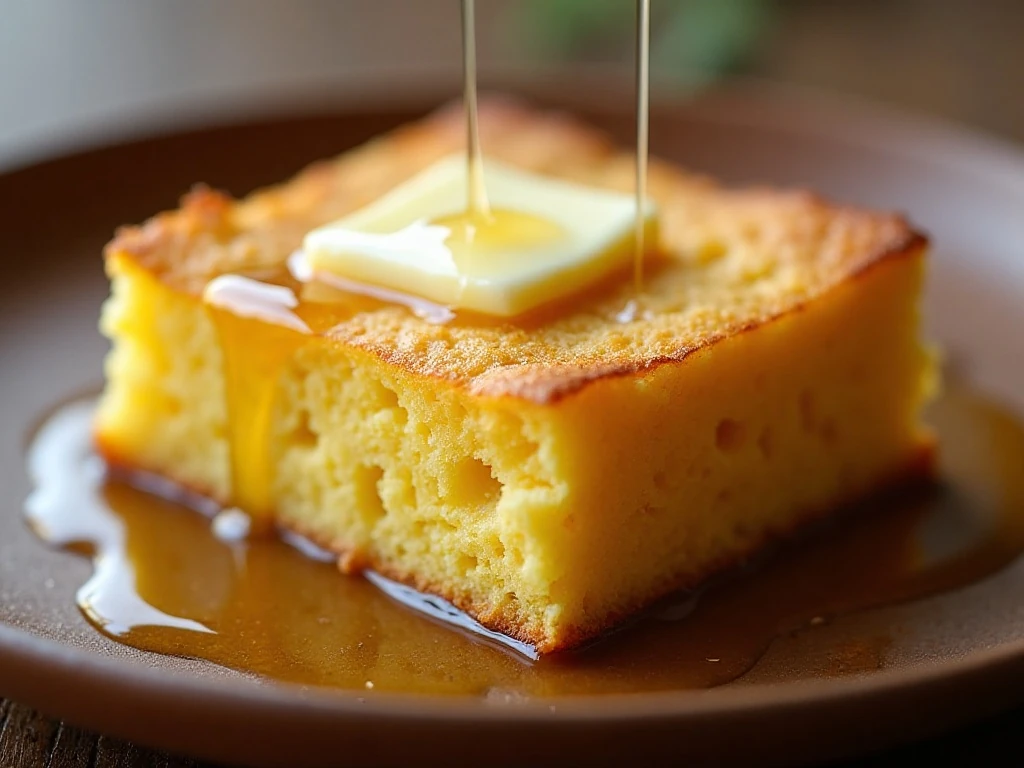
Serve this cornbread warm with butter, or let guests add honey if they enjoy extra sweetness. It is also excellent with a spoonful of chili, baked beans, greens, roasted vegetables, or pulled pork.
The mild sweetness makes it flexible enough for breakfast, lunch, dinner, and holiday menus. For a casual brunch spread, place the squares beside creamy egg salad and fresh fruit.
For a complete comfort-food table, pair it with saucy chicken, a crisp green salad, and a warm vegetable side. It also fits nicely beside classic chicken Parmesan, where its tender crumb can soak up a little extra sauce.
Storage and Reheating
Allow leftover cornbread to cool before covering it. Store it at room temperature for a short period if serving soon, or refrigerate it in a tightly covered container for longer keeping.
Reheat individual squares gently so the crumb remains moist. A brief warming in the oven or microwave works well, and adding butter just before serving brings back its rich, freshly baked character.
If you are preparing a mixed dessert table after dinner, keep the cornbread separate from sweet baked goods such as these rolled sugar cookies so their flavors and textures stay distinct.
The Best Moist Buttermilk Cornbread Recipe
Ingredients
Method
- Heat the oven to 375°F and grease a 9 x 13-inch baking dish. Melt the salted butter and let it cool slightly.
- Whisk the granulated sugar into the slightly cooled melted butter. Beat in the eggs until the mixture is smooth.
- Stir the baking soda into the buttermilk, then add the buttermilk mixture to the butter mixture. Mix until evenly blended.
- Add the yellow cornmeal, all-purpose flour, and salt. Stir just until the dry ingredients disappear, taking care not to overmix.
- Pour the batter into the prepared baking dish and smooth the surface if needed. Bake for approximately 30 to 35 minutes.
- Check the cornbread when the top is golden and a toothpick inserted in the center comes out with only a few moist crumbs. Cool briefly before slicing and serving.
Notes
Final Thoughts
This moist buttermilk cornbread recipe earns its place in any home cook’s regular rotation because it is quick, dependable, and full of comforting flavor. Melted salted butter, real buttermilk, yellow cornmeal, and a careful hand with the flour create a tender square with a beautifully golden top.
Remember the simple formula: prepare the 9 x 13-inch dish, mix the wet ingredients, add the dry ingredients without overmixing, and bake at 375°F for 30 to 35 minutes. Let it cool briefly, slice it into about 12 servings, and serve it warm with your favorite savory meal.
Whether it accompanies soup on a chilly evening, joins a holiday spread, or lands beside a family-style dinner, this cornbread brings buttery sweetness and a soft homemade crumb to the table. Once you taste the tender center and crisp edges, you may find yourself making it whenever a meal needs a little extra comfort.