This easy homemade buttermilk lemon bread recipe makes one tender 9 x 5-inch loaf in about 15–20 minutes of preparation and 50–60 minutes of baking. The batter needs no yeast, kneading, or rising, so you can have a fragrant lemon quick bread cooling on your counter with very little effort.
Every slice has a soft, moist crumb, bright fresh lemon flavor, and a gentle tang from buttermilk. Finish the completely cooled loaf with a simple powdered sugar and lemon juice glaze for a thin, sweet topping that makes this bread perfect for breakfast, brunch, afternoon tea, or dessert.
Jump to RecipeWhy You’ll Love This Recipe

This buttermilk lemon bread is the kind of bake that feels special without requiring complicated pastry skills. It uses everyday ingredients, comes together in one mixing session, and bakes into a beautiful golden loaf with a delicate lemon aroma.
Buttermilk gives the bread moisture and a mild tang while helping create a tender crumb. Fresh lemon zest supplies much of the citrus flavor, and the lemon juice adds brightness and acidity without making the loaf sharp or sour.
There is no kneading or rising because this is a quick bread rather than a yeast bread. Serve it plain for a simple snack, or add the optional glaze when you want a sweet, glossy finish.
If you enjoy sweet breakfast baking, you may also like our soft homemade honey buns for another comforting treat.
Ingredients You’ll Need
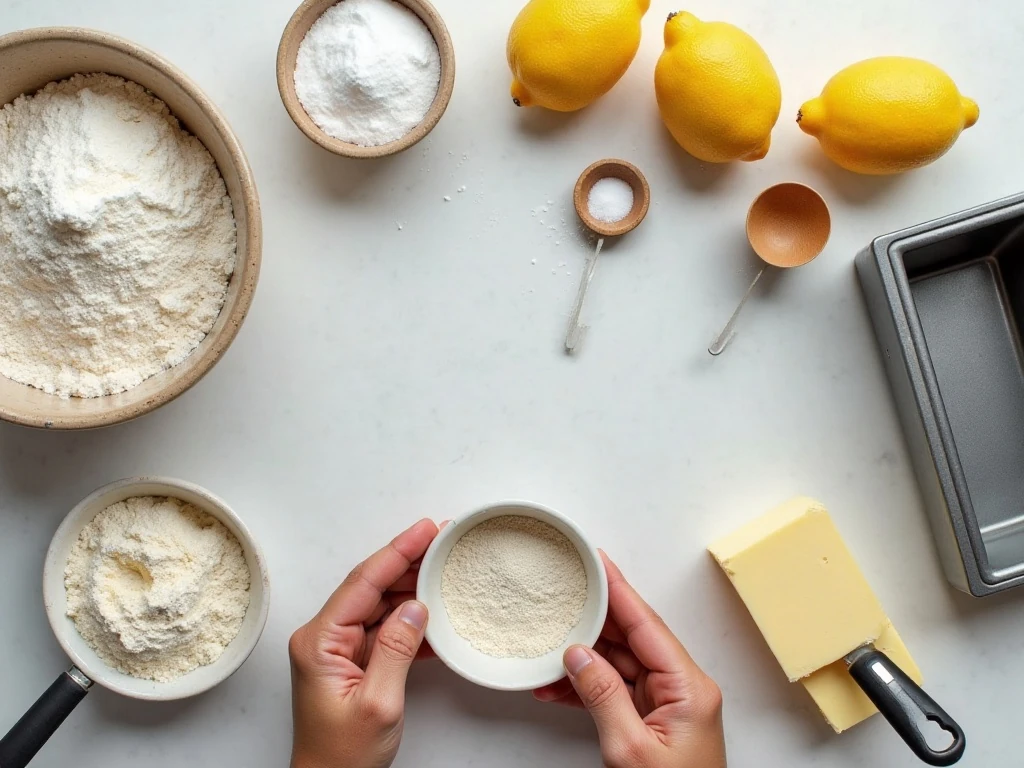
Gather the ingredients before mixing so the batter can be prepared efficiently. Room-temperature eggs blend more easily with the creamed butter, although the recipe will still work if your eggs are slightly cool.
- All-purpose flour: Use 1 1/2 cups, or about 190 g, for the structure of the loaf.
- Baking powder: One teaspoon provides the needed lift.
- Salt: A half teaspoon balances the sweetness and sharpens the lemon flavor.
- Unsalted butter and sugar: Creaming 1/2 cup softened butter with 1 cup sugar creates a light base.
- Eggs: Two large eggs add richness, moisture, and structure.
- Lemon: Use the zest of one lemon, approximately 1 tablespoon, plus 2 tablespoons of fresh juice.
- Buttermilk: A half cup adds moisture and a gentle tang.
For the optional glaze, combine 1 cup powdered sugar with 1–2 tablespoons fresh lemon juice. Add the juice gradually so you can stop when the icing reaches a smooth, pourable consistency.
For another fruit-forward loaf to serve beside this one, take a look at our cranberry bliss bread.
How to Make It Step-by-Step

Step 1: Heat the oven to 350°F (175°C), then prepare a 9 x 5-inch loaf pan by greasing and flouring it. You can also line the pan with parchment paper, leaving a little overhang to make lifting the baked loaf easier.
Step 2: Whisk the flour, baking powder, and salt together in a medium bowl. This distributes the leavening and salt evenly, helping every slice bake with a consistent texture.
Step 3: Place the softened butter and granulated sugar in a separate bowl and beat for approximately 2–3 minutes. Stop when the mixture looks lighter in color and fluffy, since this helps give the quick bread a pleasing texture.
Step 4: Beat in the eggs one at a time, allowing the first egg to blend in before adding the second. Mix in the lemon zest and fresh lemon juice so the citrus is distributed throughout the butter mixture.
Step 5: Add the dry ingredients in portions, alternating with the buttermilk. Mix only until no dry streaks remain; overmixing at this stage can make the finished loaf dense rather than tender.
Step 6: Spread the batter evenly in the prepared pan and smooth the surface with a spatula. The batter will be thick enough to hold its shape, so take a moment to push it into the corners.
Step 7: Bake for 50–60 minutes, until the top is golden and a toothpick inserted near the center comes out clean or with a few moist crumbs. Begin checking toward the end of the baking range, since loaf pans and ovens can vary.
Step 8: Let the bread cool in the pan for about 10 minutes before transferring it to a wire rack. Cooling briefly in the pan helps the loaf set, while the rack prevents excess steam from softening the sides.
Step 9: Make the glaze by whisking the powdered sugar with 1–2 tablespoons lemon juice, adding the juice gradually until it is pourable. Drizzle it over the loaf only after the bread has cooled completely so the icing stays on top instead of melting into the crumb.
Chef’s Tips for a Tender Loaf
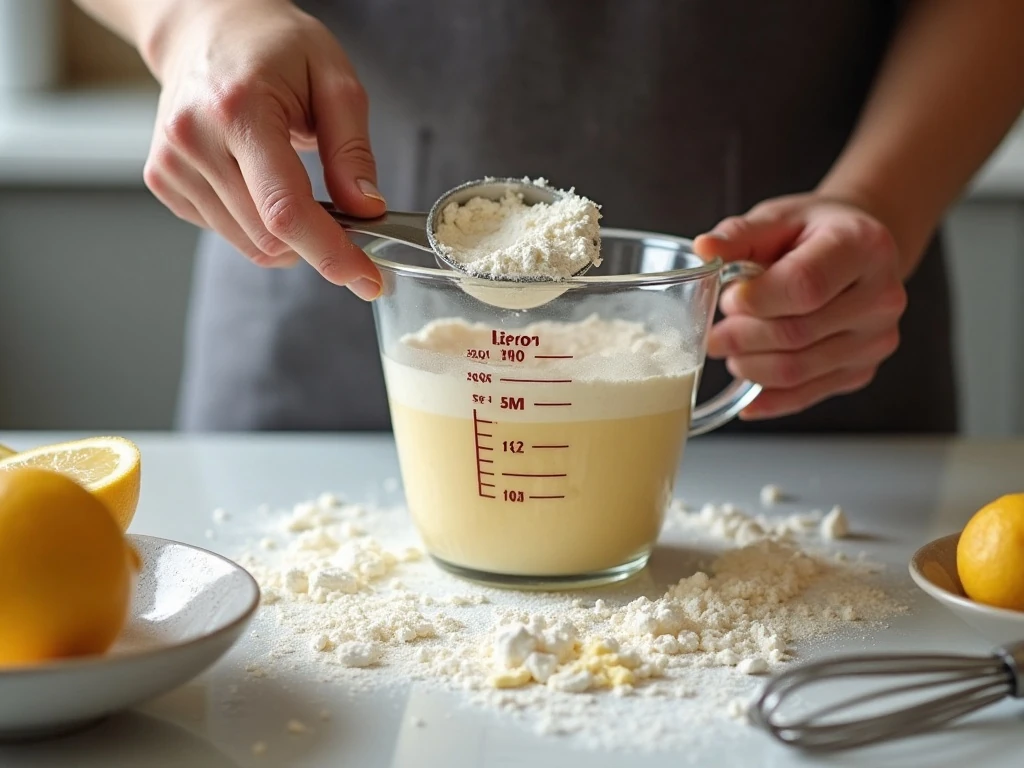
The most important flour tip is to spoon it into a measuring cup and level the top with a straight edge. Scooping directly from a flour container can pack in extra flour, which may leave the bread dry or heavy.
Use softened butter rather than melted butter for the creaming step. Soft butter traps air with the sugar, while melted butter changes the batter texture and does not create the same light base.
Fresh lemon zest is essential because it contains the fragrant citrus oils that provide much of the loaf’s lemon flavor. Zest only the yellow outer layer and avoid the white pith underneath, which can taste bitter.
Do not judge doneness by the color of the crust alone. Test near the center with a toothpick, looking for a clean pick or a few moist crumbs, then allow the loaf to cool fully before slicing.
This lemon bread makes a lovely brunch centerpiece alongside savory dishes. For a heartier gathering, our easy lasagna roll ups can provide a main course before slices of lemon bread are served with coffee.
Glazing, Slicing, and Serving

The optional glaze adds a bright, sweet contrast to the lightly tangy loaf. Whisk the powdered sugar and lemon juice in a small bowl, adding just enough juice to create an icing that flows slowly from a spoon.
Place the fully cooled loaf on a rack or serving board before drizzling. Let the glaze sit for a few minutes so it can firm slightly, then use a sharp serrated knife to cut the bread into approximately 10–12 slices.
Serve slices at room temperature with coffee, tea, or a cold glass of milk. The bread is also delicious with fresh berries, a spoonful of yogurt, or a little softened butter.
Storage and Make-Ahead Advice

Once completely cool, cover the unglazed loaf and keep it at room temperature for a short period of storage. If you add the glaze, store the covered bread according to your preferred food-safety practice, and refrigerate it for longer keeping.
For the best texture, let refrigerated slices sit briefly at room temperature before serving. Slice only what you need so the remaining loaf retains moisture.
This bread is useful for brunch planning because it can be baked ahead and glazed shortly before serving. If you are preparing a larger spread, pair the sweet loaf with a savory dish such as our garlic butter shrimp with asparagus.
Common Questions
Can I make this without the glaze? Yes. The loaf is flavorful on its own because the batter contains both lemon zest and fresh lemon juice, while the glaze adds an extra layer of sweetness and citrus.
Why did my loaf turn out dense? The most common causes are overmeasuring the flour or overmixing after the dry ingredients are added. Spoon and level the flour, and stop mixing as soon as no dry streaks remain.
How do I know when it is baked? Insert a toothpick near the center of the loaf after 50 minutes. It should come out clean or with a few moist crumbs, not wet batter.
What can I serve for a savory meal before dessert? A slow-cooked appetizer or main dish works well for a casual gathering; our slow cooker meatballs are an easy option for a party table.

Easy Homemade Buttermilk Lemon Bread
Ingredients
Method
- Heat the oven to 350°F (175°C). Grease and flour a 9 x 5-inch loaf pan, or line it with parchment paper.
- Whisk the flour, baking powder, and salt together in a medium bowl.
- In a separate bowl, cream the softened butter and granulated sugar for approximately 2–3 minutes, until light and fluffy.
- Beat in the eggs one at a time, then mix in the lemon zest and fresh lemon juice.
- Add the flour mixture in portions, alternating with the buttermilk. Mix only until combined, being careful not to overmix.
- Spread the batter evenly in the prepared loaf pan.
- Bake for 50–60 minutes, until the top is golden and a toothpick inserted near the center comes out clean or with a few moist crumbs.
- Cool the loaf in the pan for about 10 minutes, then transfer it to a rack to cool completely.
- For the optional glaze, whisk the powdered sugar with enough lemon juice to make a pourable icing. Drizzle it over the completely cooled loaf.
Notes
Final Thoughts
This easy homemade buttermilk lemon bread is a reliable way to bring fresh citrus flavor to the table without making a yeast dough. The tender crumb comes from the balanced combination of softened butter, eggs, buttermilk, and carefully measured flour.
For the brightest result, use fresh lemon zest and juice, mix gently once the flour is added, and check the center carefully before removing the loaf from the oven. Cooling the bread completely is just as important because it allows the crumb to finish setting and keeps the optional glaze beautifully visible.
Slice it for breakfast, pack it for an afternoon snack, or serve it as a light dessert after a family meal. Once you make it, this golden lemon loaf is likely to become a favorite recipe whenever you want an uncomplicated homemade bake.