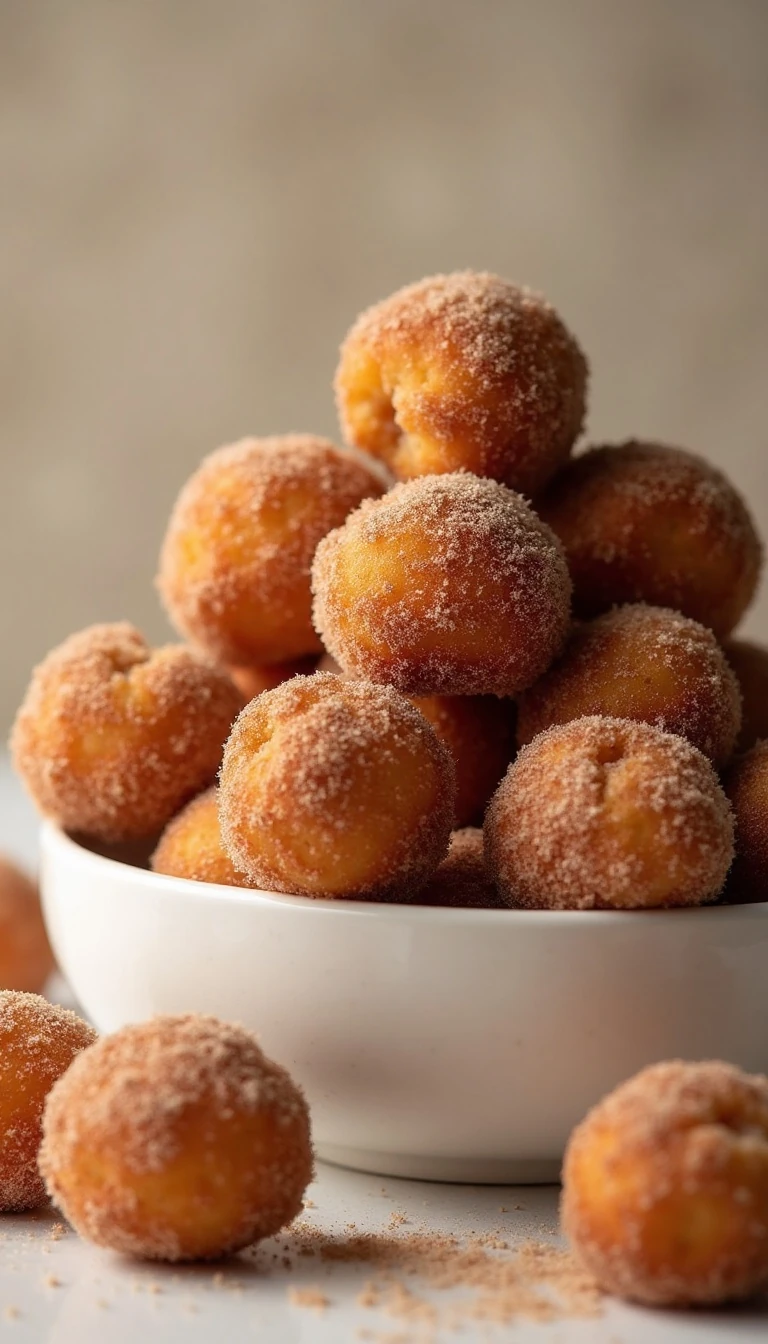
This easy donut holes recipe makes about 24–30 tender, fried cake-style treats in roughly 30 minutes. The thick, lightly spiced batter comes together with all-purpose flour, sugar, baking powder, egg, whole milk, melted butter, and vanilla, then fries in 350°F oil until puffed and golden.
Each bite has a delicate crisp outside, a soft cakey center, and a generous coating of cinnamon sugar. They are wonderful for breakfast, afternoon coffee, weekend brunch, or any time you want a quick homemade sweet that everyone can enjoy.
Jump to RecipeWhy You’ll Love This Recipe
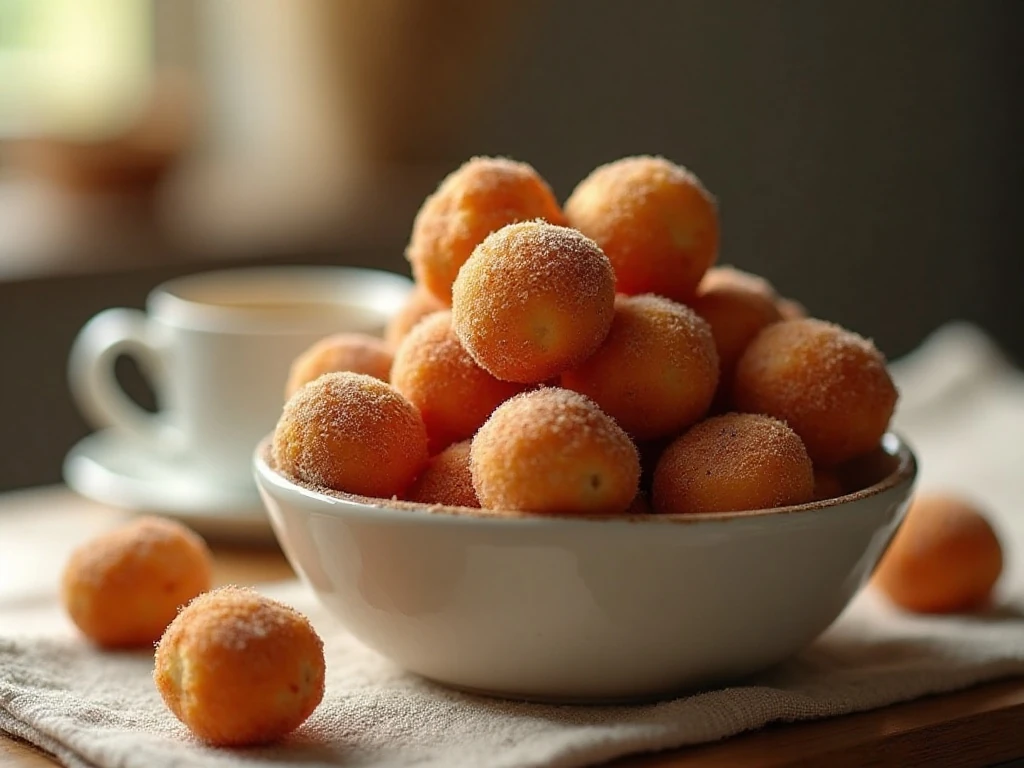
There is something especially inviting about a bowl of warm donut holes dusted with cinnamon sugar. They have the familiar comfort of a classic cake donut, but their small size makes them easy to fry, coat, share, and enjoy without committing to a full-sized pastry.
This recipe is friendly to beginner cooks because it does not require yeast, kneading, rolling, or a long rise. Mix the batter, let it rest briefly, fry small portions, and finish them while warm for a sweet treat with a beautifully crisp surface and tender center.
The optional nutmeg adds a traditional bakery note, while vanilla and melted butter give the crumb a rich, pleasant flavor. If you are planning a larger breakfast spread, these pair nicely with savory dishes such as our easy ravioli pizza.
- Fast: The full recipe takes about 30 minutes.
- Simple: The batter uses everyday baking ingredients.
- Shareable: One batch makes about 24–30 donut holes.
- Customizable: Use cinnamon sugar, powdered sugar, or another favorite finish.
Ingredients You’ll Need
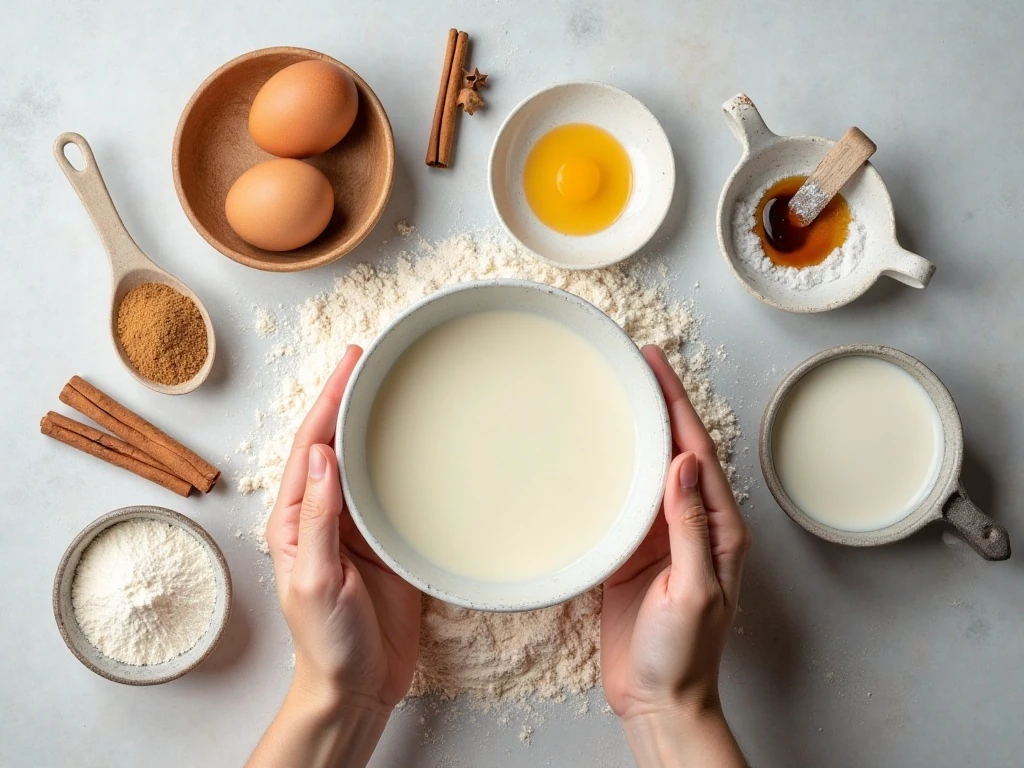
The base of these donut holes is a straightforward cake-style batter. All-purpose flour provides structure, while baking powder creates the light puff that makes the centers soft rather than heavy.
Granulated sugar sweetens the batter and also forms the sparkling coating. Whole milk helps create a rich, spoonable mixture, and the egg adds structure and tenderness as the batter cooks.
Melted unsalted butter contributes a rounded flavor, and vanilla gives the donut holes a familiar bakery aroma. Nutmeg is optional, but even a small amount adds gentle warmth without making the flavor strongly spiced.
- Measure the flour carefully for the best texture.
- Use melted butter that has cooled slightly so it does not dangerously heat the egg mixture.
- Choose vegetable, canola, or peanut oil with a neutral flavor.
- Prepare the cinnamon-sugar bowl before frying begins.
For another sweet bite with seasonal flavor, you can also try pumpkin spice cream cheese donut holes when you want a different style of treat.
How to Make It Step-by-Step
Step 1: Whisk the flour, sugar, baking powder, salt, and optional nutmeg together in a medium mixing bowl. Breaking up any pockets of baking powder now helps distribute the leavening evenly through every small piece.
Step 2: In a separate bowl, whisk the egg, whole milk, melted butter, and vanilla until blended. The butter should be melted and slightly cooled before it joins the other wet ingredients.
Step 3: Add the wet ingredients to the dry ingredients and stir only until no large streaks of dry flour remain. A few small lumps are perfectly fine, because overmixing can make the finished donut holes dense or tough.
Step 4: Allow the thick, slightly sticky batter to stand for about 5 minutes. During this short rest, combine the cinnamon and sugar in a shallow bowl and begin heating the frying oil.
Step 5: Pour vegetable, canola, or peanut oil into a heavy saucepan or deep fryer until it reaches a depth of 2–3 inches, usually 4–6 cups. Heat the oil to exactly 350°F (175°C), checking with a thermometer rather than judging by appearance alone.
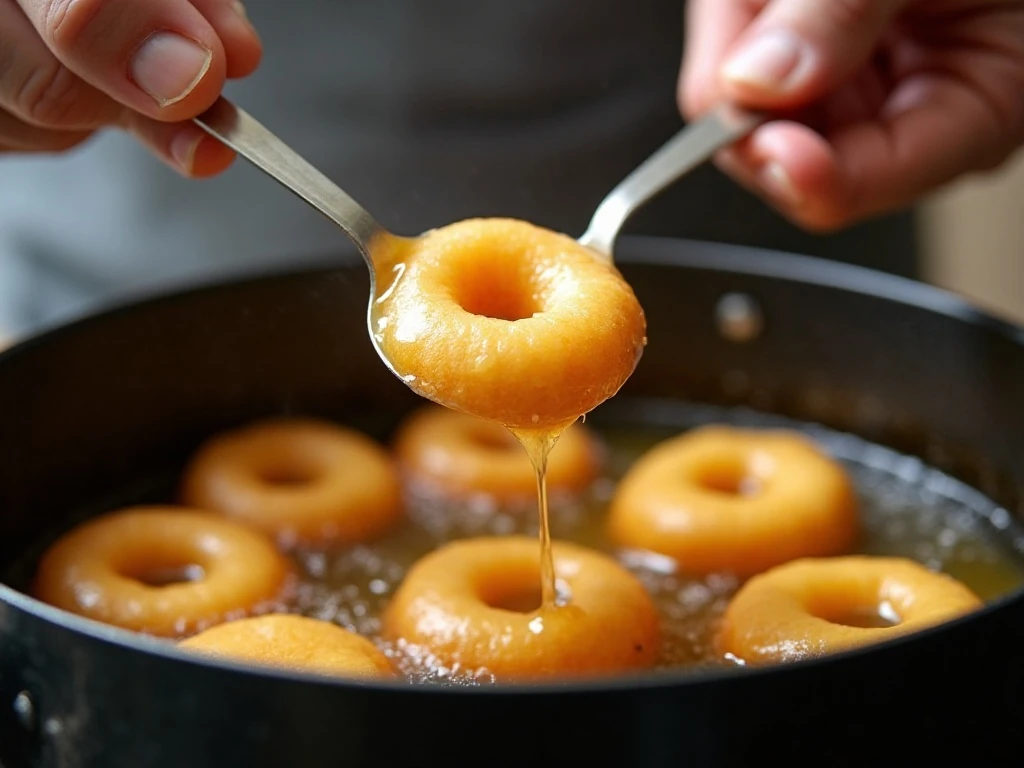
Step 6: Use a small cookie scoop, rounded teaspoon, or small tablespoon to portion the batter. If using two teaspoons, lightly oil them so the sticky batter releases more easily and the pieces stay fairly uniform.
Step 7: Carefully drop the portions into the hot oil without overcrowding the pan. Fry for approximately 2–3 minutes, turning the donut holes several times with a slotted spoon so all sides become evenly golden brown.
Step 8: Move the cooked donut holes to a paper-towel-lined rack or tray to drain briefly. While they are still warm, toss them in the cinnamon sugar so the coating clings to the lightly crisp exterior.
Pro Tips for Perfect Donut Holes

Temperature control is the most important part of frying. Oil that is too cool allows the batter to absorb excess oil, producing greasy donut holes, while oil that is too hot can brown the outside before the centers are fully cooked.
Use a thermometer and allow the oil to return to 350°F between batches. Adding too much batter at once lowers the temperature, so smaller batches generally produce a more consistent result.
Keep the pieces similar in size so they finish at the same time. A small cookie scoop is convenient, but two lightly oiled teaspoons work well if that is what you have available.
- Do not overmix the batter; small lumps are preferable to a tough texture.
- Do not overcrowd the pot, because the donut holes need room to turn.
- Turn each piece several times for an even golden color.
- Coat the donut holes while warm for the best cinnamon-sugar coverage.
- Use a heavy pot with enough room for the oil to bubble safely.
Always fry carefully and keep the pot on a stable burner. Never leave hot oil unattended, and let it cool completely before transferring or discarding it.
Serving Ideas and Flavor Variations
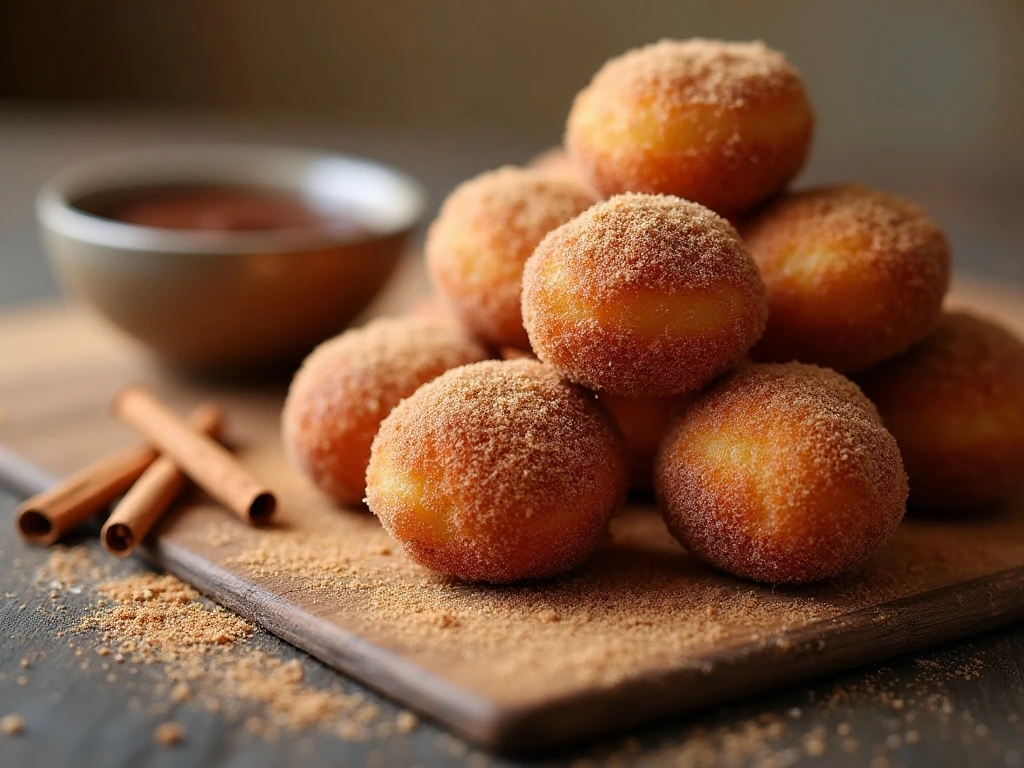
These donut holes are at their best shortly after frying, when the edges are crisp and the centers are still warm. Serve them in a bowl with coffee, tea, hot chocolate, or a simple glass of cold milk.
The cinnamon-sugar coating is classic, but you can make small changes without altering the batter. Toss some of the batch in plain granulated sugar, dust others with powdered sugar after they cool slightly, or add a little extra cinnamon for a more pronounced spice flavor.
For a dessert table, arrange the donut holes on a platter with small bowls of chocolate sauce, caramel sauce, or fruit preserves for dipping. They also make a fun finish after a cozy meal such as this comforting chicken Marsala soup.
If you are serving brunch, place the donut holes in a lined basket and coat them just before guests arrive. The recipe is also easy to double, although you should still fry in small batches rather than filling the pot too full.
Storage and Reheating
For the best texture, enjoy the donut holes the day they are made. Once completely cool, store leftovers in an airtight container at room temperature for a short period, keeping them away from steam and moisture that can soften the coating.
To warm them, place the donut holes in a low oven just until heated through. Avoid overheating, since extended heat can dry the centers and make the cinnamon sugar melt unevenly.
If you have leftover cinnamon sugar, keep it in a covered container and use it on toast, oatmeal, or buttered muffins. Leftover frying oil should be cooled fully, strained if appropriate, and handled according to local disposal guidance.
For a chilled dessert idea to serve after the donut holes, our root beer float pie offers a creamy contrast to the warm, crisp pastries.
Easy Donut Holes Recipe Everyone Will Love
Ingredients
Method
- Whisk the flour, granulated sugar, baking powder, salt, and optional nutmeg in a medium bowl. In a second bowl, whisk together the egg, whole milk, melted butter, and vanilla.
- Pour the wet mixture into the dry ingredients and stir just until combined. The batter should be thick and slightly sticky, with a few small lumps remaining; do not overmix.
- Let the batter stand for about 5 minutes while the oil heats. Combine the cinnamon and sugar in a shallow bowl so the coating is ready as soon as the donut holes are fried.
- Pour enough oil into a heavy saucepan or deep fryer to create a 2–3-inch depth, usually 4–6 cups, and heat it to 350°F (175°C). Use a thermometer to keep the temperature steady.
- Drop rounded teaspoons or small tablespoon portions of batter into the hot oil, working in batches so the pan is not crowded. Fry for approximately 2–3 minutes, turning several times, until puffed and evenly golden brown.
- Transfer the cooked donut holes to a paper-towel-lined rack or tray. While they are still warm, toss them in the cinnamon-sugar mixture and serve.
Notes
Final Thoughts
This easy donut holes recipe proves that a memorable homemade treat does not need a complicated dough or hours of preparation. With a quick cake-style batter, carefully heated oil, and a warm cinnamon-sugar finish, you can create about 24–30 golden bites in around 30 minutes.
Remember the essentials: stir gently, portion consistently, fry at 350°F, and work in batches. Those small details protect the tender center and crisp outside that make these donut holes so irresistible.
Make them for a relaxed breakfast, a family snack, or a casual gathering, and serve them while they are warm. Once the first batch disappears, you may find that this simple recipe becomes a regular favorite in your kitchen.