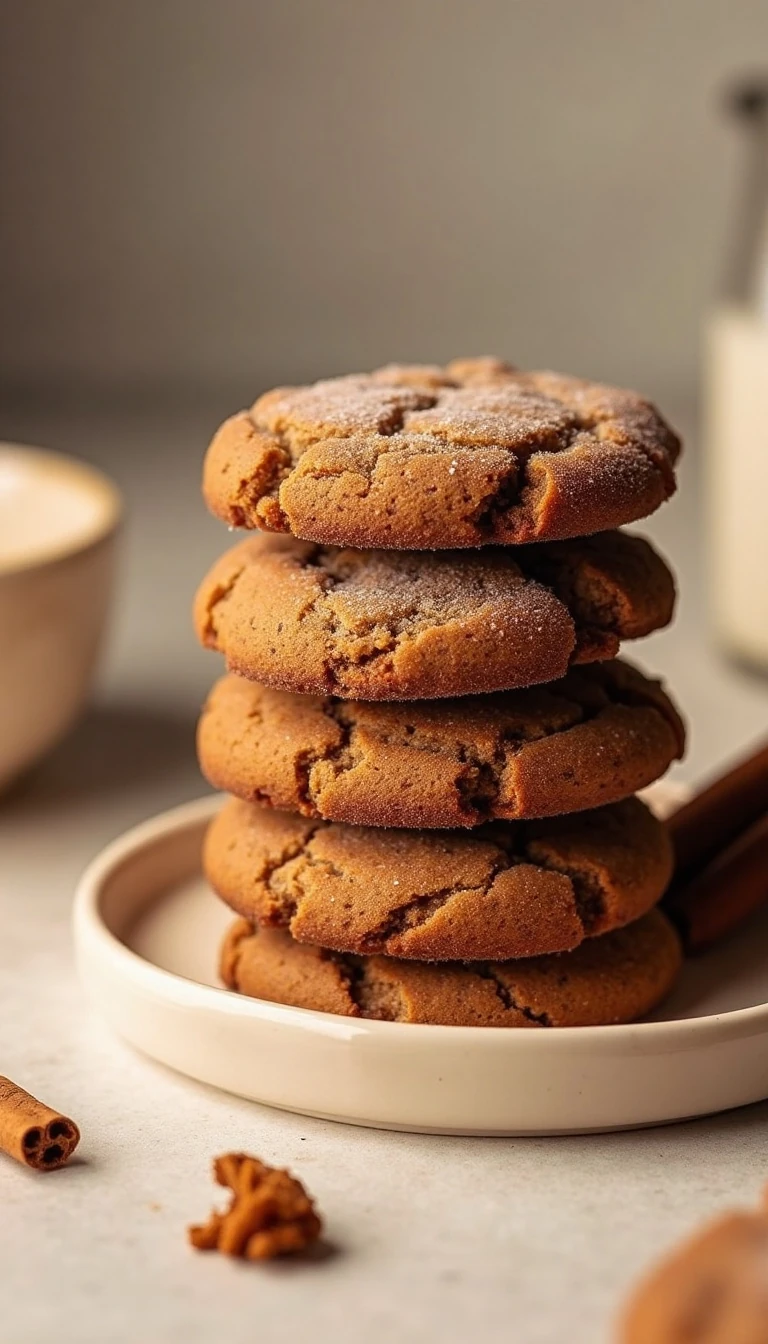
This soft and chewy molasses cookies recipe makes about 24–30 warmly spiced cookies with crackled sugar-coated tops, set edges, and tender centers. The dough comes together in about 20 minutes, chills for 30–60 minutes, and bakes at 350°F (175°C) for 9–12 minutes per batch.
Each cookie has a rich brown-sugar sweetness, deep unsulphured molasses flavor, and a cozy blend of cinnamon, ginger, and cloves. The secret to their soft texture is simple: chill the dough, measure the flour carefully, and remove the cookies while the centers still look slightly soft and puffed.
Jump to RecipeWhy You’ll Love This Recipe
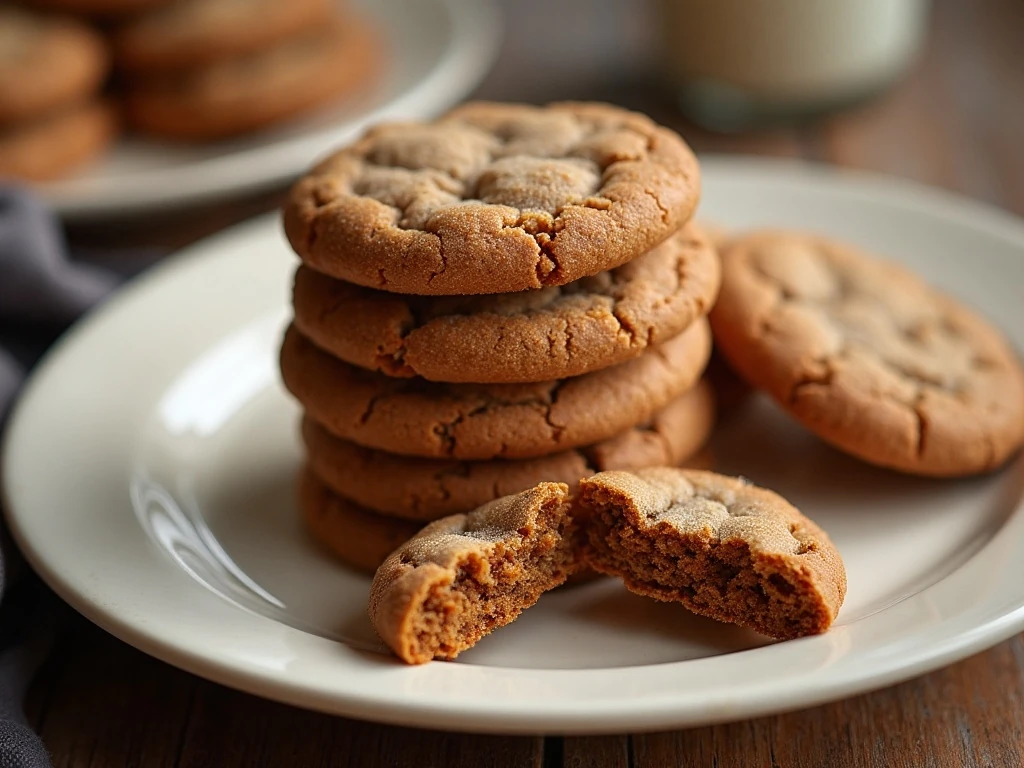
These cookies are made for anyone who loves a bakery-style molasses cookie with a soft bite and a little crispness around the edges. The outside develops a delicate sugar crust, while the inside stays moist, chewy, and warmly fragrant.
The flavor is full without being overwhelming. Brown sugar adds extra moisture, molasses brings a dark caramel note, and the cinnamon, ginger, and cloves create a balanced spice profile that tastes especially inviting with coffee, tea, or a cold glass of milk.
This is also a practical cookie recipe for holiday trays, bake sales, lunch boxes, and casual afternoon treats. The dough can be prepared ahead, chilled, scooped, and baked in batches as needed.
- Yield: About 24–30 cookies
- Prep time: 20 minutes
- Chill time: 30–60 minutes
- Bake time: 9–12 minutes per batch
- Oven temperature: 350°F (175°C)
Ingredients You’ll Need
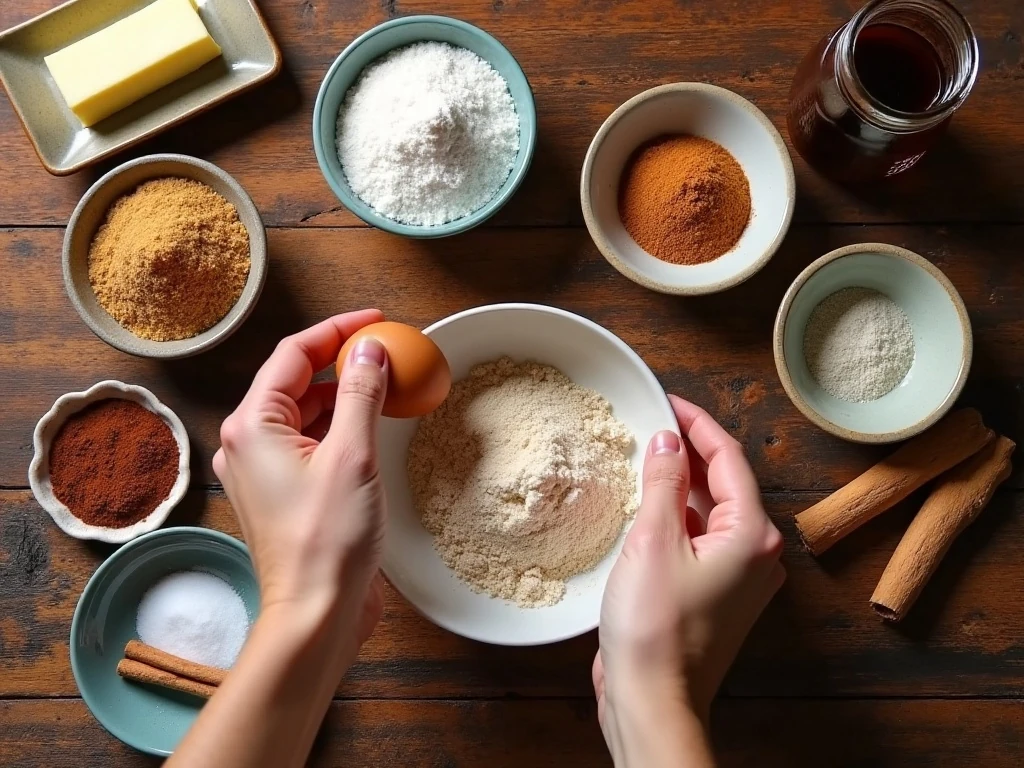
Start with softened unsalted butter so it can cream smoothly with the sugars. The butter should be soft enough to press with a fingertip but not melted, since melted butter can make the dough spread too quickly.
Use both granulated sugar and packed light brown sugar. Granulated sugar helps create the crisp, sparkling coating, while brown sugar contributes moisture and a pleasantly chewy texture.
Choose regular unsulphured molasses for a mellow, classic flavor. Avoid blackstrap molasses in this recipe because it is much more bitter and can make the finished cookies taste harsh.
The dry ingredients are simple but important: all-purpose flour, baking soda, cinnamon, ginger, cloves, and salt. If possible, weigh the flour as 281 grams, or spoon it into measuring cups and level the top rather than scooping directly from the bag.
- Softened unsalted butter
- Granulated sugar for the dough and for rolling
- Packed light brown sugar
- One large egg
- Unsulphured molasses
- All-purpose flour
- Baking soda and salt
- Ground cinnamon, ginger, and cloves
How to Make It Step-by-Step
Step 1: Whisk the flour, baking soda, cinnamon, ginger, cloves, and salt together in a medium bowl. Mixing these ingredients before they meet the wet mixture helps distribute the leavening and spices evenly through every portion of dough.
Step 2: Place the softened butter, granulated sugar, and packed light brown sugar in a large bowl. Beat until the mixture looks light and creamy, scraping the sides of the bowl once or twice so no butter pockets remain.
Step 3: Beat in the large egg until the mixture is smooth. Add the molasses and mix again until the wet ingredients are evenly blended and the batter has a glossy, deep brown appearance.
Step 4: Add the dry ingredients gradually, mixing on low speed or stirring by hand after each addition. Stop as soon as no obvious streaks of flour remain, because overmixing can make the cookies less tender.
Step 5: Cover the dough and refrigerate it for 30–60 minutes. This resting time firms the butter, makes the dough easier to scoop and roll, and helps prevent excessive spreading in the oven.
Step 6: While the dough chills, heat the oven to 350°F (175°C) and line baking sheets with parchment paper. Place extra granulated sugar in a shallow bowl so the cookie dough can be coated evenly.
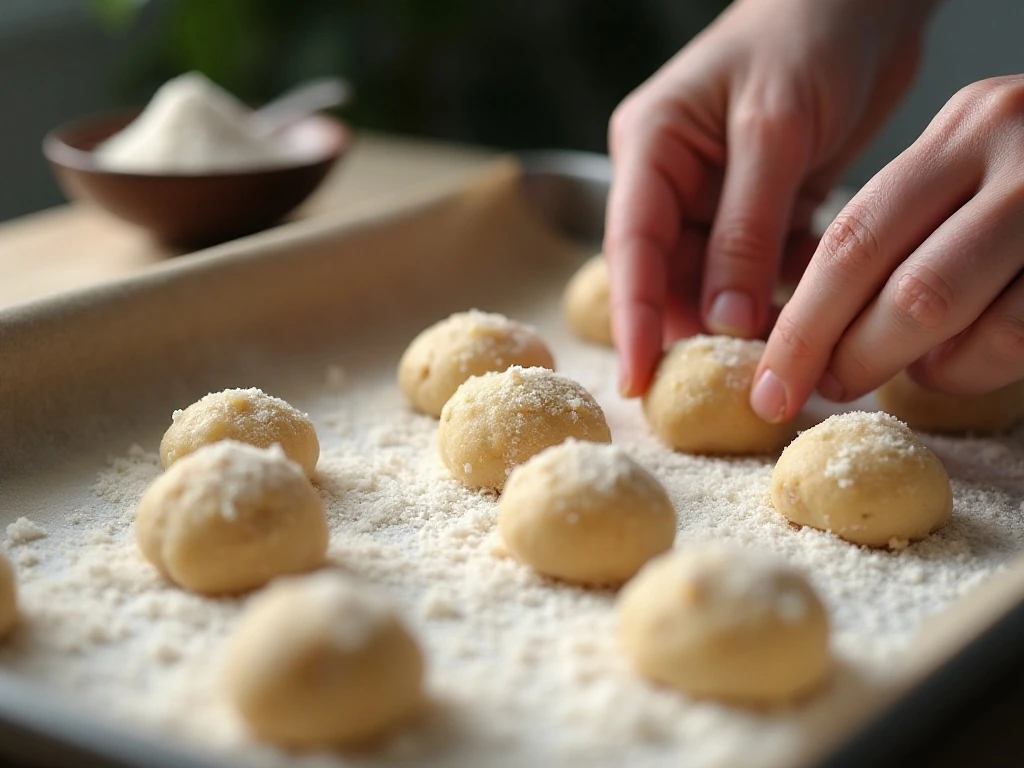
Step 7: Scoop the chilled dough into 1 1/2-tablespoon portions and roll each portion between your palms into a smooth ball. Roll each ball generously in granulated sugar immediately before baking for a more noticeable crackled surface.
Step 8: Arrange the sugared dough balls on the prepared baking sheets, leaving about 2 inches between cookies. The space allows the cookies to spread without touching and helps the edges bake evenly.
Step 9: Bake for 9–12 minutes, watching closely toward the end of the baking time. The edges should look set, while the centers should still appear slightly soft and puffed; this is the visual cue that protects their chewy texture.
Step 10: Let the cookies cool on the baking sheet for about 5 minutes. Transfer them to a wire rack, where they will firm as they cool while remaining soft in the middle.
Pro Tips for Soft Cookies
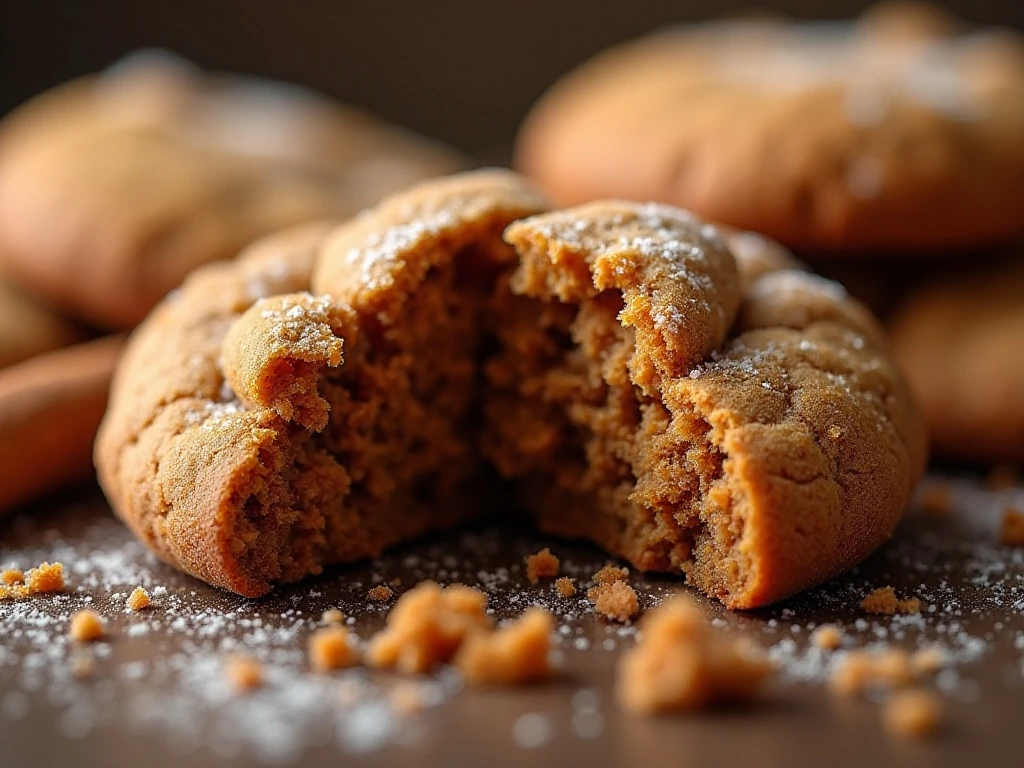
The most important rule is to avoid overbaking. Molasses cookies may look slightly underdone when they come out of the oven, but the residual heat from the baking sheet continues to cook the centers during the first few minutes of cooling.
Chilling time affects the final shape. A full 60-minute chill is helpful when your kitchen is warm or when you want thicker cookies, while a shorter chill may be enough if the dough is already firm and easy to handle.
Roll the dough in sugar immediately before placing it on the baking sheet. The coating stays bright and textured when it goes straight from the bowl to the oven, creating the familiar crackled finish.
Keep the cookies a consistent size by using a tablespoon-sized scoop. Portions of about 1 1/2 tablespoons bake at a similar rate, so you are less likely to have some cookies overbake while others are still pale.
- Use room-temperature butter that is softened, not melted.
- Measure flour by weight whenever possible.
- Use regular unsulphured molasses rather than blackstrap.
- Leave about 2 inches between dough balls.
- Remove the cookies when the centers are still soft and puffed.
- For a stronger sugar crust, use coarse or sanding sugar for rolling.
Storage and Serving
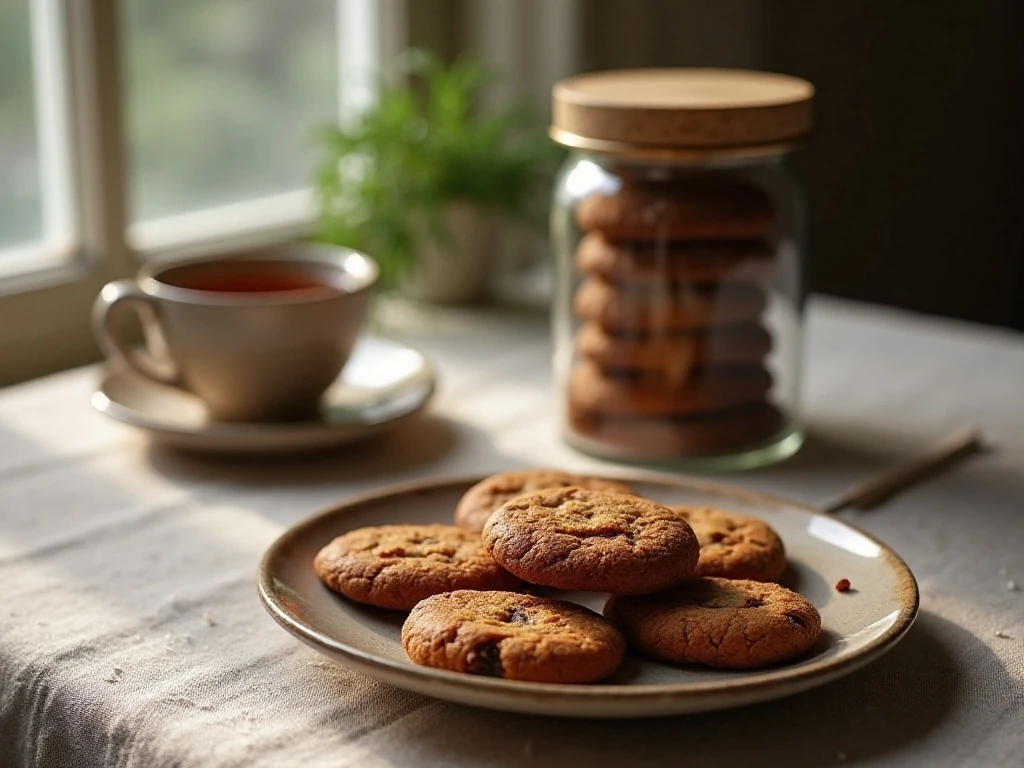
Let the cookies cool completely before storing them so trapped warmth does not create excess moisture in the container. Place them in an airtight container at room temperature and enjoy them within several days for the best texture.
If the cookies seem slightly firmer after storage, allow them to sit at room temperature before serving. Their flavor is particularly good alongside black tea, coffee, hot chocolate, or a scoop of vanilla ice cream.
For a cookie platter, arrange them with other simple treats in contrasting shapes and colors. Their crinkled tops and warm brown color make them look festive without requiring icing or decoration.
Common Questions
Why did my cookies spread too much? The butter may have been too warm, the dough may not have chilled long enough, or the flour may have been undermeasured. Chill the dough thoroughly and use the stated 281 grams of flour for a reliable dough consistency.
Why are my cookies dry? Too much flour and overbaking are the usual causes. Spoon and level the flour or weigh it, and take the cookies out when the edges are set but the centers still look soft.
Can I use blackstrap molasses? It is not recommended for this recipe. Regular unsulphured molasses has the balanced sweetness and depth needed for a pleasant cookie, while blackstrap can taste harsh and bitter.
Can I make the spice flavor stronger? You can adjust the cinnamon and ginger within a moderate range to suit your taste, but keep cloves more restrained because their flavor is especially powerful. The listed amounts create a warm, balanced cookie.
Soft and Chewy Molasses Cookies
Ingredients
Method
- Whisk the flour, baking soda, cinnamon, ginger, cloves, and salt together in a medium bowl until evenly combined.
- Beat the softened butter, granulated sugar, and packed light brown sugar until light and creamy. Add the egg and beat until incorporated, then mix in the unsulphured molasses.
- Add the dry ingredients gradually, mixing only until a soft dough forms. Cover the bowl and refrigerate the dough for 30–60 minutes.
- Heat the oven to 350°F (175°C) and line baking sheets with parchment paper. Scoop the dough into 1 1/2-tablespoon portions, roll each into a ball, and coat generously in granulated sugar.
- Arrange the dough balls about 2 inches apart on the prepared baking sheets. Bake for 9–12 minutes, until the edges are set and the centers remain slightly soft and puffed.
- Cool the cookies on the baking sheet for about 5 minutes before transferring them to a rack. They will firm as they cool while keeping their chewy centers.
Notes
Final Thoughts
This soft and chewy molasses cookies recipe delivers everything a classic spiced cookie should have: a sparkling crackled crust, buttery edges, a tender center, and deep molasses flavor. The method is straightforward, but careful chilling and timely baking make all the difference.
For the best batch, use unsulphured molasses, measure the flour accurately, and trust the slightly-soft-center test rather than waiting for the cookies to look fully firm. Once cooled, they will have the chewy texture that makes these cookies so hard to resist.
Make a batch for a holiday cookie exchange, a weekend baking project, or an ordinary afternoon that deserves something special. Keep a few aside for yourself, because the first warm, fragrant bite rarely lasts long.
1 thought on “Soft and Chewy Molasses Cookies Recipe”