This low-carb avocado brownie recipe actually works because it uses the avocado for moisture and richness without allowing its flavor to take over. One ripe avocado, eggs, almond butter, cocoa powder, coconut flour, and an allulose-based sweetener create 16 small brownies that bake in just 20 to 25 minutes at 350°F (175°C).
The finished brownies are dense, moist, and deeply chocolatey with a fudgy center rather than a cake-like crumb. Blend the avocado completely smooth, avoid overbaking, and let the brownies cool for at least 20 to 30 minutes so they can firm up into an irresistible low-carb dessert.
Jump to RecipeWhy You’ll Love This Recipe
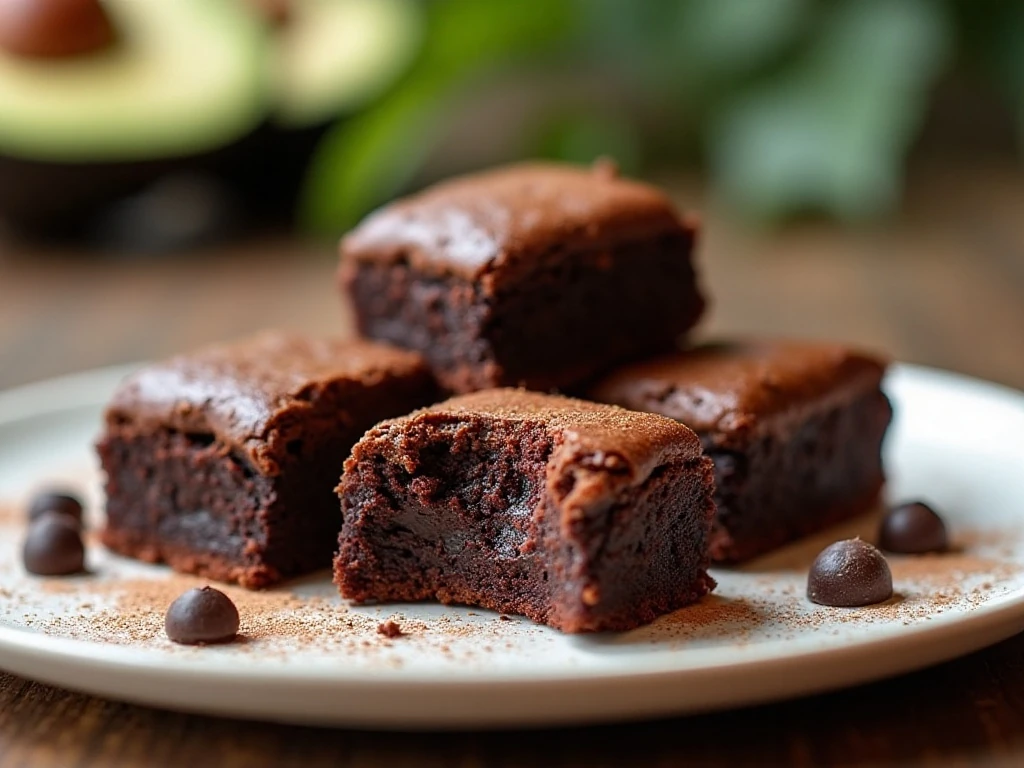
Avocado brownies can sound questionable until you taste a properly made batch. In this formula, the avocado does not need to taste like avocado; it acts as a creamy source of moisture and fat that helps produce a rich brownie without relying on wheat flour or a large amount of traditional butter.
The chocolate flavor comes from a generous half cup of unsweetened natural cocoa powder, while almond butter adds body and a gentle roasted nuttiness. Vanilla and salt round out the cocoa, and optional sugar-free chocolate chips create little pockets of melted chocolate throughout the crumb.
This recipe is also pleasantly simple. The wet ingredients go into a food processor first, the dry ingredients are added afterward, and the thick batter goes directly into one parchment-lined pan.
If you enjoy comparing brownie textures, our classic brownie guide is a useful companion when you want a more traditional version.
Ingredients You’ll Need
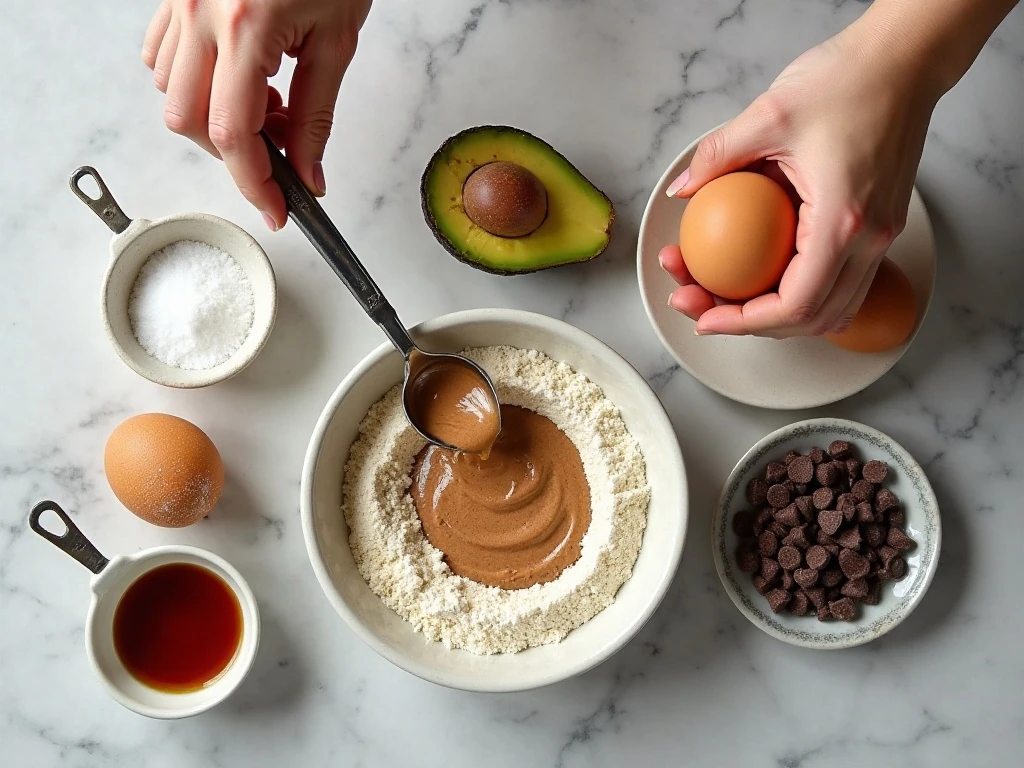
Choose ingredients with texture in mind, because every component affects the final fudgy bite. The avocado should be ripe enough to blend smoothly but still fresh, with green flesh and no strong browned or sour notes.
- Avocado: Use one medium avocado, yielding about 5–6 ounces of flesh or approximately 1/2 cup mashed.
- Eggs: Two room-temperature eggs help the batter blend evenly and support the brownies as they set.
- Almond butter: Smooth, unsweetened almond butter provides richness and structure. Stir it well if the jar has separated.
- Sweetener: A granulated low-carb sweetener is needed for sweetness and texture. An allulose-based blend is preferred for a softer, fudgier result.
- Cocoa powder: Use unsweetened natural cocoa powder so the brownies retain their bold chocolate character without added sugar.
- Coconut flour: The small amount absorbs moisture and gives the brownies enough structure. It is not interchangeable with almond flour in equal volume.
- Flavor and lift: Vanilla, baking soda, and fine sea salt keep the flavor balanced and the texture from becoming heavy.
- Chocolate chips: Sugar-free chocolate chips are optional, but they make the brownies especially appealing for serious chocolate lovers.
For another quick low-carb baking idea, you can also see how low-carb mug bread uses a carefully measured flour blend to achieve the right structure.
How to Make It Step-by-Step

Step 1: Heat the oven to 350°F (175°C), then line an 8-inch square metal pan with parchment paper. Leave a little paper overhanging the sides so the cooled brownie slab can be lifted out cleanly without scraping the pan.
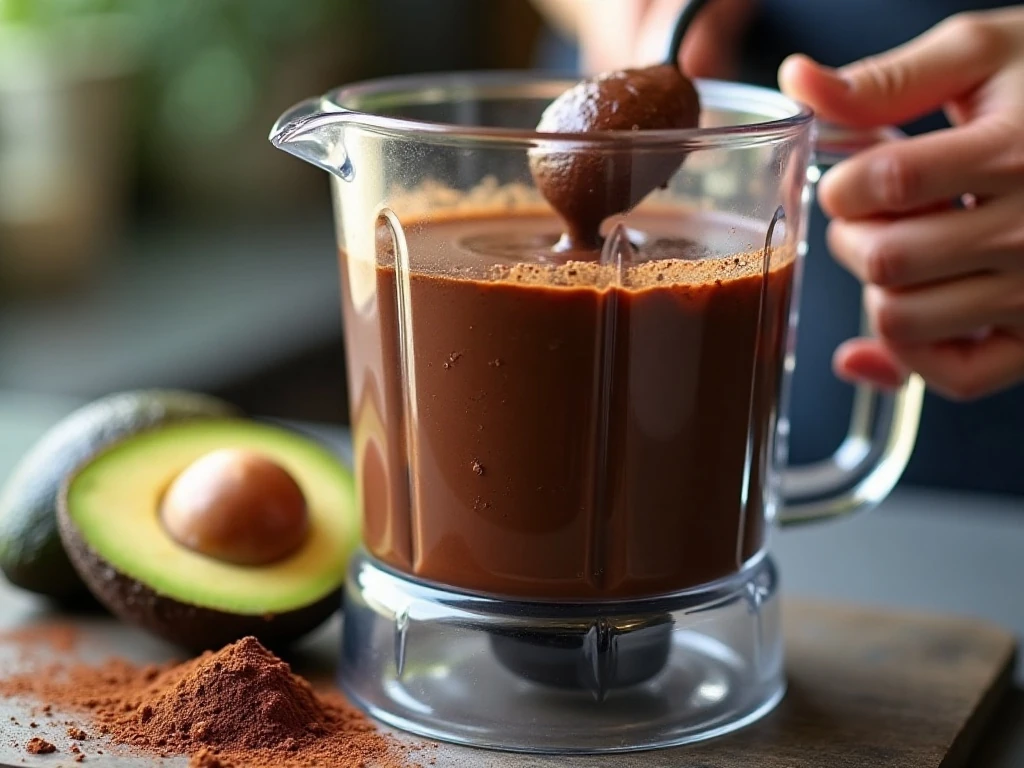
Step 2: Cut the avocado in half, remove the pit, and scoop the flesh into a food processor or blender. Add the eggs, almond butter, low-carb sweetener, and vanilla, then process until completely smooth, stopping to scrape the sides when necessary.
Step 3: Take time to inspect the blended mixture before adding the dry ingredients. Any visible avocado pieces can create uneven pockets and may leave a vegetal flavor, while a smooth mixture disappears beautifully behind the cocoa.
Step 4: Add the cocoa powder, coconut flour, baking soda, and salt to the processor. Pulse or blend just until no dry streaks remain, since overmixing can make the batter less tender and unnecessarily dense.
Step 5: Fold in the sugar-free chocolate chips by hand if you are using them. Stir gently and briefly so the chips remain evenly distributed without working the batter more than needed.
Step 6: Scrape the thick batter into the parchment-lined pan and spread it into an even layer. A small offset spatula or the back of a spoon makes it easier to reach the corners and keep the thickness consistent.
Step 7: Bake for 20–25 minutes, checking toward the earlier end of the range if your pan or oven runs hot. The center should be just set, and a toothpick should show moist crumbs rather than wet batter; a completely clean toothpick usually means the brownies have gone too far.
Step 8: Let the brownies cool in the pan for at least 20–30 minutes before lifting and slicing. Cooling is part of the recipe, not an afterthought, because the interior continues setting and becomes noticeably firmer and fudgier.
Pro Tips for Fudgy Avocado Brownies
The avocado is the ingredient that determines whether this dessert tastes polished or distracting. Pick one that yields gently when pressed, but avoid fruit that is deeply browned, watery, or developing an off aroma.
Blend the wet ingredients until they are truly silky. A quick mash with a fork is not enough for this recipe because small avocado pieces may remain green, taste vegetal, and interrupt the otherwise smooth brownie texture.
Do not substitute coconut flour with almond flour cup-for-cup. Coconut flour absorbs substantially more liquid, so changing the flour can make these brownies greasy, loose, or under-set even when the baking time appears correct.
Sweetener choice matters as well. Allulose or a blend containing allulose generally gives the softest, most brownie-like finish, while erythritol-based sweeteners can create a slightly drier texture or a cooling, crystalline sensation after the brownies chill.
Watch the center rather than waiting for a perfectly clean toothpick. These brownies should be slightly underbaked when they leave the oven because they continue to set during cooling; overbaking is the most common reason avocado brownies turn dry.
For a balanced meal before dessert, our avocado tuna salad offers another savory way to use ripe avocado.
Storage and Serving Suggestions
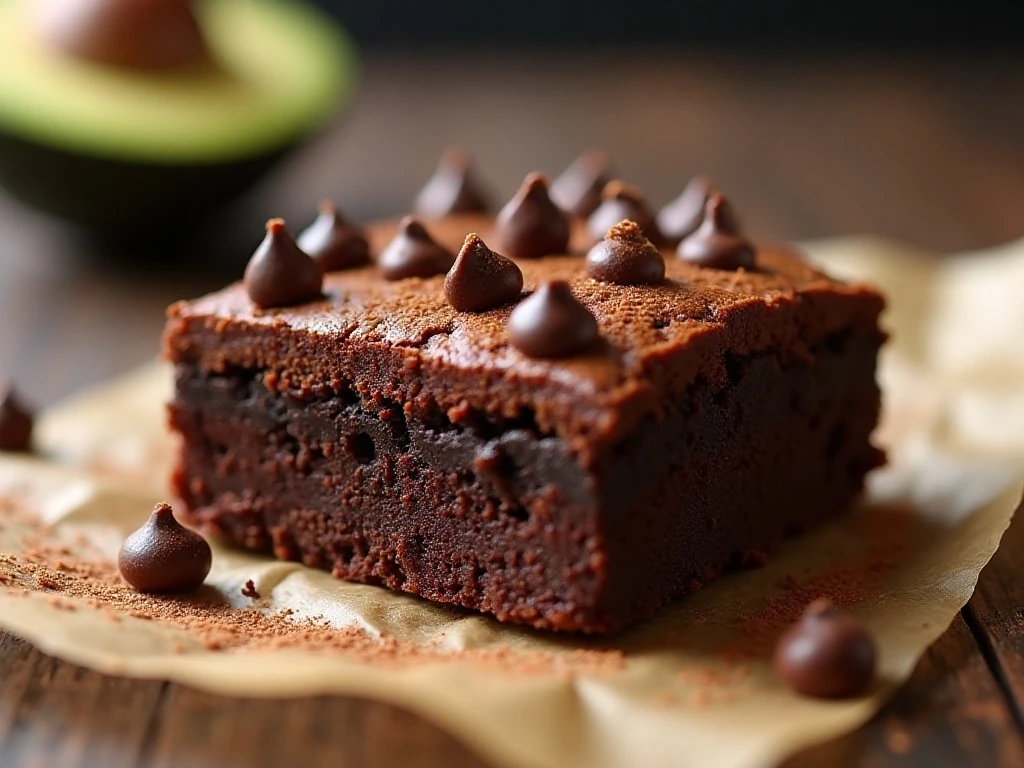
Once completely cool, cut the brownies into 16 small pieces. Their compact size makes them ideal for a dessert tray, lunchbox treat, or a small after-dinner portion when you want chocolate without a large slice.
Store leftovers in an airtight container according to your preferred texture. At room temperature they remain convenient and soft, while refrigeration makes them firmer and even more fudge-like.
For the best visual finish, let chilled brownies sit briefly before serving. The cocoa aroma opens up as they warm slightly, and the center becomes pleasantly dense instead of hard.
Serve them plain, or add a light dusting of cocoa powder just before eating. If you are preparing a dessert spread, the contrast between these dark chocolate squares and a traditional custard bread pudding creates an inviting mix of textures.
Troubleshooting Common Problems
Brownies taste like avocado: The fruit may have been underripe, overripe, or insufficiently blended. Use a fresh, very ripe avocado and process the wet mixture until no pieces remain.
Brownies are dry: They were likely baked too long or sliced before they finished cooling. Remove them when the center is just set and the toothpick has moist crumbs.
Brownies are greasy or loose: Check that coconut flour was used in the stated amount and that the avocado measurement was close to approximately 1/2 cup mashed. Ingredient substitutions can change the balance of moisture and absorption.
Brownies have a cooling finish: This can come from an erythritol-heavy sweetener. An allulose-based blend is the preferred option for a softer texture and cleaner finish.
Keep the rest of the menu fresh and crisp with a Danish-style cucumber salad alongside lunch or dinner, then finish with one of these rich little brownies.
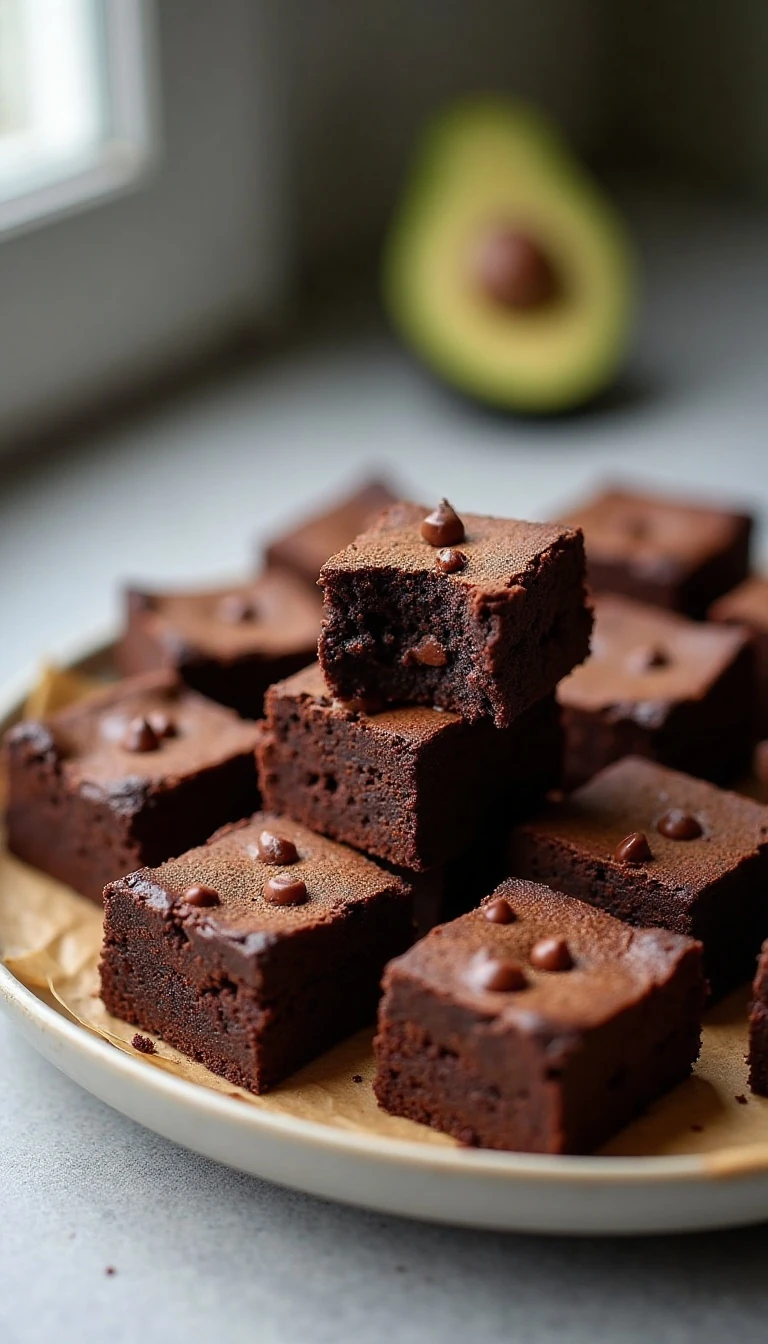
Low-Carb Avocado Brownies
Ingredients
Method
- Heat the oven to 350°F (175°C). Line an 8-inch square metal baking pan with parchment paper, leaving enough overhang on two sides to lift out the cooled brownies.
- Halve the ripe avocado, remove the pit, and scoop about 5–6 ounces of flesh into a food processor or blender. Add the eggs, almond butter, low-carb sweetener, and vanilla, then process until completely smooth, scraping down the sides as needed.
- Add the cocoa powder, coconut flour, baking soda, and salt. Pulse or blend only until the batter is uniform; do not overmix.
- Fold in the sugar-free chocolate chips if using. Spread the thick batter evenly into the prepared pan.
- Bake for 20–25 minutes, until the center is just set and a toothpick inserted in the middle comes out with moist crumbs rather than wet batter.
- Cool the brownies in the pan for at least 20–30 minutes before lifting them out and slicing into 16 small pieces. They become firmer and fudgier as they cool.
Notes
Final Thoughts
This low-carb avocado brownie recipe succeeds by treating avocado as a texture ingredient rather than a headline flavor. With smooth blending, the right coconut flour measurement, an allulose-based sweetener, and careful timing, it produces brownies that are moist, dark, dense, and satisfyingly fudgy.
Remember the three most important details: use a fresh ripe avocado, remove the brownies while the center still gives moist crumbs, and cool them for at least 20–30 minutes before slicing. Follow those steps and you will have a dependable batch of 16 small chocolate treats that taste like brownies first and avocado never.