This easy butternut squash baby food recipe uses one medium squash and a small amount of water, breast milk, or prepared formula to create a smooth, naturally sweet purée. Roast the squash at 400°F (200°C) for 45 to 60 minutes, scoop out the tender flesh, and blend it with thinning liquid until it reaches the right consistency for your baby.
The finished recipe makes about 2 to 3 cups of velvety purée, depending on the size of the squash and how much liquid you add. Roasting brings out a sweet, rich flavor without salt, sugar, or seasoning, making this a nourishing first-stage food and a thicker, more textured option for older babies.
Jump to RecipeWhy You’ll Love This Recipe

Homemade butternut squash baby food is one of the simplest purées to prepare, yet it tastes wonderfully rich and naturally sweet. The squash needs very little preparation, and roasting does most of the work while you take care of other tasks.
This recipe is also wonderfully flexible. You can blend it completely smooth for a baby beginning solids, or keep it a little thicker and less silky as your baby becomes comfortable with new textures.
There is no need for salt, sugar, herbs, or complicated ingredients. The creamy flesh of a ripe butternut squash has enough color, sweetness, and flavor to make a satisfying purée all on its own.
For more family-friendly cooking inspiration once your little one is eating alongside you, you can also browse our comforting shepherd’s pie recipe.
Ingredients You’ll Need
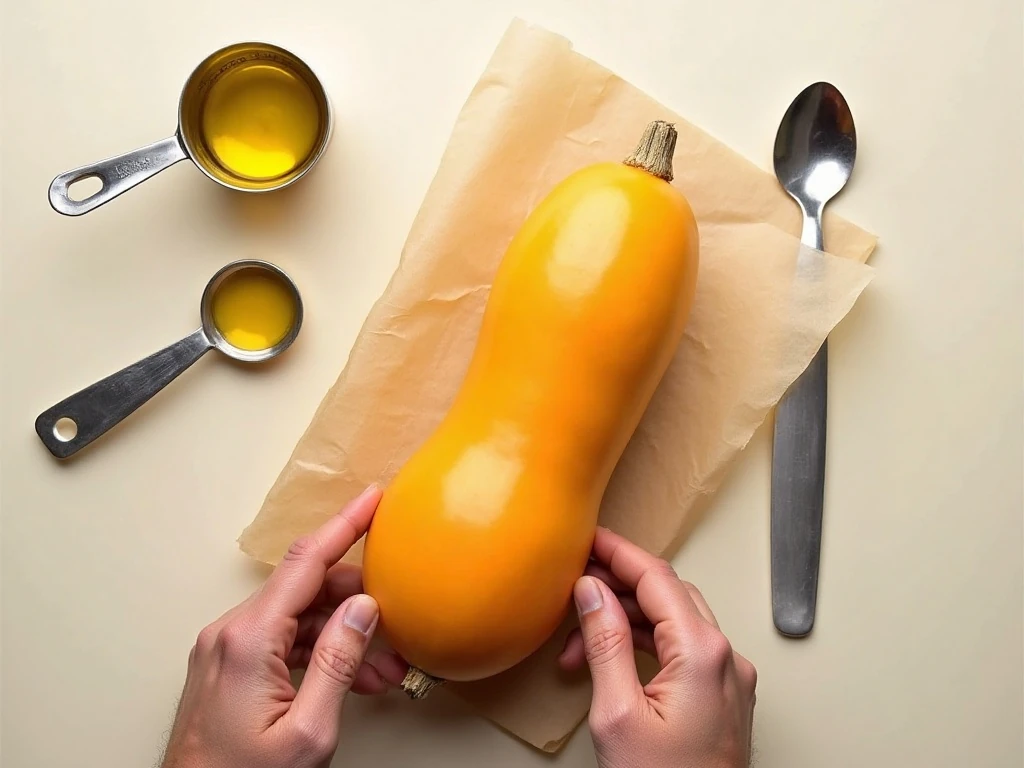
The ingredient list is short, which makes this recipe convenient for a first batch of homemade baby food. Choose a firm medium butternut squash weighing about 2 pounds, with smooth skin and no soft spots.
- 1 medium butternut squash: This provides about 2 to 3 cups of purée after roasting and blending.
- 1/4 to 1/2 cup liquid: Use water, breast milk, or prepared formula as needed. Add it gradually rather than pouring in the entire amount at once.
- 1 teaspoon olive oil, optional: Many baby-food versions roast the squash without oil, so feel free to leave it out.
Water is a practical choice for thinning and keeps the squash flavor very clear. Breast milk or prepared formula can be added after cooking if that is appropriate for your feeding routine, but do not cook either one in the oven.
A parchment-lined baking sheet makes cleanup easier and helps prevent the cut side of the squash from sticking. You may also add a small amount of water to the baking pan for gentle moisture during roasting.
How to Make It Step-by-Step
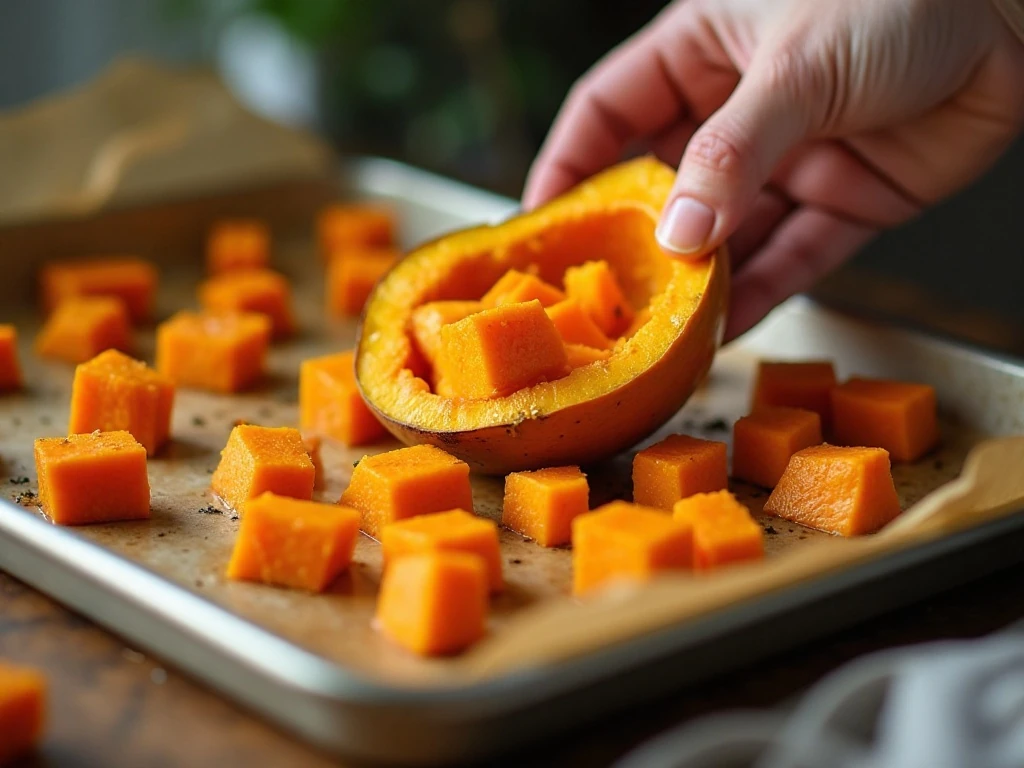
Step 1: Heat your oven to 400°F (200°C), then wash the squash under cool running water and pat it dry. Using a sturdy chef’s knife, carefully cut it in half lengthwise from the stem end to the base.
Step 2: Use a spoon to scoop out the seeds and the stringy fibers from each half. The cavity does not need to be perfectly spotless, but removing the loose fibers gives the finished purée a smoother consistency.
Step 3: Line a baking sheet with parchment and arrange the squash halves cut-side down. Add a small amount of water to the pan if desired, and use the optional teaspoon of olive oil only if you want it included.
Step 4: Roast the squash for 45 to 60 minutes. It is ready when the skin has softened and a fork slides easily into the thickest part of the flesh without resistance.
Step 5: Remove the baking sheet from the oven and let the squash cool until it is safe to handle. This cooling time matters because the flesh and trapped steam can be extremely hot immediately after roasting.
Step 6: Scoop the tender flesh from the skin and transfer it to a blender or food processor. Discard the skin, and check the bowl for any remaining seeds or tough fibers before blending.
Step 7: Blend the squash, adding water, breast milk, or prepared formula 1 tablespoon at a time. Pause to scrape down the sides as needed, and continue until the purée is as smooth and loose as your baby needs.
Step 8: Spoon a small amount into a serving bowl and allow it to cool to a suitable eating temperature. Store the remaining purée promptly in the refrigerator or freezer using the directions below.
The most important visual cue is tenderness, not an exact roasting minute. Squashes vary in size and thickness, so rely on the fork test to decide when the flesh is ready.
Texture, Serving, and Age Tips

For an early-stage purée, blend the roasted squash until completely smooth and add enough liquid to make it easy to swallow. A thin, silky texture is usually best when your baby is just learning how to move food around the mouth.
For an older baby, use less liquid and blend for a shorter time. The purée can remain slightly thicker, with a soft, spoonable texture that offers a gentle step toward more substantial foods.
- Start with a small spoonful and follow your baby’s hunger and fullness cues.
- Serve the purée plain at first so your baby can become familiar with its natural flavor.
- Always check the temperature before serving.
- Use clean utensils and a clean serving bowl, especially when storing leftovers.
Because every baby develops at a different pace, follow guidance from your pediatrician about introducing solids, appropriate textures, and possible allergens. This recipe contains no common seasoning additives, but preparation and feeding readiness are still important.
If you are planning a meal for the rest of the household, our easy minestrone soup is a cozy option to prepare while the squash roasts.
Roasting Versus Steaming
Roasting is the preferred method here because it concentrates the squash’s natural sweetness and generally produces a thicker purée. The cut-side-down arrangement also keeps the flesh tender while reducing the need for added liquid later.
Steaming is a useful quick alternative when you are short on time. Peel and cut the squash into 1-inch cubes, steam them for about 15 to 20 minutes until tender, and then blend with 1/4 to 1/2 cup of liquid as needed.
Steamed squash may taste a little lighter and contain more moisture than roasted squash. Both methods can produce a nutritious, soft purée, so choose the one that best fits your schedule and equipment.
For a busy evening meal after making a batch of baby food, our honey sesame chicken offers a separate family dinner idea.
Storage and Freezing Guide
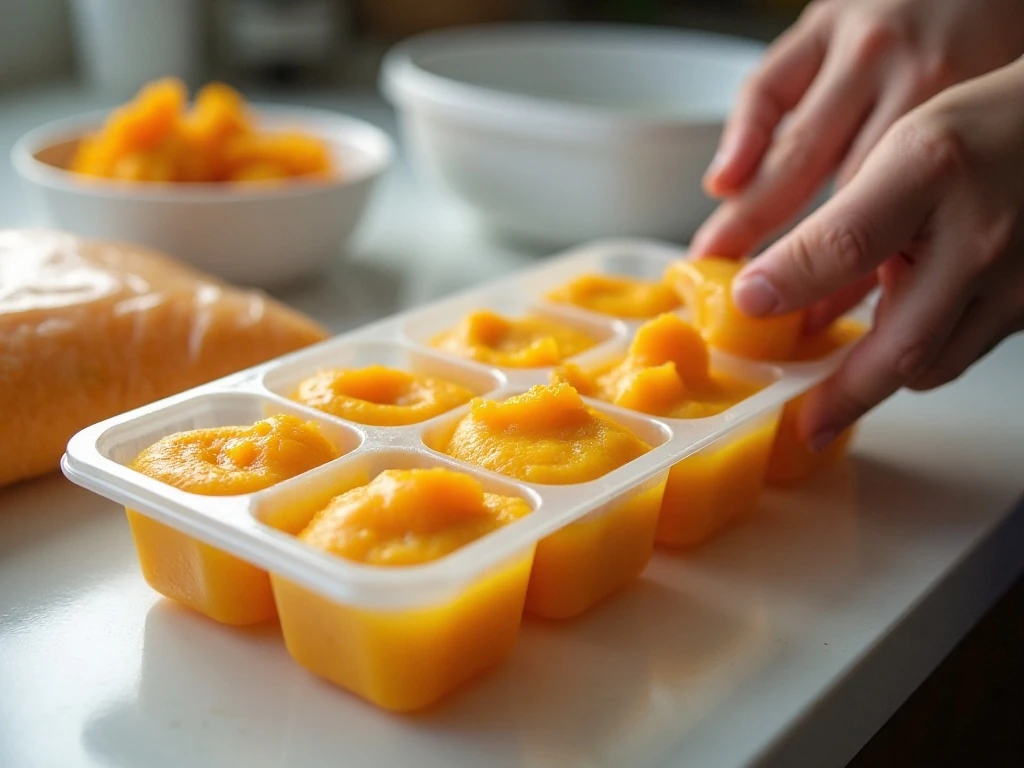
Transfer cooled purée to a covered container and refrigerate it for up to 3 days. Labeling the container with the preparation date makes it easier to use the oldest portion first.
For longer storage, spoon the purée into clean ice-cube trays in 1- to 2-tablespoon portions. Once frozen solid, transfer the portions to a sealed freezer bag or freezer-safe container and store them for about 2 to 3 months.
- Refrigerator: Keep covered for up to 3 days.
- Freezer: Freeze individual 1- to 2-tablespoon portions for about 2 to 3 months.
- Thawing: Thaw a portion in the refrigerator or warm it gently, then stir well and check the temperature.
- Serving safety: Do not return food from a serving bowl to the storage container after your baby has eaten from it.
Frozen cubes are convenient because you can thaw only what you need. If the purée seems thicker after chilling or freezing, stir in a little water, breast milk, or prepared formula before serving.
For another make-ahead family favorite, you can try our Cajun shrimp pasta while keeping the baby’s portion simple and unseasoned.
Simple Ways to Serve It
Butternut squash is delicious on its own, so plain purée is the best place to begin. Once your baby is accustomed to it and your pediatrician approves new combinations, you can use it as a base alongside other suitable foods.
Its thick, creamy texture can also be stirred into another mild vegetable purée. Keep any additions soft and age-appropriate, and introduce new ingredients one at a time when you want to observe how your baby responds.
As your child grows, this purée can become more than baby food. Use it as a naturally sweet vegetable side for the family, or serve it with a simple protein while adults enjoy something more boldly seasoned.
Save dessert inspiration for later with our delicious tiramisu, a treat made for grown-up diners rather than little ones.

Butternut Squash Baby Food Recipe Made Simple
Ingredients
Method
- Heat the oven to 400°F (200°C). Wash the butternut squash, cut it in half lengthwise, and scoop out the seeds and stringy fibers.
- Place the squash halves cut-side down on a parchment-lined baking sheet. Add a small amount of water to the pan if desired; olive oil is optional and can be omitted.
- Roast for 45 to 60 minutes, or until the flesh is very soft and easily pierced with a fork. Let the squash cool until it is safe to handle.
- Scoop the cooked flesh away from the skin and place it in a blender or food processor. Add water, breast milk, or prepared formula 1 tablespoon at a time while blending.
- Continue blending until the purée is smooth for an early-stage baby, or leave it slightly thicker and blend less thoroughly for an older baby who is ready for more texture.
Notes
Final Thoughts
This butternut squash baby food recipe keeps homemade feeding wonderfully simple: roast one squash, scoop out the soft flesh, and blend it with just enough liquid to create the desired consistency. The result is smooth, creamy, naturally sweet, and easy to portion for several meals.
Roasting takes 45 to 60 minutes, but the hands-on preparation is only about 10 minutes. Once the squash is cooked, you can make a silky first purée, a thicker version for an older baby, or a freezer-friendly batch for future servings.
With no salt, sugar, or seasoning required, this is a dependable recipe to keep in your homemade baby-food rotation. Trust the fork test, add liquid slowly, cool the purée safely, and enjoy giving your baby a flavorful introduction to vegetables.