This roasted garlic rib roast with fresh herbs is a showstopping dinner made with a 5–6 pound standing beef rib roast, one whole bulb of roasted garlic, olive oil, rosemary, thyme, kosher salt, and freshly ground black pepper. Roast the garlic until soft, use it to make a savory herb paste, brown the beef at 450°F, then finish it at 325°F until a thermometer reads 120–125°F for rare to medium-rare or 130–135°F for medium.
The result is tender beef with a crisp, deeply seasoned crust and a mellow garlic flavor that tastes far more complex than the short ingredient list suggests. Plan on 20–30 minutes of preparation, 30–40 minutes for roasting the garlic, about 1 hour 45 minutes to 2 hours 15 minutes for the beef, and another 20–30 minutes for resting.
Jump to RecipeWhy You’ll Love This Recipe
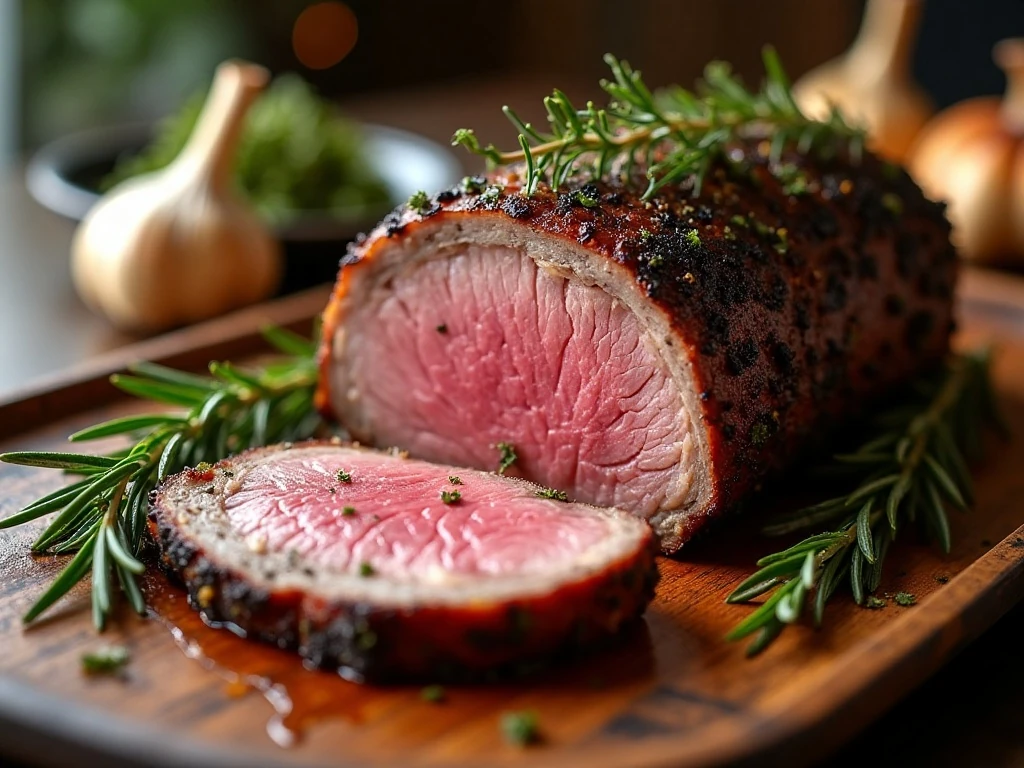
A rib roast already brings rich marbling and a naturally luxurious texture to the table, but roasted garlic gives it a gentle sweetness that raw garlic cannot match. Rosemary adds a piney fragrance, thyme contributes a fresh savory note, and black pepper creates a warm finish around the browned exterior.
The method is straightforward enough for a special weekend dinner but impressive enough for a holiday meal. The first high-heat stage gives the roast a dark, appetizing crust, while the lower oven temperature helps the center cook more evenly.
Because the roast rests for 20–30 minutes before slicing, it also gives the cook time to finish side dishes and arrange the table. For another comforting centerpiece with garlic and herbs, you can also try this garlic and herb pork roast.
Ingredients You’ll Need
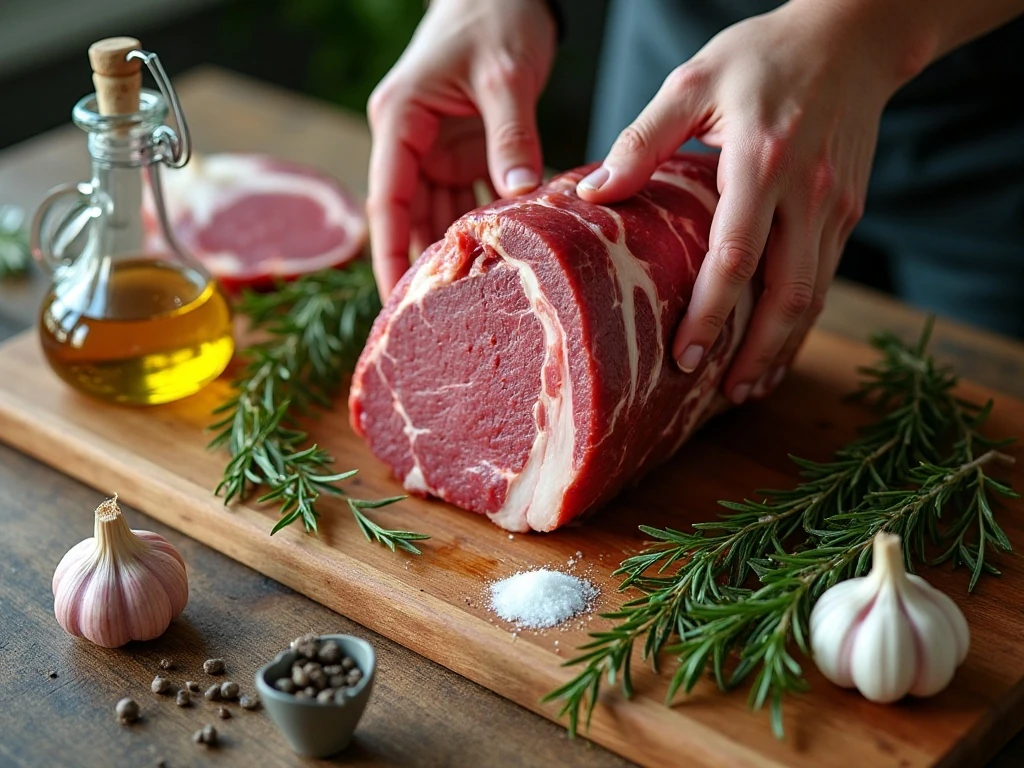
Choose a standing beef rib roast weighing about 5–6 pounds, preferably bone-in and tied. The bones help protect the meat during roasting, and tying keeps the roast compact so it cooks more consistently.
- 1 whole garlic bulb
- 2 tablespoons olive oil, plus 1 teaspoon for roasting the garlic
- 2 tablespoons finely chopped fresh rosemary
- 2 tablespoons finely chopped fresh thyme
- 1 tablespoon kosher salt
- 2 teaspoons freshly ground black pepper
Fresh herbs are worth using here because their fragrance stays noticeable against the richness of the beef. Strip the thyme leaves from their stems and chop the rosemary finely so the herb paste spreads evenly instead of forming large, bitter-tasting pieces.
For side dishes, potatoes are a natural match for beef and garlic. These garlic herb roasted potatoes can share the dinner menu and echo the seasonings in the crust.
How to Make It Step-by-Step
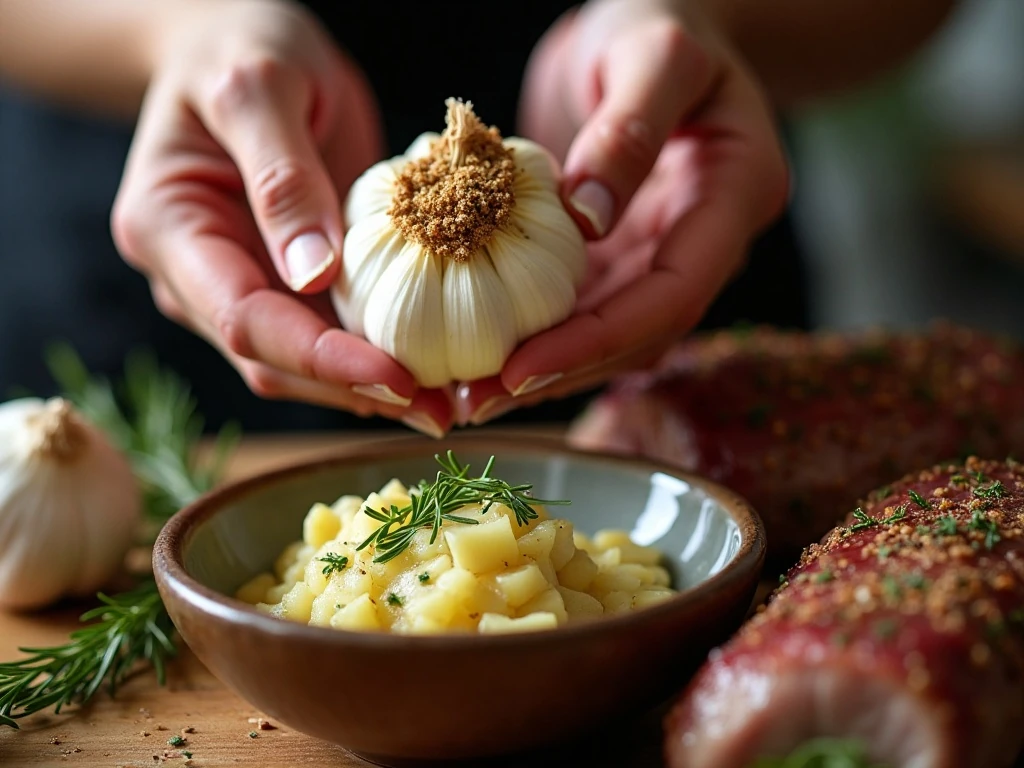
Step 1: Heat the oven to 350°F and prepare the garlic. Slice the top from the whole bulb, drizzle the exposed cloves with about 1 teaspoon olive oil, wrap it in foil, and roast for 30–40 minutes, until the cloves are soft enough to mash.
Step 2: Let the garlic cool slightly so it is easier to handle, then squeeze the cloves from their skins. Mash them with 2 tablespoons olive oil, chopped rosemary, chopped thyme, kosher salt, and freshly ground black pepper until the mixture becomes a thick, fragrant paste.
Step 3: Pat the rib roast completely dry. Moisture on the surface can interfere with browning, so take a moment to dry the fat cap and sides before rubbing the garlic-herb paste over the meat as thoroughly as possible.
Step 4: Allow the seasoned roast to stand at room temperature for about 45–60 minutes. This brief rest takes some chill off the meat and gives the salt and herbs time to settle into the surface before the roast enters the oven.
Step 5: Place the roast bone-side down in a roasting pan and set the oven to 450°F. Roast for 15–20 minutes, watching for a richly browned exterior, then reduce the temperature to 325°F to continue cooking more gently.
Step 6: Check the internal temperature with an instant-read thermometer inserted into the thickest part, avoiding the bones. Remove the roast at approximately 120–125°F for rare to medium-rare or 130–135°F for medium, remembering that the temperature will continue to rise during resting.
Step 7: Move the roast to a cutting board and tent it loosely with foil for 20–30 minutes. Do not wrap it tightly, because trapped steam can soften the crust you worked to brown.
Step 8: Slice between the bones for rustic servings, or remove the bones and slice the meat across the grain. Arrange the slices on a warm platter, spoon any collected juices over the top, and serve immediately.
Pro Tips for the Best Rib Roast
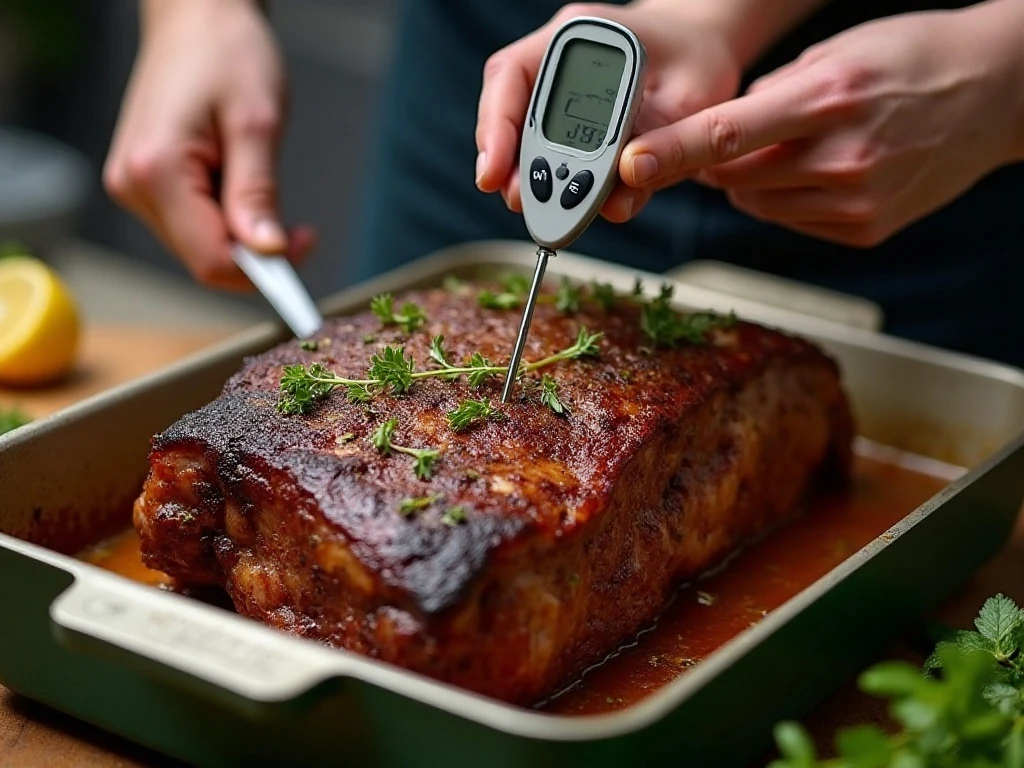
A thermometer is more reliable than a roasting chart because every rib roast differs in thickness, marbling, starting temperature, and shape. An oven thermometer can also confirm that your oven is actually holding the high and low temperatures shown in the recipe.
Keep the roast bone-side down throughout cooking. This provides a stable base in the pan and allows the bones to act as a natural rack beneath the meat.
When checking temperature, insert the probe into the center of the thickest portion. Avoid touching a bone or placing the thermometer too close to the surface, since either position can give a reading that does not represent the roast’s true center.
Resting is not an optional pause. It allows the juices to redistribute through the slices and usually raises the internal temperature by 5–10°F, producing a moister result than cutting immediately.
If you want a vegetable side with a rich, savory character, serve the roast with roasted mushrooms with garlic butter sauce. Their earthy flavor pairs especially well with rosemary-seasoned beef.
What to Serve with Garlic Herb Rib Roast
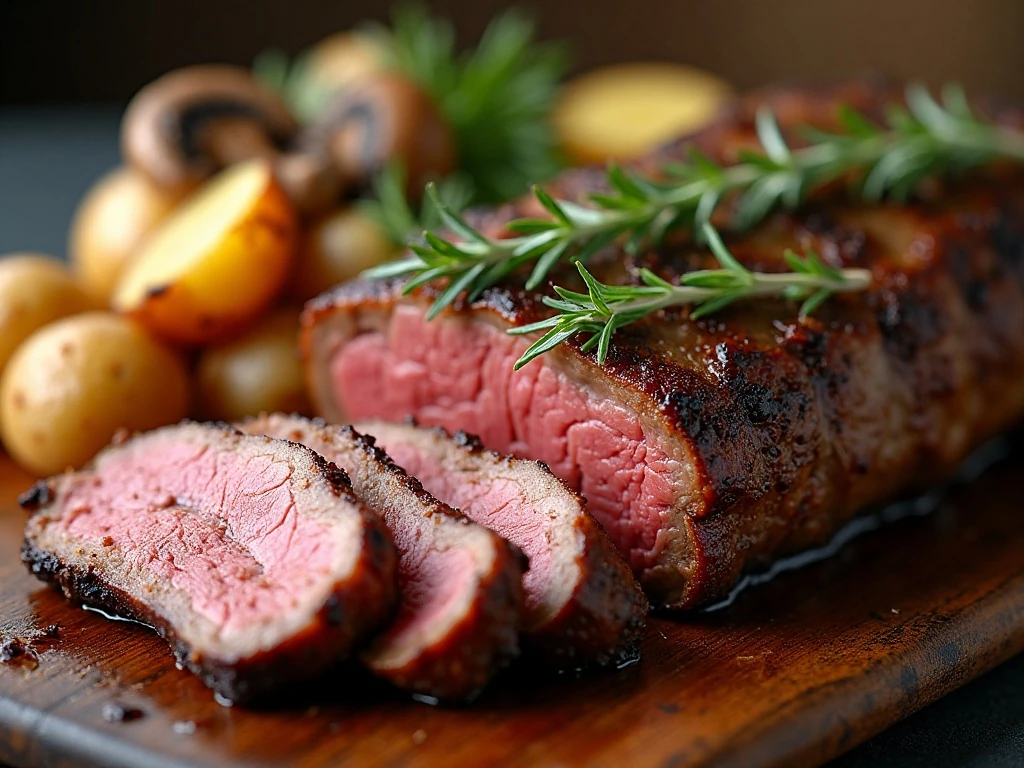
Build the plate around contrast: a crisp or browned vegetable, a creamy element, and something fresh. Roasted potatoes, green beans, a simple bitter-greens salad, or glazed carrots all complement the beef without competing with the garlic and herbs.
A light sauce is optional because the roast is already richly seasoned. If you collect pan juices, pour them into a small pitcher and offer them at the table so each guest can choose how much to add.
For a menu that moves from land to sea, a small seafood starter can work beautifully before the roast. These creamy garlic scallops are best served as a separate first course rather than alongside the rib roast.
Keep the presentation simple. Arrange overlapping slices on a warm platter, scatter a few rosemary and thyme sprigs around the edges, and let the browned crust remain the visual focus.
Storage and Reheating
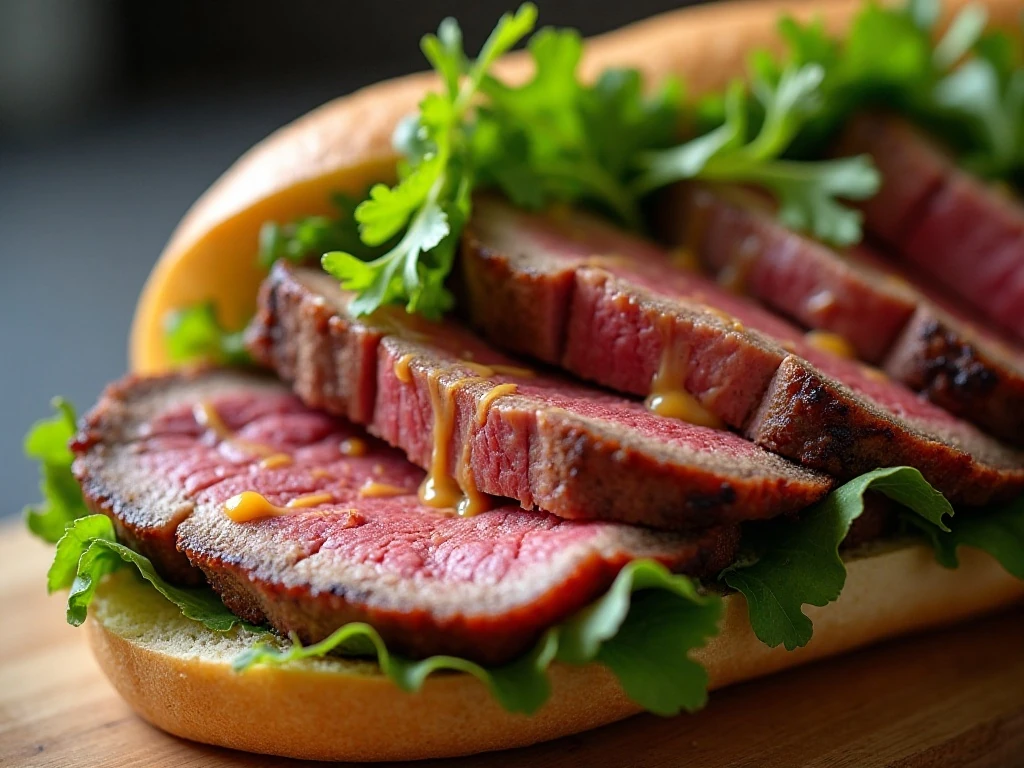
Store leftover roast in an airtight container in the refrigerator and use it within a few days for the best quality. Slice only what you plan to serve so the remaining piece retains more moisture.
To reheat, place slices in a covered baking dish with a small amount of reserved juice or broth and warm gently until heated through. Avoid prolonged high heat, which can push tender slices past the doneness you intended.
Cold leftovers are also excellent in sandwiches with horseradish, mustard, crisp greens, and a little of the roasted garlic crust. For a completely different garlic-forward dinner another night, consider this creamy garlic thyme chicken.

Roasted Garlic Rib Roast with Fresh Herbs
Ingredients
Method
- Heat the oven to 350°F. Slice the top from the garlic bulb, drizzle the exposed cloves with 1 teaspoon olive oil, wrap the bulb in foil, and roast for 30–40 minutes, until the cloves are soft; cool slightly.
- Squeeze the softened garlic from the skins and mash it. Stir the roasted garlic together with 2 tablespoons olive oil, rosemary, thyme, kosher salt, and black pepper to form a spreadable paste.
- Pat the rib roast dry with paper towels. Rub the garlic-herb paste thoroughly over every exposed surface, then let the roast stand at room temperature for about 45–60 minutes before cooking.
- Place the roast bone-side down in a roasting pan. Roast at 450°F for 15–20 minutes to brown the exterior, then reduce the oven temperature to 325°F without removing the roast.
- Continue roasting until an instant-read thermometer inserted into the thickest part reaches approximately 120–125°F for rare to medium-rare or 130–135°F for medium. Begin checking according to the shape and size of the roast rather than depending only on the clock.
- Transfer the roast to a cutting board and tent it loosely with foil. Rest for 20–30 minutes so the juices redistribute and the internal temperature rises several degrees, usually by 5–10°F.
- Slice between the bones for generous bone-in servings, or remove the bones first and slice the roast across the grain. Serve the slices while warm with the browned garlic-herb crust facing upward.
Notes
Final Thoughts
This roasted garlic rib roast with fresh herbs is the kind of dinner that makes an ordinary evening feel celebratory. The technique depends on a few important details—soft roasted garlic, a thorough herb coating, a hot opening roast, careful temperature checks, and a generous resting period—but none of them are difficult.
Use the thermometer readings as your guide, not the clock alone, because the roast’s shape and thickness determine how quickly it cooks. Once it has rested, carve across the grain and serve the rosy slices with your favorite sides for a memorable meal.
Whether you prepare it for a holiday gathering, a birthday dinner, or a quiet night when you want something special, this recipe gives you a beautifully seasoned centerpiece with a tender interior and a fragrant, crisp crust.