Tuna melt sandwiches are an easy 20–25 minute meal made with well-drained canned tuna, creamy mayonnaise, crisp celery, red onion, lemon juice, Dijon mustard, and melted cheese. This recipe makes 4 sandwiches and cooks in about 3–5 minutes per side over medium-low heat for bread that turns golden and crisp while the cheese melts.
Every bite brings together cool, savory tuna salad, tangy lemon and mustard, crunchy vegetables, buttery toast, and gooey cheese. Sharp cheddar gives the strongest flavor, while American cheese melts especially smoothly, making these sandwiches perfect for a quick lunch, casual dinner, or satisfying weekend meal.
Jump to RecipeWhy You’ll Love This Recipe
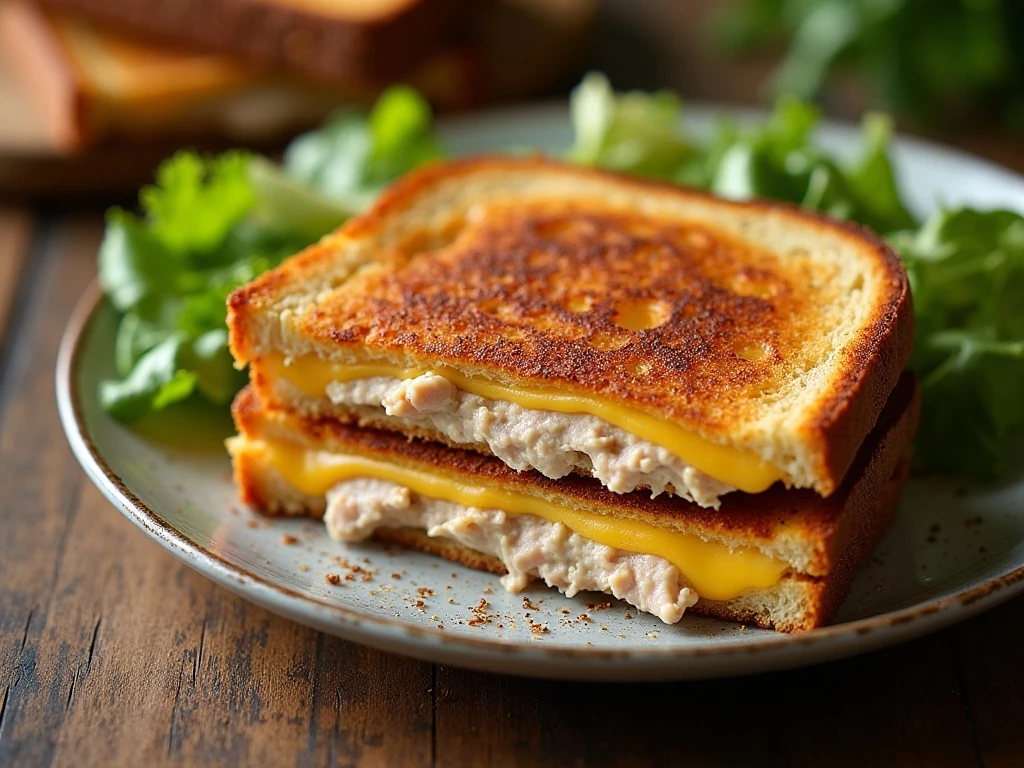
This tuna melt recipe is built for busy days because the filling comes together in one bowl and the sandwiches cook quickly in a skillet. The result is much more satisfying than an ordinary cold tuna sandwich: the bread is crisp, the cheese is molten, and the center stays creamy and flavorful.
The tuna salad has enough mayonnaise to bind everything without hiding the fish. Celery contributes freshness and crunch, red onion adds a gentle bite, while lemon juice and Dijon mustard keep the mixture bright rather than heavy.
It is also easy to adapt to what you have in the kitchen. Sourdough gives the sandwich a pleasantly tangy crust, rye adds a savory flavor, and country white makes a soft, classic diner-style melt.
For a colorful vegetable side, serve these sandwiches with quick fresh asparagus. Its tender-crisp texture balances the rich tuna and cheese beautifully.
Ingredients You’ll Need
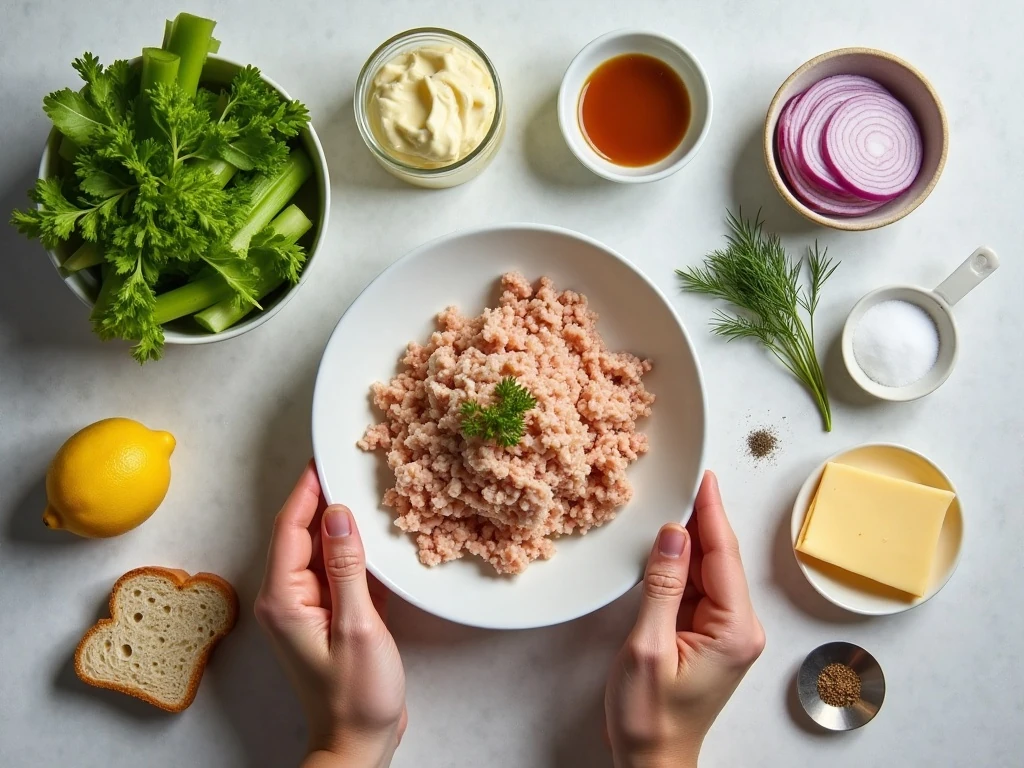
The ingredient list is short, but each item has a job. Begin with two 5-ounce cans of tuna, preferably packed in water, and drain them exceptionally well before mixing.
- Tuna: Well-drained tuna creates a sturdy filling and prevents soggy bread.
- Mayonnaise: This provides the creamy texture that holds the salad together.
- Celery and red onion: These vegetables add crunch, freshness, and savory flavor.
- Lemon juice and Dijon mustard: Their acidity and tang keep the tuna mixture lively.
- Fresh herbs: Chopped parsley or dill is optional, but either one adds a pleasant garden-fresh note.
- Bread: Use 8 slices of sandwich bread, sourdough, rye, or country white.
- Cheese: Choose 4 slices of cheddar, Swiss, provolone, or American cheese.
- Butter: Two tablespoons softened butter are spread on the outside of the bread for browning.
If you enjoy preparing comforting soups alongside toasted sandwiches, a bowl of easy minestrone soup makes a hearty pairing. The vegetables and broth provide a lighter contrast to the creamy melt.
How to Make It Step-by-Step

Step 1: Drain the tuna over the sink, pressing it gently if necessary to remove as much liquid as possible. Transfer it to a bowl and break up any large pieces with a fork so the finished filling spreads evenly.
Step 2: Add the mayonnaise, finely diced celery, minced red onion, lemon juice, Dijon mustard, optional chopped parsley or dill, kosher salt, and freshly ground black pepper. Stir just until combined, then taste; the mixture should be creamy, lightly tangy, and well seasoned without tasting overly salty.
Step 3: Arrange 4 slices of bread on a work surface. Divide the tuna mixture evenly among them, spreading it almost to the edges while leaving enough room for the filling to stay inside during cooking.
Step 4: Place one slice of cheese on top of each portion of tuna salad. Finish each sandwich with a second slice of bread, then spread softened butter over the outside of both bread slices on every sandwich.
Step 5: Heat a skillet or griddle over medium to medium-low heat. Place the sandwiches in the pan and cook for about 3–5 minutes on the first side, watching for a deep golden-brown crust rather than relying on high heat.
Step 6: Carefully turn each sandwich and cook the second side for another 3–5 minutes. If the bread is browning before the cheese is fully melted, cover the pan briefly to trap heat and finish the center gently.
Step 7: Transfer the sandwiches to a cutting board and let them rest for 1–2 minutes. Cut each one in half and serve immediately while the cheese is warm and stretchy.
Chef’s Tips for a Crisp, Creamy Melt
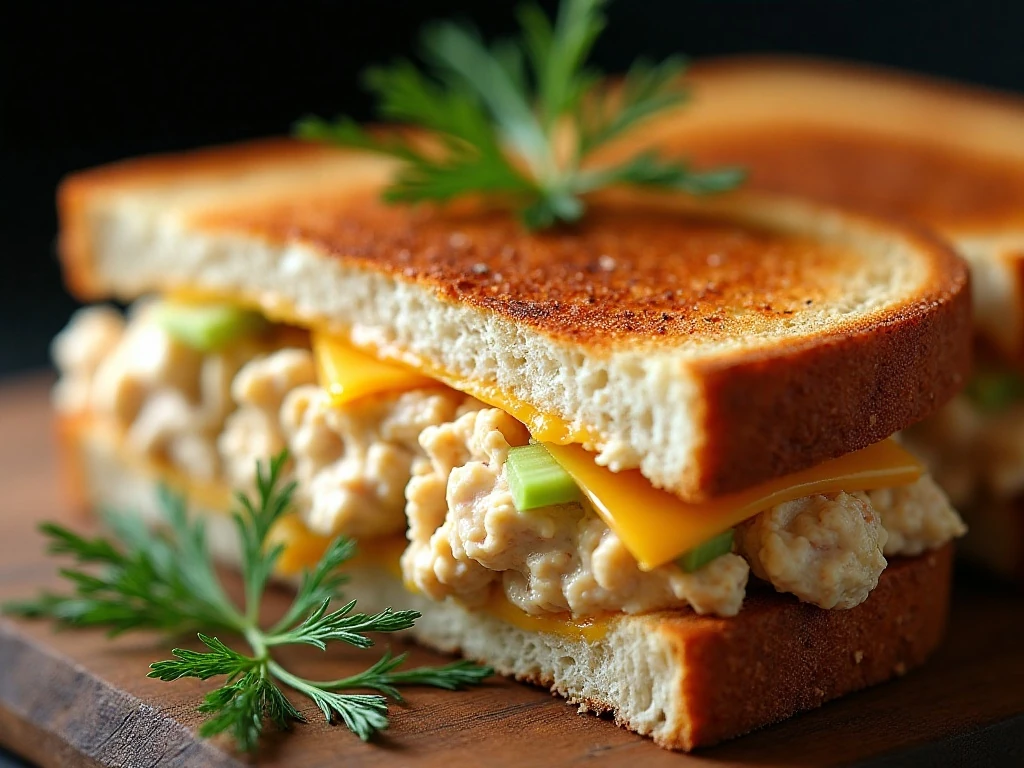
Draining the tuna is the most important preparation detail. Even a small amount of extra liquid can make the tuna mixture loose, soak into the bread, and interfere with the crisp crust you want.
Keep the pan at medium-low heat. A very hot skillet can brown or scorch the bread while the cheese in the middle remains firm, so slower cooking gives the sandwich time to heat through.
Butter the bread rather than greasing the skillet. A thin, even coating on the outside helps every part of the bread toast, and it makes the flavor more buttery without making the sandwich greasy.
For pronounced cheese flavor, choose sharp cheddar. Swiss and provolone bring a milder, savory character, while American cheese produces the smoothest melt and a classic creamy texture.
Do not overload the filling. A generous but even layer warms more reliably than a very thick mound, and it makes the sandwich easier to turn without spilling.
Easy Variations and Serving Ideas

Pickles or sweet relish are common additions when you want extra tang. Stir in 2 tablespoons of chopped pickles or relish in place of, or alongside, the celery and onion.
A thin tomato slice adds juicy acidity, sliced avocado contributes richness, and a little jalapeño brings heat. A pinch of paprika can add gentle color and a warm pepper note without changing the basic character of the sandwich.
You can also use English muffins or hamburger buns instead of standard bread. For an open-faced version, spread the tuna mixture over bread and add cheese, then broil for 2–4 minutes until the cheese melts and the top is lightly browned.
For another tuna-centered lunch idea, try our chickpea tuna salad. It offers a fresh, protein-rich option when you want the flavor of tuna without a toasted sandwich.
Serve a tuna melt with a simple green salad, sliced cucumbers, tomato wedges, potato chips, or fresh fruit. A chilled glass of iced tea or sparkling water with lemon keeps the meal refreshing.
Storage and Reheating
Tuna melts are best served immediately because the bread is at its crispest right after cooking. If you have leftover tuna mixture, store it covered in the refrigerator and use it within a short period according to your tuna and mayonnaise storage practices.
For the best texture, assemble and toast sandwiches only when you are ready to eat. Reheating a fully assembled sandwich may soften the bread, although a skillet over medium-low heat can help restore some crispness.
Keep the filling chilled until assembly, especially if preparing lunch in advance. Pack the tuna mixture and bread separately when possible, then cook or toast the sandwich just before serving.
Frequently Asked Questions
Can I use tuna packed in oil? Yes, but drain it very thoroughly. Tuna packed in water is the preferred choice for this formula because it keeps the filling lighter and leaves the butter and cheese flavors clear.
Why is my tuna melt soggy? The tuna was likely not drained enough, the filling was too thick, or the pan was not hot enough to toast the bread. Drain the fish carefully and cook over medium-low heat rather than placing the sandwich in a cold skillet.
How do I melt the cheese without burning the bread? Use medium-low heat and cover the skillet briefly after turning the sandwiches. This lets the trapped warmth soften the cheese while the bread continues to brown gradually.
Which bread works best? Sourdough, rye, and country white all work well. Choose slices that are sturdy enough to hold the creamy filling but not so thick that the cheese struggles to melt before the crust becomes dark.
Can I make these open-faced? Yes. Use open-faced slices and broil them for 2–4 minutes, watching closely until the cheese is melted and lightly browned.
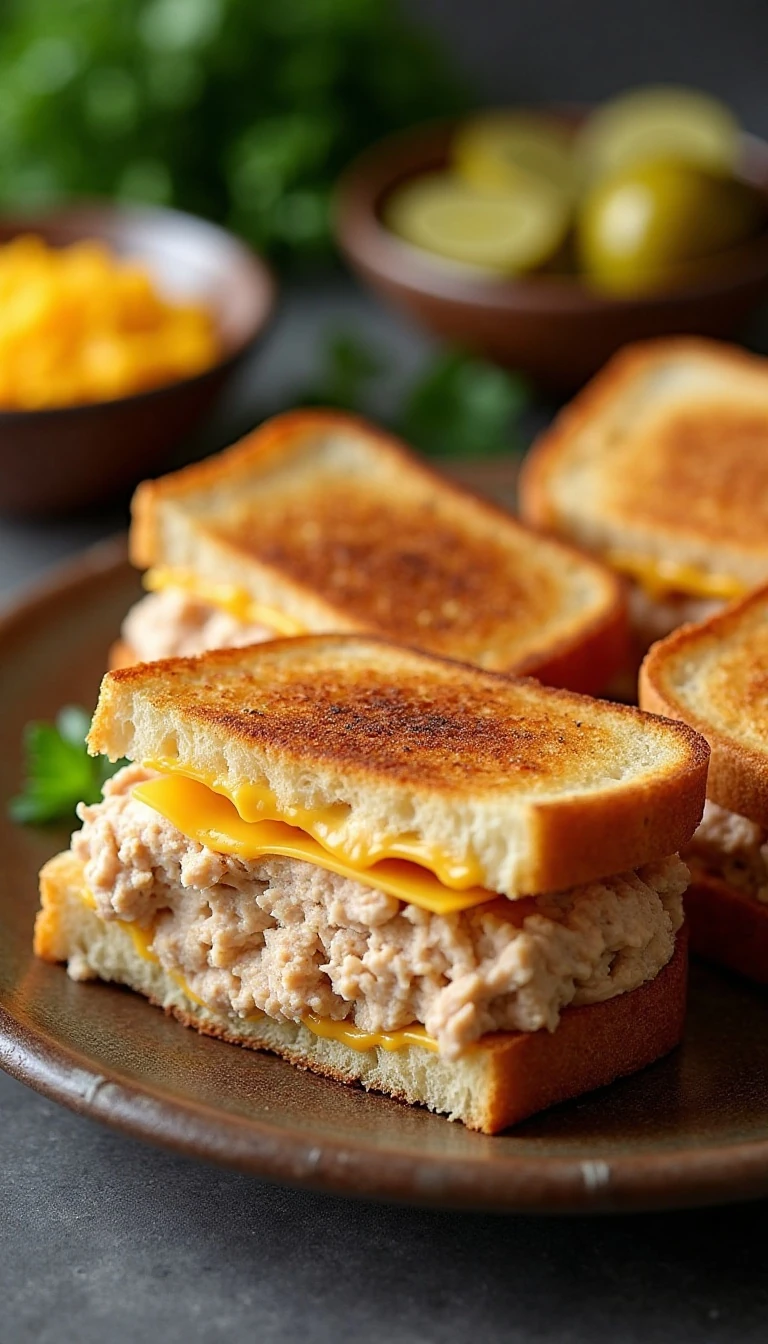
Tuna Melt Sandwiches
Ingredients
Method
- Drain the tuna very thoroughly, then flake it into a medium bowl. Removing excess liquid keeps the filling thick and helps the sandwiches crisp properly.
- Stir in the mayonnaise, diced celery, minced red onion, lemon juice, Dijon mustard, optional herbs, kosher salt, and black pepper. Taste the mixture and adjust the seasoning if needed.
- Spread the tuna mixture evenly over 4 slices of bread. Place one cheese slice over each portion, then top with the remaining bread slices.
- Butter the outside of each sandwich, covering the bread close to the edges. Buttering the bread itself gives the best crisp texture without requiring extra oil in the pan.
- Warm a skillet or griddle over medium to medium-low heat. Cook the sandwiches for about 3–5 minutes per side, turning once, until the bread is golden brown and the cheese has melted.
- Cover the pan briefly if the bread is browning before the cheese melts. Let the cooked sandwiches rest for 1–2 minutes, then cut and serve immediately.
Notes
Final Thoughts
These tuna melt sandwiches prove that a few everyday ingredients can create a meal with plenty of contrast and character. The creamy tuna filling is brightened by lemon and mustard, the vegetables add crunch, and the buttery bread becomes crisp around a warm layer of melted cheese.
With 10–15 minutes of preparation and 8–12 minutes of cooking, this recipe is practical enough for a busy weekday yet comforting enough for a relaxed weekend lunch. Drain the tuna well, choose medium-low heat, and give the sandwiches a brief rest before cutting for the best result.
Once the plates are cleared, finish the meal with a small sweet treat such as this easy KitKat fudge. Whether you serve the melts with soup, salad, vegetables, or chips, they are crisp, creamy, filling, and ready to enjoy right away.