This easy One-Pot Pasta Primavera Recipe makes a complete dinner for 4 in about 35–40 minutes, including 15 minutes of preparation and 20–25 minutes of cooking. Pasta, broth, cream or milk, Parmesan, and colorful vegetables cook together in one deep skillet or Dutch oven for a satisfying meal with minimal cleanup.
Every forkful is creamy, savory, and fresh-tasting, with tender pasta, bright broccoli, sweet carrots, earthy mushrooms, and tender-crisp squash. The sauce is light enough for a weeknight meal while Parmesan and Italian seasoning give it enough richness to feel special.
Jump to RecipeWhy You’ll Love This Recipe
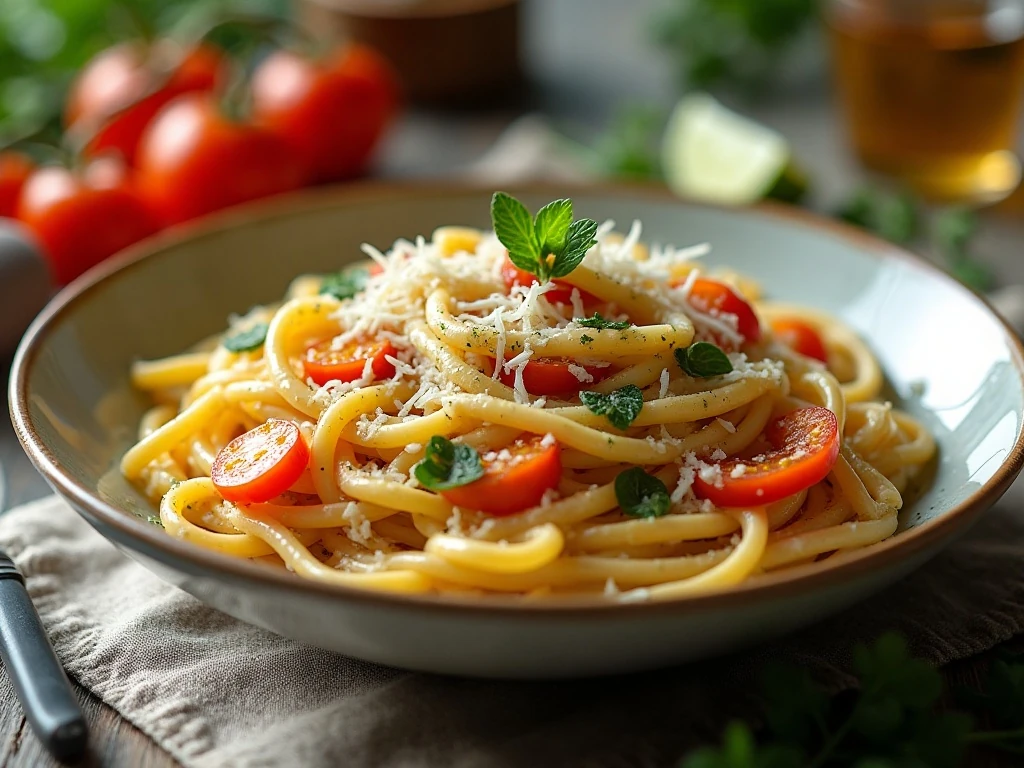
This pasta primavera is the kind of dinner that looks colorful and generous but asks very little of the cook. The pasta absorbs savory broth as it cooks, releasing starch that helps create a naturally creamy sauce without requiring a separate pot for boiling noodles.
It is also flexible enough for busy evenings. The recipe uses familiar vegetables, pantry-friendly pasta, and simple seasonings, yet the finished dish has the cheerful variety you want from a restaurant-style primavera.
- One-pot cleanup: Everything cooks in one large skillet or Dutch oven.
- Fast timing: Dinner is ready in roughly 35–40 minutes.
- Colorful texture: The vegetables remain distinct instead of disappearing into the sauce.
- Easy to customize: You can change the pasta, broth, herbs, or seasonal vegetables.
If you are planning a larger meal, begin with a few simple bites from our collection of Instant Pot appetizers, then serve this pasta as the warm main course.
Ingredients You’ll Need
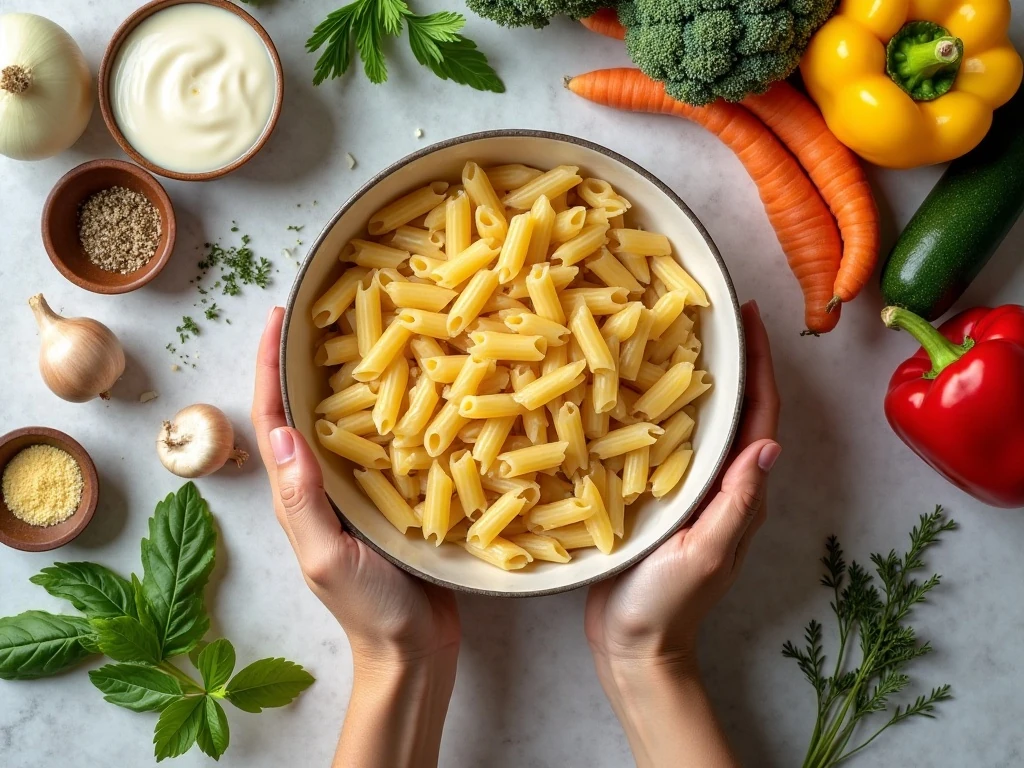
The vegetable combination balances sweetness, freshness, and savory depth. Onion, carrot, and garlic create the flavor base, while bell pepper, zucchini, yellow squash, broccoli, and mushrooms provide varied color and texture.
Use penne, rotini, or linguine according to your preference. Short shapes are especially easy to stir, while linguine creates a more classic pasta presentation; whichever shape you choose, follow its package cooking time because different noodles absorb liquid at different rates.
- Broth: Low-sodium vegetable or chicken broth seasons the pasta as it cooks.
- Cream: Heavy cream gives the richest sauce, while whole milk makes it lighter.
- Parmesan: Grated Parmesan adds saltiness and helps the sauce come together after cooking.
- Herbs: Fresh basil or parsley adds a clean finish.
- Optional heat: A quarter teaspoon of red-pepper flakes adds gentle warmth.
- Optional peas: Frozen peas add sweetness and should go in near the end.
Prepare all of the vegetables before you start. This is particularly important because the ingredients enter the pan in quick succession, and prepped vegetables prevent the early ingredients from cooking too long while you search for the next one.
For a vegetable-centered meal with a different texture, you could also serve a small portion of roasted eggplant dip alongside the pasta and warm bread.
How to Make It Step-by-Step
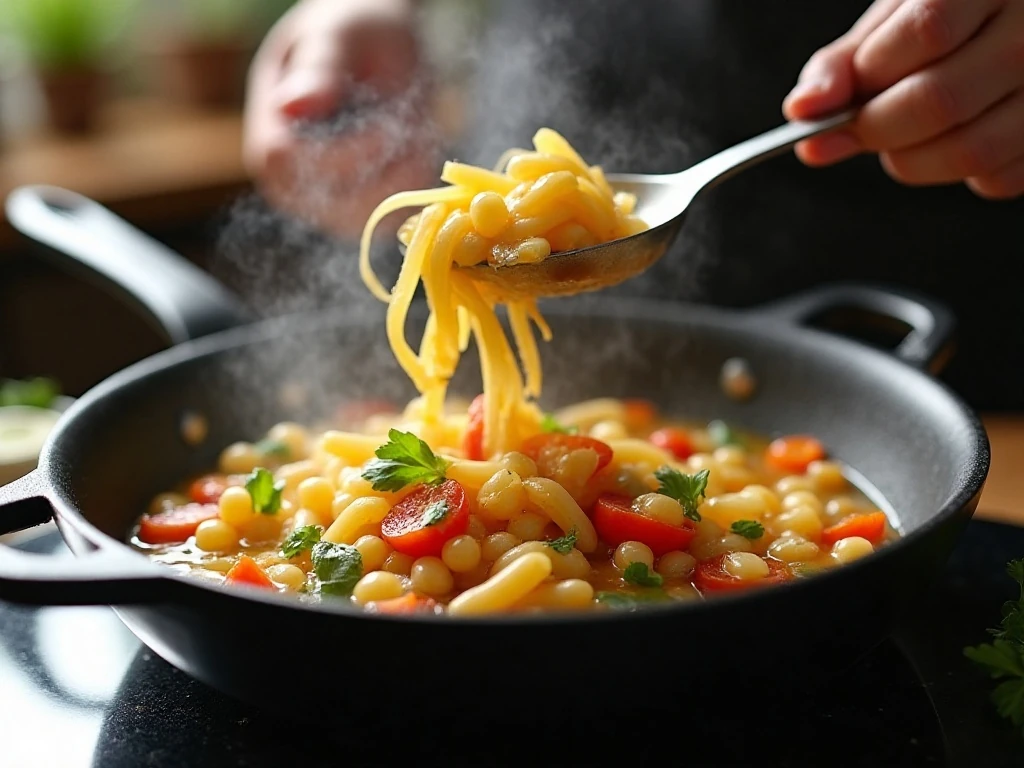
Step 1: Arrange the prepared vegetables near the stove before cooking. Slice the carrots and cut the broccoli florets relatively small because these denser vegetables need more time than mushrooms, zucchini, or yellow squash.
Step 2: Heat the olive oil in a large, deep skillet or Dutch oven over medium heat. Add the onion and carrot, and cook for 3–4 minutes, stirring occasionally, until the onion softens and the carrot begins to take on a little color.
Step 3: Add the garlic, red bell pepper, zucchini, yellow squash, mushrooms, Italian seasoning, kosher salt, black pepper, and optional red-pepper flakes. Cook for 2–3 minutes, stirring often, just until the garlic smells fragrant and the vegetables begin to soften.
Step 4: Add the uncooked pasta directly to the pan and pour in the broth. Stir well to distribute the vegetables, then bring the liquid to a boil before reducing the heat to medium or medium-low.
Step 5: Cook the pasta uncovered for the time printed on the package, usually 9–12 minutes. Stir frequently and scrape across the bottom of the pan, especially during the last few minutes, because the pasta releases starch that can make the sauce stick.
Step 6: Pour in the heavy cream or whole milk during the final 3–5 minutes of cooking. Add the broccoli and optional frozen peas during the final 4–5 minutes, giving them enough time to cook while keeping their color and a little bite.
Step 7: Check the pasta for al dente texture and remove the pan from the heat while the sauce is still somewhat loose. Stir in the Parmesan and chopped basil or parsley, then let the dish stand for 2 minutes so the sauce can settle around the pasta.
Chef’s Tips for Perfect One-Pot Pasta
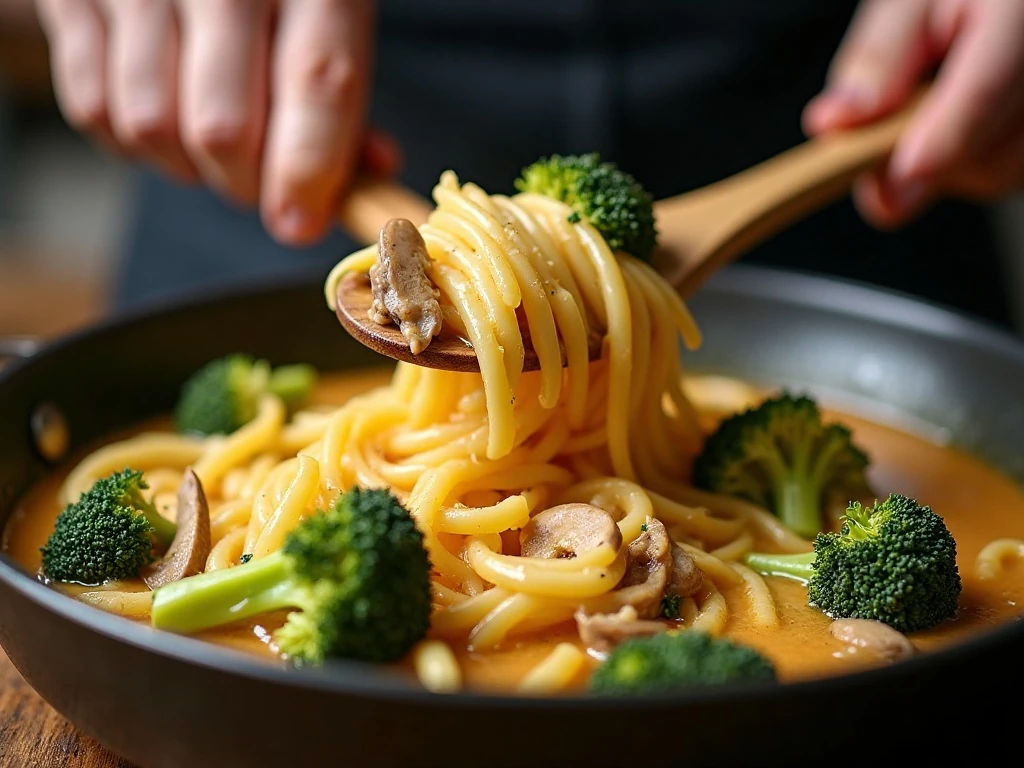
The most important detail is maintaining a gentle simmer rather than a hard boil. A calm simmer gives the pasta time to cook evenly and lowers the chance of the broth evaporating before the noodles are tender.
Keep your spoon moving as the pasta nears doneness. Scraping the bottom prevents sticking, while frequent stirring distributes the liquid and helps every piece of pasta cook in the same flavorful broth.
- Do not crowd the timing: Add dense vegetables early and quick-cooking vegetables late.
- Keep the pan uncovered: This allows the liquid to reduce while the pasta cooks.
- Reserve the finish: Parmesan and fresh herbs go in after the heat is turned off.
- Trust the texture: Stop cooking when the pasta is al dente, even if the sauce looks slightly loose.
- Taste before serving: Add more kosher salt or black pepper only after the Parmesan has been mixed in.
Adding the dairy at the end helps keep the sauce creamy and prevents it from cooking down too early. The two-minute rest is also useful: the sauce thickens slightly without turning heavy.
For a meatier dinner, fold in cooked chicken, shrimp, or Italian sausage after cooking. A separate cooked protein is more dependable here than raw meat, which can make the one-pot cooking time unpredictable.
Our honey garlic chicken is another flavorful option when you want a protein-rich dinner on a different night.
Vegetable Swaps and Add-Ins
Pasta primavera is naturally adaptable, so use the listed vegetables as a guide rather than a rigid rule. Asparagus, green beans, cherry tomatoes, spinach, and peas can replace some of the vegetables while keeping the dish fresh and colorful.
Add spinach, tomatoes, or asparagus near the end because they cook quickly. Green beans may need a little more time, while cherry tomatoes only need enough heat to soften and release some juice into the sauce.
- For more green vegetables: Replace some squash with asparagus, spinach, or green beans.
- For extra sweetness: Add the optional frozen peas or use halved cherry tomatoes.
- For a lighter sauce: Replace the cream with additional broth or evaporated milk.
- For more richness: Use heavy cream and finish with extra Parmesan.
- For gentle spice: Include the optional red-pepper flakes.
Keep the total amount of added vegetables reasonably close to the recipe so there is enough broth for the pasta to cook. If you add a large quantity of watery vegetables, the sauce may take longer to thicken.
Serving, Storage & Reheating
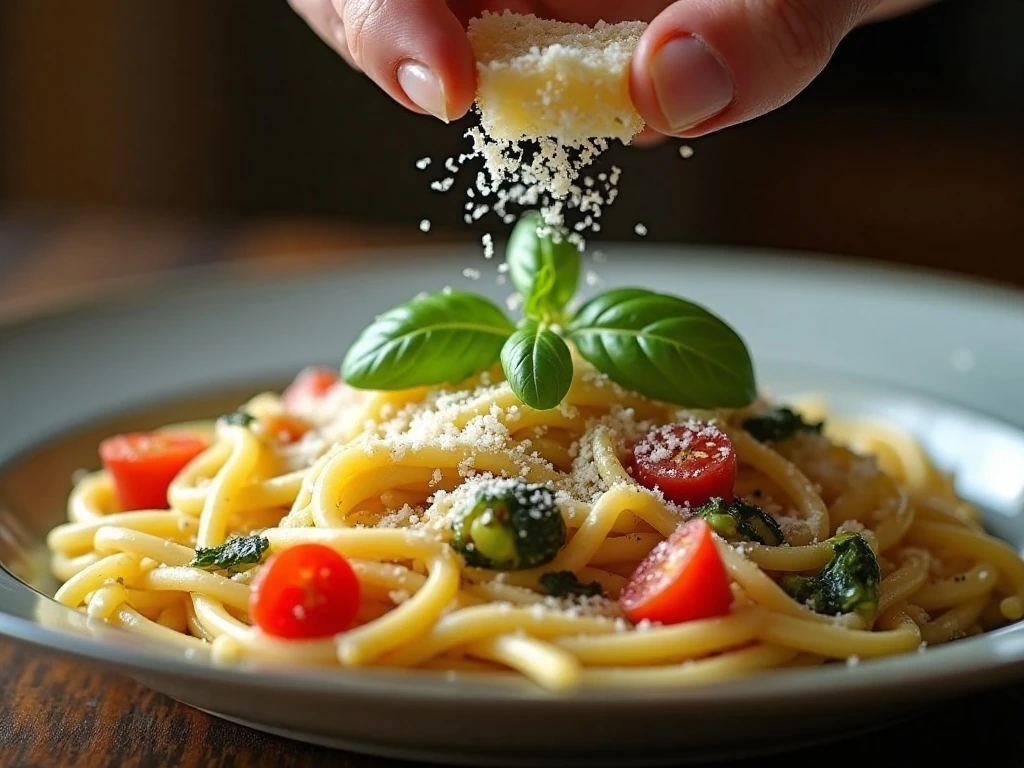
Serve the pasta immediately in warm bowls with extra grated Parmesan and a sprinkle of fresh basil or parsley. A little black pepper on top makes the colors stand out and adds a pleasant final bite.
This dish is substantial enough to serve on its own, but a crisp green salad or warm bread makes the meal feel more complete. Because the pasta and vegetables already cook together, you do not need a complicated side dish.
Leftovers can be refrigerated in a covered container and reheated gently on the stovetop or in the microwave. Add a small splash of broth or milk before reheating to loosen the sauce, and warm just until hot so the pasta does not become overcooked.
For dessert, keep the same easy spirit with these rich chocolate crinkle cookies. If you prefer a brunch-style companion for another meal, our pizza frittata is a hearty option with familiar savory flavors.
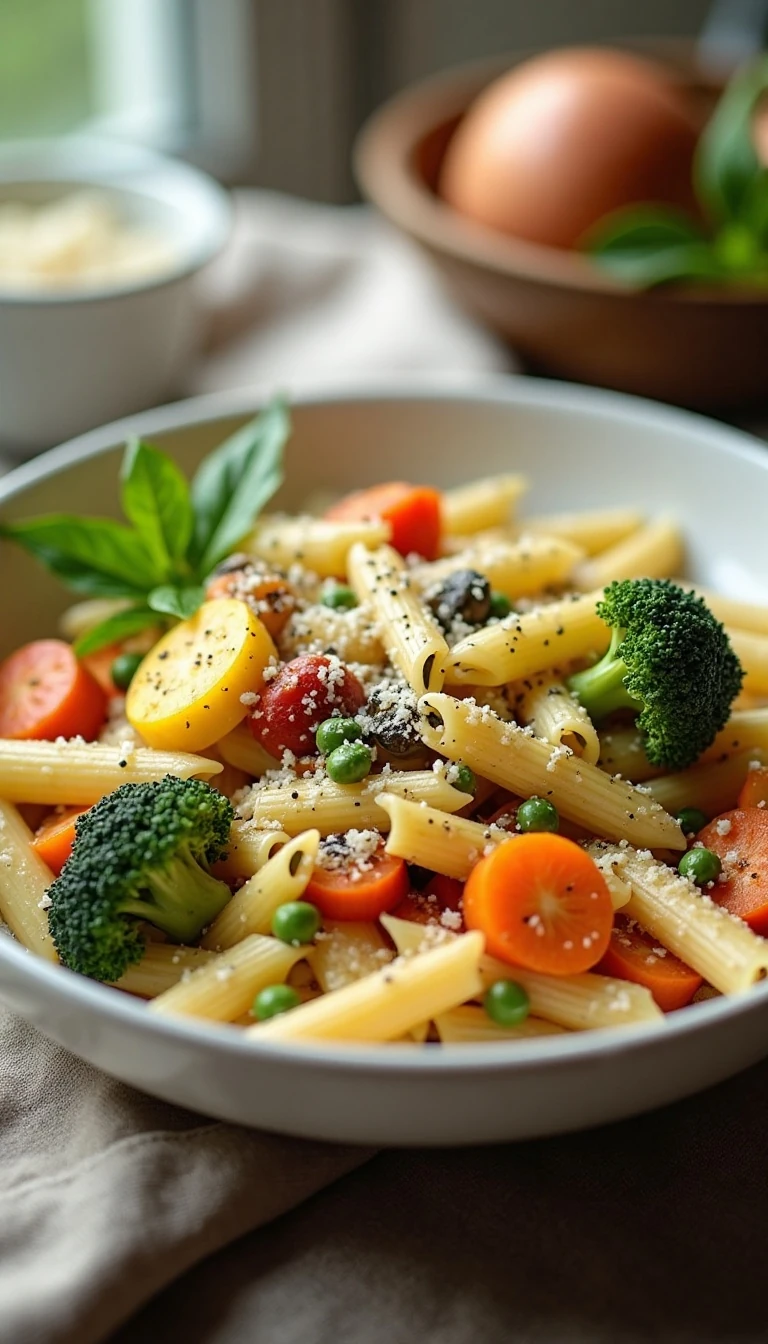
One-Pot Pasta Primavera Recipe Made Easy
Ingredients
Method
- Prepare and cut all vegetables before turning on the heat. Cut dense carrots and broccoli smaller than zucchini or mushrooms so everything finishes at the right texture.
- Heat olive oil in a large deep skillet or Dutch oven over medium heat. Add onion and carrot, then cook for 3–4 minutes until the onion begins to soften.
- Add garlic, bell pepper, zucchini, yellow squash, mushrooms, Italian seasoning, kosher salt, black pepper, and red-pepper flakes if using. Cook for 2–3 minutes, stirring often.
- Stir in the uncooked pasta and broth. Bring the mixture to a boil, then reduce the heat to medium or medium-low for a gentle simmer.
- Cook uncovered for the time listed on the pasta package, usually 9–12 minutes. Stir frequently and scrape the bottom of the pan so the starch-rich liquid does not stick or scorch.
- Add the cream or milk during the final 3–5 minutes of cooking. Add broccoli and frozen peas during the final 4–5 minutes so they stay bright and slightly crisp.
- Remove the pan from the heat when the pasta is al dente and the sauce is still somewhat loose. Stir in Parmesan and fresh herbs, then let the pasta stand for 2 minutes before serving.
Notes
Final Thoughts
This One-Pot Pasta Primavera Recipe brings together tender pasta, bright vegetables, creamy broth, and Parmesan in one practical pan. Preparing the vegetables first, stirring often, and adding the dairy and delicate vegetables at the proper time are the small steps that make the final dish taste fresh rather than soft or heavy.
Make it with penne, rotini, or linguine, use vegetable or chicken broth, and adjust the vegetables to match the season. With a total time of about 35–40 minutes and only one cooking vessel to wash, this is an inviting dinner for a busy weeknight or a relaxed family meal.