These crispy steak fingers with pesto sauce are a quick, satisfying dinner made by cutting sirloin or cube steak into slim strips, coating each piece in seasoned flour, egg, Parmesan-panko crumbs, and shallow-frying until deeply golden. The complete recipe serves 4, takes about 20–25 minutes to prepare, cooks in 12–16 minutes, and is ready in approximately 35–40 minutes.
Every bite brings together a crunchy, savory crust and juicy steak, while the fresh basil pesto adds garlicky, nutty, cheesy brightness. Serve the steak fingers as a family-style dinner, a hearty appetizer, or a dipping-friendly meal alongside salad, roasted vegetables, or warm bread.
Jump to RecipeWhy You’ll Love This Recipe
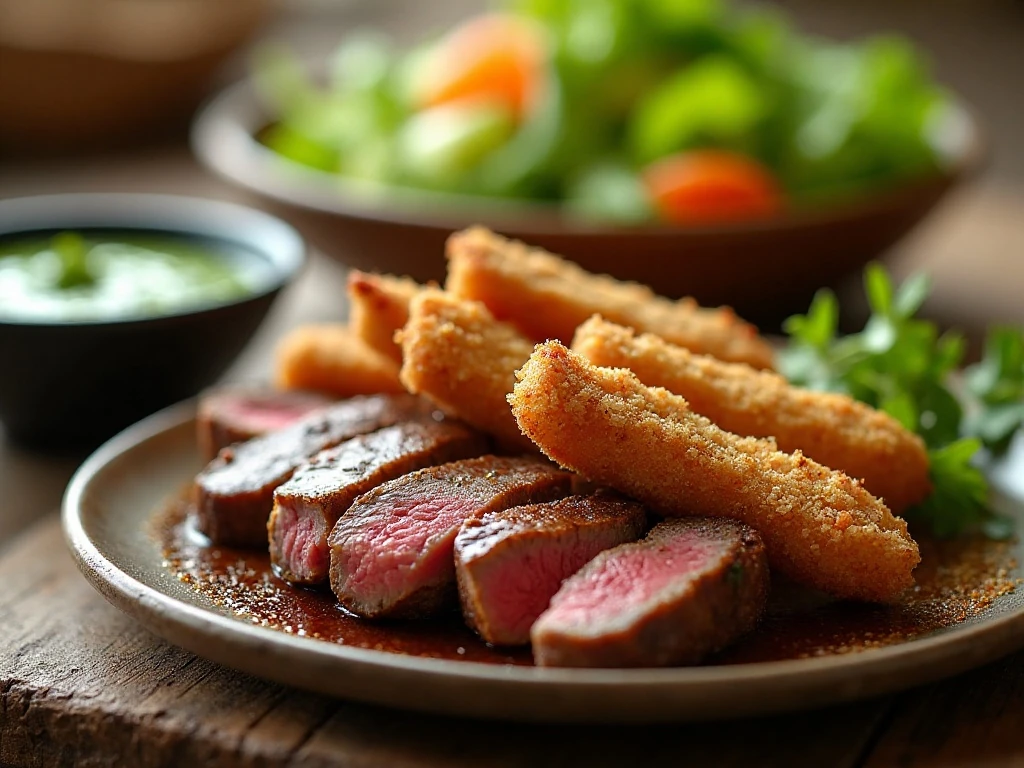
Steak fingers have all the appeal of a classic comfort-food dinner, but their slim shape makes them especially fun to eat and easy to dip. The seasoned coating becomes crisp and craggy in the skillet, creating plenty of texture around tender strips of beef.
The pesto keeps the plate from feeling heavy. Fresh basil, garlic, pine nuts, Parmesan, olive oil, and optional lemon juice form a sauce that is creamy enough for dipping but bright enough to cut through the fried crust.
- Fast dinner: The full recipe comes together in about 35–40 minutes.
- Great texture: Panko and Parmesan create a crisp, savory coating.
- Flexible steak choice: Sirloin or cube steak both work well.
- Family-friendly serving: The fingers can be dipped, shared, or packed into a dinner plate.
If you enjoy crisp breaded dinners with a creamy or tangy sauce, you may also like this crispy Parmesan chicken dinner for another comforting meal idea.
Ingredients You’ll Need
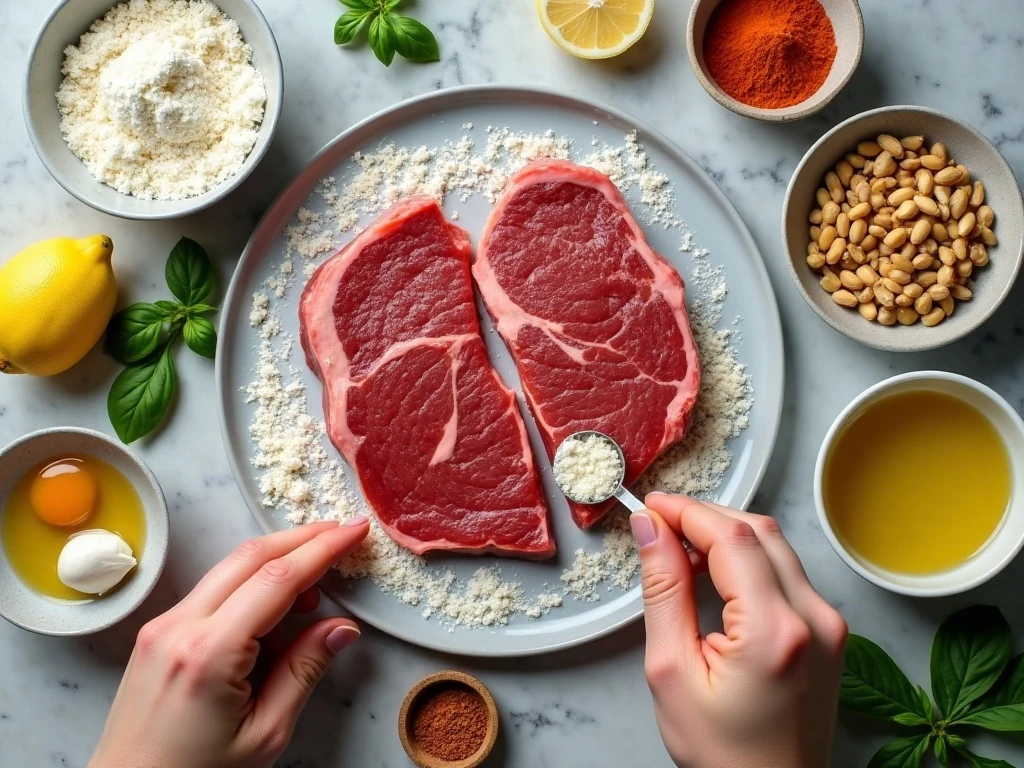
Choose a boneless sirloin steak for a straightforward, beefy bite, or use cube steak for a tenderized option. If using cube steak, lightly pound it before cutting if the pieces seem thick or uneven, then slice across the grain into consistent strips.
The coating is built in three layers. Flour helps the egg cling to the meat, the egg creates a moist surface for the crumbs, and panko mixed with Parmesan and paprika supplies crunch, saltiness, and warm color.
For the pesto, use fresh basil leaves with a clean green color and tender stems. Pine nuts provide the traditional buttery nuttiness, while finely grated Parmesan blends more smoothly than large shreds.
- Keep the steak strips close to 1/2 inch thick so they cook within the stated 2–3 minutes per side.
- Use neutral oil such as vegetable or canola oil for the skillet.
- Add lemon juice only after blending the pesto so you can adjust its brightness and salt accurately.
For another way to use basil and Parmesan in a rich spread, try this flavorful pesto butter recipe with bread, vegetables, or grilled meats.
How to Make It Step-by-Step
Step 1: Trim away any tough exterior pieces from the steak, then cut it across the grain into strips approximately 1/2 inch thick and 3–4 inches long. Patting the meat dry is important because excess moisture can weaken the flour and breadcrumb layers.
Step 2: Season the steak with about 1/2 teaspoon of the kosher salt, the black pepper, and garlic powder. Toss gently so the seasoning reaches all sides without compressing or tearing the strips.
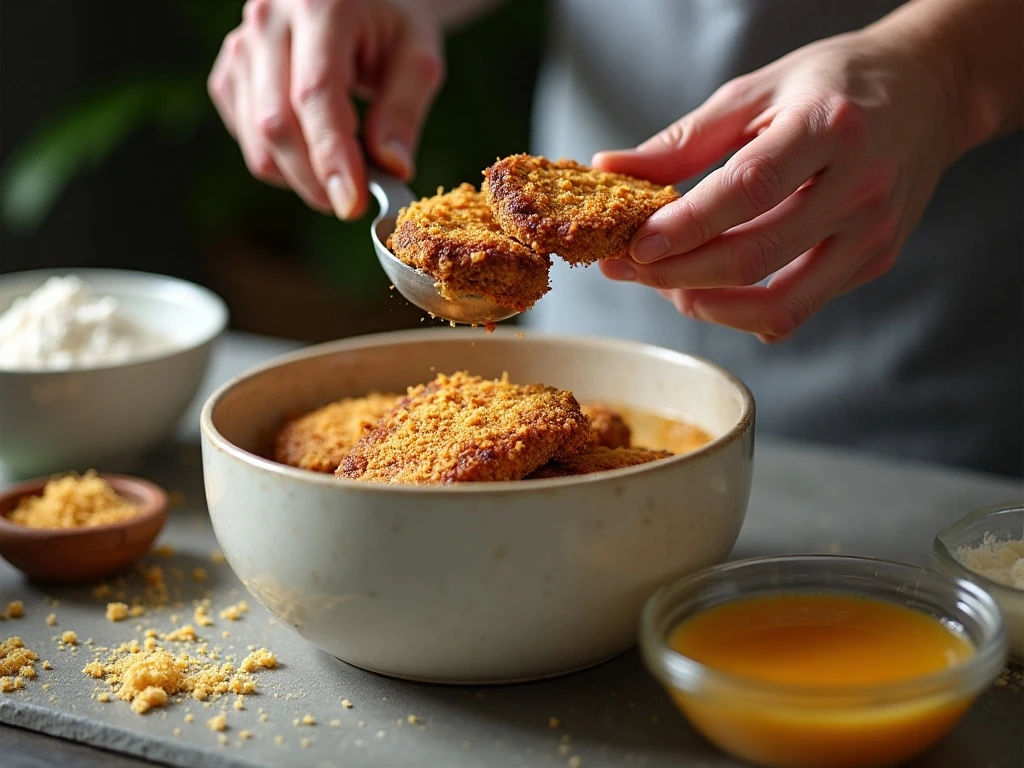
Step 3: Set up the breading station before coating anything. Mix the flour with the remaining salt, beat the eggs with 1 tablespoon water or milk, and stir together the panko, Parmesan, and paprika in separate shallow bowls.
Step 4: Dredge one steak strip in flour and shake off the excess. Dip it into the egg mixture, then press it firmly into the panko mixture so crumbs cover the sides and ends; repeat the egg and panko coating if you want a thicker crust.
Step 5: Place the coated strips on a plate or tray and refrigerate them for 10–15 minutes. This pause hydrates the coating slightly and helps it stay attached once the steak hits the hot oil.
Step 6: Add the basil, pine nuts, garlic, Parmesan, and 1/4 teaspoon salt to a food processor. Pulse until chopped, then gradually pour in the olive oil while processing until the pesto is smooth but retains a little texture.
Step 7: Stir in the optional lemon juice and taste the pesto only after the Parmesan has been incorporated. Add more salt if needed, then spoon the sauce into a serving bowl.
Step 8: Pour about 1/4 inch of neutral oil into a heavy skillet and heat it to approximately 350°F (175°C). Fry the steak fingers in batches for 2–3 minutes per side, turning once, until the crust is deeply golden and the steak is cooked through.
Step 9: Move the cooked pieces to a wire rack, or use paper towels if a rack is not available, and season lightly with salt. For thin sirloin, confirm the steak reaches at least 145°F (63°C), then rest it for 3 minutes before serving with pesto.
Pro Tips for Extra-Crispy Steak Fingers
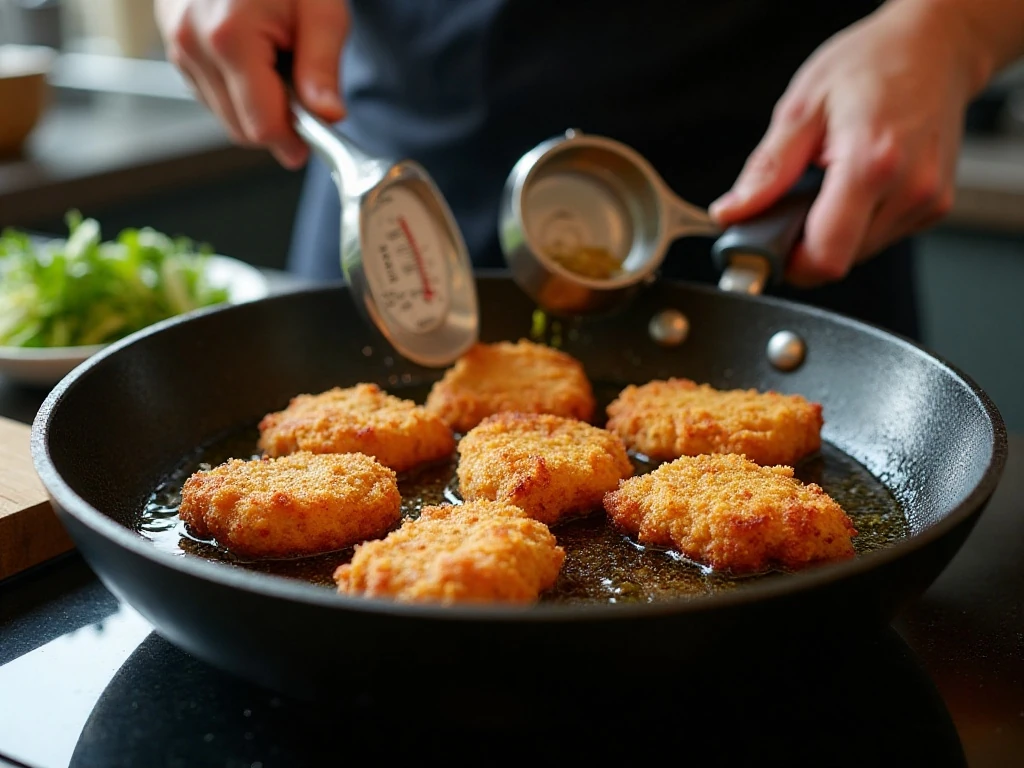
The most important frying rule is to avoid overcrowding. The pieces need room for the oil to circulate, and adding too many at once can drop the temperature enough to make the breading absorb oil instead of turning crisp.
A heavy skillet helps maintain steadier heat, while a thermometer makes the 350°F target easier to reach. If the oil is much hotter, the crumbs may brown before the steak cooks; if it is cooler, the crust can become greasy.
Press the panko firmly onto every steak strip, especially around the edges. The refrigerator rest is not optional if you want a sturdy coating, since it gives the layers time to set before frying.
- Use a wire rack after frying so steam can escape beneath the crust.
- Fry similar-size pieces together for more even cooking.
- Serve the pesto at room temperature or slightly cool rather than ice cold.
- Season the finished steak fingers lightly because Parmesan already adds salt.
For an easy side, warm slices of this easy beer bread and serve them with any extra pesto left in the bowl.
Serving Suggestions
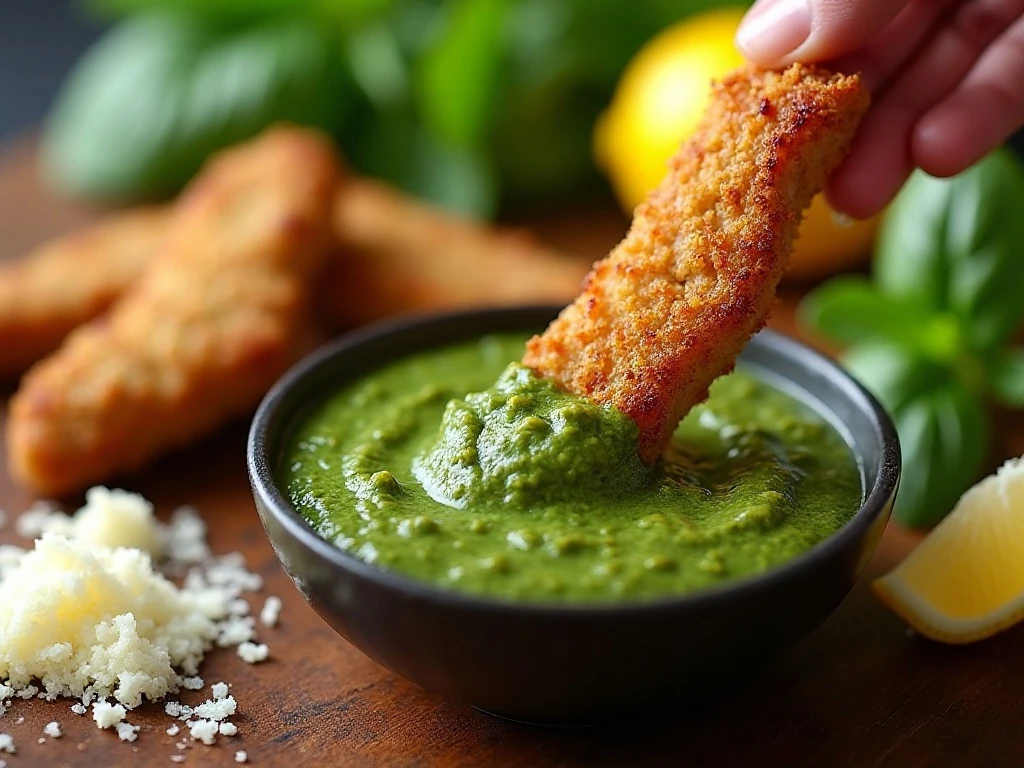
Arrange the steak fingers on a large platter with pesto in the center for a casual family dinner. A simple green salad, roasted broccoli, crisp cucumbers, or lemony vegetables will add freshness and color.
For a heartier plate, serve the fingers with oven fries, mashed potatoes, or buttered noodles. The pesto can also be spooned over the side dish, but keep some in a separate bowl so the steak crust stays crisp.
If you are serving a crowd, cook the steak fingers in batches and keep the finished pieces on a wire rack in a warm oven for a short time. Avoid covering them tightly, since trapped steam softens the breading.
Finish the meal with a small sweet bite such as these slow cooker peanut clusters. They are especially handy when you want dessert prepared ahead of dinner.
Storage & Reheating
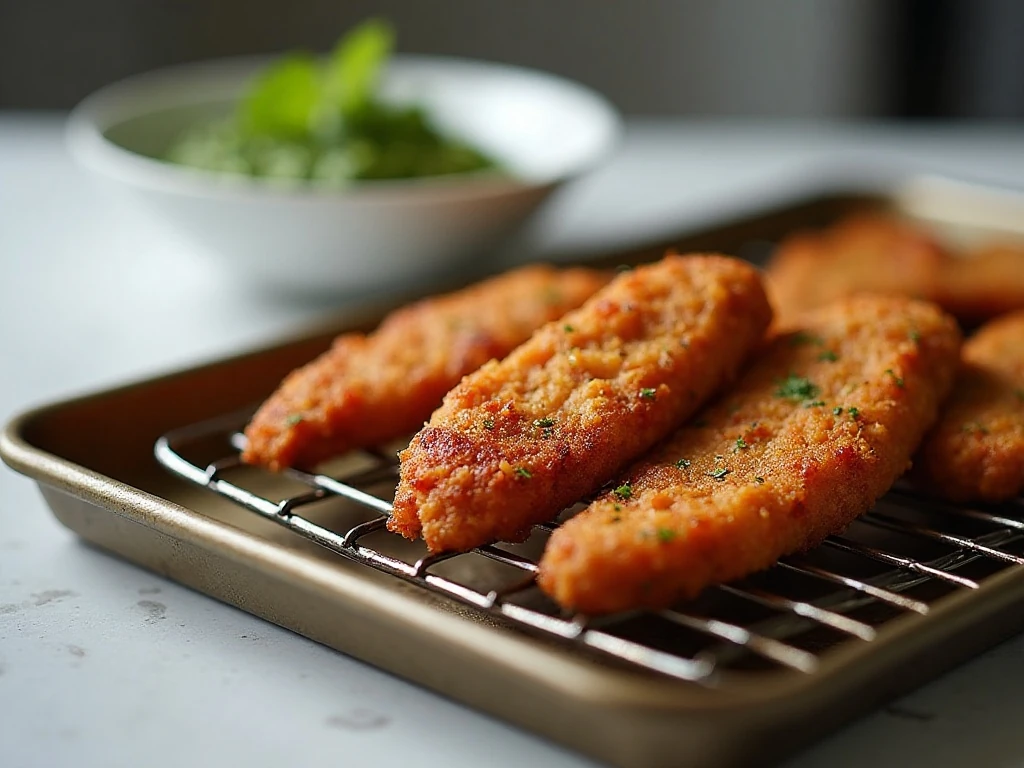
For the best texture, serve the steak fingers immediately. If you have leftovers, cool them completely before placing them in an airtight container and refrigerating them for up to 3 days.
Reheat the pieces in a hot oven or air fryer until warmed through and crisp again. A skillet can also work, but use moderate heat and turn the steak fingers carefully so the coating does not scorch.
Store pesto separately in a covered container. Press a thin layer of olive oil over its surface before refrigerating, and stir it before serving; the pesto can be made one day ahead.
Do not freeze the assembled steak fingers with pesto. The sauce can become dull and watery after freezing, while the crisp coating is best when freshly cooked or reheated soon after preparation.
Common Questions
Can I use cube steak? Yes. Cube steak is a suitable choice, and it may become more tender when lightly pounded before cutting, but it should still be cooked thoroughly.
Can I bake the steak fingers? This recipe follows the researched shallow-frying method for its deeply crisp coating. Baking changes the timing and texture, so use the skillet method when you want the specified 2–3 minutes per side and golden crust.
Why is my breading falling off? The steak may have been too wet, the flour may not have been shaken off, or the coated strips may have skipped the 10–15 minute refrigerator rest. Press the crumbs firmly into the egg layer and fry in batches.
Can I make the pesto without pine nuts? Pine nuts provide the classic flavor and texture for this formula, so they are recommended. If you substitute another nut, the pesto will have a different flavor and may need small adjustments to salt and oil.
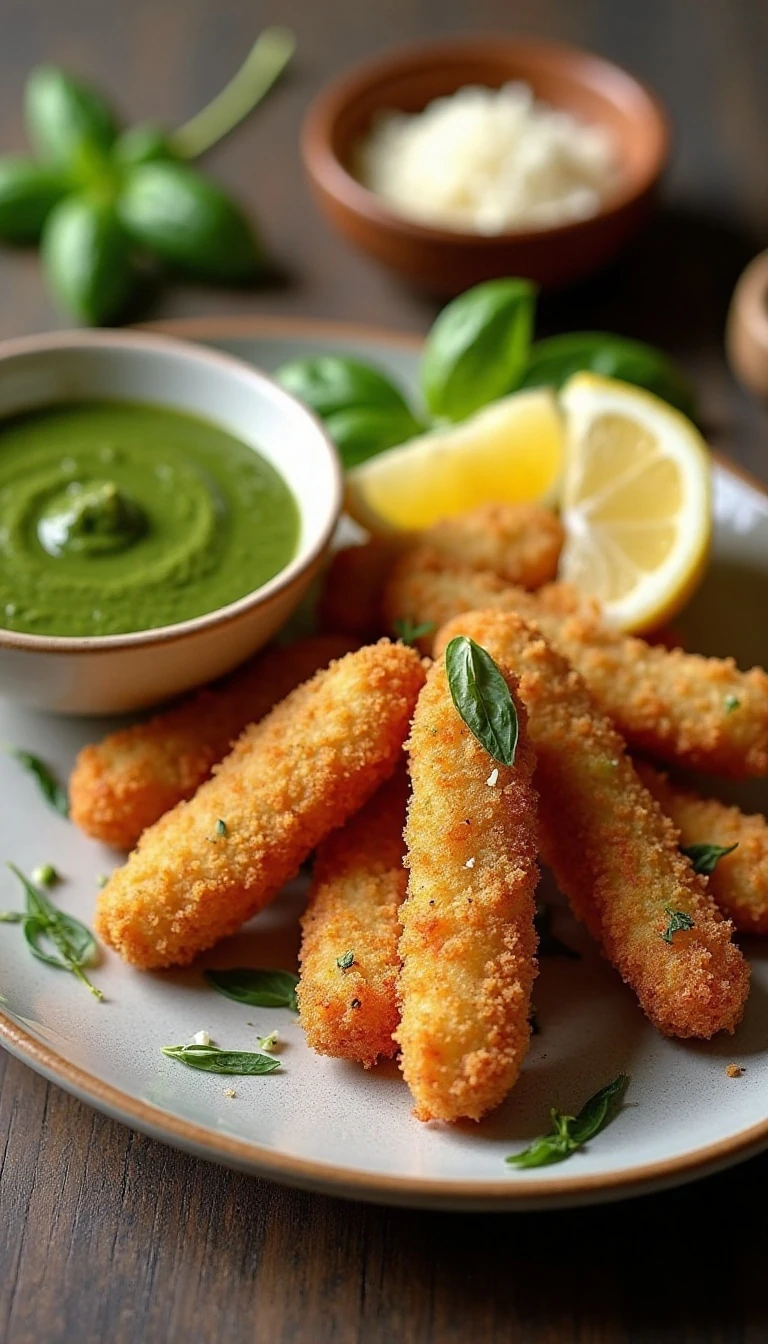
Crispy Steak Fingers with Pesto Sauce
Ingredients
Method
- Trim the steak and cut it across the grain into strips about 1/2 inch thick and 3–4 inches long. Pat the strips dry, then season them with about 1/2 teaspoon kosher salt, the black pepper, and garlic powder.
- Prepare three shallow bowls. Put the flour and remaining salt in the first, beat the eggs with the water or milk in the second, and combine the panko, Parmesan, and paprika in the third.
- Coat each steak strip in flour, dip it into the egg mixture, and press it firmly into the panko mixture. For a thicker crust, dip the strip in egg and panko a second time.
- Refrigerate the coated steak fingers for 10–15 minutes. This short rest helps the breading adhere during frying and gives the coating a better chance to stay attached.
- Make the pesto by pulsing basil, pine nuts, garlic, Parmesan, and salt in a food processor. Gradually add the olive oil until the sauce is smooth but still slightly textured, then stir in lemon juice if using.
- Heat about 1/4 inch of neutral oil in a heavy skillet to approximately 350°F (175°C). Fry the steak fingers in batches for about 2–3 minutes per side, turning once, until deeply golden and cooked through.
- Transfer the cooked steak fingers to a wire rack or paper towels and season lightly with salt. Let thin sirloin strips rest for 3 minutes after reaching at least 145°F (63°C), then serve immediately with pesto for dipping.
Notes
Final Thoughts
Crispy steak fingers with pesto sauce bring together everything a satisfying dinner needs: tender beef, a crunchy Parmesan-panko crust, and a fresh sauce that keeps every bite lively. Cutting the steak across the grain, chilling the breaded strips, and maintaining the oil near 350°F are the simple details that make this recipe dependable.
Serve the fingers hot with plenty of pesto for dipping, add a crisp vegetable side, and enjoy them while the coating is at its crunchiest. For a celebratory dessert after dinner, finish with this chocolate Bundt cake and make the meal feel truly special.