Shrimp Pasta in Lemon Cream Sauce is a quick, satisfying dinner made with linguine or fettuccine, tender sautéed shrimp, garlic, heavy cream, Parmesan, and fresh lemon. It serves 4 and comes together in about 30–40 minutes, with 10–15 minutes of preparation and 20–25 minutes of cooking.
The finished pasta is rich without tasting heavy, thanks to fragrant lemon zest and lemon juice added at the end. Each strand is coated in a silky cream sauce, while briefly cooked large shrimp stay juicy, tender, and full of delicate seafood flavor.
Jump to RecipeWhy You’ll Love This Recipe

This shrimp pasta is the kind of meal that feels special enough for company but is easy enough for a weeknight. The ingredients are familiar, the cooking method is straightforward, and the entire dish reaches the table in about 30–40 minutes.
The flavor balance is what makes this recipe memorable. Heavy cream and Parmesan provide a savory, velvety base, while garlic gives the sauce warmth and lemon supplies the fresh, bright finish that keeps every bite inviting.
Large shrimp are especially useful here because they stay tender during the brief sauté. Cooking them separately also gives you better control over their texture, so they can be returned to the skillet only after the pasta and sauce are ready.
If you enjoy seafood pasta with a bolder seasoning profile, our Cajun shrimp pasta offers a spicier direction. For this lemon version, the goal is a clean garlic-citrus flavor with gentle richness.
Ingredients You’ll Need
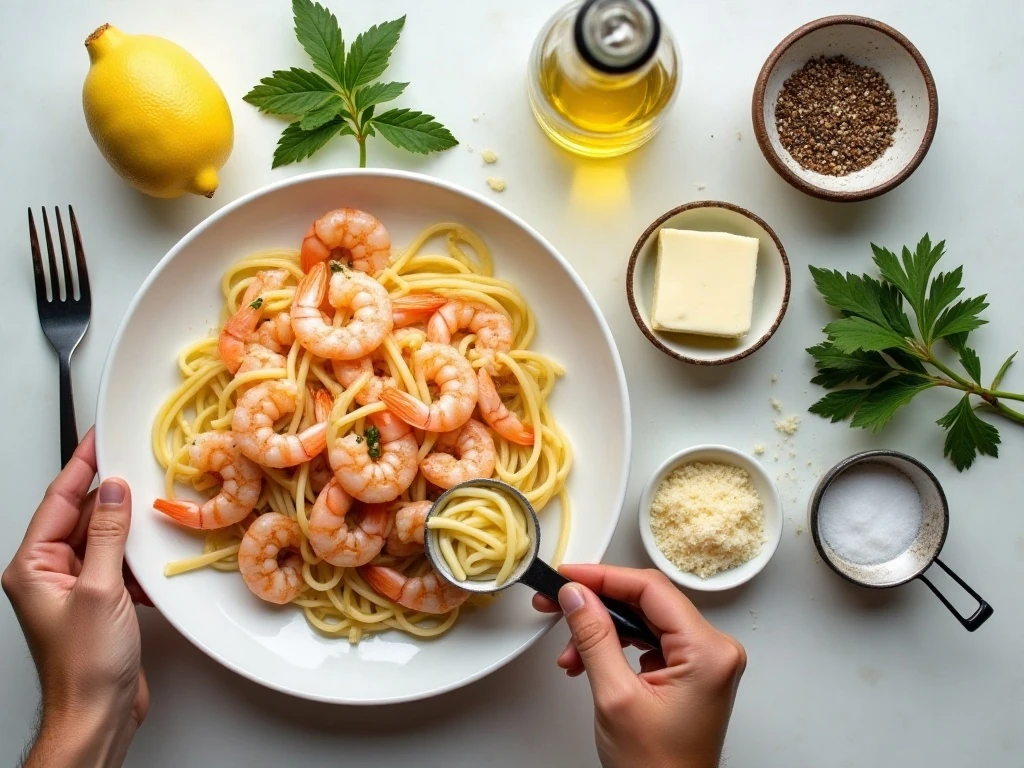
Start with 12 ounces of linguine or fettuccine. Long pasta works beautifully because the creamy sauce winds around each strand, but either shape is suitable and the package cooking time will guide you toward an al dente texture.
- Shrimp: Use 1 pound of large peeled and deveined shrimp. Tails may be left on for presentation or removed for easier eating.
- Butter and olive oil: Together, they create a flavorful cooking base while helping the shrimp brown gently in the skillet.
- Garlic: Four finely minced cloves add a savory foundation. Keep the heat moderate and cook the garlic only until fragrant.
- Cream and Parmesan: One cup of heavy cream and 1/2 cup of finely grated Parmesan create the sauce’s body and salty, nutty finish.
- Lemon: Fresh zest goes into the cream for aroma, while 2 tablespoons of juice are stirred in near the end for brightness.
- Finishing ingredients: Kosher salt, black pepper, 2 tablespoons of fresh parsley, and optional red-pepper flakes complete the dish.
Freshly grated Parmesan melts more smoothly than many pre-shredded varieties. Also, keep 1/2 cup of pasta-cooking water nearby before you drain the noodles; that starchy liquid is an important part of the sauce.
For another creamy pasta idea, you can browse this creamy pesto pasta with chicken and broccoli. It has a different flavor profile, but it is equally useful when you want a comforting pasta dinner.
How to Make It Step-by-Step
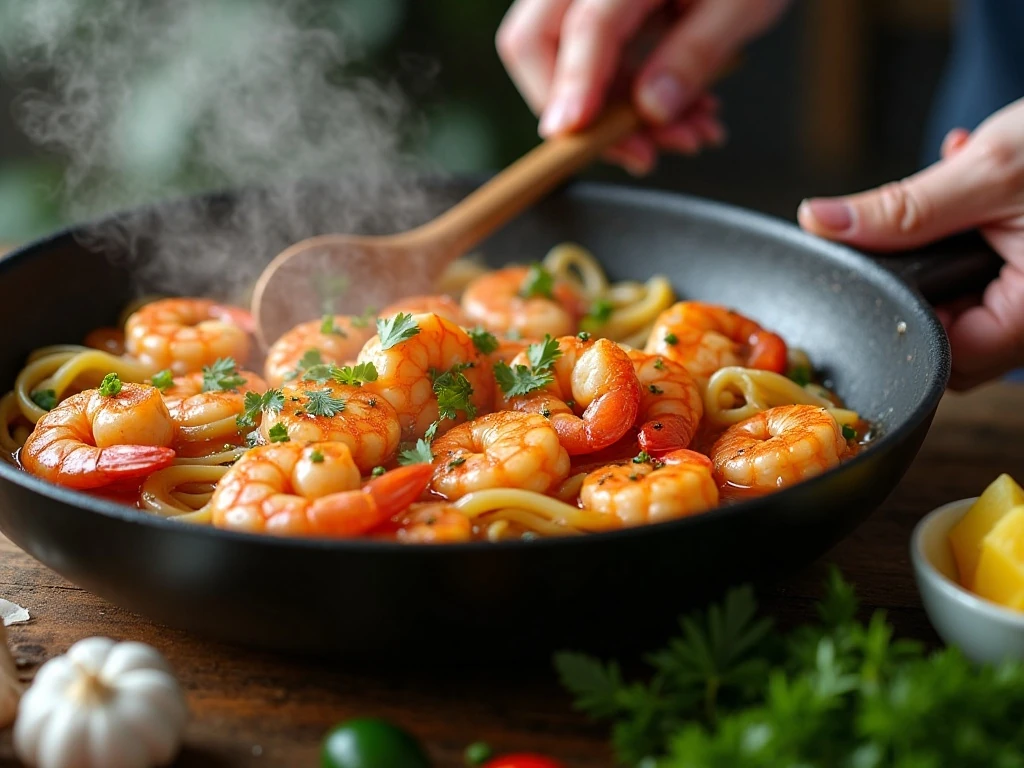
Step 1: Bring a large pot of generously salted water to a full boil. Add the linguine or fettuccine and cook according to the package directions until just al dente, since the noodles will spend another minute in the skillet.
Step 2: Before draining the pasta, scoop out 1/2 cup of its cooking water and set it aside. Drain the noodles without rinsing them, because the remaining surface starch helps the lemon cream sauce cling.
Step 3: Pat the shrimp dry with paper towels, then season them lightly with salt and pepper. Removing excess moisture helps them cook efficiently instead of releasing too much liquid into the hot skillet.
Step 4: Heat 1 tablespoon of olive oil and 1 tablespoon of butter in a large skillet over medium-high heat. Add the shrimp in a single layer and cook for approximately 1–2 minutes per side, just until pink and opaque; transfer them to a plate immediately.
Step 5: Reduce the heat to medium and add the remaining tablespoon of butter. Stir in the minced garlic and cook for about 30–60 seconds, stopping as soon as it smells fragrant so it does not become bitter or browned.
Step 6: Pour the heavy cream into the skillet and add the lemon zest, black pepper, and red-pepper flakes if using. Let the mixture simmer gently for 2–3 minutes, keeping it below a hard boil.
Step 7: Lower the heat and whisk in the finely grated Parmesan. Add a small splash of reserved pasta water, whisking as you go, until the sauce looks smooth, glossy, and fluid enough to coat the noodles.
Step 8: Add the drained pasta and toss thoroughly with tongs. Stir until the sauce reaches every strand, adding more pasta water a little at a time if the mixture appears too thick.
Step 9: Stir in the fresh lemon juice over low heat or after taking the skillet off the burner. Adding it late preserves the clean citrus taste and reduces the chance of the cream sauce separating.
Step 10: Return the shrimp to the skillet and warm the dish briefly for about 1 minute. Sprinkle with parsley, then taste and finish with more lemon juice, Parmesan, or black pepper if needed.
For a simpler seafood pairing with a similarly fragrant foundation, try our garlic butter shrimp and pasta. The lemon cream version is richer and more citrus-forward, while both recipes depend on careful shrimp timing.
Pro Tips for Silky Lemon Cream Sauce
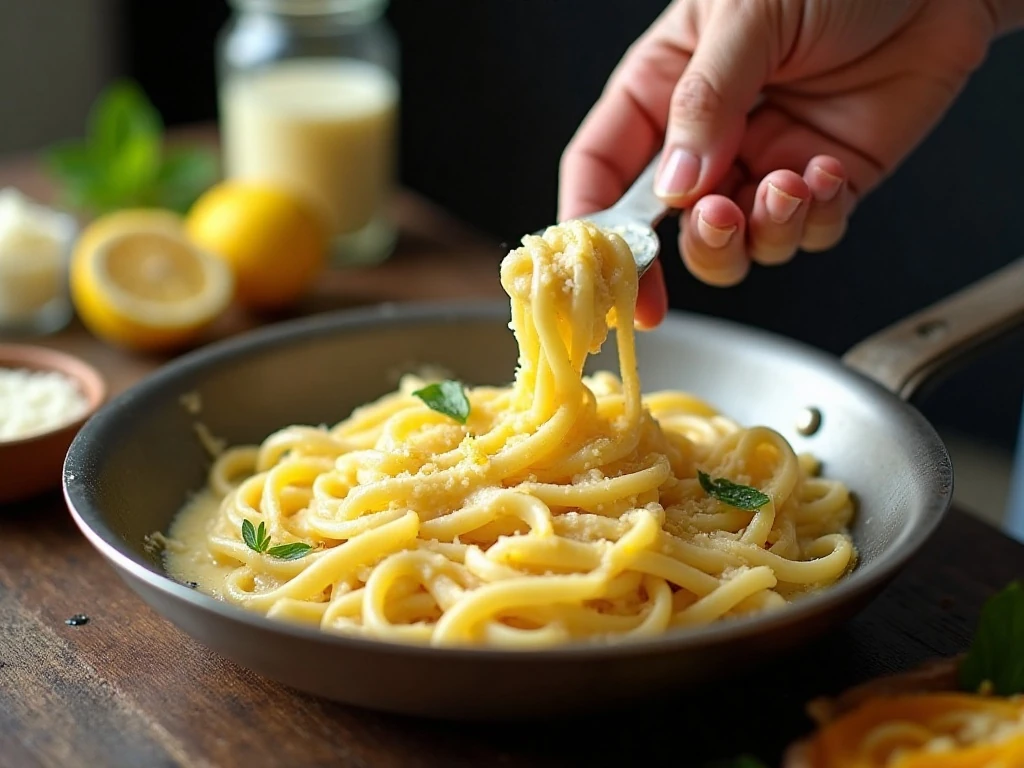
The most important tip is to reserve the pasta water before draining. Its starch helps bind the butter, cream, cheese, and lemon into a sauce that feels cohesive rather than loose or greasy.
Use low heat when adding Parmesan. High heat can make cheese tighten or turn grainy, while gentle warmth allows it to melt into the cream more evenly.
- Do not crowd the shrimp: A single layer encourages even cooking. If your skillet is small, cook in batches.
- Watch the shrimp closely: Large shrimp usually need only 1–2 minutes per side. Once pink and opaque, move them off the heat.
- Protect the garlic: Garlic should become fragrant in 30–60 seconds, not brown. Burnt garlic can dominate the mild lemon sauce.
- Add juice late: Lemon zest can simmer with the cream, but lemon juice is best stirred in near the end.
- Adjust gradually: Add pasta water in small splashes so the sauce does not become too thin.
Taste the completed pasta before adding extra salt. Parmesan contributes saltiness, and the pasta water is salted as well, so a final adjustment is better than seasoning too heavily at the start.
What to Serve With Shrimp Pasta
This pasta is rich and satisfying on its own, so simple sides work best. A crisp green salad with a mild vinaigrette adds freshness, while steamed broccoli, asparagus, or green beans bring color and texture without competing with the lemon.
Warm bread is also welcome for catching the remaining sauce. If you want a poultry-based meal with similar creamy lemon notes, our creamy lemon chicken and asparagus is a fitting alternative for another night.
For drinks, choose sparkling water with lemon, a crisp white wine, or an unsweetened iced tea. The bright citrus in the pasta pairs best with beverages that refresh rather than add more sweetness.
Storage and Reheating

Place leftovers in a covered container and refrigerate them promptly. The pasta is best enjoyed fresh, but it can be reheated gently on the stovetop or in short microwave intervals.
Add a small splash of water or cream while reheating to loosen the sauce. Stir often and warm only until hot, since prolonged high heat can make the shrimp firm and cause the cream sauce to separate.
If you are planning ahead, cook the shrimp and pasta as close to serving time as possible. The shrimp’s texture is at its best when it is briefly cooked, removed from the skillet, and returned only for the final minute.
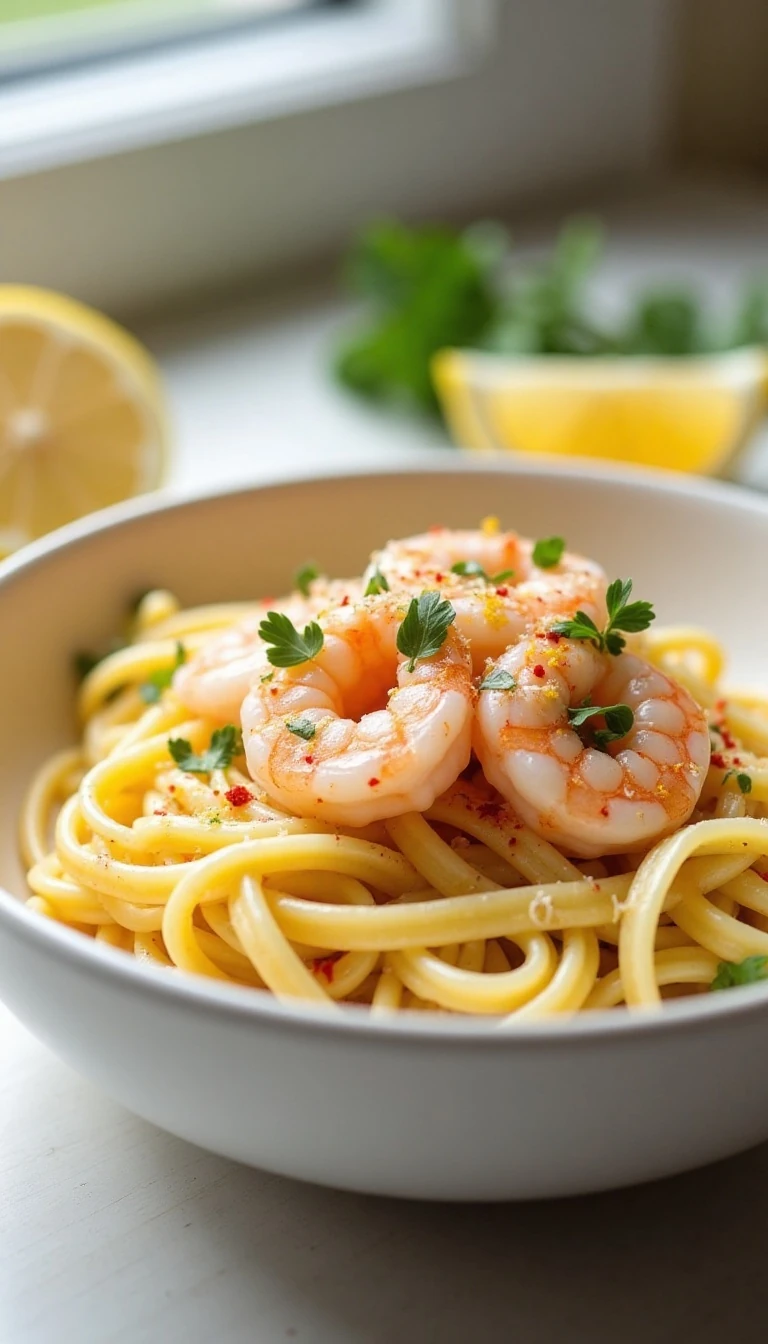
Shrimp Pasta in Lemon Cream Sauce
Ingredients
Method
- Bring a large pot of generously salted water to a boil. Cook the linguine or fettuccine until just al dente according to the package directions, reserve 1/2 cup of the cooking water, and drain.
- Pat the shrimp dry and season lightly with salt and pepper. Heat the olive oil and 1 tablespoon of butter in a large skillet over medium-high heat, then cook the shrimp for approximately 1–2 minutes per side until pink and opaque; transfer them to a plate.
- Reduce the skillet heat to medium and add the remaining tablespoon of butter and the minced garlic. Cook for about 30–60 seconds, stirring often, until fragrant but not browned.
- Pour in the heavy cream and add the lemon zest, black pepper, and optional red-pepper flakes. Simmer gently for 2–3 minutes so the cream warms and the garlic and citrus aromas infuse the sauce.
- Lower the heat and whisk in the finely grated Parmesan. Add a little reserved pasta water, a splash at a time, until the sauce becomes smooth and loose enough to coat the pasta.
- Add the drained pasta to the skillet and toss until every strand is coated. Stir in the lemon juice over low heat or after removing the pan from the burner to keep the cream sauce smooth.
- Return the shrimp to the skillet and warm everything briefly for about 1 minute. Finish with chopped parsley and adjust with additional Parmesan, black pepper, or lemon juice as desired.
Notes
Final Thoughts
Shrimp Pasta in Lemon Cream Sauce brings together everything a great dinner needs: tender seafood, silky noodles, fragrant garlic, savory Parmesan, and fresh lemon flavor. The technique is simple, but reserving pasta water, cooking the shrimp separately, and adding lemon juice at the end make a noticeable difference.
Serve it hot with parsley, extra Parmesan, and a final twist of black pepper. For dessert, finish the meal with these Smore ice cream sandwiches for a playful sweet contrast to the bright, creamy pasta.
Once you make this recipe, it is easy to adjust the final flavor to your table. Add the optional red-pepper flakes for gentle heat, use extra lemon juice for more brightness, or loosen the sauce with another spoonful of reserved pasta water until every strand is glossy and perfectly coated.