This glazed sweet potato cake is a moist, warmly spiced Bundt cake made with mashed cooked sweet potatoes, butter, buttermilk, cinnamon, nutmeg, and ginger. It bakes at 350°F for 55–65 minutes, serves about 12 people, and finishes with a simple vanilla glaze that sets into a delicate, sweet topping.
Every slice is tender, buttery, and full of cozy Southern-style flavor without being overly heavy. The sweet potato adds moisture and gentle earthy sweetness, while the vanilla glaze brightens the spices and gives the cake a beautiful bakery-style finish.
Jump to RecipeWhy You’ll Love This Recipe
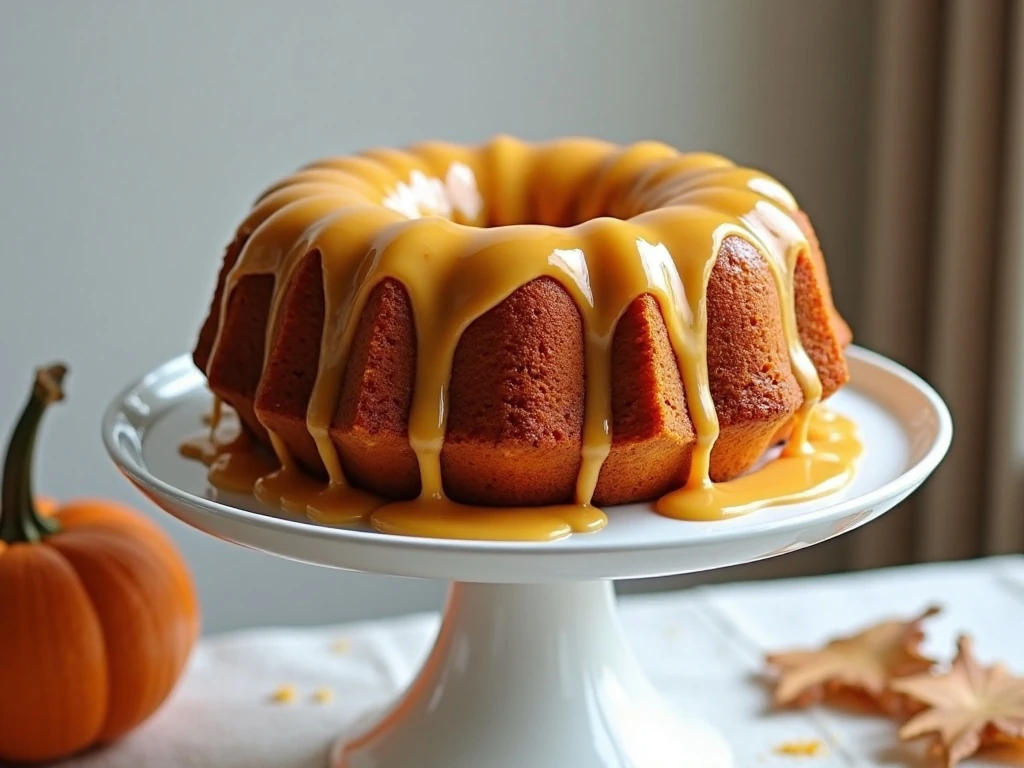
This sweet potato cake has the comforting character of a classic spice cake, but its texture is especially soft and moist. Two full cups of mashed sweet potato create a tender crumb, while buttermilk adds gentle tang and helps balance the sweetness of the batter.
The Bundt shape does much of the decorating work for you. Once the cake is inverted, its ridges and curves catch the vanilla glaze beautifully, creating a dessert that looks special enough for a holiday table but is simple enough for a relaxed weekend bake.
The flavor is also easy to customize without changing the core recipe. Add pecans or walnuts for crunch, orange zest for a fresh citrus note, or a small amount of cloves for a deeper spice profile.
If you enjoy desserts built around this versatile vegetable, you may also like our favorite sweet potato pie for another warmly spiced Southern-inspired treat.
Ingredients You’ll Need
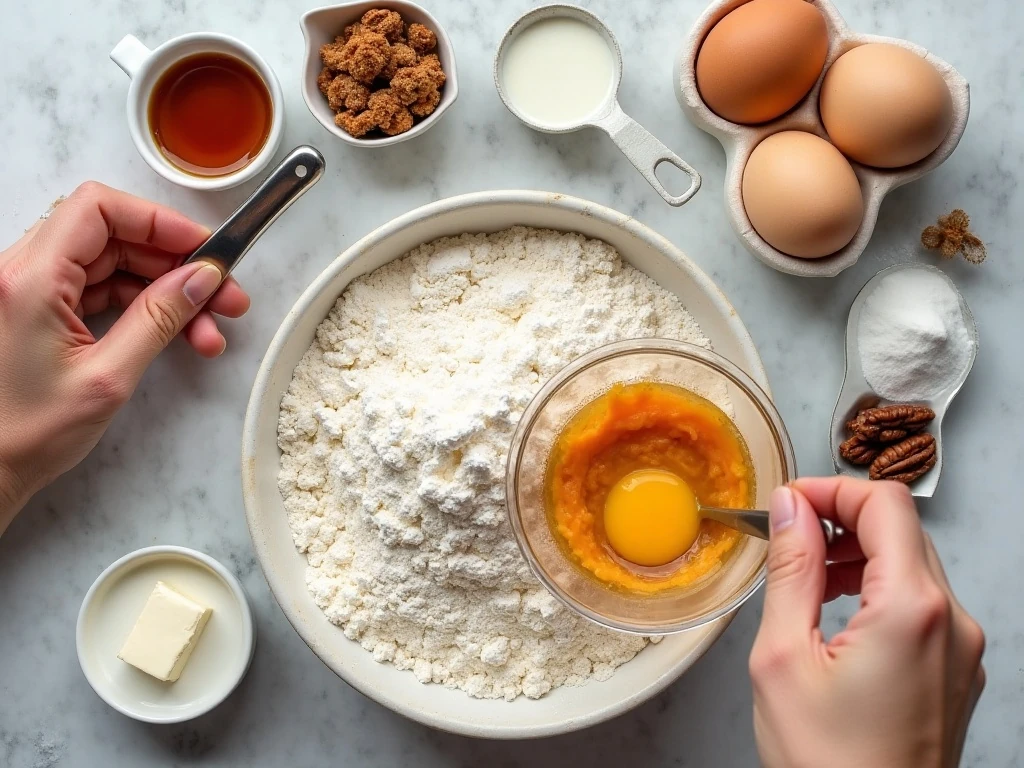
The ingredient list is straightforward, but each component has an important role in the final cake. Measure the flour carefully and use softened butter, room-temperature eggs, and cooled sweet potato for the most even batter.
- Flour and leaveners: All-purpose flour provides structure, while baking powder and baking soda help the cake rise.
- Warm spices: Cinnamon, nutmeg, and ginger give the cake its cozy flavor. Cloves are optional for a more pronounced spice blend.
- Butter and sugar: Creamed unsalted butter gives the crumb richness, and granulated sugar provides sweetness and tenderness.
- Sweet potatoes: Use 2 cups of smooth, well-drained mashed cooked sweet potato. Measure the purée after cooking and cooling.
- Buttermilk: This adds moisture and a mild tang that keeps the cake from tasting flat.
- Vanilla glaze: Confectioners’ sugar, milk or orange juice, vanilla, and a pinch of salt make a quick finishing drizzle.
For a slightly nutty texture, fold in 1/2 cup of chopped pecans or walnuts. Orange zest is another lovely optional addition, especially when orange juice is used in the glaze.
For a different celebration cake, take a look at this cherry and pistachio cake idea, which makes a colorful addition to a dessert spread.
Preparing the Sweet Potatoes
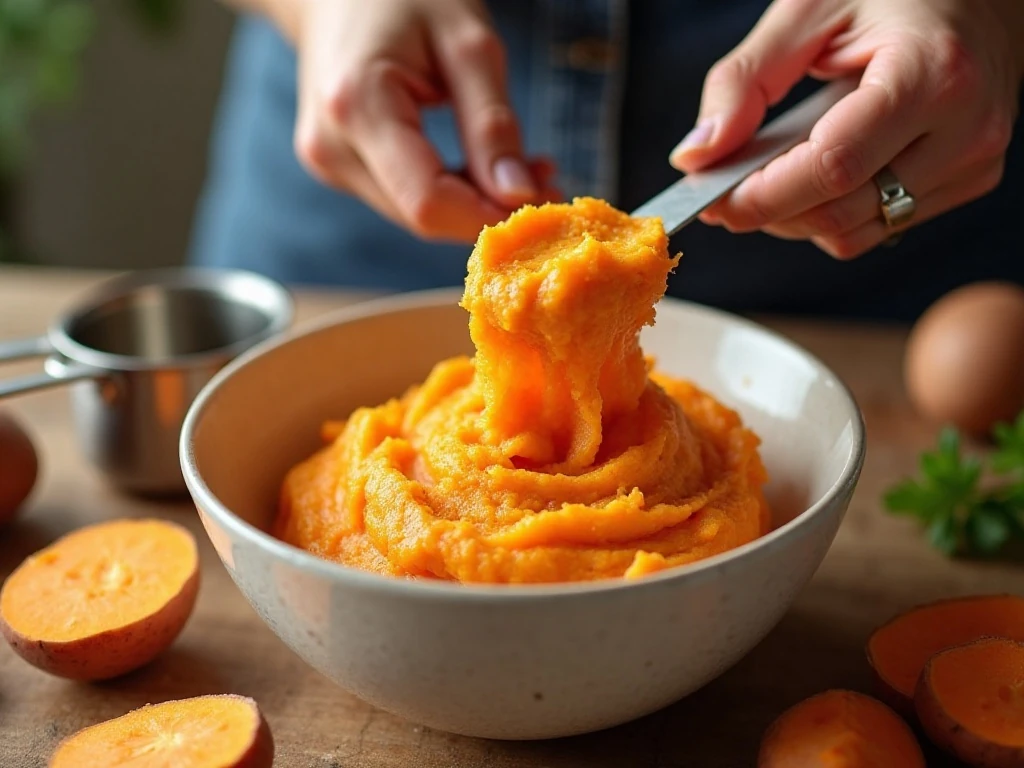
Sweet potatoes can be baked or boiled before you begin the cake. Baking concentrates their flavor and usually produces a drier mash, while boiling is convenient when you have already peeled and cubed the potatoes.
To bake them, heat the oven to 400°F and bake whole sweet potatoes for about 45–60 minutes, or until a knife slides easily into the centers. Let them cool enough to handle, remove the skins, and mash the flesh until smooth.
For the boiling method, peel and cube the sweet potatoes, place them in a pot, and boil until completely soft. Drain them very well, allow them to cool, and mash until no large pieces remain.
Do not skip the draining and cooling stages. Watery purée can make the cake heavy and may keep the center from baking properly, while hot sweet potato can soften the butter too quickly when the batter is mixed.
How to Make It Step-by-Step
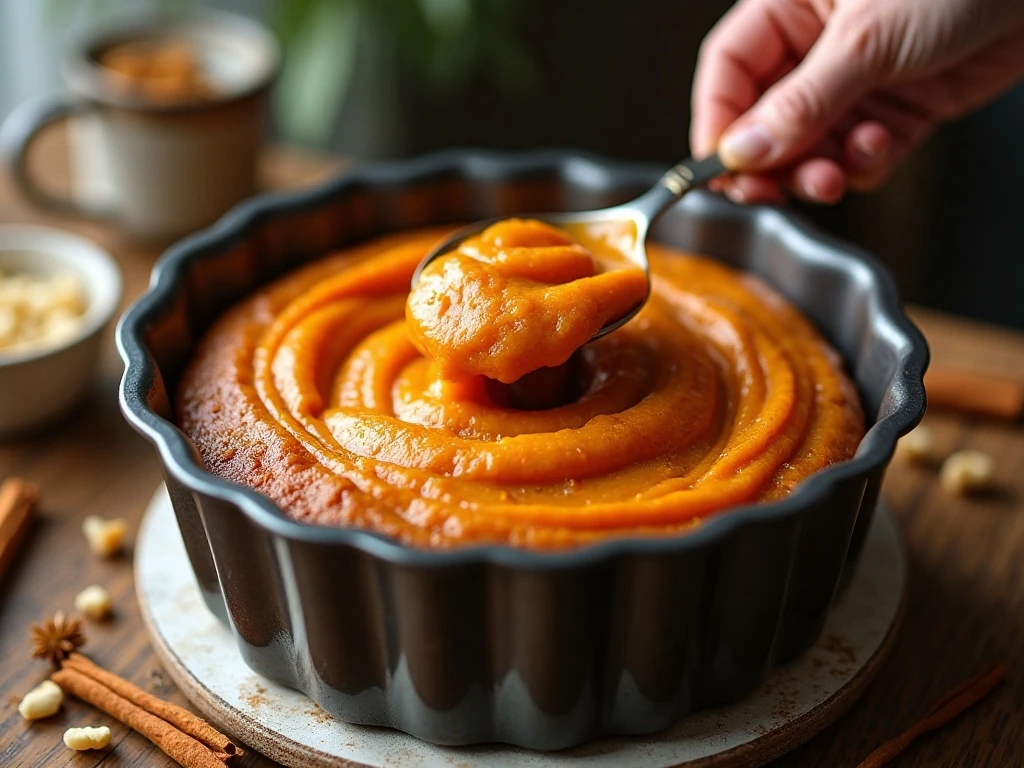
Step 1: Prepare the pan and oven. Heat the oven to 350°F, then grease every ridge and inner surface of a 10- to 12-cup Bundt pan. Dust it thoroughly with flour, tapping out the excess, or use baking spray that contains flour.
Step 2: Combine the dry ingredients. Whisk the flour, baking powder, baking soda, cinnamon, nutmeg, ginger, and salt in a medium bowl. Whisking distributes the spices and leaveners evenly so each slice has consistent flavor and rise.
Step 3: Cream the butter and sugar. Place the softened butter and granulated sugar in a large mixing bowl and beat for about 3–4 minutes. The mixture should look noticeably lighter and fluffy, which helps create a delicate crumb.
Step 4: Add the eggs gradually. Beat in the room-temperature eggs one at a time, mixing well after each addition. Scrape the sides and bottom of the bowl as needed so the butter mixture stays uniform.
Step 5: Add the sweet potato and vanilla. Mix in the cooled mashed sweet potato and vanilla extract until the batter is evenly colored and smooth. A few small sweet potato streaks are fine, but large lumps should be broken up before this stage.
Step 6: Alternate the flour mixture and buttermilk. Add the dry ingredients in three additions, alternating with the buttermilk in two additions. Begin and end with the dry ingredients, mixing only until the last streaks of flour disappear.
Step 7: Add optional ingredients. If using pecans, walnuts, orange zest, or cloves, fold them in gently at the end. Avoid extended mixing because overworked batter can produce a firmer cake.
Step 8: Fill and bake the Bundt pan. Spoon the batter evenly into the prepared pan and smooth the surface with a spatula. Bake for 55–65 minutes, checking the thickest part with a toothpick; it should come out clean or show only a few moist crumbs.
Step 9: Cool before removing. Let the cake rest in the pan for 10–15 minutes, giving the crumb time to settle while it is still warm enough to release. Invert it onto a wire rack and allow it to cool completely, which takes at least 1 hour before glazing.
Step 10: Mix and apply the glaze. Whisk the confectioners’ sugar, vanilla, salt, and 2 tablespoons of milk or orange juice. Add the remaining liquid a little at a time until the glaze is smooth, thick, and pourable, then drizzle it over the completely cooled cake.
Pro Tips for a Moist, Cleanly Released Cake
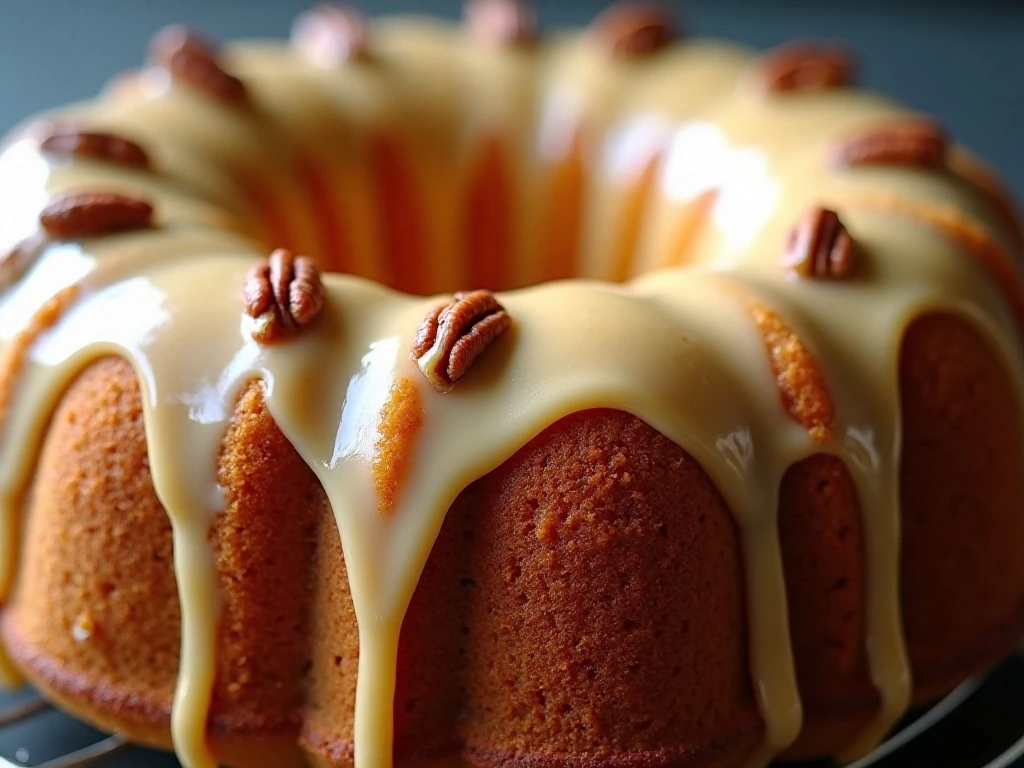
The most important Bundt cake tip is to prepare the pan carefully. Brush softened butter into every ridge, especially around the center tube, then dust with flour or use a flour-based baking spray.
Use sweet potato purée that is thick rather than watery. If the mash seems loose after boiling, let it drain thoroughly in a sieve before measuring the required 2 cups.
Room-temperature eggs blend more easily into creamed butter, and softened butter traps air better than cold butter. However, the sweet potato should be cooled so it does not melt the butter mixture or change the batter’s consistency.
Keep mixing to a minimum after the flour is added. Alternating the dry mixture with buttermilk makes incorporation easier, but the batter should be mixed only until combined.
Do not rush the release. Cooling for 10–15 minutes in the pan helps the cake firm slightly, while leaving it there too long can allow moisture to collect and make sticking more likely.
For more practical baking inspiration, pair this cake with other homemade desserts such as these individual ramekin cheesecakes when serving a varied dessert menu.
Glaze, Serving, and Storage
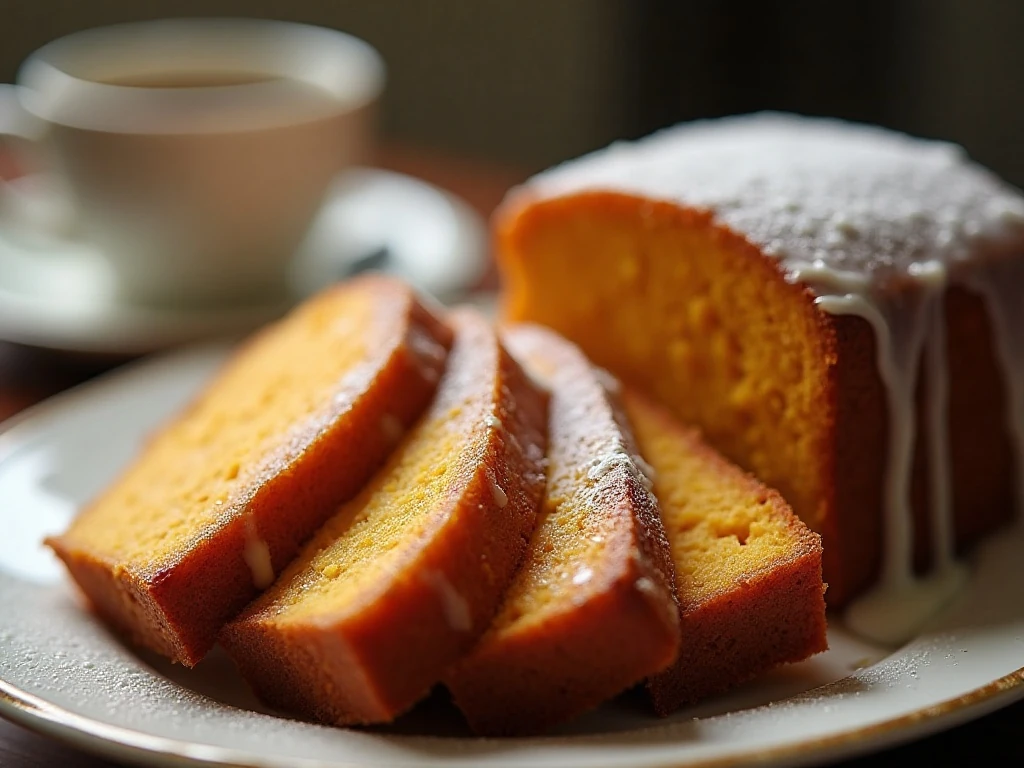
The glaze should be thick enough to cling to the cake but loose enough to flow down its ridges. Start with 2 tablespoons of liquid and add more gradually; a little extra milk or orange juice can change the consistency quickly.
Milk creates a classic creamy vanilla finish, while orange juice adds a subtle citrus note that pairs especially well with sweet potato and warm spices. For a pretty presentation, drizzle from a spoon or small measuring cup after placing the cooled cake on its serving stand.
Let the glaze sit for a few minutes before slicing so it can settle on the surface. Serve the cake at room temperature with coffee, tea, or a small spoonful of whipped cream.
- Keep the covered cake at room temperature for up to 2 days.
- Refrigerate it for longer storage, well covered to prevent it from drying out.
- Allow refrigerated slices to sit at room temperature briefly before serving for the softest texture.
- Slice with a sharp serrated knife to preserve the Bundt ridges and glaze.
If you are planning a savory meal before dessert, our baked chicken and potato casserole makes a comforting main course for a family gathering. For a playful dessert table, you can also include this fun dirt cake alongside the more traditional Bundt cake.
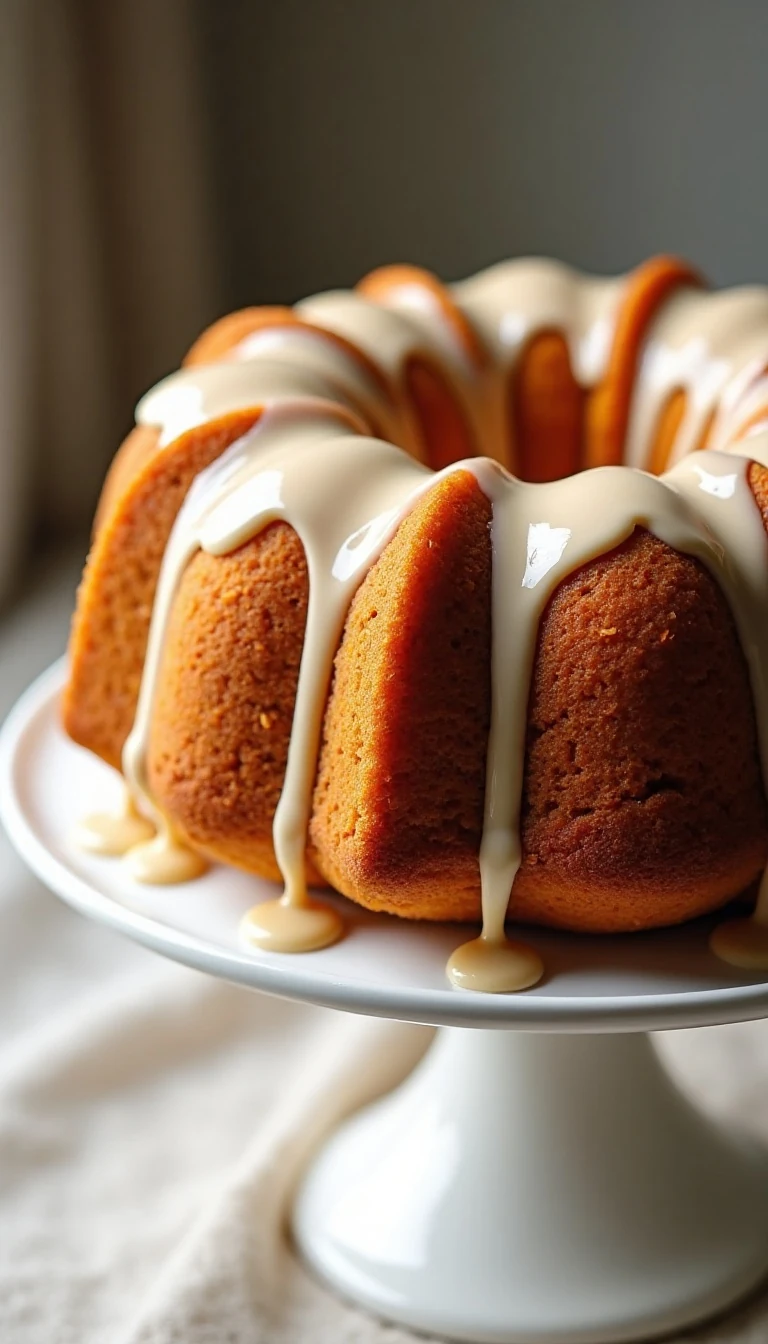
The Perfect Glazed Sweet Potato Cake
Ingredients
Method
- Cook the sweet potatoes until very tender. Bake them at 400°F for about 45–60 minutes, or peel, cube, and boil them until soft. Cool, mash until smooth, and measure 2 cups.
- Heat the oven to 350°F and thoroughly grease and flour a 10- to 12-cup Bundt pan.
- Whisk the flour, baking powder, baking soda, cinnamon, nutmeg, ginger, and salt together in a bowl.
- Beat the softened butter and sugar for 3–4 minutes, until light and fluffy. Add the eggs one at a time, beating well after each addition, then mix in the sweet potato and vanilla.
- Add the dry ingredients in three additions, alternating with the buttermilk in two additions. Mix only until combined, then fold in nuts if using.
- Transfer the batter to the prepared pan and smooth the top. Bake for 55–65 minutes, until a toothpick inserted in the thickest part comes out clean or with a few moist crumbs.
- Cool the cake in the pan for 10–15 minutes, then invert it onto a rack. Cool completely before glazing.
- Whisk the confectioners’ sugar, milk or orange juice, vanilla, and salt until smooth. Add the liquid gradually so the glaze remains thick but pourable, then drizzle it over the cooled cake.
Notes
Final Thoughts
This glazed sweet potato cake is the kind of dessert that earns a place in the regular baking rotation. It combines a tender, buttery crumb with fragrant spices and a simple vanilla glaze, making every slice inviting without requiring complicated decorating.
Prepare the sweet potatoes ahead of time, drain the purée well, and give the finished cake at least an hour to cool before glazing. With those small details in place, you will have a golden Bundt cake that releases cleanly, slices beautifully, and stays moist enough for sharing the next day.
Serve it for Thanksgiving, a Sunday dinner, a fall gathering, or any afternoon when a warm spice cake sounds just right. The glaze can remain classic with milk or take on a bright citrus note with orange juice, so the recipe is easy to make your own while keeping its reliable texture.