This Pear Martini is a crisp, elegant cocktail made with 2 ounces of pear vodka, 1/2 ounce of pear liqueur, fresh lemon juice, and a touch of simple syrup. Shake everything with plenty of ice for 10–15 seconds, strain into a chilled martini or coupe glass, and garnish with a thin pear slice or lemon twist for a polished drink ready in about 5 minutes.
The flavor is bright, lightly floral, and distinctly pear-forward, with fresh lemon providing the acidity needed to keep the cocktail from tasting sugary or flat. It is an excellent aperitif for dinner parties, holiday gatherings, autumn celebrations, or any evening that calls for something graceful and refreshing.
Jump to RecipeWhy You’ll Love This Recipe
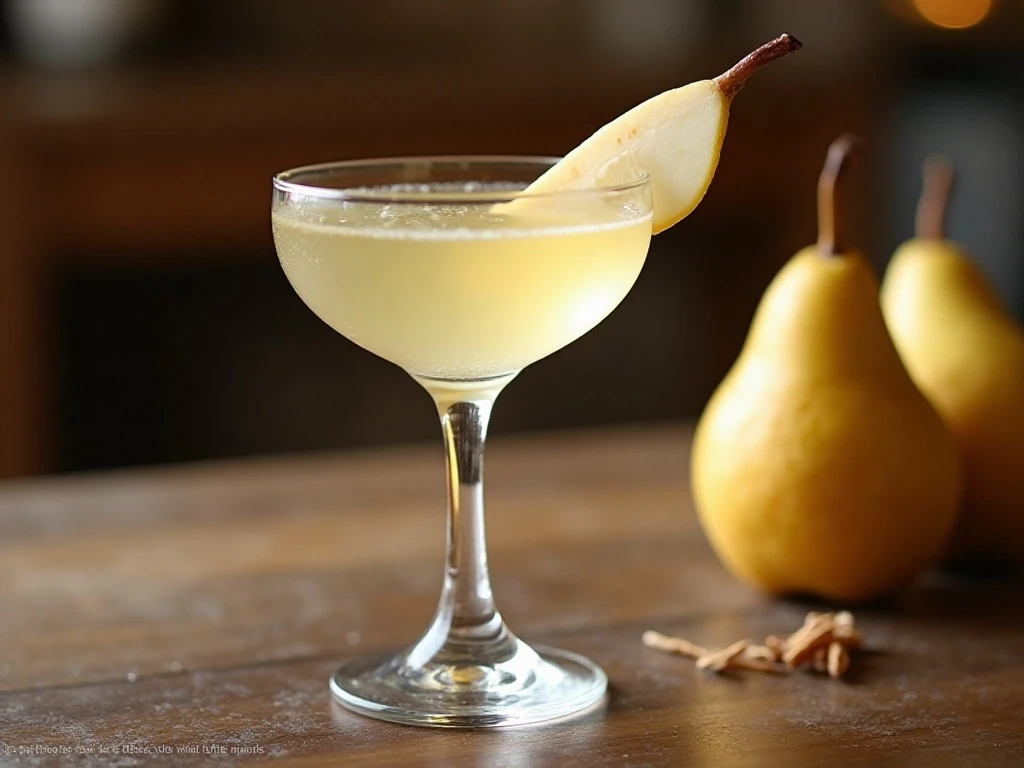
A good Pear Martini is wonderfully simple: it has the clean structure of a vodka cocktail, the soft fragrance of ripe pear, and enough lemon brightness to keep every sip lively. The drink feels special without requiring a long ingredient list, elaborate equipment, or advanced bartending skills.
It is also flexible enough for different occasions. Serve it before a holiday meal, pour it for a small dinner party, or make one when you want a restaurant-style cocktail at home with minimal preparation.
- Fast: The total preparation time is about 5 minutes.
- Balanced: Lemon juice offsets the sweetness of the pear and syrup.
- Elegant: A thin pear slice or lemon twist creates a beautiful finish.
- Customizable: You can use a pear nectar variation when pear vodka or pear liqueur is unavailable.
For a dinner pairing, the cocktail’s citrusy freshness makes a lovely opening drink alongside a plate of savory cheese puffs. The airy pastry and cool pear flavor complement each other without competing for attention.
Ingredients You’ll Need
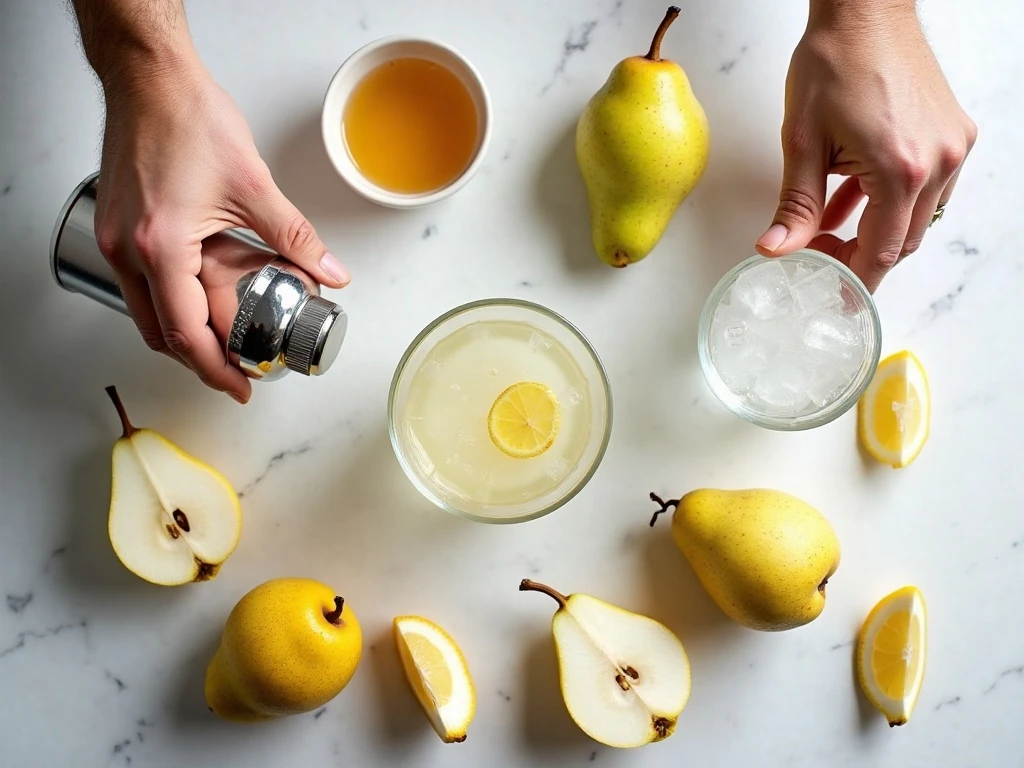
The standard formula begins with 2 ounces of pear vodka. Choose a bottle with a natural pear aroma rather than one that smells strongly of candy, since a cleaner spirit gives the finished drink a more refined profile.
Next comes 1/2 ounce of pear liqueur, such as pear Williams or Mathilde Poire. This small measure intensifies the fruit character while keeping the vodka base noticeable, so the cocktail tastes like pear rather than sweetened juice.
Fresh lemon juice is essential. Measure 1/2 ounce directly from a freshly cut lemon, because bottled juice often lacks the fragrant, lively acidity that gives this drink its crisp finish.
Use 1/4 ounce of simple syrup, or adjust it to taste. Since pear liqueur varies in sweetness from brand to brand, this is the ingredient to fine-tune after you become familiar with your chosen bottles.
- 2 ounces pear vodka
- 1/2 ounce pear liqueur
- 1/2 ounce fresh lemon juice
- 1/4 ounce simple syrup, or to taste
- Plenty of ice
- Thin pear slice, lemon twist, or small pear fan for garnish
If you are planning a larger spread, the bright citrus notes also make this cocktail a natural start before lemon basil spaghetti. Both recipes share a fresh, aromatic quality that works especially well for a relaxed dinner.
How to Make It Step-by-Step
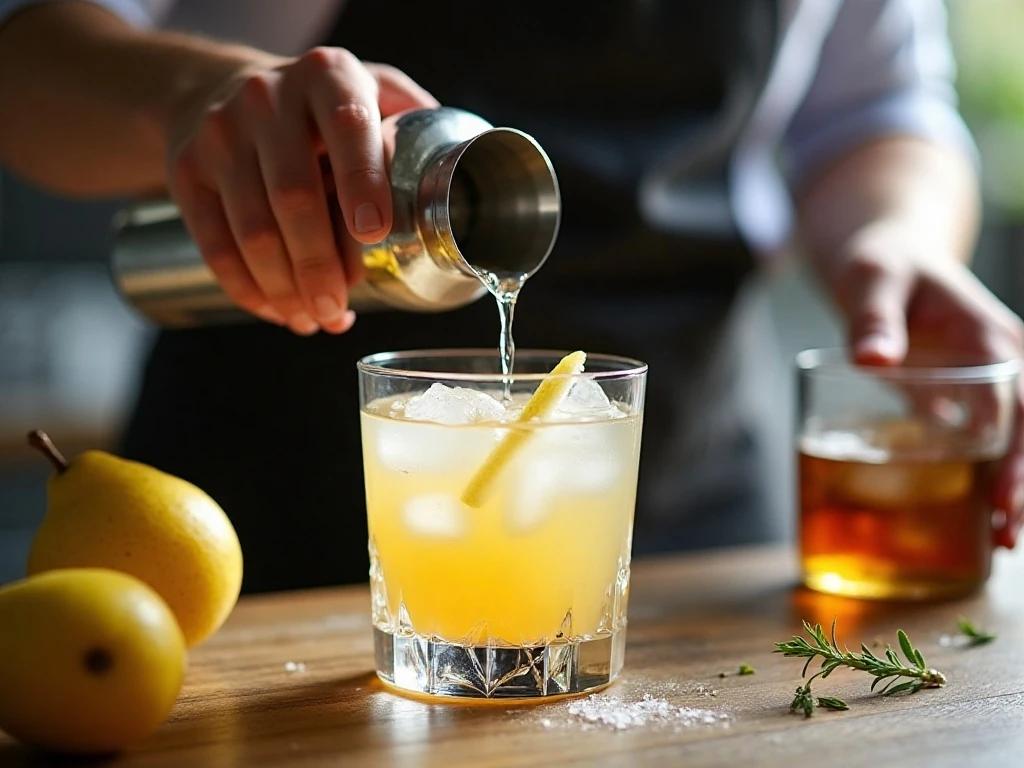
Step 1: Chill a martini or coupe glass before mixing the drink. For a quick method, fill the glass with ice and water while you gather the ingredients, then empty it just before straining.
Step 2: Add 2 ounces of pear vodka, 1/2 ounce of pear liqueur, 1/2 ounce of fresh lemon juice, and 1/4 ounce of simple syrup to a cocktail shaker. Add plenty of hard ice so the drink chills thoroughly without becoming watery too quickly.
Step 3: Shake vigorously for about 10–15 seconds. The shaker should feel very cold, and the force of shaking should properly combine the syrup, citrus, liqueur, and vodka.
Step 4: Strain the cocktail into the chilled martini or coupe glass. A fine strainer can catch tiny ice fragments and lemon pulp, giving the drink a particularly smooth and clear appearance.
Step 5: Add a thin pear slice, lemon twist, or small pear fan as the garnish. Serve immediately while the cocktail is cold and the pear aroma is at its freshest.
How to Balance the Flavor
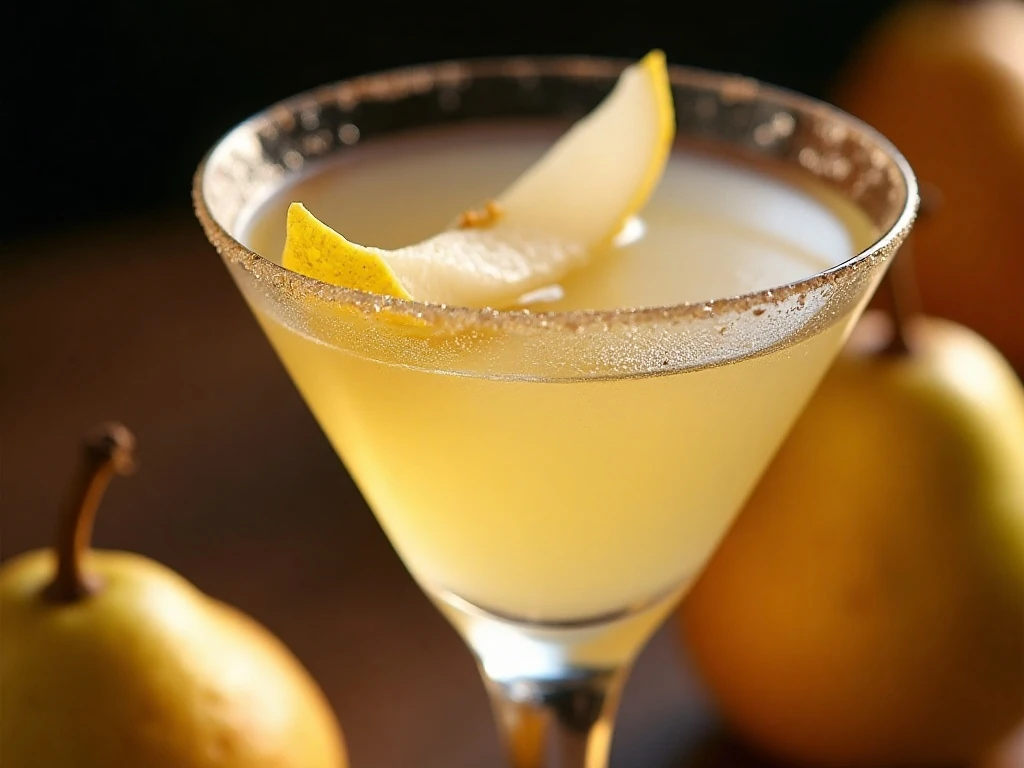
The key to this recipe is the relationship between fruit, sweetness, and acidity. Pear vodka and pear liqueur provide the main flavor, while lemon juice prevents the cocktail from becoming heavy and simple syrup rounds off the sharper edges.
Taste preferences and brands can vary, so small adjustments are welcome. If your first sip seems too sweet, add a small extra squeeze of lemon; if it is too tart, add a very small amount of simple syrup and shake again with ice.
Avoid adding more vodka to correct sweetness. Extra alcohol will make the drink stronger without fixing its balance, while a little additional lemon directly addresses the sugary impression.
For the best pear character, keep the garnish fresh. A ripe but firm pear gives a fragrant slice that looks attractive and holds its shape on the rim, while a lemon twist adds a more vivid citrus aroma.
Pear Nectar Alternative
If you do not have pear vodka and pear liqueur, use 1 1/2 ounces of plain vodka plus 1 ounce of pear nectar. This version has a softer, more juice-forward texture and can be especially appealing when you prefer a gentler cocktail.
Check the label before adding sweetener. Sweetened pear nectar may provide enough sugar on its own, so reduce or omit the simple syrup and let the lemon juice provide the necessary contrast.
The nectar variation still follows the same method: chill the glass, add the ingredients and ice to a shaker, shake for 10–15 seconds, strain, and garnish. The result may be less clear than the liqueur-based version, but it remains fruity, refreshing, and easy to serve.
This alternative is also useful when making cocktails for guests with different preferences. Keep the lemon juice measured, then adjust the syrup carefully so the natural sweetness of the nectar remains pleasant rather than overpowering.
Pro Tips for a Better Martini
Use plenty of hard ice in the shaker. A well-filled shaker chills the drink quickly and creates the proper dilution during the 10–15 seconds of vigorous shaking.
Chill the serving glass thoroughly. A quick ice-and-water bath works well, and it is more dependable than simply rinsing the glass with cold tap water.
Fresh lemon juice makes a noticeable difference. Cut the lemon just before mixing whenever possible, and strain out seeds before adding the juice to the shaker.
For a colder, clearer cocktail, strain through a fine strainer after using the shaker’s main strainer. This removes small ice shards and bits of citrus pulp without changing the recipe.
- Do not overdo the pear liqueur, since a little goes a long way.
- Use simple syrup sparingly and adjust only after considering the sweetness of the liqueur.
- Garnish just before serving to preserve the fruit’s aroma and fresh appearance.
- Serve immediately rather than letting the cocktail sit at room temperature.
For a festive menu, this drink can begin a meal before richer comfort food such as authentic pork carnitas. The martini’s lemony acidity offers a refreshing contrast to savory, slow-cooked meat.
Serving and Pairing Ideas
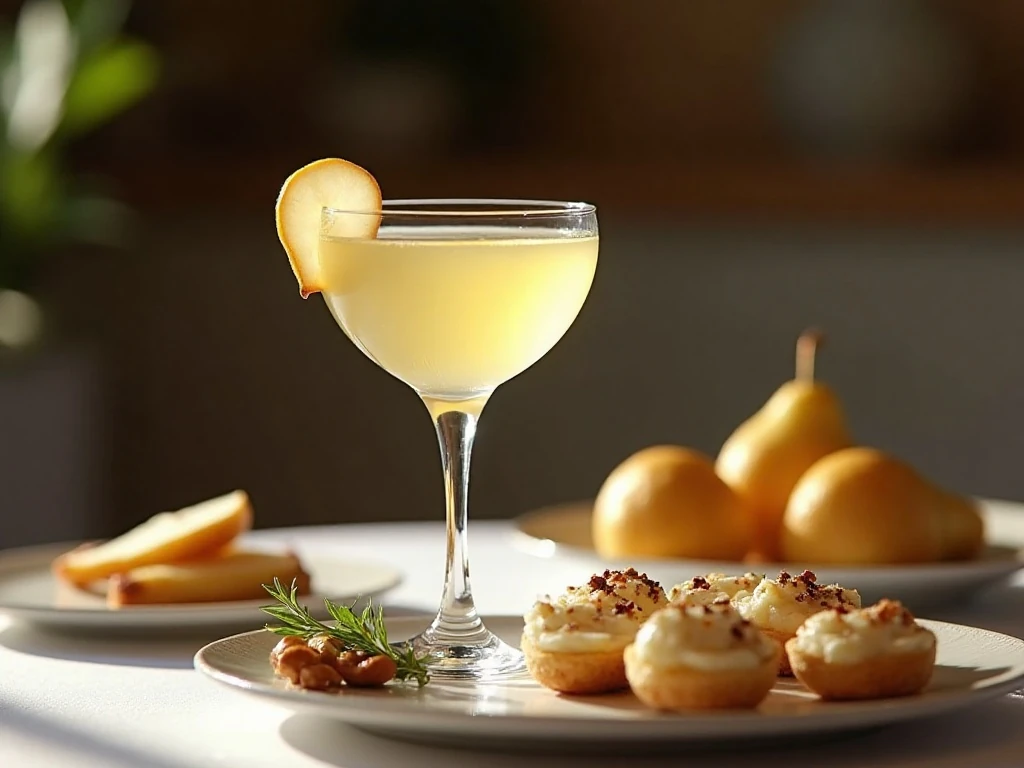
Serve the Pear Martini in a chilled martini glass or coupe with a restrained garnish. The cocktail is already visually delicate, so a single thin pear slice or graceful lemon twist is usually more attractive than a crowded rim.
Light appetizers are an especially good match. Crisp pastries, mild cheeses, roasted nuts, and lightly seasoned seafood allow the pear and lemon flavors to remain clear.
For a more casual gathering, pour the cocktail before easy ravioli pizza. The pizza’s savory flavor and crisp edges make a relaxed companion to the chilled, fruit-forward drink.
Although the martini is often associated with autumn, it works throughout the year. Pear has enough gentle warmth for cool-weather menus, while lemon keeps the drink fresh enough for spring and summer entertaining.
If you are serving a hearty family-style meal, offer the cocktail as an aperitif rather than with every course. It is particularly pleasant before a dish such as slow-cooker kielbasa and cabbage, where its clean fruit and citrus notes prepare the palate.
Make-Ahead and Serving Notes
This cocktail is best mixed just before serving because shaking with ice provides both chilling and dilution. The complete preparation takes only about 5 minutes, so there is little advantage to preparing it far in advance.
You can chill the glass and measure the ingredients ahead of time for a gathering. Keep the measured vodka, pear liqueur, lemon juice, and syrup refrigerated until you are ready to add ice and shake.
Do not store the finished cocktail in the glass for an extended period. As the ice melts and the garnish sits, the drink loses its ideal temperature, aroma, and texture.
For multiple guests, mix each cocktail separately when possible. This preserves the intended dilution and lets you adjust the sweetness or acidity for individual preferences.
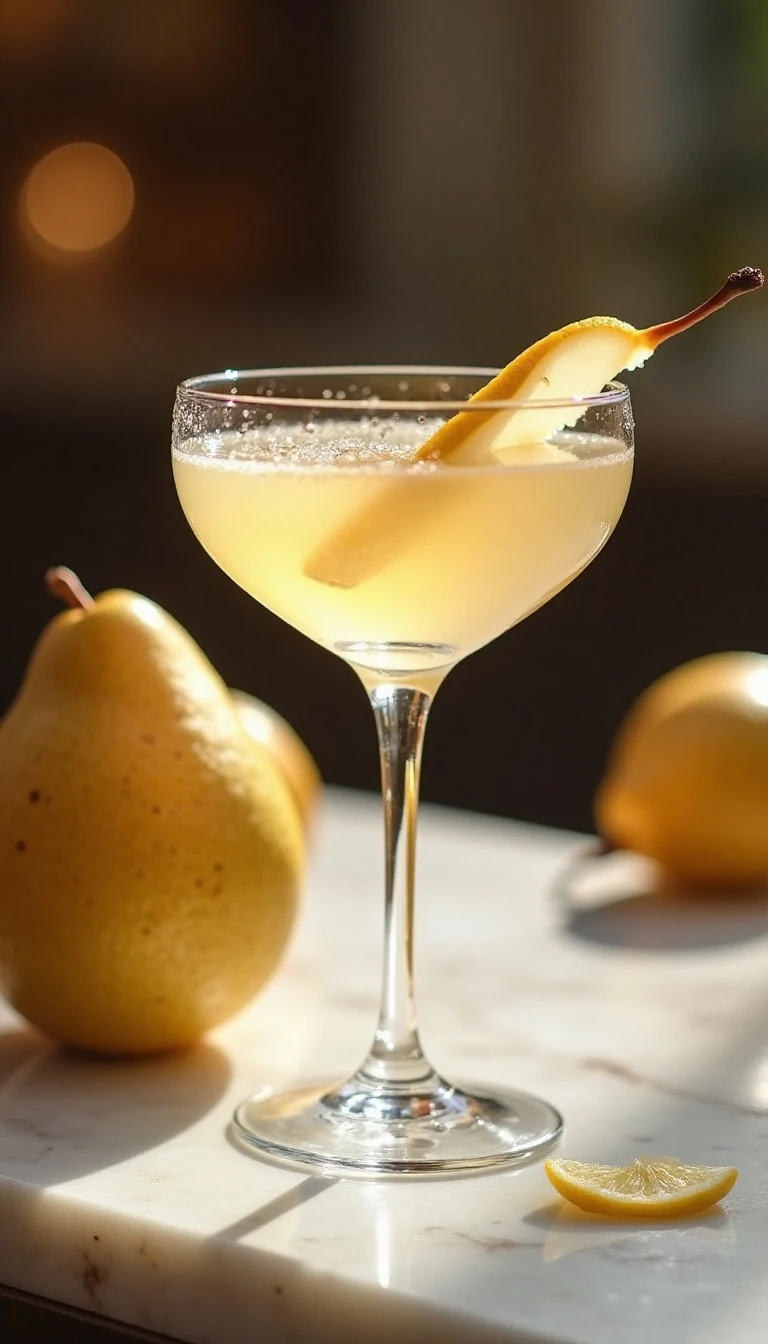
Pear Martini
Ingredients
Method
- Chill a martini or coupe glass with ice and water, or place it in the freezer briefly while you prepare the cocktail.
- Add the pear vodka, pear liqueur, fresh lemon juice, simple syrup, and plenty of ice to a cocktail shaker.
- Shake vigorously for about 10–15 seconds, until the shaker is very cold to the touch.
- Strain the cocktail into the chilled glass. Use a fine strainer as well if you want an especially cold, clear drink.
- Garnish with a thin pear slice, lemon twist, or small pear fan, and serve immediately.
Notes
Final Thoughts
This Pear Martini delivers an impressive balance with only a few carefully chosen ingredients. Pear vodka and pear liqueur create a fragrant fruit base, fresh lemon juice keeps the flavor bright, and a small amount of simple syrup brings everything together.
Remember the essential technique: chill the glass, shake with plenty of ice for 10–15 seconds, strain immediately, and garnish simply. Once you taste the first sip, adjust only in small increments so the pear remains the star.
Whether you choose the classic vodka-and-liqueur formula or the pear nectar alternative, this is a quick cocktail with a polished personality. Keep the recipe ready for dinner parties, celebrations, and quiet evenings when a crisp, elegant drink is exactly what the occasion calls for.