This authentic New Orleans beignets recipe makes about 3 to 4 dozen pillowy fried pastries with golden edges, tender centers, and a thick blanket of powdered sugar. The yeast dough is made with evaporated milk, eggs, shortening, and bread flour, then fried in oil held close to 360°F for the classic Café du Monde–style result.
Beignets taste best while warm, when the outside is lightly crisp and the inside is soft and airy. You can prepare the dough the same day, but refrigerating it overnight gives the dough an especially pleasant flavor and makes it easier to roll, cut, and fry the next day.
Jump to RecipeWhy You’ll Love This Recipe
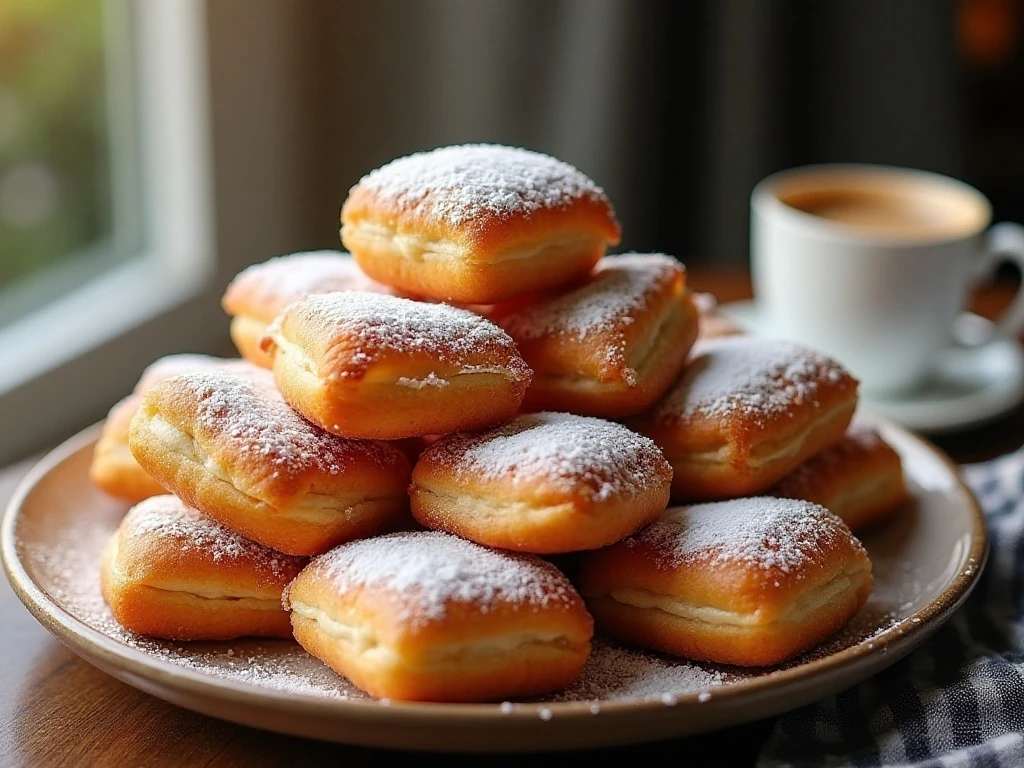
New Orleans beignets are one of those treats that turn a simple morning into an occasion. They are fried, yeast-raised pastries with a delicate crispness outside and a tender, slightly chewy interior that practically begs for powdered sugar.
This recipe follows the traditional formula closely, using evaporated milk, eggs, shortening, and bread flour for a rich dough with enough structure to puff beautifully in hot oil. It produces a generous batch, so it is perfect for a family breakfast, brunch gathering, Mardi Gras celebration, or dessert table.
The overnight option is especially useful. Once the dough has completed its initial rise, chilling it makes the sticky dough easier to roll and gives the finished beignets a little more depth of flavor.
If you enjoy making different styles of this beloved pastry, our easy beignet variation is another useful recipe to keep nearby.
Ingredients You’ll Need
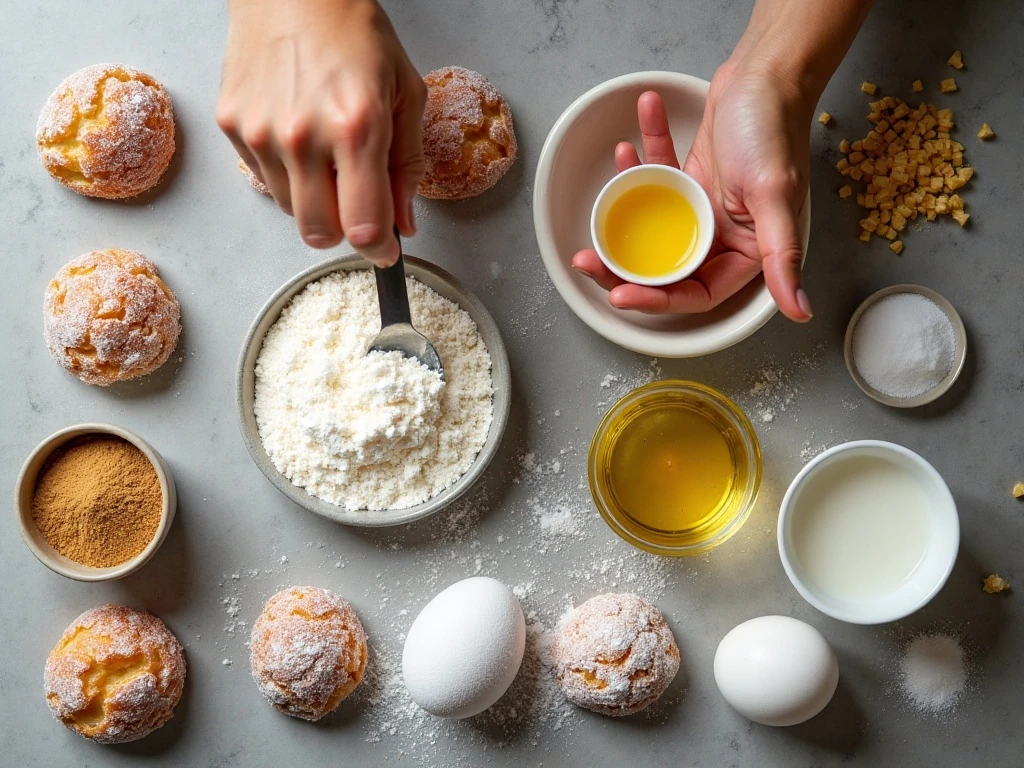
The ingredient list is straightforward, but each item has an important job. Warm water activates the yeast, sugar adds sweetness and supports fermentation, and evaporated milk gives the dough a pleasant richness without making it overly heavy.
- Warm water: Use water at about 105-110°F. Water that feels comfortably warm, not hot, protects the yeast.
- Active dry yeast: One envelope equals 2 1/4 teaspoons and provides the lift that creates the airy interior.
- Eggs and evaporated milk: These contribute richness, color, and tenderness.
- Shortening: Softened or melted and cooled slightly, it helps keep the crumb tender.
- Bread flour: Its protein gives the dough enough strength to stretch and puff during frying.
- Oil: Use 1 quart of vegetable or peanut oil for frying.
- Powdered sugar: Plan on 2-3 cups because traditional beignets are generously dusted, not lightly sprinkled.
Keep a little extra bread flour available for the work surface and your hands, but use it sparingly. A slightly sticky dough is preferable to a stiff dough, and excess flour can produce dense pastries.
How to Make It Step-by-Step
Step 1: Stir the warm water, sugar, and yeast together in a large bowl. Let the mixture stand for 5-10 minutes, until it becomes foamy; this short wait confirms that the yeast is ready to work.
Step 2: Mix in the lightly beaten eggs, salt, evaporated milk, and shortening. If you melted the shortening, allow it to cool slightly first so it blends into the mixture without being excessively hot.
Step 3: Add the bread flour gradually, stirring as you go. Continue until a soft, sticky dough forms, resisting the urge to pour in too much flour simply because the dough clings to the bowl.
Step 4: Knead briefly by hand or with a dough hook until the dough is smooth enough to handle. It does not need a long intensive kneading session; the goal is a cohesive dough with enough strength for rolling.
Step 5: Place the dough in a lightly greased bowl and cover it. Let it rise for 1-2 hours, until doubled in size, in a comfortably warm spot away from drafts.
Step 6: For the best flavor and texture, refrigerate the dough overnight after the initial rise. The chilled dough is easier to manage and gives you a relaxed make-ahead schedule; for same-day beignets, proceed after the dough doubles.
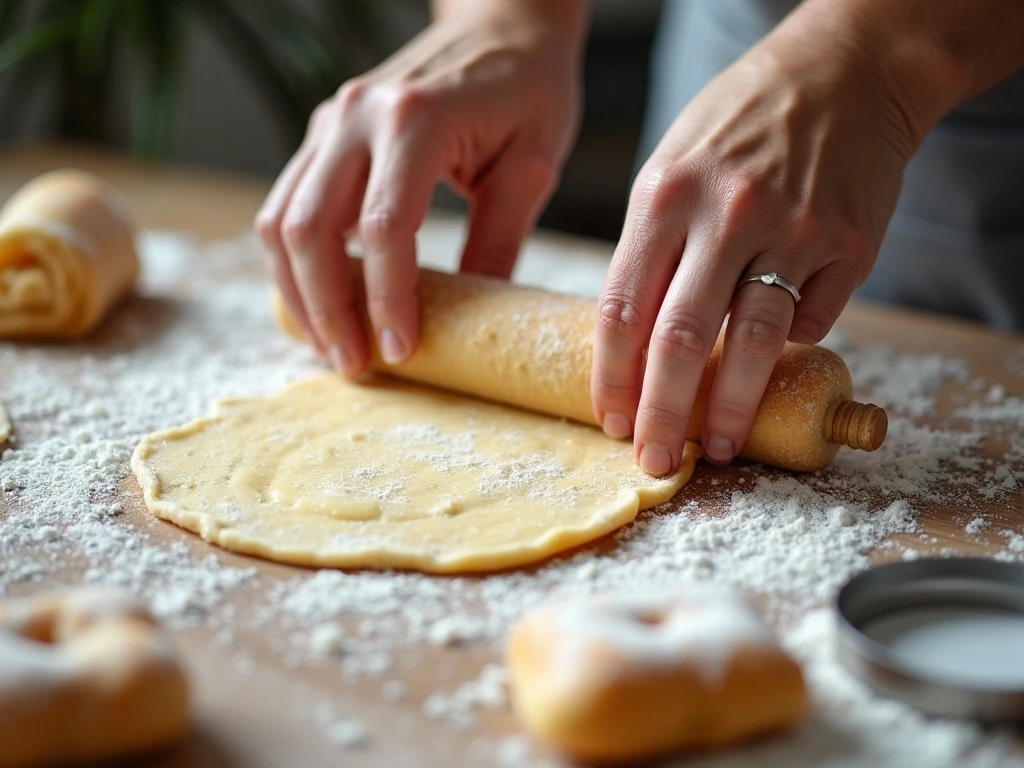
Step 7: Flour your work surface and roll the dough to approximately 1/4-inch thickness. Cut it into roughly 2 1/2-inch squares or diamonds, and avoid rerolling the scraps more than necessary so the pastries stay tender.
Step 8: Pour the oil into a heavy pot or deep fryer and heat it to 360°F. Use a thermometer if possible, because accurate oil temperature is the most reliable way to prevent greasy or undercooked beignets.
Step 9: Fry a few pieces at a time, turning each one once. They should puff and become golden brown in about 1-1 1/2 minutes per side, with frying taking about 2-3 minutes per batch.
Step 10: Transfer the fried beignets to a rack or paper towels for a brief drain. While they are still warm, cover them heavily with powdered sugar and serve right away.
Chef’s Tips for Light, Puffy Beignets
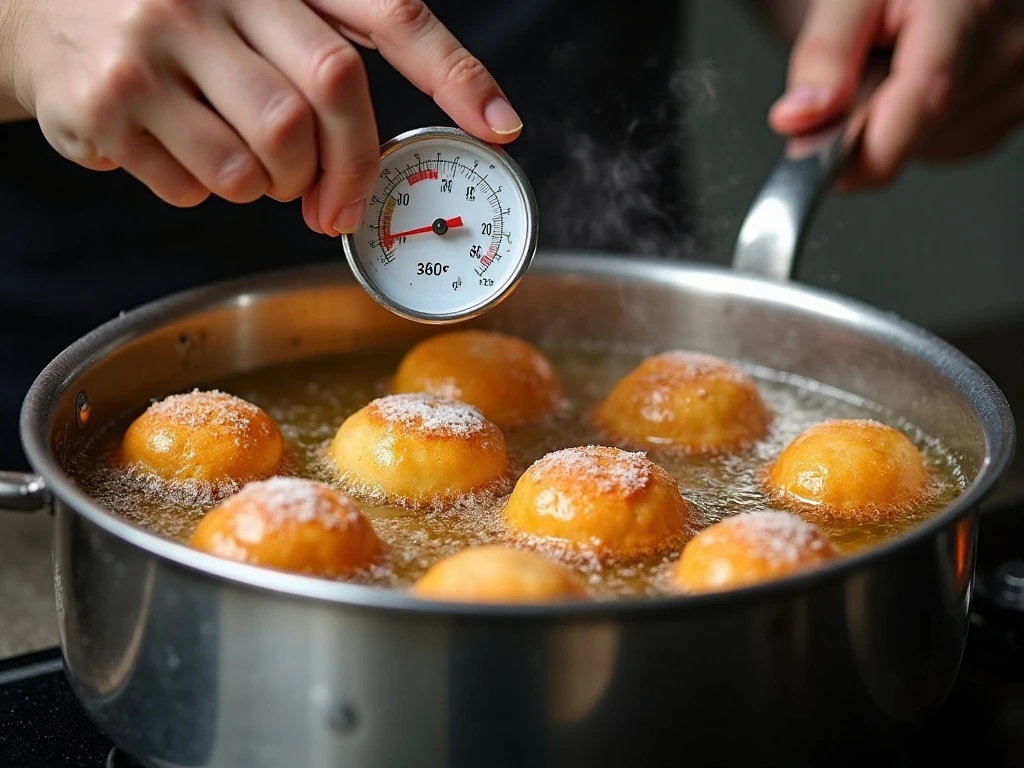
Temperature control matters more than almost anything else once the dough reaches the fryer. Keep the oil close to 360°F, allowing it to recover between batches before adding more dough.
- Do not crowd the pot: Too many pieces at once can lower the oil temperature and lead to greasy pastries.
- Watch the color: Golden brown is the target. Very dark exteriors may indicate oil that is too hot.
- Handle the dough gently: Use just enough flour to prevent sticking, and keep the rolling pressure even.
- Keep scraps to a minimum: Rerolling repeatedly can make the last beignets tougher than the first ones.
- Dust while warm: Powdered sugar clings best before the pastries cool completely.
For a traditional serving experience, place the beignets on a large platter and sift powdered sugar over the entire batch. A deep coating is part of their charm, so do not hold back.
Because beignets are sweet and rich, they pair well with a savory New Orleans-inspired meal. For another idea from the blog, serve a light lunch before dessert with this fresh chicken Cobb salad.
Frying and Serving Suggestions
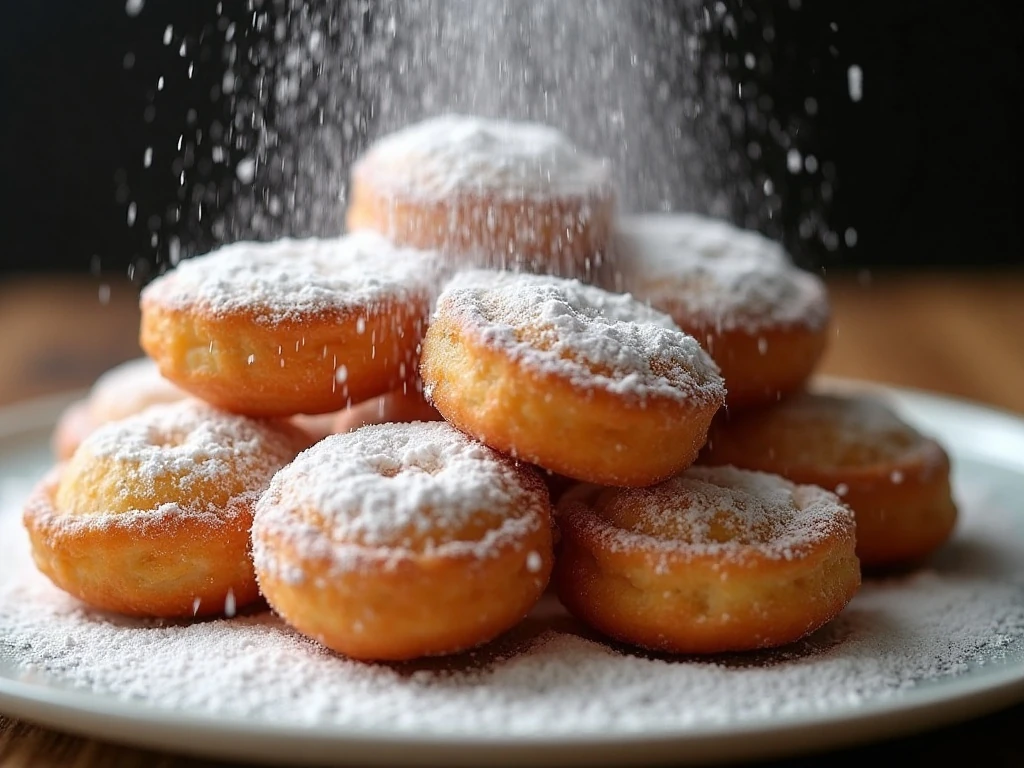
Use a deep, heavy pot with plenty of room for the oil and dough to move safely. Never fill the pot so high that bubbling oil can approach the rim, and keep a rack or paper-lined tray ready before frying begins.
Fry only a few cut pieces at a time. The dough will puff quickly, and turning the pieces once helps both sides color evenly while the centers finish cooking.
Serve beignets immediately with coffee, chicory coffee, hot chocolate, or cold milk. Their delicate crispness fades as they sit, so plan to fry close to serving time whenever possible.
If you are building a full comfort-food menu, these pastries make a fun finale after something savory such as crispy fried cod fish sticks or a bowl of tomato soup with cauliflower.
Storage and Reheating
Beignets are at their best fresh, but leftovers can be kept in an airtight container at room temperature for a short period. Store the powdered sugar separately if you know you will not serve them immediately, since sugar can dissolve into the surface over time.
To warm them, use a brief pass in a low oven until heated through. Avoid adding fresh sugar until after reheating, then dust generously just before serving.
The dough itself is best prepared according to the make-ahead method: let it complete the initial rise, cover it well, and refrigerate it overnight. Roll, cut, fry, and sugar the dough the following day.
For a festive meal plan, you can also browse our beef chorizo stuffing as a savory side idea before bringing out a platter of warm beignets.
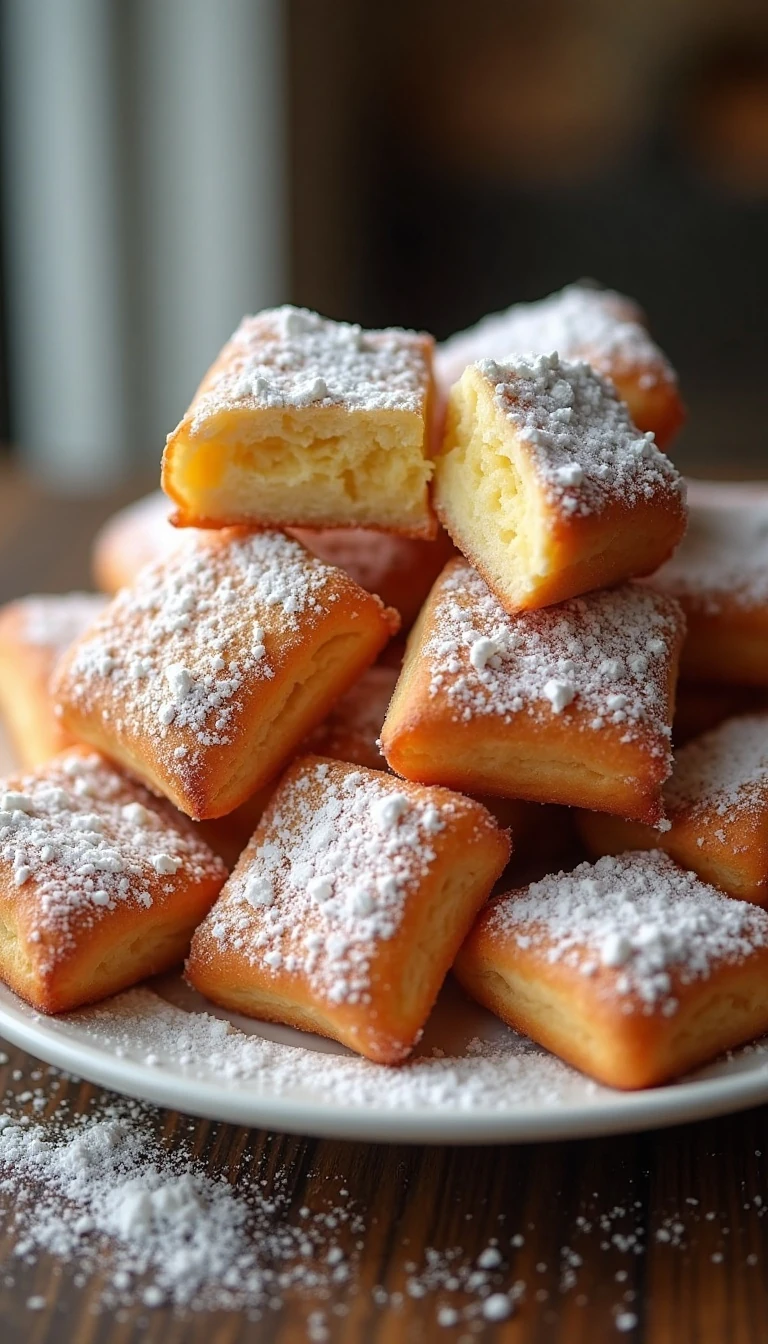
Authentic New Orleans Beignets Recipe
Ingredients
Method
- Stir the warm water, granulated sugar, and active dry yeast together in a large bowl. Let the mixture stand for 5-10 minutes, until a foamy layer appears, which shows that the yeast is active.
- Add the lightly beaten eggs, salt, evaporated milk, and softened or slightly cooled melted shortening to the yeast mixture. Stir until the ingredients are evenly combined and the liquid looks smooth.
- Add the bread flour gradually, mixing after each addition until a soft, sticky dough forms. Do not add large amounts of extra flour just to make the dough dry, because that can make the finished beignets heavy.
- Knead the dough briefly by hand or with a dough hook until it is smooth enough to handle. Place it in a lightly greased bowl, cover it, and let it rise for 1-2 hours, until doubled.
- For the best flavor and texture, refrigerate the risen dough overnight. If making the beignets the same day, continue once the first rise is complete.
- On a well-floured surface, roll the dough to approximately 1/4-inch thickness. Cut it into roughly 2 1/2-inch squares or diamonds, handling the scraps as little as possible.
- Heat the vegetable or peanut oil to 360°F in a suitable heavy pot or deep fryer. Fry only a few pieces at a time so the oil temperature stays steady, turning each beignet once.
- Fry the beignets until puffed and golden brown, usually about 1-1 1/2 minutes per side, or 2-3 minutes per batch. Transfer them briefly to a rack or paper towels to drain.
- While the beignets are still warm, dust them generously with 2-3 cups of powdered sugar. Serve immediately, with enough sugar to coat the tops and collect around the pastries.
Notes
Final Thoughts
Authentic New Orleans beignets are simple in concept but unforgettable when prepared with care. A soft yeast dough, a proper first rise, steady 360°F oil, and a generous snowfall of powdered sugar are the essentials for recreating that famous café-style experience at home.
Give yourself time for the dough to rise, and use the overnight refrigeration option when your schedule allows. Fry the pastries in small batches, serve them warm, and expect powdered sugar to find its way across the plate, the table, and probably your shirt.
Make a full batch for sharing, brew a pot of coffee, and enjoy these golden squares the way they are meant to be enjoyed: fresh, warm, airy, and almost buried in sugar.