This easy Lemon Yogurt Breakfast Cake is a moist French-style loaf made with plain whole-milk yogurt, fresh lemon zest, eggs, and neutral oil. Bake it in an 8 1/2 x 4 1/4-inch loaf pan at 350°F (175°C) for 50–55 minutes, then finish it with optional lemon syrup and glaze for a bright, tender breakfast treat.
The cake has a soft, delicate crumb with a fresh citrus aroma and a gently sweet flavor that pairs beautifully with coffee or tea. Lemon syrup keeps each slice moist and lemony, while the cool white glaze adds a pretty finish; for a less sweet morning cake, simply skip the glaze or both finishing options.
Jump to RecipeWhy You’ll Love This Recipe

This lemon yogurt breakfast cake is the kind of loaf that makes an ordinary morning feel special without requiring complicated pastry techniques. The batter comes together with a whisk, the ingredients are easy to find, and the finished cake slices beautifully for breakfast, brunch, or an afternoon snack.
Plain whole-milk yogurt contributes moisture and a gentle tang, while vegetable oil keeps the crumb soft even after the cake has cooled. Fresh lemon zest perfumes the entire loaf, and the optional syrup adds a vivid citrus note that soaks into every tender bite.
- Simple preparation: No mixer is required, and the dry ingredients are folded in by hand.
- Reliable texture: Yogurt and oil create a moist, tender crumb without making the cake heavy.
- Flexible sweetness: Choose the syrup, the glaze, both, or neither.
- Make-ahead friendly: The loaf keeps well for several days when wrapped properly.
Ingredients You’ll Need
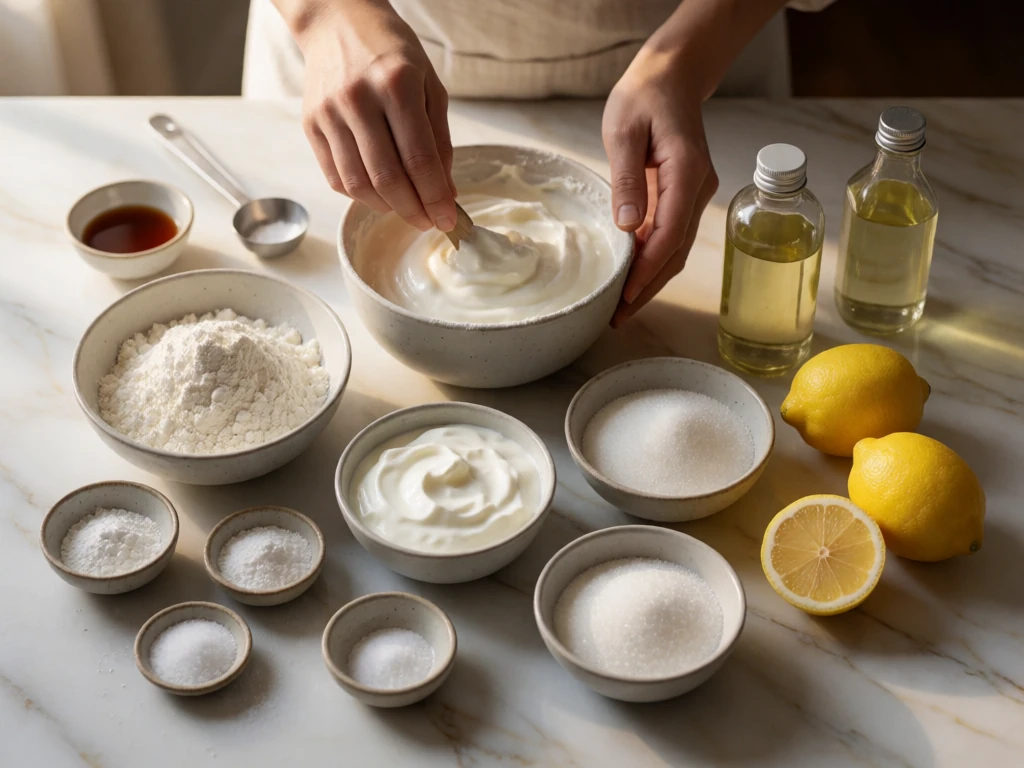
For the cake, gather 1 1/2 cups (190 g) all-purpose flour, 2 teaspoons baking powder, and 1/2 teaspoon kosher salt. The dry ingredients provide structure, lift, and balanced flavor without overwhelming the lemon.
The wet ingredients are 1 cup (240 g) plain whole-milk yogurt, 1 1/3 cups (265 g) granulated sugar, 3 large eggs, 2 teaspoons finely grated lemon zest, 1/2 teaspoon pure vanilla extract, and 1/2 cup (120 ml) neutral vegetable oil. Canola or sunflower oil works well because it does not compete with the bright citrus flavor.
If you want a more pronounced lemon finish, prepare the optional syrup with 1/3 cup (80 ml) freshly squeezed lemon juice and 1/3 cup (65 g) granulated sugar. The optional glaze uses 1 cup (115 g) confectioners’ sugar and 2 tablespoons freshly squeezed lemon juice.
Use fresh lemons for both zest and juice whenever possible. Zest the lemons before squeezing them, and grate only the yellow outer peel; the white pith underneath can make the cake taste bitter.
How to Make It Step-by-Step
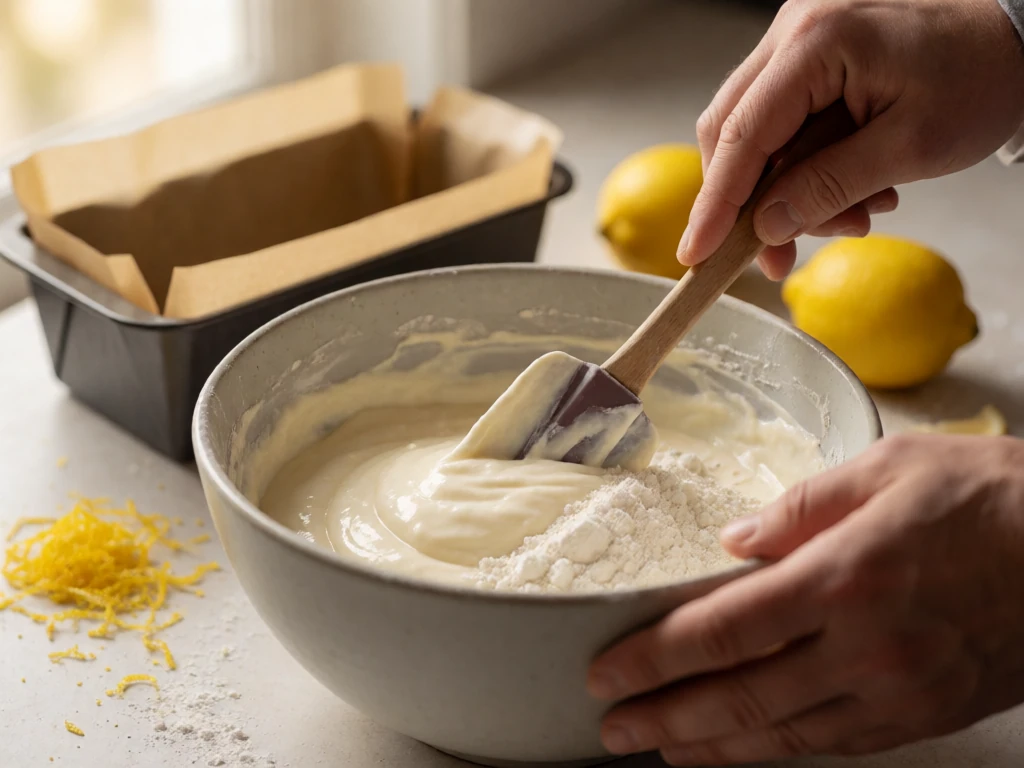
Step 1: Heat the oven to 350°F (175°C) so it is fully ready when the batter is mixed. Grease an 8 1/2 x 4 1/4-inch loaf pan, then line it with parchment paper and leave an overhang for lifting the cake out after baking.
Step 2: Add the flour, baking powder, and kosher salt to a medium bowl and whisk until evenly combined. Taking this small step first helps prevent pockets of baking powder or salt from appearing in the finished loaf.
Step 3: In a separate large bowl, whisk the yogurt, sugar, eggs, lemon zest, and vanilla until the mixture looks smooth. Take a moment to break up any streaks of egg so the batter will bake evenly from edge to center.
Step 4: Gradually whisk the oil into the yogurt mixture in a steady stream. Continue until the oil is fully incorporated and the mixture looks glossy, rather than leaving separate pools of oil on the surface.
Step 5: Add the dry ingredients to the wet mixture and fold with a spatula just until no visible flour remains. Do not keep stirring once the batter is combined, because overmixing can make this yogurt cake dense instead of tender.
Step 6: Pour the batter into the prepared loaf pan and smooth the top with the back of a spoon or spatula. Set the pan on the center oven rack and bake for 50–55 minutes, checking for a golden top and a toothpick that comes out clean or with a few moist crumbs.
Step 7: Let the cake cool in the pan for about 10 minutes. Lift it out using the parchment overhang and transfer it to a wire rack, where it can cool further before you add the finishing touches.
Step 8: If using the lemon syrup, heat the lemon juice and sugar in a small saucepan just until the sugar dissolves. Poke small holes across the warm cake with a skewer or toothpick, then brush or spoon the syrup over the top so it can soak into the crumb.
Step 9: Wait until the cake is completely cool before making the glaze. Whisk the confectioners’ sugar and lemon juice into a thick mixture, then drizzle it over the loaf and allow it to settle before slicing.
Pro Tips for a Tender Lemon Loaf
Measure the flour carefully, preferably by weight, because too much flour can make the cake dry or firm. If using cup measures, spoon the flour into the cup and level it rather than scooping directly from the bag.
Full-fat plain yogurt gives the softest texture and a pleasantly rich flavor. Plain Greek yogurt is also suitable, although its thicker consistency may make the batter slightly thicker; avoid changing the listed quantities so the loaf keeps the intended balance.
The most important mixing rule is to stop when the flour disappears. A few small lumps are acceptable, but prolonged stirring develops gluten and may produce a heavier cake.
- Bring the eggs and yogurt close to room temperature for a smoother batter.
- Use finely grated zest so the lemon flavor spreads evenly through each slice.
- Do not skip the parchment overhang; it makes the delicate warm loaf easier to remove.
- Judge doneness with a toothpick in the center, not only by the color of the crust.
- Let the cake cool completely before glazing so the glaze stays on top instead of melting away.
Lemon Syrup and Glaze Options

The syrup is optional, but it is especially helpful if you want a moist loaf with a stronger lemon flavor. Heating the lemon juice and sugar only until the sugar dissolves keeps the process quick and creates a pourable mixture that can sink into the warm cake.
For a more restrained breakfast cake, use the syrup alone. It adds citrus intensity without the additional sweetness and visual richness of the glaze.
The glaze is best added after the loaf has cooled completely. Whisk 1 cup (115 g) confectioners’ sugar with 2 tablespoons lemon juice until thick, adding the juice gradually if needed to maintain a drizzleable consistency.
Serving Suggestions
Slice the loaf into 8–10 pieces and serve it at room temperature. It is lovely with coffee, black tea, or a spoonful of plain yogurt alongside the slice.
For brunch, arrange the cake on a platter with fresh lemon halves and a few berries for color. The simple presentation lets the golden crumb and white glaze remain the focus.
This loaf also works as a light dessert after a spring or summer meal. If you prefer a less sweet finish, serve unglazed slices with fresh fruit rather than adding another topping.
Storage and Make-Ahead Advice
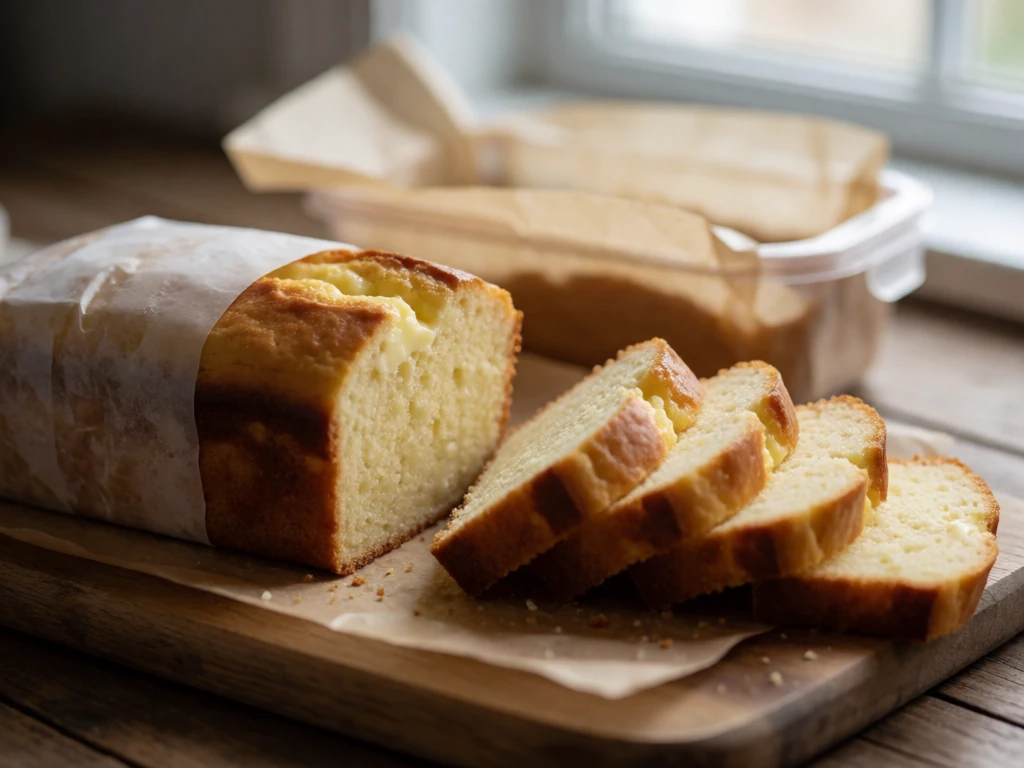
Once completely cool, wrap the loaf tightly or place it in an airtight container. Store it at room temperature for the best texture, and keep the glaze protected from dust while it sets.
The cake is convenient to prepare ahead because its oil-based crumb remains moist after cooling. Slice only what you plan to serve so the remaining loaf stays protected from air.
If you use the syrup, give the cake enough time to absorb it before wrapping. The glaze should also be fully set before stacking or transporting slices, otherwise it may smear across the wrapping.

Easy Lemon Yogurt Breakfast Cake
Ingredients
Method
- Heat the oven to 350°F (175°C). Grease an 8 1/2 x 4 1/4-inch loaf pan and line it with parchment paper, leaving enough overhang on the long sides to lift the finished cake out easily.
- Whisk the flour, baking powder, and kosher salt together in a medium bowl. This distributes the leavener and salt evenly before the dry ingredients meet the wet mixture.
- In a separate large bowl, whisk the yogurt, granulated sugar, eggs, lemon zest, and vanilla until smooth. Gradually whisk in the neutral oil until the mixture is glossy and evenly combined.
- Fold the dry ingredients into the yogurt mixture just until no visible flour remains. Stop mixing as soon as the batter comes together so the baked loaf stays tender rather than dense.
- Pour the batter into the prepared loaf pan and smooth the top. Bake for 50–55 minutes, until golden and a toothpick inserted in the center comes out clean or with a few moist crumbs.
- Cool the cake in the pan for about 10 minutes, then use the parchment overhang to lift it onto a wire rack. Allow it to cool further before adding any finishing syrup or glaze.
- For the optional syrup, heat the lemon juice and sugar in a small saucepan just until the sugar dissolves. Poke small holes in the warm cake and brush or spoon the syrup over the surface.
- For the optional glaze, whisk the confectioners’ sugar and lemon juice together once the cake is completely cool. Drizzle the thick glaze over the loaf and let it set briefly before slicing.
Notes
Final Thoughts
This Easy Lemon Yogurt Breakfast Cake delivers everything a good morning loaf should: a tender crumb, fresh lemon fragrance, and a simple preparation that fits comfortably into a busy kitchen. Yogurt adds moisture and tang, while the optional syrup and glaze let you choose exactly how bright and sweet you want the finished cake to be.
For the best result, use fresh zest, mix gently, and give the loaf time to cool before finishing it. Serve thick slices with coffee or tea, and keep the recipe close for weekends, brunch gatherings, and any morning that needs a little sunshine.
1 thought on “Easy Lemon Yogurt Breakfast Cake Recipe”