To cook the best yellow squash on the stove, slice four small-to-medium squash into even rounds or half-moons, then sauté them with butter, olive oil, onion, salt, pepper, and garlic. Cook the onion first, add the squash in an even layer, and sauté for 6–10 minutes until tender with lightly browned edges. The entire recipe takes about 20–25 minutes, including 10 minutes of preparation.
This easy skillet yellow squash is buttery, savory, and fresh, with just enough garlic to add fragrance without overpowering the delicate vegetable. The squash should be tender but still hold its shape, making it a wonderful side dish for steak, chicken, fish, biscuits, or a comforting family dinner.
Jump to RecipeWhy You’ll Love This Recipe

This stovetop yellow squash recipe turns a handful of simple ingredients into a side dish with tender centers, golden edges, and rich buttery flavor. It is fast enough for a weeknight meal but tastes special enough for a holiday table.
Unlike squash that is cooked until watery or mushy, this method keeps the pieces recognizable and pleasantly tender. The onion adds gentle sweetness, while garlic, black pepper, and a final optional finish give every bite more character.
- Ready in about 20–25 minutes.
- Uses one large skillet and everyday ingredients.
- Easy to customize with Parmesan, parsley, or lemon.
- Serves four as a generous vegetable side dish.
Serve it beside roasted chicken, grilled fish, or a juicy steak. If you are planning a steak dinner, our quick steak marinade makes a flavorful pairing.
Ingredients You’ll Need
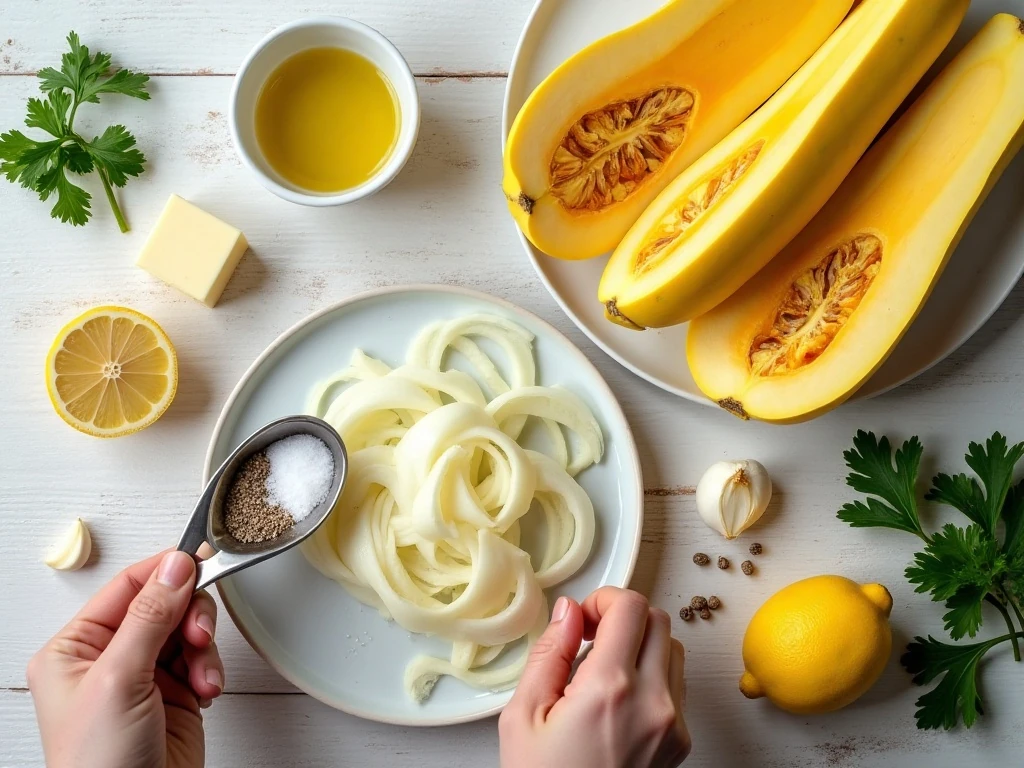
Choose four small-to-medium yellow squash, weighing about 1 1/2 pounds total. Small and medium squash generally have a tender skin and fewer large seeds, so there is no need to peel them.
- 4 small-to-medium yellow squash, about 1 1/2 pounds total
- 1/2 medium yellow onion, thinly sliced or diced
- 2 tablespoons butter
- 1 tablespoon olive oil
- 1 garlic clove, minced
- 1/2 teaspoon kosher salt, plus more to taste
- 1/4 teaspoon black pepper
The butter supplies a creamy, savory flavor, while olive oil helps the skillet fat handle medium-high heat. For the finishing touch, choose 2 tablespoons of grated Parmesan, chopped parsley, a small squeeze of lemon juice, or a combination.
There is no need for flour, breadcrumbs, or heavy sauce. The goal is to let the squash become the star while the onion and seasonings support its mild, slightly sweet flavor.
How to Make It Step-by-Step

Step 1: Rinse the squash under cool water and dry it thoroughly with clean kitchen towels. Trim off both ends, leaving the skin intact, because the skin adds color and helps the slices hold together as they cook.
Step 2: Slice the squash into even 1/4- to 1/2-inch rounds or half-moons. Uniform pieces are important because thin slices can become soft before thicker pieces are cooked through.
Step 3: Place a large skillet over medium-high heat and add the butter and olive oil. Once the butter is melted and the pan is hot, add the sliced or diced onion and cook for about 3–4 minutes, stirring occasionally, until it begins to soften.
Step 4: Add the squash to the skillet in a fairly even layer. Sprinkle it with the kosher salt and black pepper, then gently toss or stir so the slices are coated in the seasoned butter and oil.
Step 5: Sauté the squash for 6–10 minutes, stirring occasionally rather than constantly. Allowing the pieces to rest against the hot skillet helps them develop lightly browned edges while the centers become tender but do not fall apart.
Step 6: Add the minced garlic during the final 1–2 minutes of cooking. Stir it through the squash just until fragrant, since garlic added too early can burn before the vegetable is ready.
Step 7: Taste the squash and adjust the seasoning with more kosher salt if needed. Remove the skillet from the heat and finish with Parmesan, chopped parsley, or a small squeeze of lemon juice.
Step 8: Transfer the squash to a serving dish and serve immediately. The dish is at its best while the edges are warm and lightly browned, and the butter is still glossy.
How to Get Golden, Tender Squash

Drying the squash is one of the most important details in this recipe. Water left on the surface creates steam in the pan, which makes browning difficult and can leave the finished squash overly soft.
Use a large skillet so the squash has room to spread out. If the slices are crowded or piled deeply, cook them in batches rather than forcing everything into the pan at once.
Stir occasionally, not continuously. A little contact with the hot pan gives the squash its appealing browned edges, while occasional movement prevents sticking and distributes the onion and seasonings.
Keep the garlic for the final 1–2 minutes. This timing allows it to release its aroma without scorching, which is especially important in a hot skillet with butter.
Easy Variations and Serving Ideas
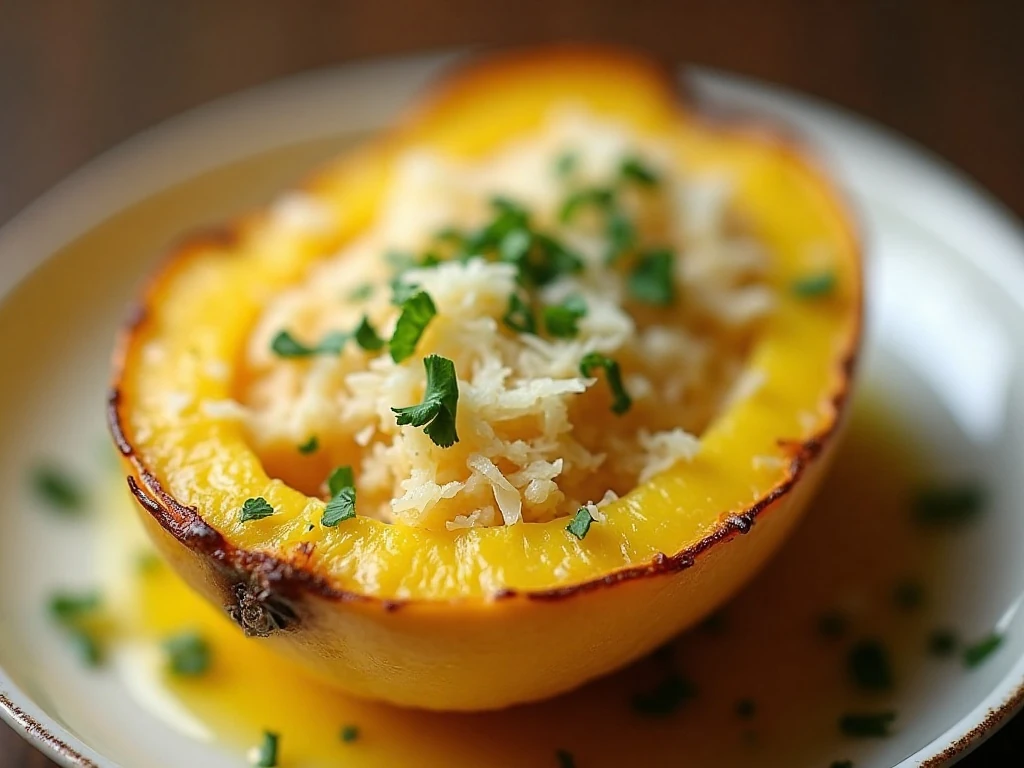
For a simpler version, omit the onion and garlic and cook the squash with 1–2 tablespoons of olive oil or butter, salt, and pepper. This pared-back preparation is ideal when the squash is especially fresh and you want its mild flavor to stand out.
For a Southern-style result, cover the skillet while the squash cooks for a softer, more tender texture. Keep in mind that the uncovered method is better for lightly browned edges and a slightly firmer bite.
Parmesan adds salty richness, parsley adds a fresh herbal note, and lemon juice brings brightness. Add only a small squeeze of lemon at the end so it refreshes the dish without making it taste sour.
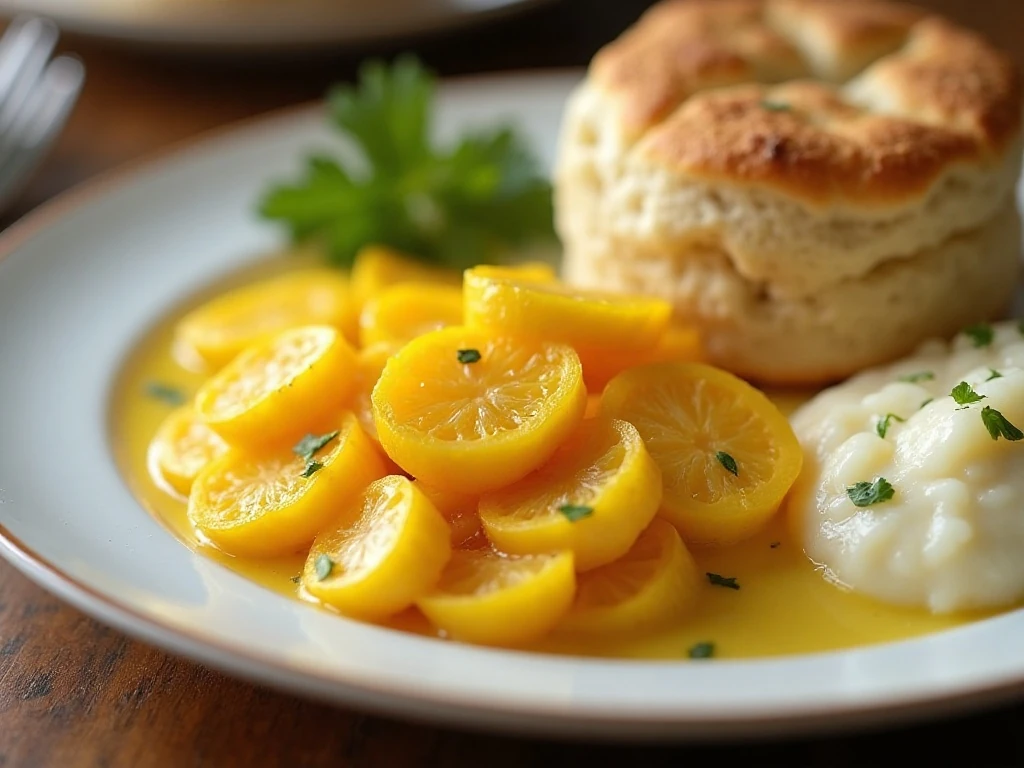
Build a complete comfort-food plate with this squash, homemade basic biscuits, and creamy mashed potatoes. For another hearty dinner option, browse our guide to ways to cook ground beef.
Storage and Reheating
For the best texture, serve the squash immediately after cooking. If you have leftovers, cool them promptly and place them in a covered container in the refrigerator.
Reheat the squash in a skillet over medium heat until warmed through. A skillet is preferable to prolonged microwave heating because it helps excess moisture cook away and keeps the edges from becoming completely limp.
Leftover squash can also be folded into an omelet, spooned over rice, or served alongside creamy mashed potatoes. Add fresh parsley or a small squeeze of lemon after reheating to bring back its bright flavor.
What to Serve with Yellow Squash
This vegetable side fits naturally with grilled or roasted meats, especially chicken, pork, and steak. Its buttery flavor also balances spicy mains, tomato-based dishes, and simple baked fish.
For a relaxed Southern-inspired meal, serve it with biscuits and a protein-rich main dish. For a festive menu, pair it with mashed potatoes and finish the meal with a silky pumpkin pie custard.
- Grilled steak or chicken
- Roasted pork or baked fish
- Mashed potatoes and biscuits
- Rice, pasta, or a simple green salad

The Best Yellow Squash on the Stove
Ingredients
Method
- Rinse and thoroughly dry the yellow squash. Trim off both ends, then cut the squash into even 1/4- to 1/2-inch rounds or half-moons.
- Heat the butter and olive oil in a large skillet over medium-high heat. Add the onion and cook for about 3–4 minutes, until it begins to soften.
- Add the squash in a fairly even layer and season with the kosher salt and black pepper. Sauté for 6–10 minutes, stirring occasionally, until tender with lightly browned edges.
- Add the minced garlic during the final 1–2 minutes of cooking. Stir until fragrant, taking care not to let it burn.
- Taste and adjust the seasoning. Finish with Parmesan, chopped parsley, or a small squeeze of lemon juice if desired, and serve immediately.
Notes
Final Thoughts
The best yellow squash on the stove is all about a few careful details: dry the squash well, cut it evenly, give it room in the skillet, and add the garlic near the end. Butter and olive oil create a flavorful cooking base, while onion brings sweetness and gentle browning.
In just 6–10 minutes of sautéing, the squash becomes tender without losing its shape. Finish it with Parmesan, parsley, or lemon, then bring it to the table right away for a simple vegetable dish that tastes fresh, savory, and wonderfully homemade.
Once you try this method, yellow squash becomes much more than a basic side. It is an easy, dependable recipe to keep in your regular rotation whenever you need a colorful vegetable dish with maximum flavor and very little fuss.