This easy homemade lemon pepper seasoning recipe combines the bright zest of four lemons with coarsely cracked black pepper, kosher salt, and optional garlic and onion powders. The mixture takes about 10 minutes to prepare and dries gently in a 170–200°F oven for 20–30 minutes, creating approximately 1/3 to 1/2 cup of fragrant seasoning.
Expect a lively citrus flavor, aromatic pepper heat, and a savory salty finish in every pinch. Use about 1 teaspoon per pound of chicken, fish, vegetables, potatoes, or popcorn, or stir it into softened butter, olive oil, or mayonnaise for an instant flavor-packed spread or sauce.
Jump to RecipeWhy You’ll Love This Recipe

Once you make lemon pepper seasoning at home, it becomes one of those small pantry projects that pays off again and again. The flavor is fresher and more fragrant than many packaged blends because the lemon zest and pepper are the stars, rather than background ingredients.
This recipe also gives you control over the balance. Add the optional garlic and onion powders for a rounded savory blend, or leave them out when you want a cleaner lemon-and-pepper profile for delicate fish, roasted vegetables, or a simple salad dressing.
- Fast preparation: The zest takes about 10 minutes to grate and mix.
- Simple drying: A low oven removes moisture in 20–30 minutes.
- Flexible use: Season proteins, vegetables, potatoes, popcorn, sauces, and compound butter.
- Small-batch freshness: You make only about 1/3 to 1/2 cup, so the blend stays aromatic.
If you enjoy bright citrus desserts after a savory meal, you may also like these tangy lime bars for a refreshing finish.
Ingredients You’ll Need
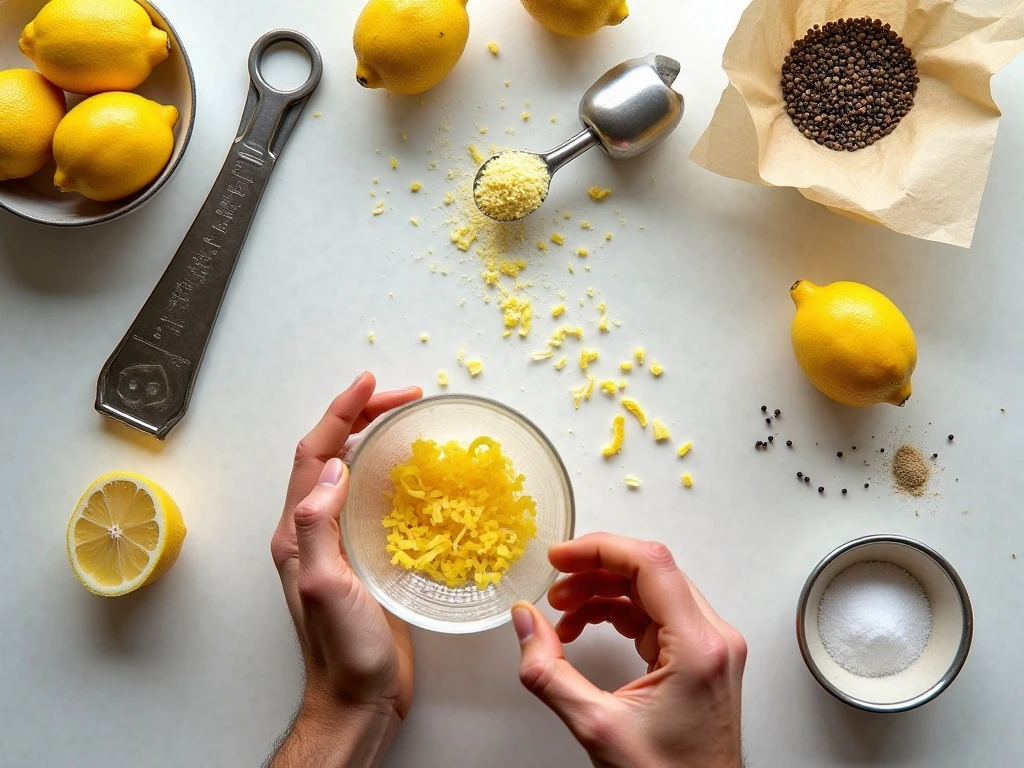
The foundation of this blend is the zest of four medium lemons, which yields approximately 1/4 cup of finely grated zest. Choose firm, brightly colored lemons with unblemished skin, and wash and dry them thoroughly before grating.
A microplane is ideal because it produces delicate strands that dry quickly and spread evenly throughout the salt and pepper. Grate lightly and stop as soon as the yellow peel is removed; the white pith underneath can make the seasoning noticeably bitter.
Use two tablespoons of coarsely ground black pepper or freshly cracked peppercorns and one tablespoon of kosher salt. Freshly cracked pepper has a fuller aroma and a more lively bite, while coarsely ground pepper gives the finished blend a pleasant texture.
Garlic powder and onion powder are optional, but each adds savory depth. The one teaspoon of garlic powder brings a warm, rounded note, while the 1/2 teaspoon of onion powder adds gentle sweetness without overpowering the citrus.
For another lemon-forward treat to serve alongside a cup of coffee or tea, try these easy lemon squares.
How to Make It Step-by-Step
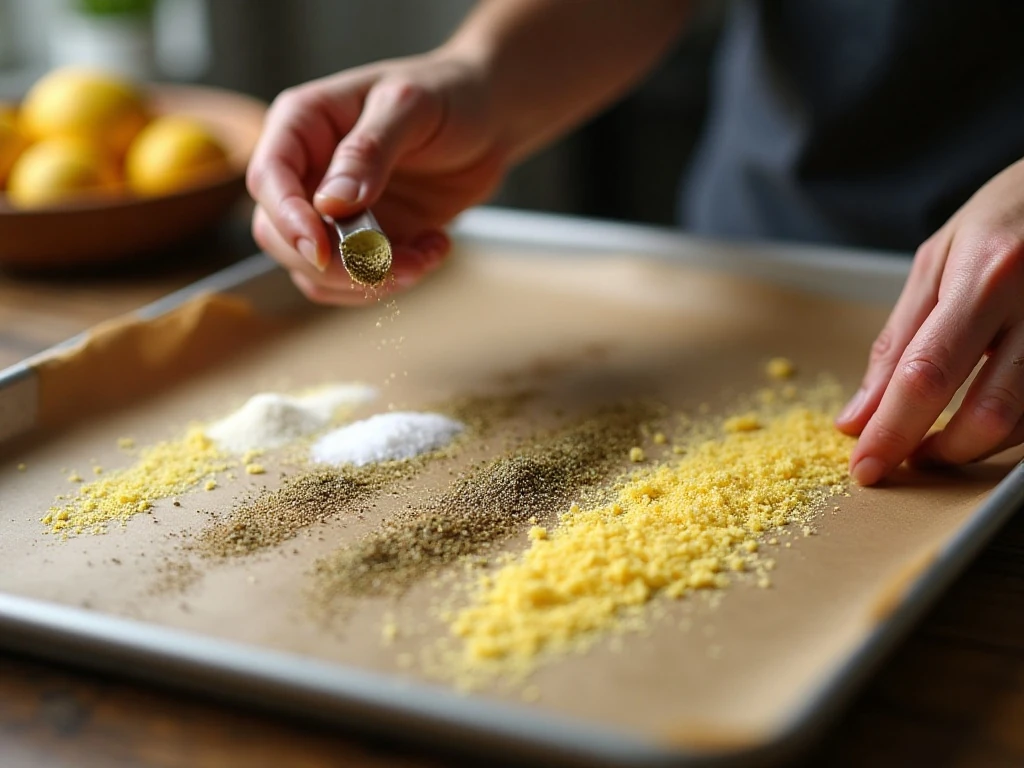
Step 1: Wash and thoroughly dry the lemons before zesting. Using a microplane, grate only the bright yellow outer peel into a bowl, rotating each lemon frequently and avoiding the white pith beneath the skin.
Step 2: Add the coarsely ground black pepper, kosher salt, garlic powder, and onion powder to the lemon zest. Stir carefully until the ingredients are evenly distributed, breaking up any compacted bits of zest as you mix.
Step 3: Line a baking sheet with parchment paper and spread the mixture into a thin, even layer. A thin layer is important because it lets warm air reach the zest from all sides and helps the blend dry consistently.
Step 4: Place the baking sheet in a 170–200°F oven for 20–30 minutes. Stir the mixture once or twice during drying, and continue until the zest feels completely dry rather than soft, cool, or tacky.
Step 5: Remove the baking sheet and let the seasoning cool completely. If you started with whole peppercorns, pulse the dried mixture in a spice grinder until the pepper reaches the texture you prefer, taking care not to grind it into a fine powder unless desired.
Step 6: Transfer the cooled seasoning to a clean, airtight jar. Label it with the date, then keep it in a cool, dry cupboard away from steam, direct sunlight, and the heat of the stove.
Pro Tips for Bright, Balanced Flavor
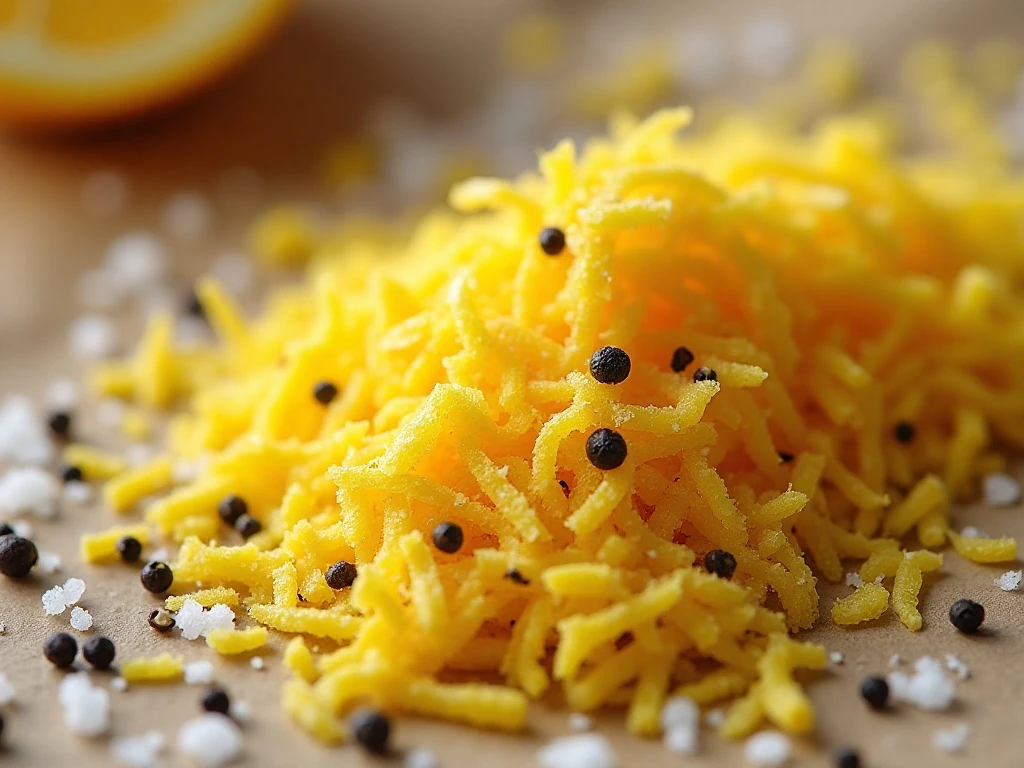
The most important technique is zesting carefully. White pith contains bitter notes, so use light pressure with the microplane and move the lemon across fresh sections of the grater instead of scraping deeply in one place.
Do not rush the cooling step. Warm seasoning trapped in a jar can create condensation, and even a little moisture may cause clumping or shorten the blend’s shelf life.
- For stronger pepper flavor: Crack peppercorns just before mixing.
- For a smoother blend: Use finely grated zest and pulse the cooled mixture briefly in a spice grinder.
- For a simpler citrus profile: Omit both optional powders.
- For less bitterness: Inspect the zest and remove any visible pieces of white pith before drying.
- For extra insurance: Dry the lemon zest separately until crisp, then mix it with the salt and pepper.
If your mixture tastes too bitter, the usual cause is pith rather than too much lemon. You can soften the flavor by adding a little more black pepper and salt, but careful zesting is the best prevention.
Ways to Use Lemon Pepper Seasoning
Start with approximately 1 teaspoon per pound of chicken, fish, vegetables, potatoes, or popcorn. Sprinkle it over food before roasting or grilling, or add it near the end of cooking when you want the citrus aroma to remain especially noticeable.
For chicken, rub the seasoning with a little olive oil before roasting or pan-cooking. On fish, combine it with softened butter or olive oil, then brush it over fillets before baking; the lemon and pepper pair beautifully with salmon, cod, shrimp, and scallops.
Roasted potatoes and vegetables benefit from a generous dusting, especially broccoli, asparagus, green beans, cauliflower, and zucchini. For popcorn, toss the seasoning with melted butter so the fine salt and zest cling to every piece.
You can also mix the blend into softened butter for a quick compound butter, whisk it into olive oil for a dipping sauce, or stir it into mayonnaise for sandwiches, wraps, and grilled seafood. It is even useful in a simple vinaigrette with lemon juice, olive oil, and a touch of honey.
For a colorful dessert idea that also celebrates citrus, keep these raspberry lemon tartlets in mind for your next gathering.
Storage and Freshness
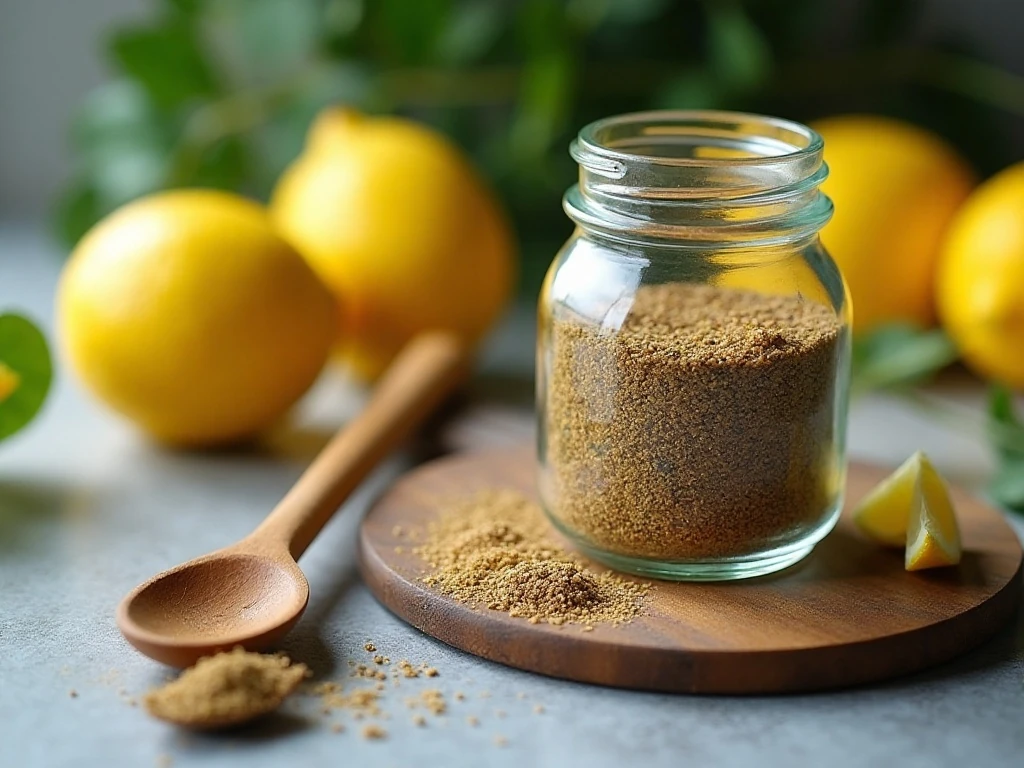
Store the seasoning in an airtight glass jar at room temperature in a cool, dry cupboard. It is best used within about 2–3 months for the brightest lemon aroma and most fragrant pepper flavor.
Always check that the zest is completely dry before sealing the jar. If you notice clumps, softness, or any sign of moisture, spread the blend on a baking sheet and dry it again at low heat before cooling and repacking.
For the longest-lasting blend, dry the lemon zest separately until crisp, cool it fully, and then combine it with the salt and pepper. This method makes it easier to confirm that the most moisture-sensitive ingredient is ready for storage.
Keep the jar away from the dishwasher, sink, and stovetop. Steam and heat can gradually reduce the citrus fragrance even when the container is tightly closed.
Serving Ideas for Every Season
This seasoning is especially handy when you want a quick dinner without measuring several individual spices. Keep it beside your olive oil and salt, and you can season a sheet pan of vegetables or a weeknight protein in seconds.
It also makes a thoughtful homemade food gift when packed in a small jar with a label suggesting uses and the preparation date. Pair it with a recipe card for lemon pepper chicken, roasted potatoes, or buttered popcorn.
For a comfort-food menu, use lemon pepper on roasted vegetables alongside easy bread stuffing. If you are planning a sweet-and-savory spread, the blend can provide a sharp contrast to stovetop caramel apples served later.
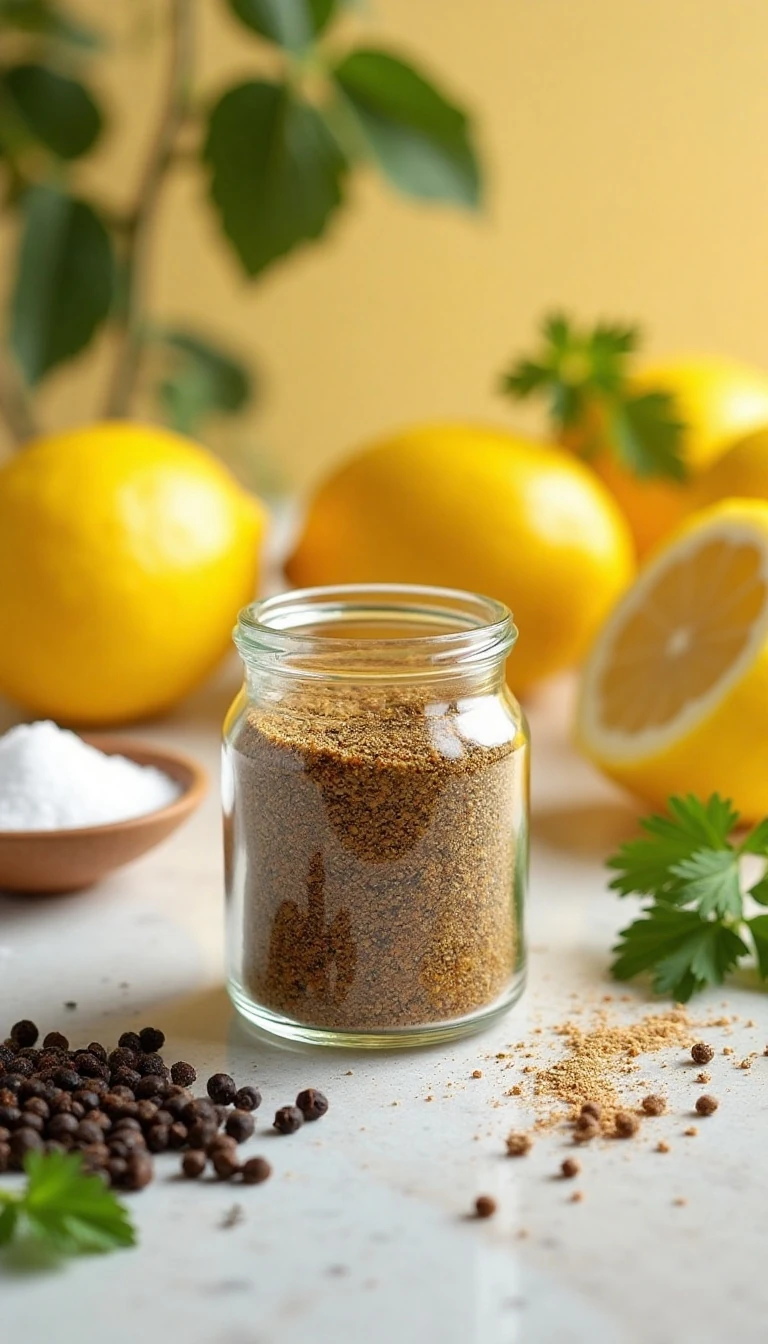
Easy Zesty Homemade Lemon Pepper Seasoning Recipe
Ingredients
Method
- Wash and thoroughly dry four medium lemons. Finely grate only the yellow outer peel, avoiding the white pith, then combine the zest with black pepper, kosher salt, garlic powder, and onion powder if using.
- Spread the mixture in a thin, even layer on a parchment-lined baking sheet. Dry it in a 170–200°F oven for 20–30 minutes, stirring once or twice, until the lemon zest is completely dry.
- Cool the seasoning completely before transferring it to a jar. If using whole peppercorns, pulse the cooled mixture in a spice grinder until it reaches your preferred texture.
- Store the finished seasoning in an airtight jar in a cool, dry cupboard. For the best flavor, use it within about 2–3 months.
Notes
Final Thoughts
This easy zesty homemade lemon pepper seasoning recipe turns fresh lemons, black pepper, and a few pantry staples into a useful all-purpose blend. With careful zesting and thorough drying, you get a bright, aromatic seasoning that is ready for chicken, fish, vegetables, potatoes, popcorn, sauces, and more.
Make a small batch, let it cool completely, and keep it sealed in a dry cupboard. Once you taste the difference that fresh lemon zest and cracked pepper bring, this simple homemade blend is likely to become a regular part of your everyday cooking.