This Glazed Gingerbread Bundt Cake is a tender, warmly spiced cake made with molasses, brown sugar, buttermilk, ginger, cinnamon, cloves, and nutmeg. The batter takes about 20 to 30 minutes to prepare, then bakes in a 10- to 12-cup Bundt pan for 45 to 55 minutes before receiving a simple vanilla glaze.
Every slice has a soft, moist crumb, deep molasses flavor, and a fragrant balance of holiday spices. The delicate glaze adds just enough sweetness without covering up the gingerbread character, making this cake a beautiful choice for Christmas gatherings, afternoon coffee, weekend baking, or a cozy dessert after dinner.
Jump to RecipeWhy You’ll Love This Recipe
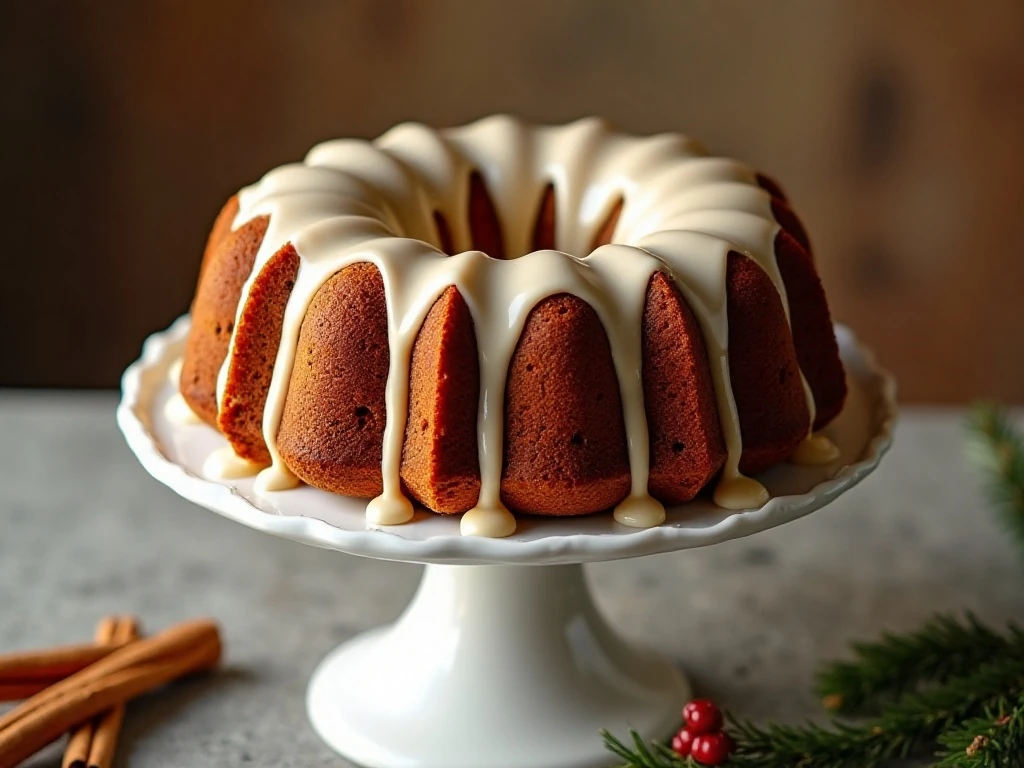
This gingerbread Bundt cake brings the inviting aroma of a holiday kitchen to the table with very little fuss. Its shape looks special enough for a celebration, yet the preparation follows familiar creaming and alternating-addition techniques.
Molasses supplies a dark, rounded sweetness, while brown sugar keeps the crumb soft and lightly caramel-like. Buttermilk adds gentle tang and helps create a tender texture that holds up beautifully beneath the glaze.
- Warm spice profile: Ginger and cinnamon lead, with cloves and nutmeg adding depth.
- Moist crumb: Buttermilk and butter keep each slice soft without making it heavy.
- Simple finish: A thin vanilla glaze adds shine and sweetness in minutes.
- Make-ahead friendly: The flavor becomes even more pronounced after the cake rests.
If you enjoy baking cakes with a distinctive ring shape, our chocolate Bundt cake is another lovely dessert to keep in your recipe collection.
Ingredients You’ll Need
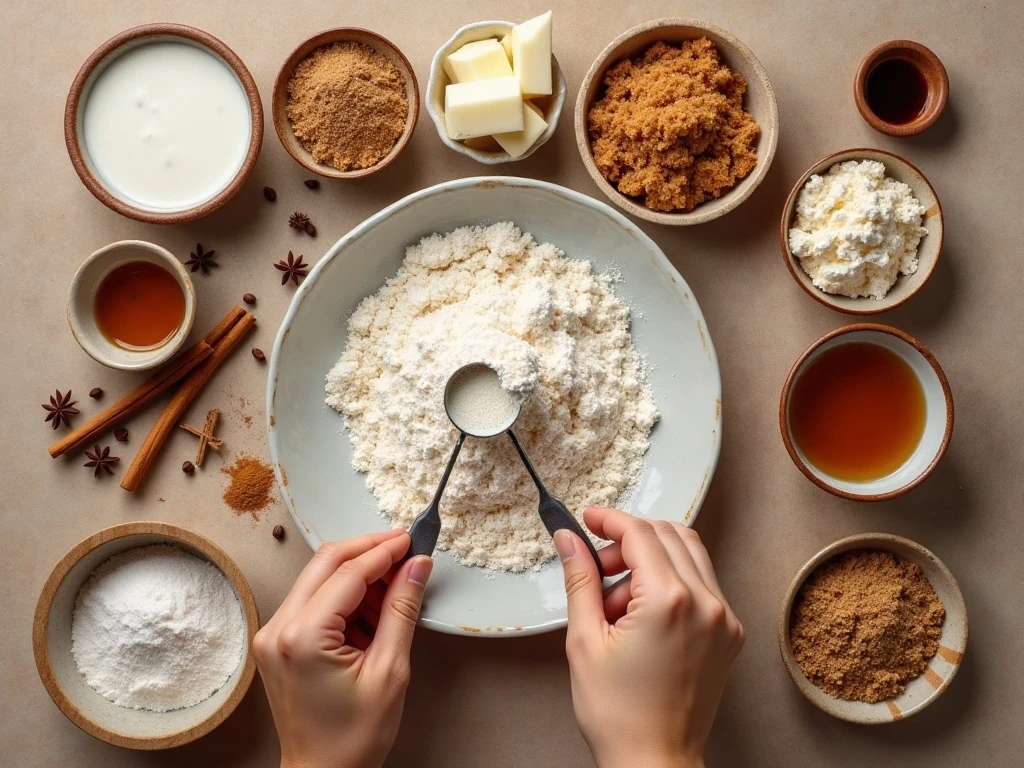
The foundation is all-purpose flour, baking soda, salt, softened unsalted butter, brown sugar, molasses, eggs, vanilla, and buttermilk. The spice blend uses two teaspoons each of ground ginger and cinnamon, plus smaller amounts of cloves and nutmeg for a rounded gingerbread flavor.
Choose unsulphured molasses for the best balance. Blackstrap molasses is much stronger and more bitter, so it is not the right choice for this cake.
Have the eggs, butter, and buttermilk at room temperature before mixing. This allows the butter and sugar to cream evenly and helps the batter come together without visible streaks or lumps.
For the glaze, you need only confectioners’ sugar, two to three tablespoons of milk or cream, vanilla, and an optional pinch of salt. Milk creates a light glaze, while cream gives it a slightly fuller texture.
How to Make It Step-by-Step
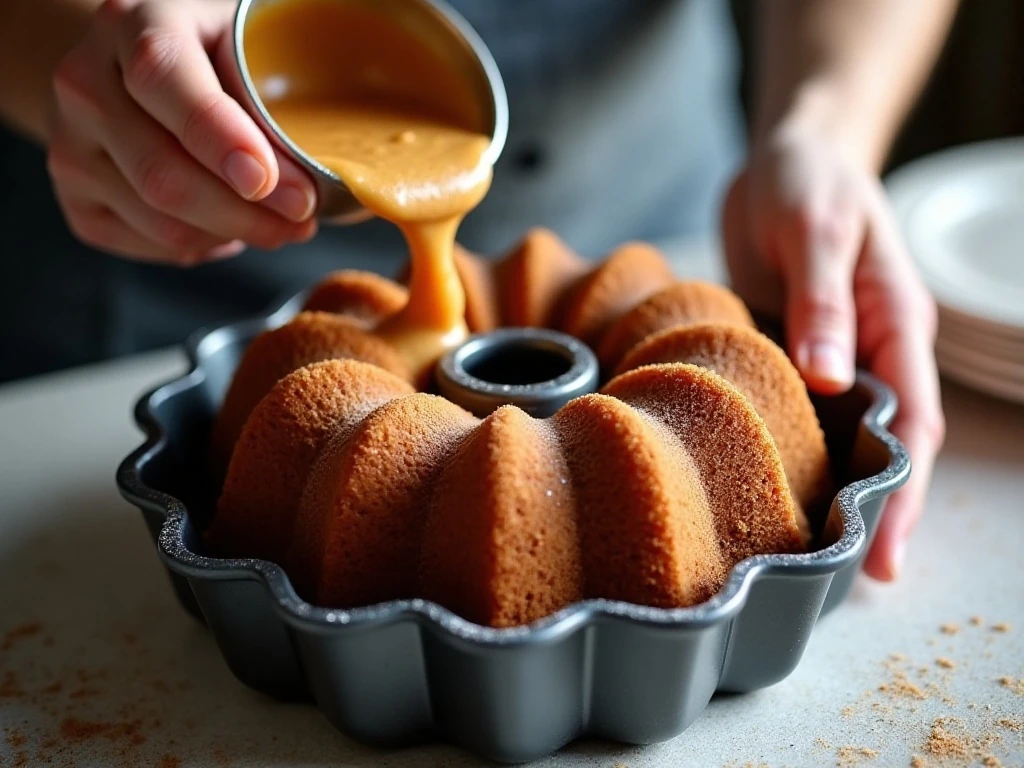
Step 1: Heat the oven to 350°F (175°C), then prepare the Bundt pan with care. Coat every ridge, corner, and the center tube with softened butter or baking spray containing flour, and lightly flour the pan so the sticky molasses batter can release cleanly.
Step 2: In a medium bowl, whisk the flour, baking soda, salt, ground ginger, cinnamon, cloves, and nutmeg. Breaking up any spice or flour pockets now helps the finished cake have an even flavor from the first slice to the last.
Step 3: Place the softened butter and brown sugar in a large mixing bowl and beat for 3 to 4 minutes. Stop when the mixture looks lighter in color and fluffy, since this air helps give the cake a pleasing crumb.
Step 4: Beat in the molasses until evenly blended, then add the eggs one at a time. Mix well after each egg and stir in the vanilla, scraping down the bowl if needed so the batter remains uniform.
Step 5: Add the dry mixture in three additions, alternating with the buttermilk in two additions. Begin and end with the dry ingredients, and mix only until no obvious streaks of flour remain; overmixing can make the cake less tender.
Step 6: Pour the batter into the prepared pan and smooth the top with a spatula. Tap the pan gently on the counter once or twice to release large air pockets, but do not knock out all the air created during creaming.
Step 7: Bake for 45 to 55 minutes, checking near the center with a wooden pick. The cake is ready when the pick comes out clean or with a few moist crumbs and the edges have begun pulling slightly away from the pan.
Step 8: Let the cake cool in the pan for 10 to 15 minutes, then carefully turn it onto a wire rack. Allow it to cool completely before adding glaze, because warm cake can cause the icing to melt and disappear.
Step 9: Whisk the confectioners’ sugar, milk or cream, vanilla, and optional salt in a small bowl until smooth. Add a few drops of liquid for a thinner drizzle or a little more confectioners’ sugar for a thicker finish.
Step 10: Drizzle the glaze over the cooled cake, allowing it to follow the Bundt ridges naturally. Wait about 15 minutes for the glaze to set before slicing with a sharp knife.
Pro Tips for a Tender Bundt Cake
Pan preparation is the most important insurance against sticking. Molasses makes this batter especially clingy, so do not skip the center tube or assume that a nonstick pan needs no extra coating.
Use a light hand once the flour enters the bowl. Alternating the dry ingredients with buttermilk reduces the amount of stirring required, but the final mixing should still stop as soon as the batter is combined.
- Measure flour by weight when possible, using 375 grams, or spoon it into measuring cups and level the tops.
- Keep the cake on the middle oven rack for steady heat.
- Begin checking at 45 minutes, since Bundt pans and ovens can vary.
- Let the cake cool completely before glazing for clean drips and a neat presentation.
For a deeper flavor, plan to serve the cake several hours after baking or the next day. The molasses and spices become more pronounced as the cake rests.
For another comforting bake with a seasonal flavor, you can also try this pumpkin loaf cake, which makes a wonderful companion for autumn breakfasts and coffee breaks.
Glaze Ideas and Serving Suggestions
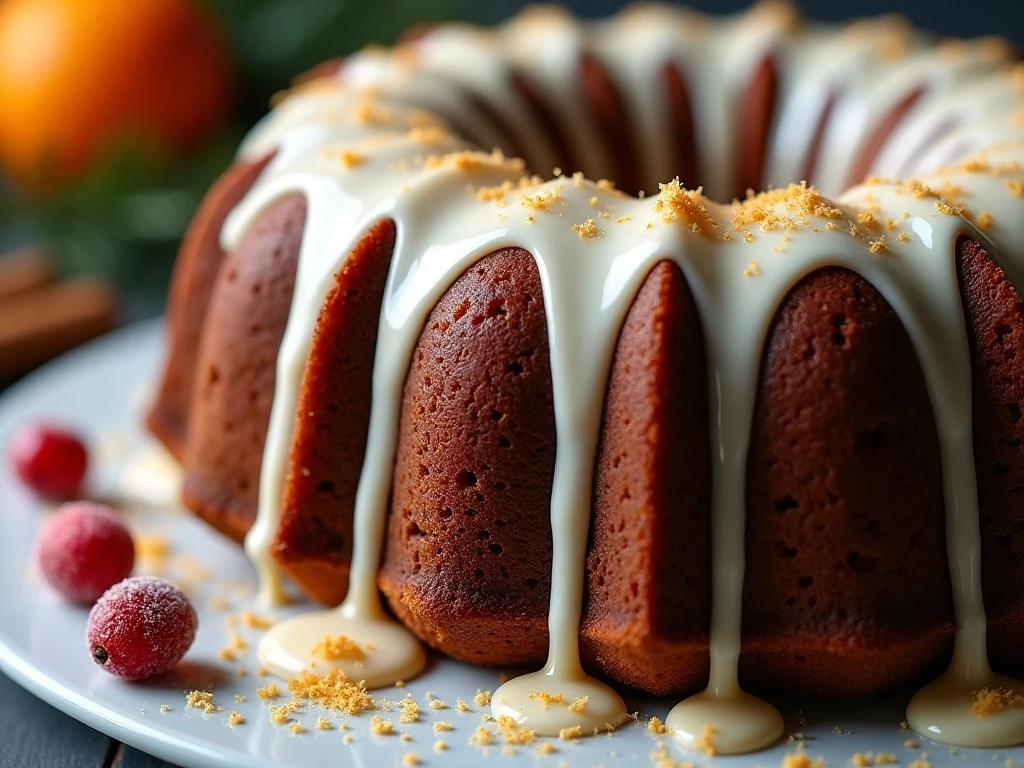
The simple vanilla glaze is intentionally light, allowing the dark cake to remain the star. Drizzle it in thin ribbons from a spoon or piping bag, then add a very small dusting of confectioners’ sugar once it has set.
For a richer variation, use cream instead of milk. You can also prepare a cream-cheese glaze with about 4 ounces of softened cream cheese, 1 cup of confectioners’ sugar, 2 to 3 tablespoons of milk, and vanilla, whisked until smooth.
Serve slices at room temperature with coffee, black tea, or a spoonful of softly whipped cream. A few sugared cranberries, orange zest curls, or a scattering of chopped toasted pecans can add festive color, though the cake is attractive without extra decoration.
If you are planning a larger dessert table, our blueberry crumb cake offers a fruity contrast to this dark, warmly spiced Bundt.
Storage and Make-Ahead Advice
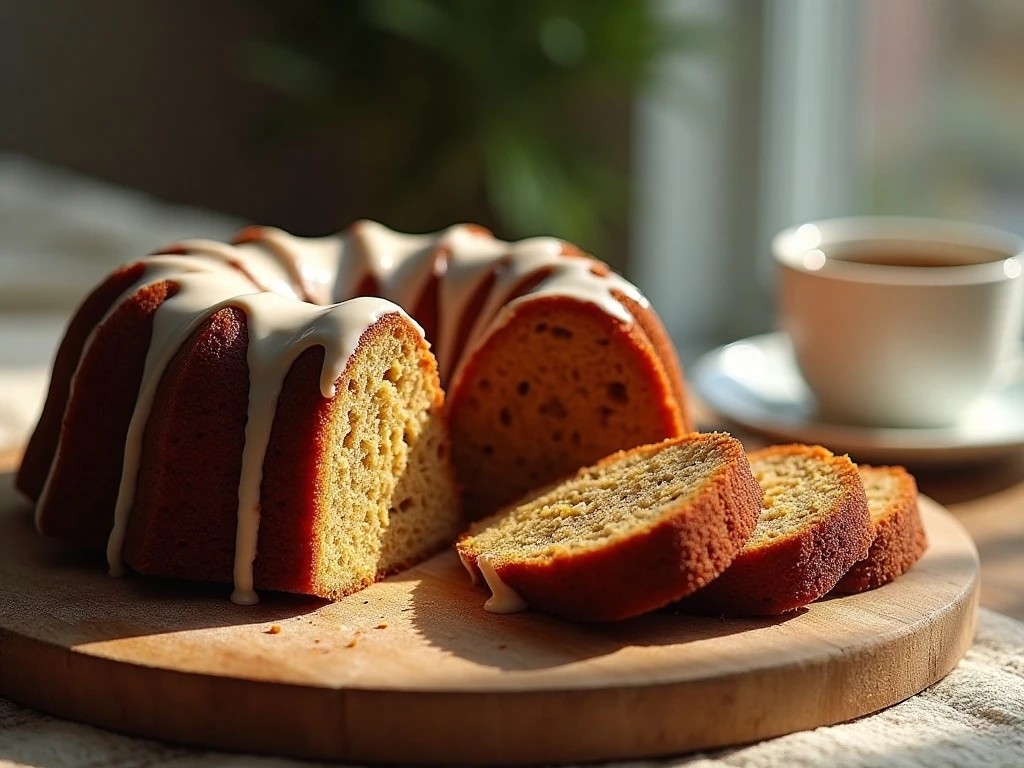
Once the glaze has set, cover the cake and keep it at room temperature for up to three days. Store it away from direct heat and sunlight so the glaze remains firm and the crumb stays moist.
For longer storage, wrap the unglazed cake tightly and freeze it for up to three months. Thaw it wrapped at room temperature, then add fresh glaze shortly before serving.
The cake can be baked a day ahead, and that timing is especially useful because resting gives the molasses and spices time to settle into a fuller flavor. Slice only what you plan to serve so the remaining cake retains its moisture.
After enjoying the Bundt, use any leftover confectioners’ sugar for a playful treat such as our easy cake batter fudge.
Common Questions
Can I use hot water or coffee instead of buttermilk? Some versions use 1/2 cup of hot water or coffee, which creates a softer, darker cake. This recipe is written with 1 cup of buttermilk, so changing the liquid also changes the batter balance; use the listed buttermilk for the tested formulation here.
Can I make the spice flavor stronger? Yes, more intensely spiced versions use up to 1 tablespoon of ground ginger and may include 1/4 teaspoon of allspice. For the balanced flavor in this recipe, begin with the stated two teaspoons of ginger.
Why did my cake stick? The most common causes are incomplete pan coating, too little flouring, or turning the cake out before it has rested for 10 to 15 minutes. Grease every detail of the pan and release the cake gently onto a rack.
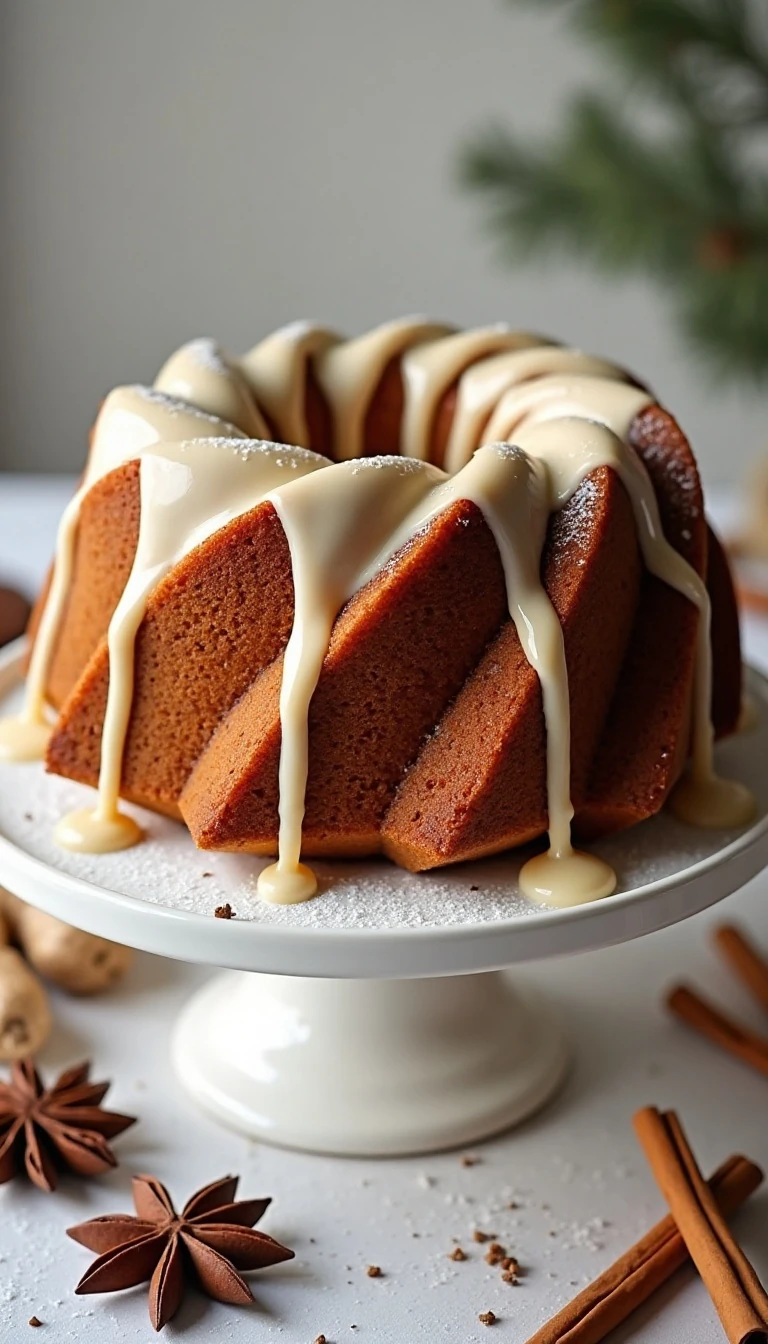
Glazed Gingerbread Bundt Cake
Ingredients
Method
- Heat the oven to 350°F (175°C). Thoroughly grease a 10- to 12-cup Bundt pan, including the center tube, and lightly flour it.
- Whisk together the flour, baking soda, salt, ginger, cinnamon, cloves, and nutmeg in a medium bowl.
- Beat the softened butter and brown sugar for about 3 to 4 minutes, until light and fluffy. Beat in the molasses, then add the eggs one at a time, followed by the vanilla.
- Add the dry ingredients in three additions, alternating with the buttermilk in two additions. Mix only until combined.
- Pour the batter into the prepared Bundt pan, smooth the top, and tap the pan gently on the counter to remove large air pockets.
- Bake for 45 to 55 minutes, until a wooden pick inserted near the center comes out clean or with a few moist crumbs. The cake should begin pulling slightly from the pan edges.
- Cool the cake in the pan for 10 to 15 minutes, then turn it out onto a rack and cool completely.
- Whisk the confectioners’ sugar, milk or cream, vanilla, and optional salt until smooth. Drizzle over the completely cooled cake and let the glaze set for about 15 minutes before slicing.
Notes
Final Thoughts
This Glazed Gingerbread Bundt Cake is a dependable celebration cake with a wonderfully old-fashioned flavor. The soft brown-sugar crumb, fragrant spices, and delicate vanilla glaze make every slice inviting without requiring complicated decoration.
Prepare it in advance, let it rest for several hours or overnight, and serve it with coffee or tea when the glaze has set. With careful pan preparation and light mixing, you will have a beautiful Bundt cake that looks festive, slices neatly, and tastes even better the next day.
For a chocolate-focused dessert table, you may also enjoy our Texas sheet cake brownies. Together, these recipes offer a delicious mix of warm spice, rich chocolate, and classic homemade comfort.