Buttered rutabagas are an easy, comforting side dish made by peeling and boiling two pounds of rutabaga, then tossing the tender cubes with unsalted butter, salt, and freshly ground black pepper. The complete recipe serves 4, takes 15 minutes to prepare, and cooks in 20 to 30 minutes for a total time of 35 to 45 minutes.
This classic preparation keeps the rutabaga rustic and chunky, allowing its mildly sweet, earthy flavor to shine beneath a glossy coating of butter. A little fresh parsley adds color, while careful draining keeps the finished dish rich and buttery instead of watery.
Jump to RecipeWhy You’ll Love This Recipe
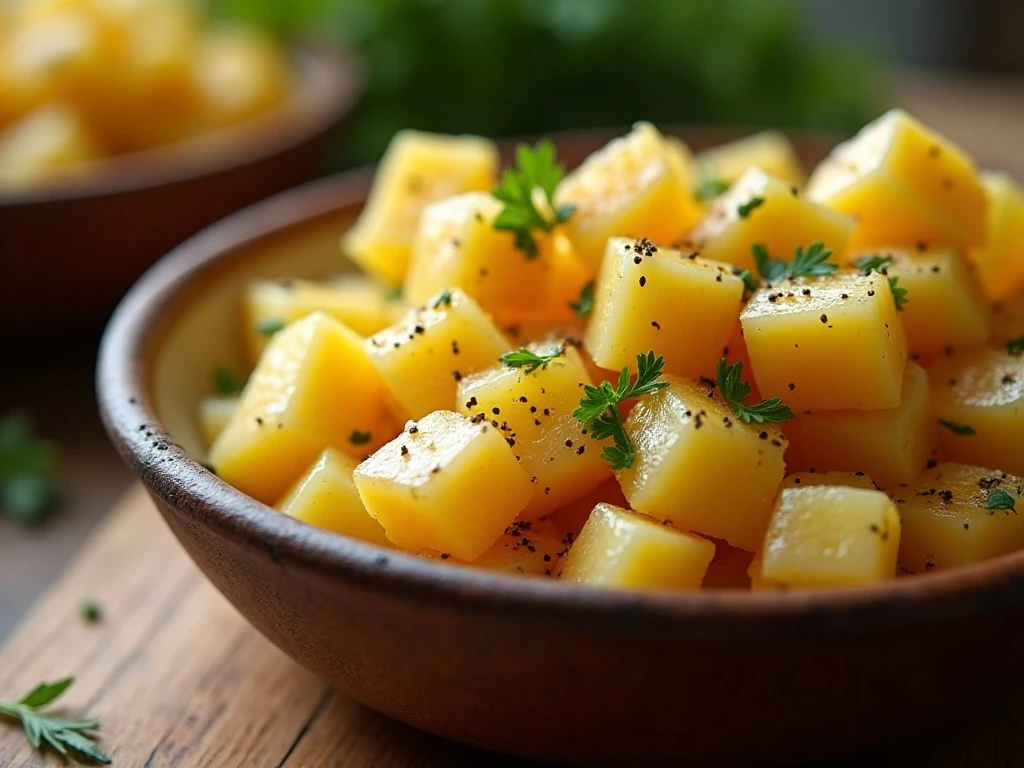
Buttered rutabagas are the kind of side dish that feels both old-fashioned and completely at home on a modern dinner table. They require only a few familiar ingredients, yet the finished vegetables have a satisfying depth from the combination of earthy rutabaga and creamy butter.
The texture is intentionally rustic rather than perfectly smooth. You can leave the cooked cubes chunky for a hearty bite, or press them gently with a potato masher for a loose, homespun mash.
This recipe is also wonderfully flexible. It pairs with roasted meats, baked poultry, sausages, beans, and other hearty main courses without competing with the flavors on the plate.
For a special dessert after dinner, you might serve a slice of crustless cheesecake or keep the meal cozy with a spoonful of fruit cobbler.
Ingredients You’ll Need
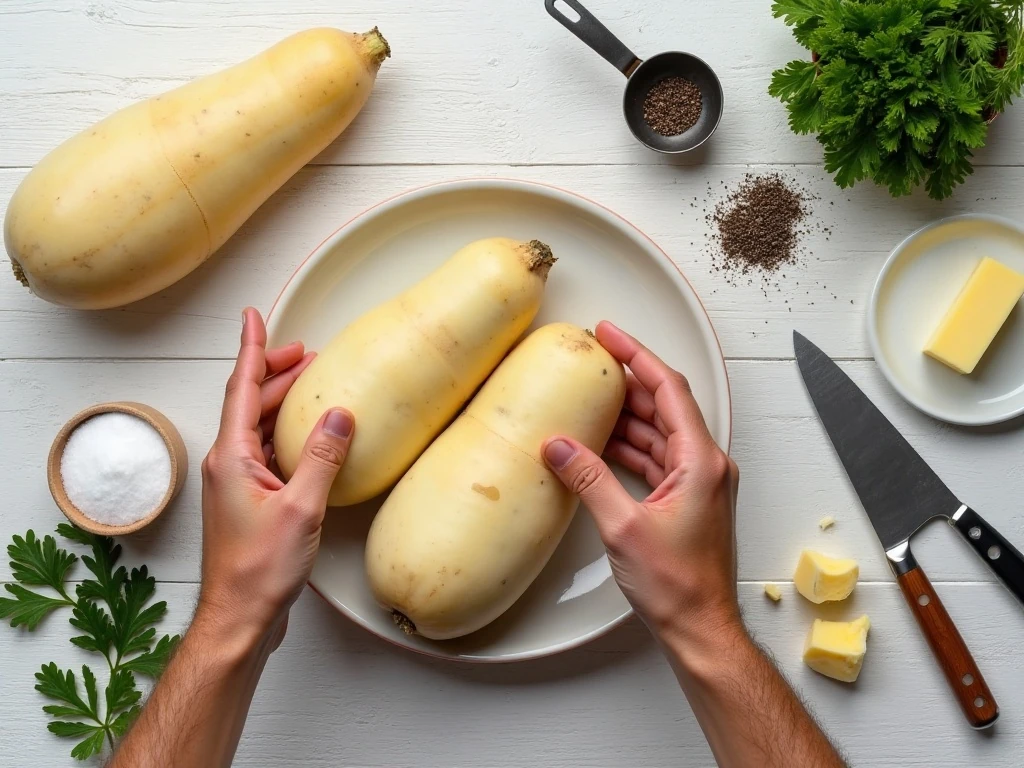
The ingredient list is short, so the quality and preparation of each item matter. Choose firm rutabagas that feel heavy for their size, with smooth, unblemished skin and no soft spots.
- 2 pounds rutabagas: This is about two medium rutabagas. Peel them thoroughly because the outer skin is thick and waxy.
- 3 tablespoons unsalted butter: Unsalted butter lets you control the final salt level while adding a rich, creamy finish.
- 1 teaspoon salt: Use 1/2 teaspoon in the cooking water and the remaining 1/2 teaspoon when finishing the dish, adding more if needed.
- 1/4 teaspoon freshly ground black pepper: Pepper adds gentle warmth and balances the vegetable’s natural sweetness.
- 1 tablespoon chopped fresh parsley: This garnish is optional, but its fresh color and herbal flavor brighten each serving.
- Water: Use enough cold water to cover the rutabaga cubes completely.
A vegetable peeler may need several passes over rutabaga skin. If the peel resists, use a sharp chef’s knife to remove the outer layer, taking care to create a stable flat surface first.
How to Make It Step-by-Step
Step 1: Trim the tops and bottoms from the rutabagas, then peel away the thick outer skin. Cut each rutabaga into slabs, sticks, and finally even 1-inch cubes so the pieces cook at the same rate.
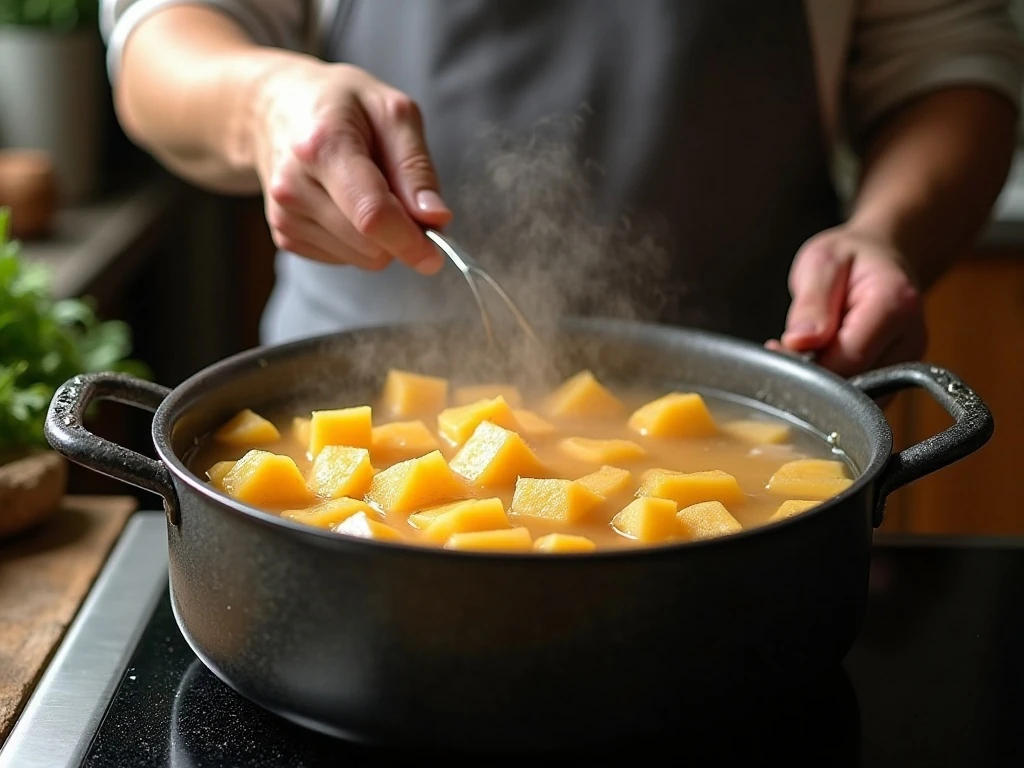
Step 2: Put the cubes into a large pot and cover them with cold water. Stir in 1/2 teaspoon of the salt before cooking, which seasons the rutabaga gently from the inside as it simmers.
Step 3: Bring the pot to a full boil over medium-high heat. Once boiling, reduce the heat to maintain a steady simmer and cook for 20 to 30 minutes, checking occasionally until a fork slips easily into the largest pieces.
Step 4: Drain the rutabaga thoroughly in a colander. Return the cubes to the warm, empty pot for 1 to 2 minutes, allowing steam and excess moisture to escape before the butter is added.
Step 5: Add the 3 tablespoons of butter, the remaining salt, and the black pepper. Toss gently with a spoon for a chunky preparation, or mash lightly with a potato masher until the texture is rustic and tender.
Step 6: Taste a piece and adjust the seasoning with additional salt or pepper if needed. Sprinkle with chopped parsley, then transfer the hot rutabagas to a serving bowl and serve immediately.
Pro Tips for Tender, Buttery Rutabagas
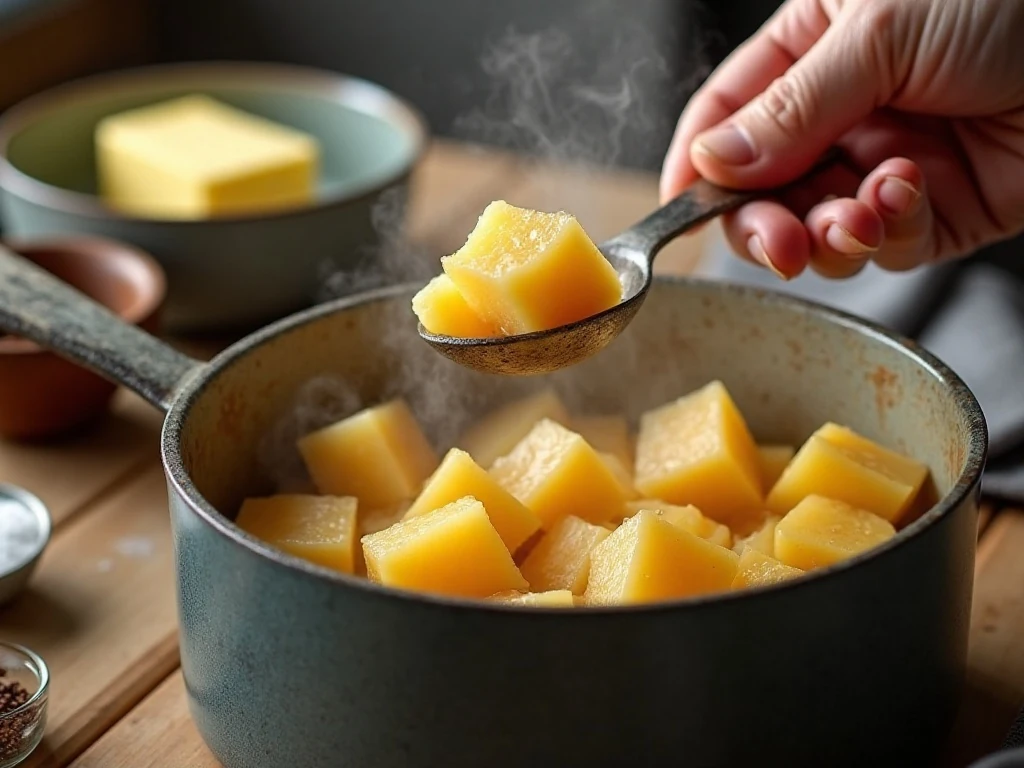
Uniform cuts are one of the most important details in this recipe. Large pieces take longer to soften, while small pieces can become waterlogged or overcooked before the rest of the pot is ready.
Do not rush the draining step. Rutabaga can hold onto cooking water, and that moisture will dilute the butter and leave the finished side loose rather than rich.
If you prefer a smoother texture, mash the cooked rutabaga more thoroughly and stir in 1 to 2 tablespoons of cream or milk. Add the dairy gradually so the mixture stays thick and flavorful.
Rutabaga has a mild natural bitterness that many people enjoy, but a small pinch of sugar, a touch of nutmeg, or 1 teaspoon of maple syrup can soften that edge. Add only one option at a time and taste before adding more.
For a deeper, nuttier flavor, brown the butter in the warm pot before adding the drained rutabaga. Watch it closely, because butter can move from golden and fragrant to burnt quickly.
What to Serve with Buttered Rutabagas

These buttery vegetables are especially good beside roast chicken, turkey, pork, beef, or sausages. Their soft texture and gentle flavor also make them a fitting companion for braised greens, roasted carrots, green beans, or a crisp winter salad.
Serve them as part of a holiday spread, where their golden color and rustic appearance provide a pleasant change from ordinary mashed potatoes. They also work beautifully for a simple weeknight dinner because the ingredients are affordable and the method is straightforward.
If you are planning a sweet finish, pair the savory side dish with a fruit-forward bourbon peach cobbler or a warm pecan cobbler. For a festive gathering, an easy egg nog can round out the menu.
Storage and Reheating
Cool leftover buttered rutabagas promptly and store them in a covered container in the refrigerator. They are best enjoyed within a few days, while the butter and vegetable flavors are still fresh.
To reheat, place the rutabagas in a saucepan over low heat and stir occasionally until hot. If the mixture seems dry, add a small pat of butter or a spoonful of cream, but avoid adding too much liquid.
You can also reheat a portion in the microwave using short intervals, stirring between each one. Keep the dish covered loosely to reduce splattering and help retain moisture.
Easy Ways to Change the Flavor
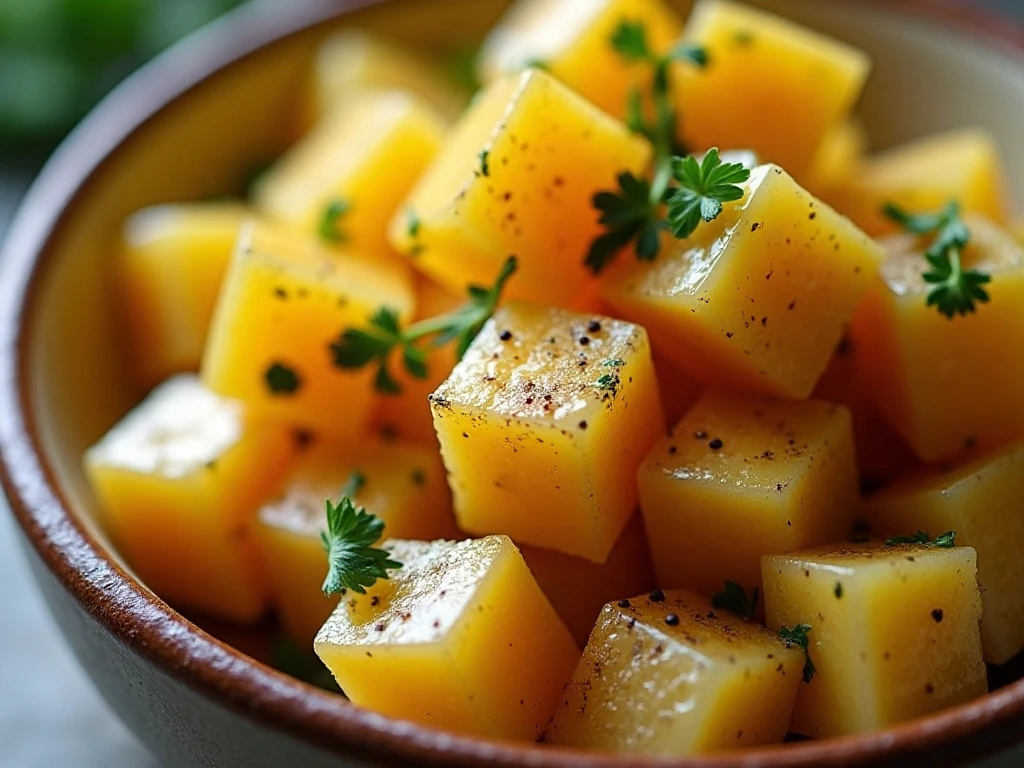
The standard butter, salt, and pepper combination is the most dependable version, but small changes can make the side dish feel new each time. Browned butter gives it a toasted aroma, while parsley adds a clean herbal note.
For a sweeter profile, try the optional maple syrup suggestion. For a more savory direction, use freshly cracked pepper generously and serve the rutabaga beside roasted meat with pan juices.
Keep the texture in mind when changing the recipe. Rutabaga is most appealing here when it remains thick and substantial rather than being thinned into a watery puree.
After the main course, a batch of magic brownie bars makes an indulgent dessert option for family dinners or casual entertaining.
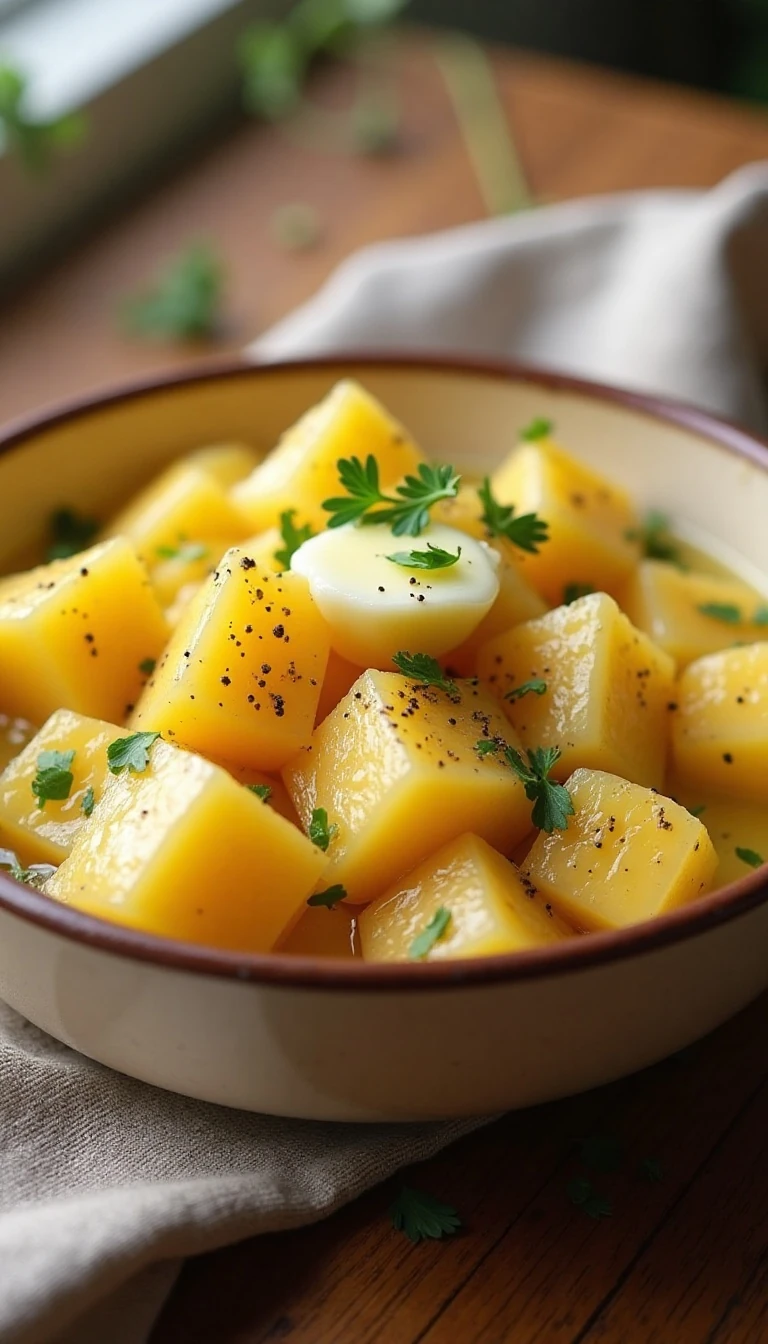
Buttered Rutabagas
Ingredients
Method
- Trim and peel the rutabagas thoroughly, then cut them into uniform 1-inch cubes.
- Place the cubes in a pot and cover them with cold water. Add 1/2 teaspoon of the salt.
- Bring the water to a boil, reduce the heat, and simmer for 20 to 30 minutes, until the rutabaga is easily pierced with a fork.
- Drain the rutabaga very well, then return it to the warm pot for 1 to 2 minutes so excess moisture can evaporate.
- Add the butter, remaining salt, and black pepper. Toss for chunky pieces or mash lightly with a potato masher.
- Taste and adjust the seasoning. Garnish with parsley if desired, and serve hot.
Notes
Final Thoughts
Buttered rutabagas prove that a humble root vegetable can become a memorable side dish with little more than careful cooking and good butter. Peel the rutabagas thoroughly, cut them evenly, simmer until fork-tender, and drain them well before finishing.
Keep the texture chunky for a rustic presentation or mash it lightly for a softer spoonful. With optional parsley, browned butter, cream, maple syrup, or nutmeg, this dependable recipe can suit everything from a weeknight supper to a festive holiday table.
Serve the rutabagas hot while the butter is glossy and fragrant. Once you taste their earthy sweetness with black pepper and salt, this simple preparation may become one of your favorite ways to enjoy rutabaga.