This easy balsamic chicken recipe makes a flavorful dinner in about 30 to 35 minutes without complicated ingredients or a long list of steps. Tender boneless chicken breasts are quickly marinated in balsamic vinegar, olive oil, honey, garlic, and Italian seasoning, then seared in a skillet and finished with a glossy balsamic glaze.
Every bite balances tangy balsamic vinegar with gentle sweetness, savory garlic, and fragrant herbs. Optional cherry tomatoes soften in the pan and soak up the sauce, making this a colorful, satisfying meal for four that pairs beautifully with potatoes, rice, couscous, quinoa, or steamed vegetables.
Jump to RecipeWhy You’ll Love This Recipe
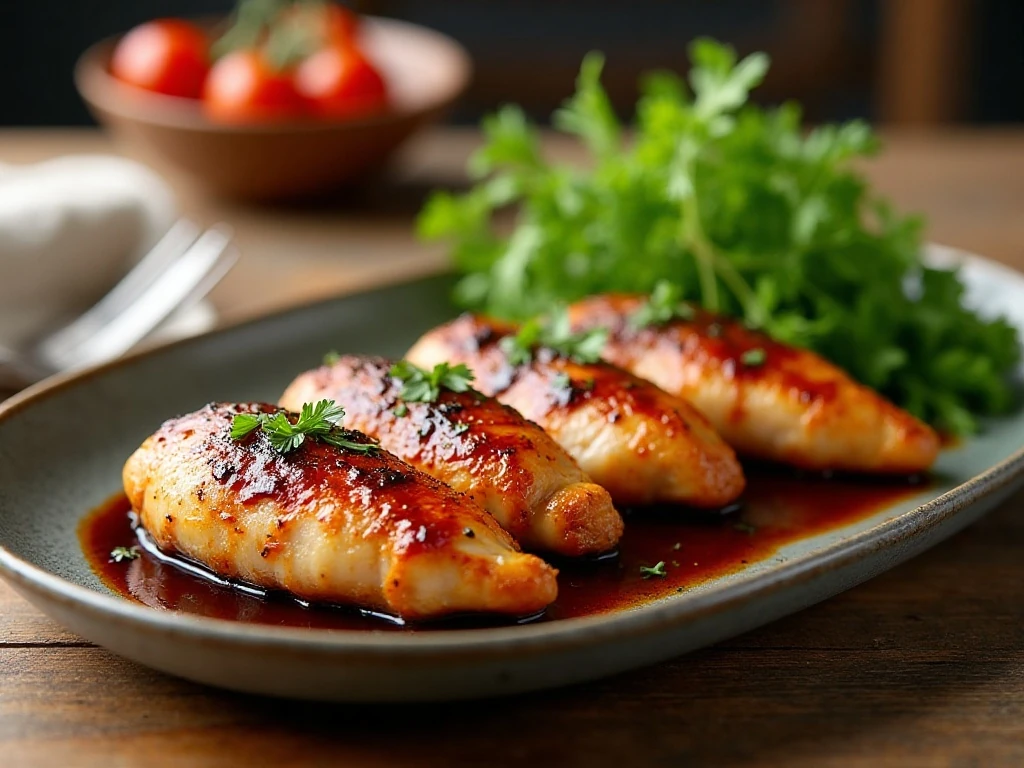
This skillet balsamic chicken is the kind of dinner that feels special while remaining completely practical for a busy evening. The ingredient list is short, the preparation is straightforward, and the chicken cooks in one large pan, which means less cleanup after dinner.
The marinade does several jobs at once. Balsamic vinegar brings a bright, fruity tang, honey or brown sugar rounds out its acidity, olive oil carries the seasoning, and garlic adds savory depth. As the reserved mixture simmers in the pan, it becomes a shiny sauce that clings beautifully to each slice of chicken.
Cherry tomatoes are optional, but they are a lovely addition when you want the meal to feel more complete. They soften in the last few minutes, release a little juice into the sauce, and provide a burst of freshness against the rich, dark glaze.
If you enjoy bold chicken marinades, you may also like these Buffalo chicken marinade ideas for a spicy variation on your next dinner.
Ingredients You’ll Need
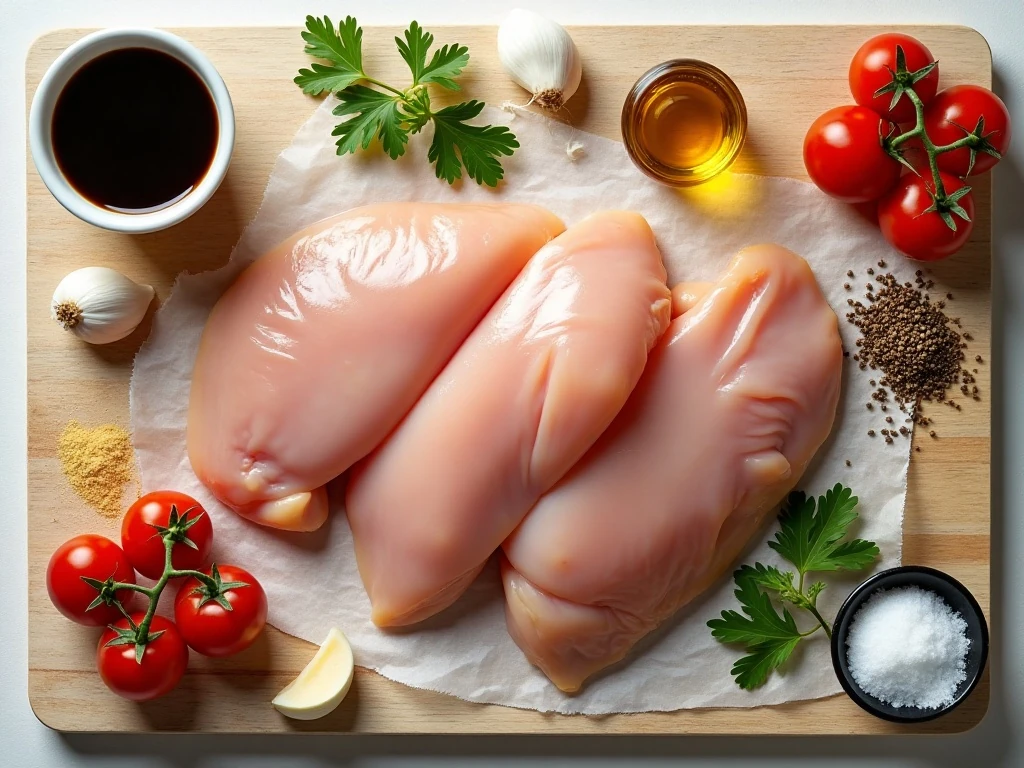
Four boneless, skinless chicken breasts weighing about 5 to 6 ounces each are the foundation of this recipe. Choose pieces that are similar in size so they finish cooking at roughly the same time. If the breasts are very thick, pounding them to 1/2 to 3/4 inch makes a noticeable difference in tenderness and cooking speed.
- Balsamic vinegar: Provides the recipe’s signature tangy flavor and deep color.
- Extra-virgin olive oil: Helps distribute the seasonings and keeps the chicken moist during searing.
- Honey or light brown sugar: Softens the vinegar’s sharpness and helps the sauce develop a glossy finish.
- Garlic and Italian seasoning: Add savory fragrance and a gentle herbal note.
- Kosher salt and black pepper: Bring the flavors into focus without overpowering the balsamic.
- Cherry tomatoes and parsley: Optional finishing ingredients that add color, freshness, and texture.
Look for a balsamic vinegar with a pleasantly sweet, rounded flavor rather than one that tastes harshly acidic. You do not need an expensive aged vinegar for this quick skillet meal, because the honey or brown sugar and brief reduction help create balance.
For another vegetable-centered dish with a balsamic flavor profile, try these balsamic honey roasted cabbage steaks as a side or a separate meatless dinner.
How to Make It Step-by-Step
Step 1: Prepare the chicken by checking the thickness of each breast. If one end is much thicker than the other, place the chicken between sheets of plastic wrap or parchment and pound it gently until it is approximately 1/2 to 3/4 inch thick. Patting the surface dry helps the chicken brown instead of steaming.
Step 2: Make the balsamic mixture in a medium bowl by whisking together the balsamic vinegar, olive oil, honey or light brown sugar, minced garlic, Italian seasoning, kosher salt, and black pepper. Take out about 1/4 cup and place it in a separate clean container for the sauce. This separation is important because the reserved portion will not touch raw chicken.
Step 3: Put the chicken into the remaining mixture and turn each breast so it is well coated. Cover and refrigerate for 30 minutes if you have time, or marinate for up to 2 hours for a more pronounced flavor. Do not leave the chicken in the marinade longer than needed, since the vinegar can affect the texture.
Step 4: Place a large skillet over medium-high heat and allow it to become hot before adding the chicken. Add a small amount of oil if the pan looks dry, then lift the chicken from the marinade and let excess liquid drip away. Discard the used marinade rather than saving it for the sauce.
Step 5: Sear the chicken for about 5 to 7 minutes on the first side, then turn it carefully and cook the second side for another 5 to 7 minutes. The exact timing depends on the thickness of the breasts, so use the color and temperature as your guide rather than relying only on the clock.
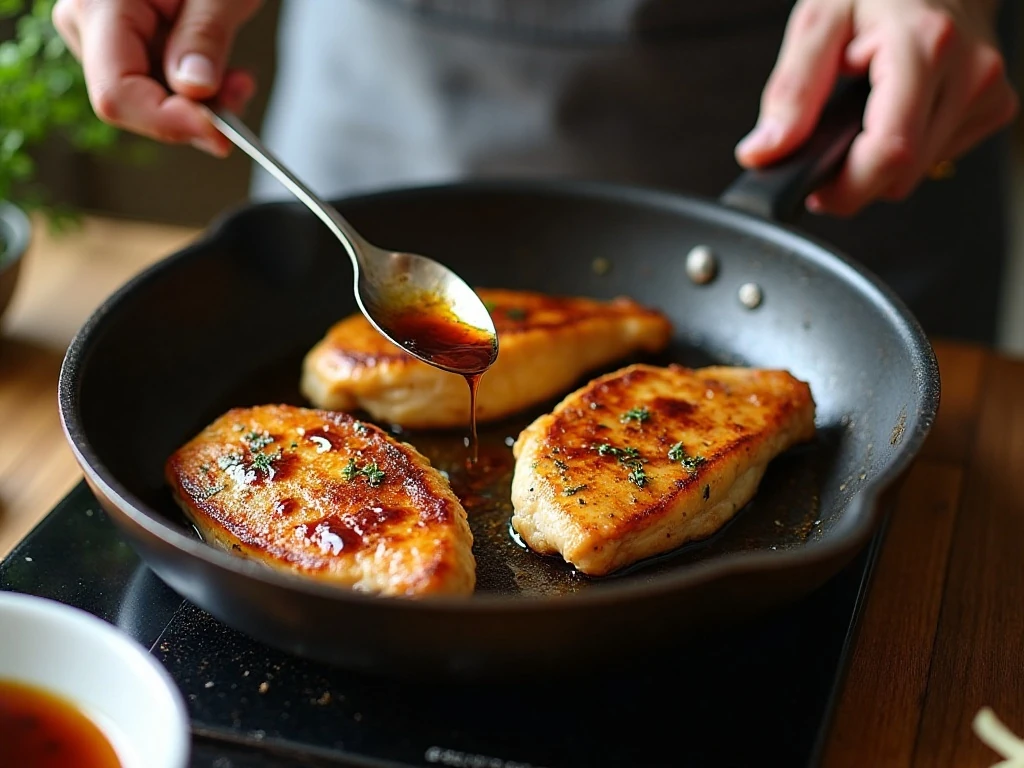
Step 6: Pour the reserved clean balsamic mixture into the skillet once the chicken has developed a golden-brown surface. Let it simmer for 1 to 3 minutes, stirring or gently swirling the pan as it reduces into a slightly thicker glaze. Add the cherry tomatoes during the final several minutes if using them, cooking until they are softened but still hold their shape.
Step 7: Check the thickest section of each breast with an instant-read thermometer. The chicken is ready when it reaches 165°F/74°C. Transfer it to a plate and let it rest for 5 minutes so the juices settle before slicing.
Step 8: Spoon the balsamic pan sauce and softened tomatoes over the rested chicken. Finish with chopped fresh parsley, then serve immediately with your favorite side dishes.
Chef Tips for Juicy Chicken
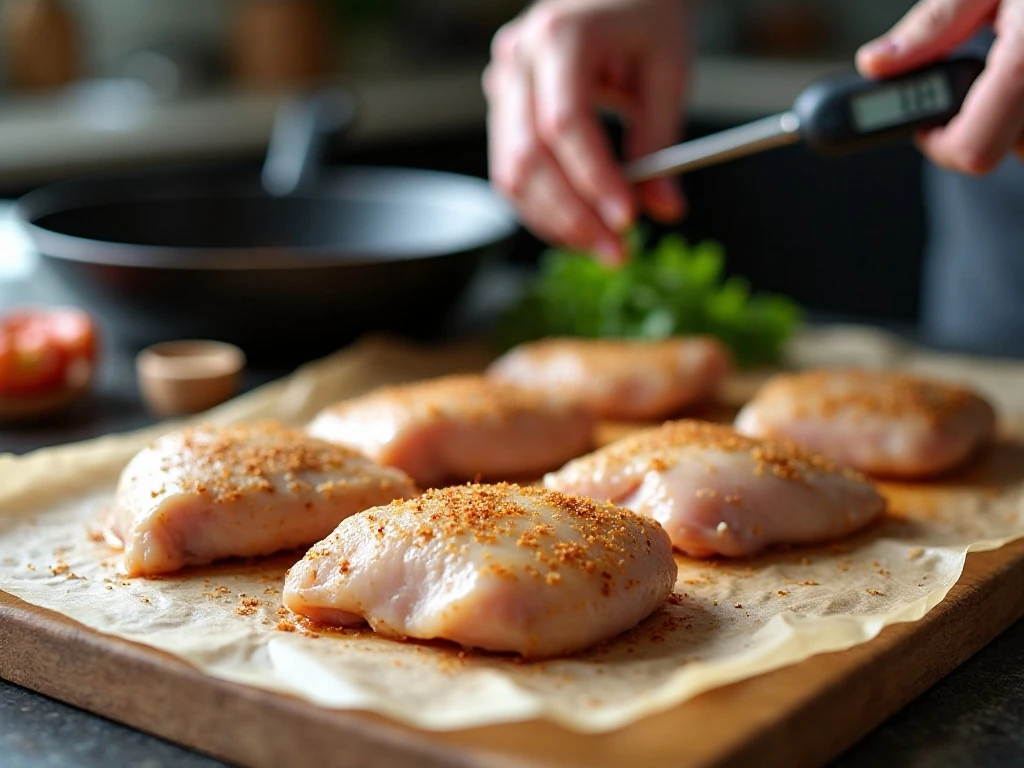
The most important technique is creating an even thickness. A chicken breast that is thin at one end and thick at the other may have a dry, overcooked portion by the time the center is safe to eat. A few gentle taps with a meat mallet solve that problem and also make the finished chicken easier to slice.
Keep the skillet hot enough to sear, but reduce the heat slightly if the garlic or balsamic mixture begins to darken too quickly. Balsamic vinegar contains natural sugars, and the honey or brown sugar makes browning happen faster. A deep brown glaze is desirable; a scorched sauce is bitter.
Reserving the clean sauce before marinating is a simple food-safety habit worth repeating. Used marinade has contacted raw chicken, so it should be discarded unless it is boiled thoroughly. The reserved portion gives you a fresh, safe sauce for finishing without adding extra work.
- Use tongs to turn the chicken rather than piercing it with a fork.
- Avoid crowding the skillet so the chicken can brown properly.
- Let the chicken rest for 5 minutes before slicing.
- Use a thermometer for the most reliable doneness check.
- Add parsley just before serving so its color and fresh flavor remain bright.
For a different quick marinade to keep in your dinner rotation, take a look at this all-purpose chicken marinade. It offers a completely different flavor direction while using the same easy preparation style.
What to Serve with Balsamic Chicken
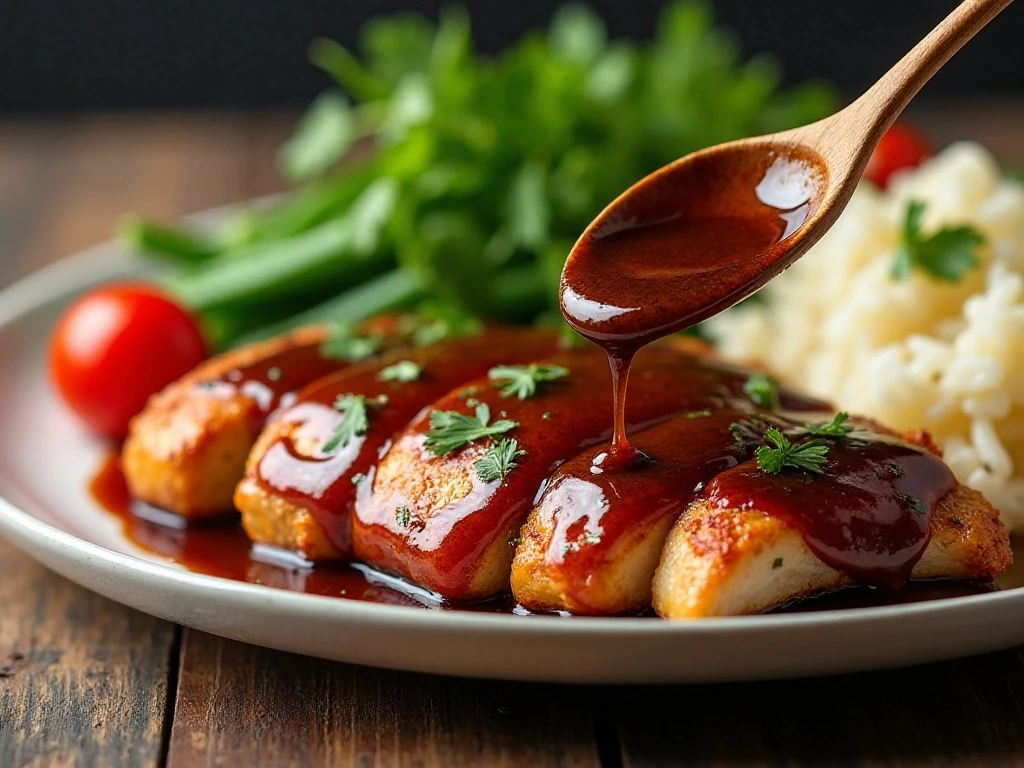
The pan sauce is especially good with anything that can catch every drop. Creamy mashed potatoes create a comforting plate, while roasted potatoes add crisp edges and a hearty texture. Rice, couscous, and quinoa are also excellent choices when you want a simple grain to absorb the balsamic glaze.
For vegetables, serve the chicken with steamed green beans, broccoli, or asparagus. A simple green salad with a light dressing keeps the meal fresh and crisp, while the optional cherry tomatoes in the skillet add another vegetable without requiring a separate pan.
A warm loaf of bread can also be useful for mopping up the sauce. This easy beer bread would make a cozy companion for a casual family dinner.
Storage and Reheating
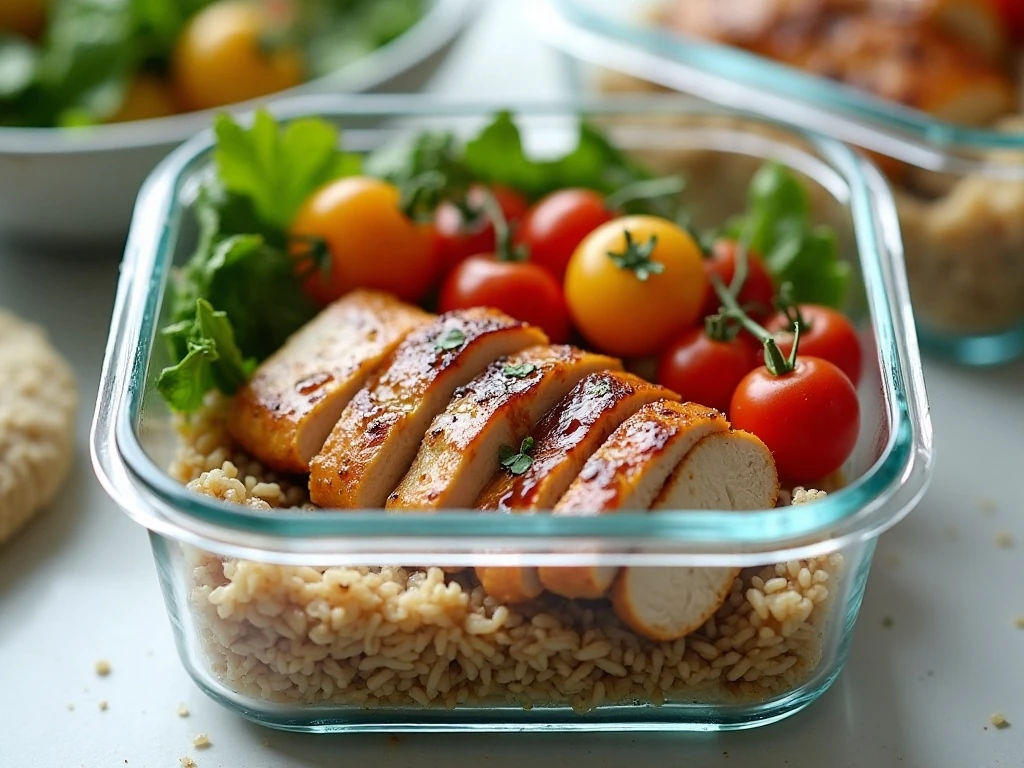
Cool leftover chicken promptly and store it with the pan sauce in an airtight container in the refrigerator for up to 3 days. Keeping the chicken with the sauce helps protect it from drying out and makes the leftovers more flavorful.
Reheat gently in a covered skillet over low to medium-low heat with a splash of water or broth. You can also warm individual portions in the microwave in short intervals, turning the chicken once and stopping as soon as it is hot.
Slice leftover chicken for salads, grain bowls, wraps, or sandwiches. The sweet-tangy sauce pairs nicely with greens, roasted vegetables, and mild cheeses, giving the leftovers a fresh purpose rather than making them feel like a repeat meal.
Easy Variations and Serving Ideas
Although chicken breasts are the standard choice, the same flavor combination can inspire other meals. Keep the core balsamic, garlic, herb, and honey mixture intact, then adjust cooking time carefully for pieces of a different size. Always confirm doneness with a thermometer.
For a slightly more herb-forward result, use dried oregano instead of Italian seasoning. If you prefer a touch more sweetness, honey gives the glaze a smooth finish, while light brown sugar contributes a warmer, lightly caramelized note.
For dessert after this savory dinner, a slice of easy late summer peach cake would bring a soft fruit flavor to the table. The combination makes a relaxed menu for guests or a comforting weekend meal.
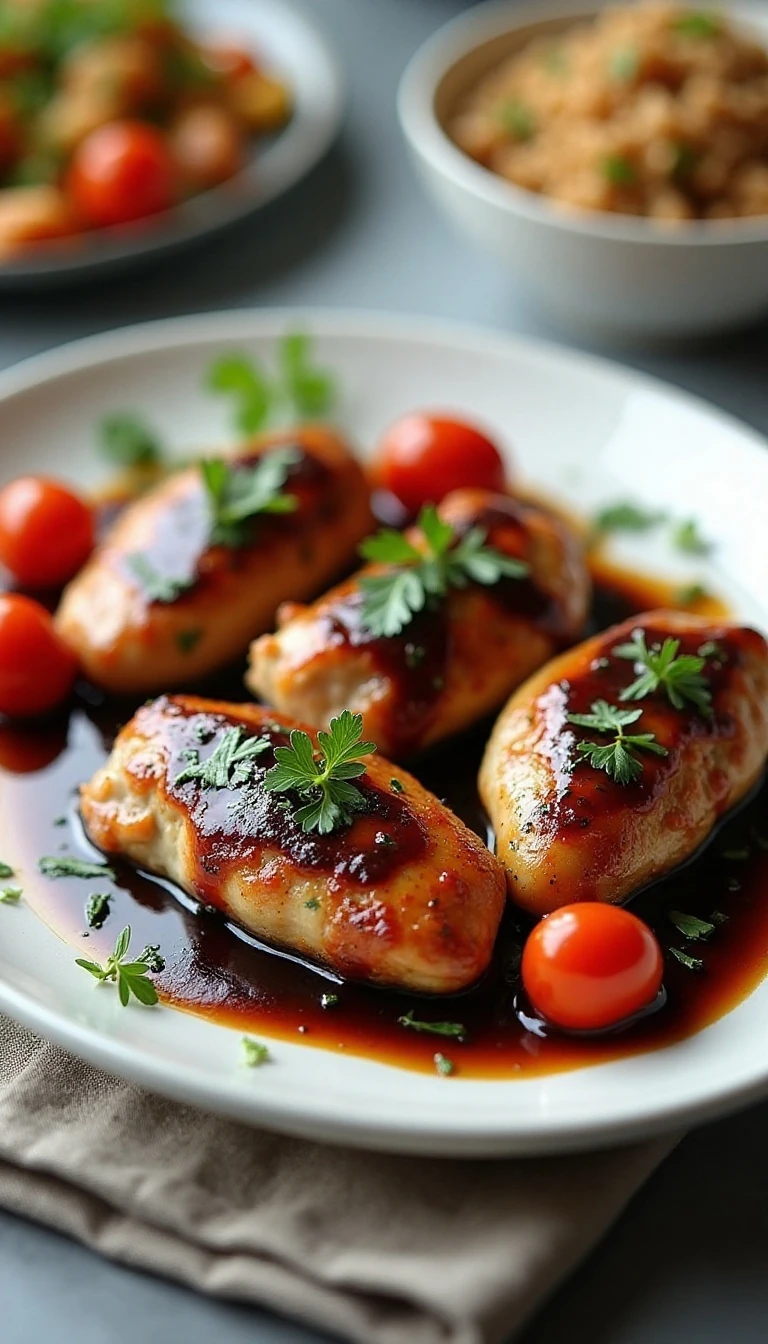
Easy Balsamic Chicken Recipe
Ingredients
Method
- If the chicken breasts are thick, pound them gently to an even thickness of approximately 1/2 to 3/4 inch. Pat the chicken dry with paper towels.
- Whisk the balsamic vinegar, olive oil, honey or light brown sugar, minced garlic, Italian seasoning, kosher salt, and black pepper in a bowl. Reserve about 1/4 cup of this clean mixture for the finishing sauce.
- Place the chicken in the remaining marinade and refrigerate for 30 minutes if time permits. If you are in a hurry, the chicken can go directly into the skillet after being coated.
- Heat a large skillet over medium-high heat and add a small amount of oil if needed. Remove the chicken from the used marinade, discard that marinade, and sear the breasts for about 5 to 7 minutes per side, depending on thickness.
- Pour the reserved, unused balsamic mixture into the skillet and simmer for 1 to 3 minutes so it reduces slightly into a glaze. If using cherry tomatoes, add them during the final several minutes and cook until softened.
- Continue cooking until the thickest part of each chicken breast reaches 165°F/74°C. Rest the chicken for 5 minutes, then spoon the pan sauce over the top and garnish with chopped parsley.
Notes
Final Thoughts
This easy balsamic chicken recipe delivers a restaurant-style finish with ordinary ingredients and a single skillet. Even cooking, a short marinade, and a reserved balsamic mixture are the small details that produce tender chicken and a flavorful glossy sauce every time.
Serve it with potatoes, rice, grains, vegetables, or a crisp salad, and do not forget to spoon the pan sauce over the top. With a total cooking plan of about 30 to 35 minutes without marinating, this is a dependable dinner for weeknights, guests, and any time you want a bright, savory meal with very little fuss.