To cook perfect pork tenderloin at home, coat a 1- to 1 1/4-pound tenderloin with olive oil, salt, pepper, paprika, garlic, Dijon mustard, and fresh herbs. Sear it for 2–3 minutes per side in an ovenproof skillet, then roast it at 425°F for about 15–20 minutes, checking with an instant-read thermometer until the thickest part reaches 145°F. Rest the pork for 5–10 minutes before slicing.
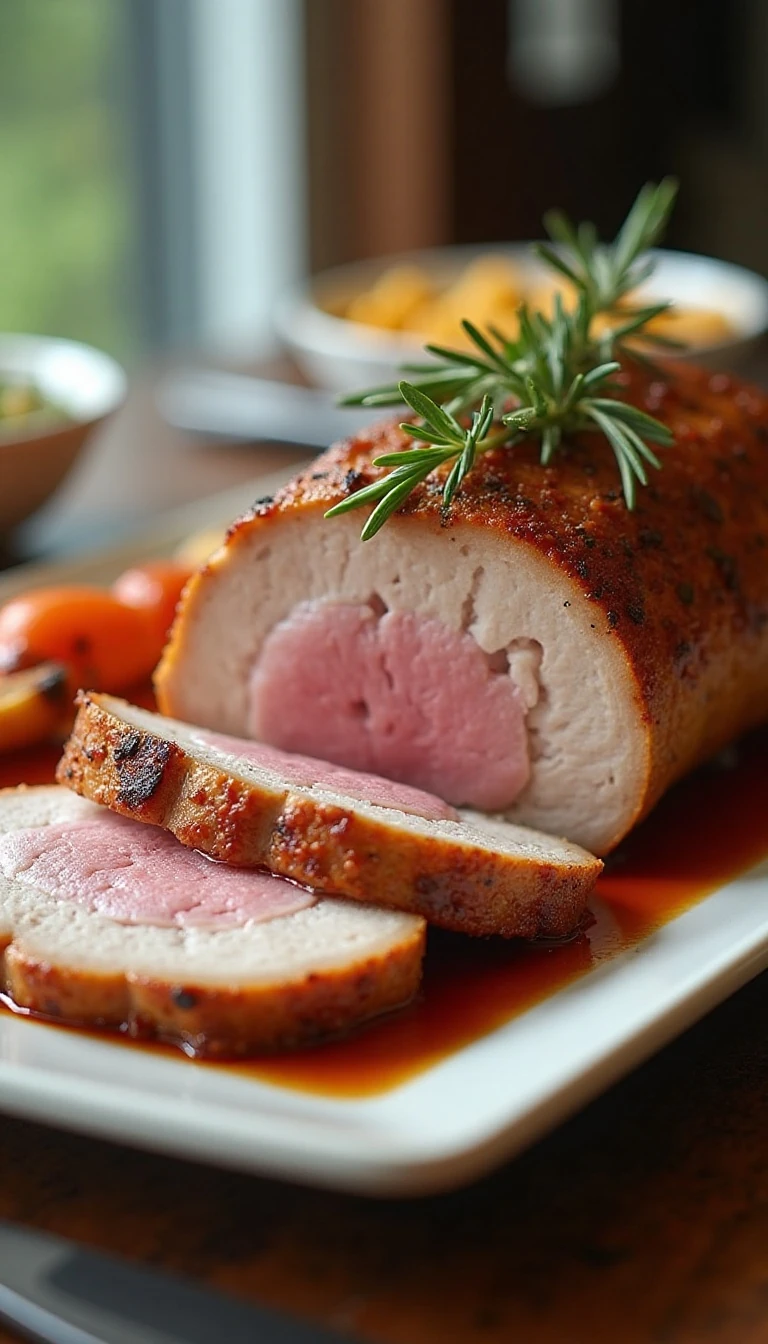
This method produces tender, juicy pork with a savory garlic-herb crust and beautifully browned edges. The center may remain slightly pink at a safe 145°F, while the short cooking time keeps this lean cut from becoming dry or chewy.
Jump to RecipeWhy You’ll Love This Recipe
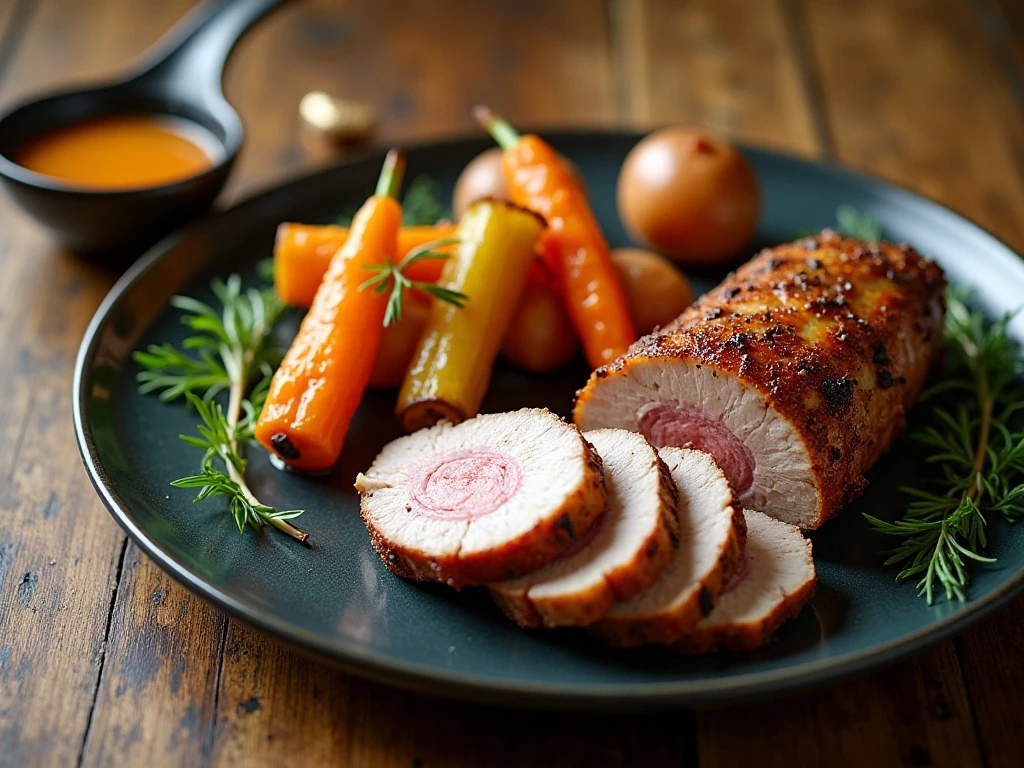
Pork tenderloin is one of the easiest cuts of meat to prepare for dinner when you want something that feels special without spending hours in the kitchen. It is small, naturally lean, and cooks much faster than a pork loin roast, making it a practical choice for a weeknight meal or a relaxed weekend supper.
The seasoning paste creates a flavorful crust from a short list of familiar ingredients. Dijon mustard adds tang, paprika contributes warm color and gentle smokiness, garlic brings savory depth, and rosemary or thyme adds a fresh herbal note that pairs beautifully with pork.
Searing the tenderloin before roasting gives the outside a rich brown finish while the hot oven cooks the center evenly. Once you learn to rely on temperature instead of color, this recipe becomes highly dependable.
- Fast: Active cooking takes approximately 25–35 minutes.
- Flavorful: A mustard, garlic, paprika, and herb rub seasons every slice.
- Juicy: Removing the pork at 145°F and resting it protects its texture.
- Flexible: Serve it with potatoes, rice, salad, roasted vegetables, or warm bread.
If you are planning a menu with several pork favorites, you may also enjoy our easy crockpot pork barbecue for a slow-cooked option with a different texture and flavor profile.
Ingredients You’ll Need
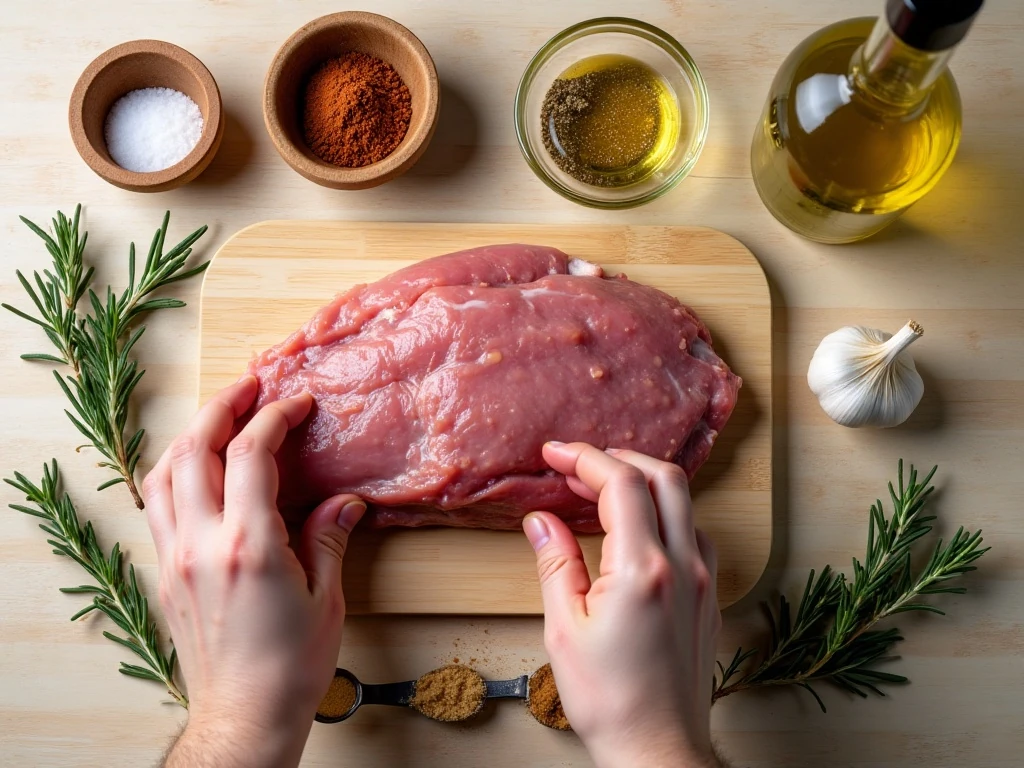
Start with one pork tenderloin weighing about 1 to 1 1/4 pounds. This is the narrow, tender cut often sold in a vacuum-sealed package; it is not the larger pork loin roast, which requires a different cooking approach and longer timing.
The seasoning ingredients work together as both a marinade-style coating and a browning mixture. Combine them in a small bowl before applying the mixture so every part of the tenderloin receives an even layer.
- 1 pork tenderloin, about 1 to 1 1/4 pounds
- 1 tablespoon olive oil
- 1 teaspoon kosher salt
- 1/2 teaspoon freshly ground black pepper
- 1 teaspoon smoked or sweet paprika
- 2 garlic cloves, minced
- 1 tablespoon Dijon mustard
- 1 teaspoon chopped fresh rosemary or thyme
- Optional: 1 tablespoon brown sugar for a slightly sweeter crust
Smoked paprika gives the crust a gentle campfire note, while sweet paprika keeps the flavor mild and rounded. Brown sugar is optional, but it adds a subtle sweetness and encourages extra browning, so watch the pork closely during searing.
For another way to plan a pork-centered dinner, our 20-minute pork chili is a useful recipe to keep in your weeknight rotation.
How to Make It Step-by-Step
Step 1: Remove the tenderloin from its package and pat it very dry with paper towels. Moisture on the surface can prevent proper browning, so take a moment to blot every side thoroughly.
Step 2: Trim away the silverskin, which is the shiny, tough membrane running along part of the tenderloin, along with any excess surface fat. Use a sharp knife and keep the blade angled just beneath the membrane so you remove the tough portion without wasting meat.
Step 3: In a small bowl, stir together the olive oil, kosher salt, black pepper, paprika, minced garlic, Dijon mustard, and chopped rosemary or thyme. Add the brown sugar at this point if you want a slightly sweeter crust, then rub the mixture evenly over the entire tenderloin.
Step 4: Let the seasoned pork stand at room temperature for about 20–30 minutes if time permits. For deeper seasoning, cover and marinate it in the refrigerator for 30 minutes to 8 hours, then allow it to sit briefly before cooking.
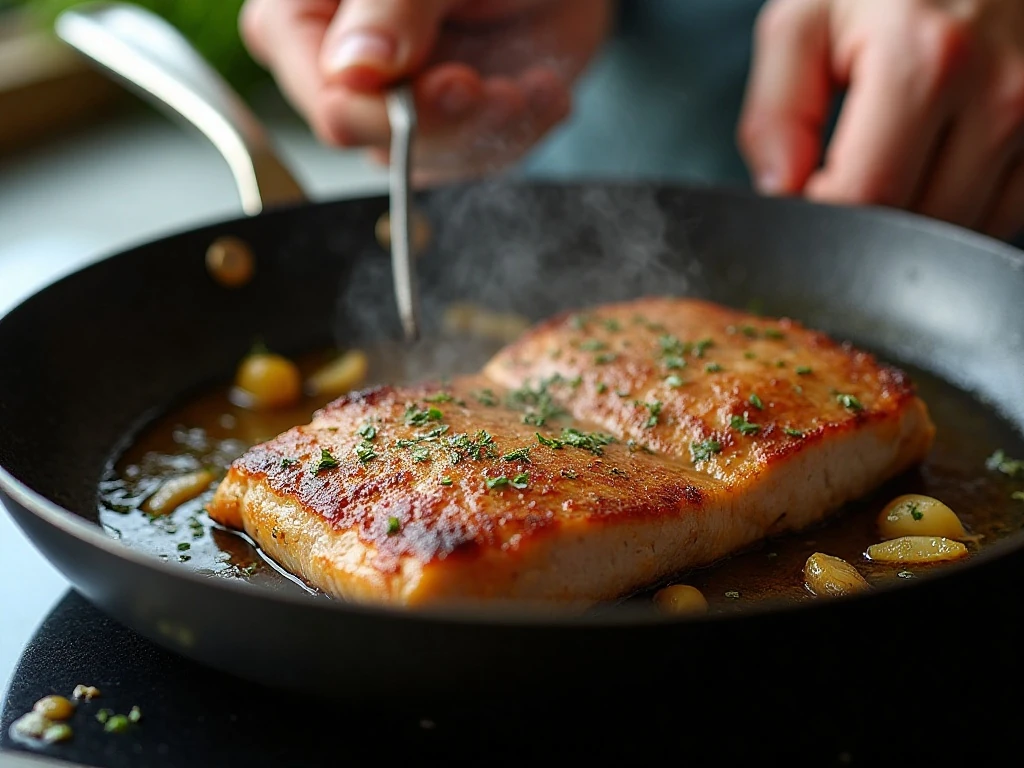
Step 5: Heat an ovenproof skillet over medium-high heat. Add a small amount of oil only if the pan seems dry, then place in the tenderloin and sear for 2–3 minutes on each side until the exterior is browned all over.
Step 6: Transfer the skillet to a preheated 425°F oven. Roast for approximately 15–20 minutes, but begin checking early because tenderloin thickness and starting temperature can change the cooking time.
Step 7: Insert an instant-read thermometer into the thickest part of the pork and remove it from the oven when it reaches 145°F. The center may still be slightly pink, and that color is not a reliable indicator of whether pork is safely cooked.
Step 8: Move the tenderloin from the hot skillet to a cutting board and let it rest for 5–10 minutes. This pause allows the juices to redistribute, so they are less likely to run out when you slice the pork.
Step 9: Slice the rested tenderloin into rounds and arrange them on a serving platter. Spoon any flavorful juices from the cutting board over the slices and serve immediately with your favorite dinner sides.
Pro Tips for Juicy Pork

The most important tool for this recipe is an instant-read thermometer. Pork tenderloin is lean, and a few extra minutes in the oven can take it from tender to dry, so begin checking the temperature before the expected 15-minute mark.
Do not judge doneness by the color of the center. Pork cooked to the USDA safe minimum internal temperature of 145°F may retain a slight pink hue, and the thermometer gives you a much more dependable answer than appearance.
- Dry the surface: Paper towels help the seasoning adhere and encourage a better sear.
- Use medium-high heat: The skillet should be hot enough to brown the pork quickly without burning the garlic or sugar.
- Turn methodically: Sear all available sides for 2–3 minutes each rather than moving the meat constantly.
- Watch the thin end: If one end is noticeably narrow, tuck it slightly under or monitor it closely so it does not overcook.
- Rest before cutting: The 5–10 minute rest is part of the cooking process, not an optional decoration.
A simple side dish such as roasted carrots, green beans, mashed potatoes, or an apple-fennel salad balances the savory crust. If you enjoy shredded pork dishes too, compare this quick roasted tenderloin with our chipotle sweet pulled pork, which uses a slower cooking style.
Serving, Storage & Reheating
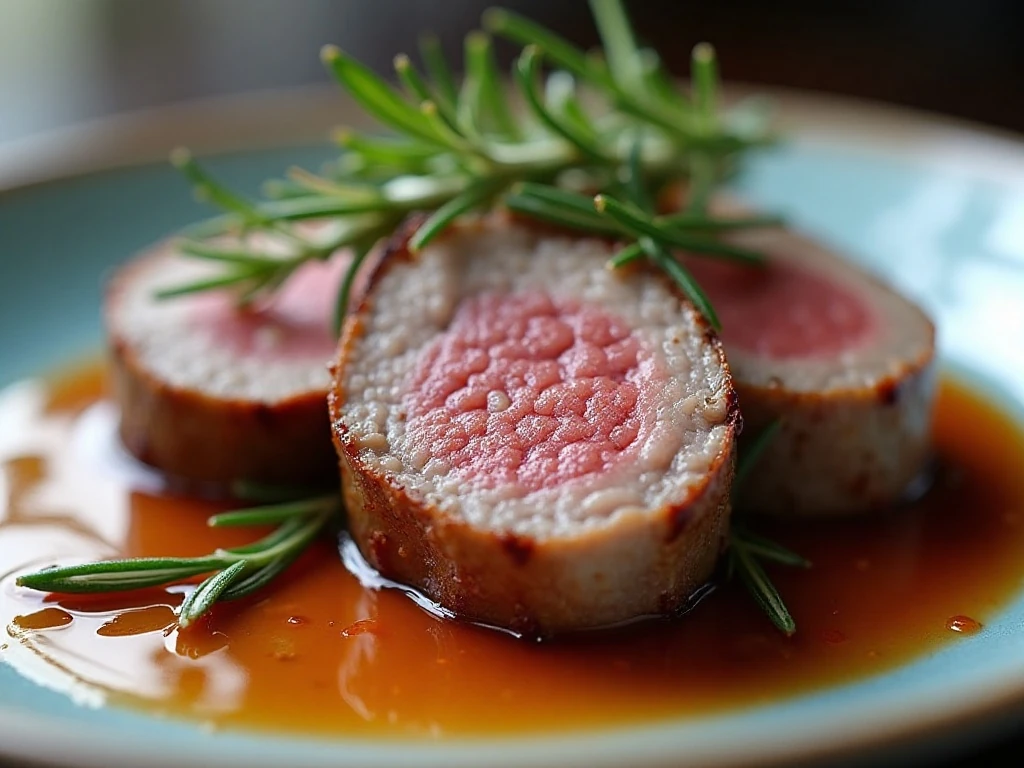
Serve the sliced pork tenderloin as soon as it has rested, while the crust is fragrant and the center is warm. A spoonful of pan juices is often all it needs, though a crisp green salad, roasted vegetables, rice, or potatoes can turn it into a complete dinner.
For a simple presentation, fan the slices across a platter and scatter a few fresh rosemary or thyme leaves around them. Keep sauces light so they complement rather than cover the garlic, mustard, and paprika crust.
Store leftovers in a covered container in the refrigerator and use them within a few days. Slice only what you plan to serve right away when possible, since a larger piece retains moisture better than many thin slices.
Reheat gently so the lean pork does not dry out. Warm slices briefly in a covered skillet with a splash of water or broth, or heat them carefully in the microwave at reduced power; stop as soon as they are warmed through.
For a different traditional pork dinner, you can also try our authentic pork carnitas. And if you are preparing several proteins for a gathering, our guide to pre-cooking chicken for recipes may help with advance planning.
Perfect Pork Tenderloin at Home
Ingredients
Method
- Pat the pork tenderloin completely dry, trim away silverskin and excess surface fat, and combine the olive oil, salt, pepper, paprika, garlic, Dijon mustard, and herbs. Rub the mixture evenly over the pork.
- Let the seasoned pork stand at room temperature for about 20–30 minutes if time permits. Heat an ovenproof skillet over medium-high heat and sear the tenderloin for 2–3 minutes on each side until browned.
- Transfer the skillet to a 425°F oven and roast for approximately 15–20 minutes, checking the thickest part with an instant-read thermometer. Remove the pork when it reaches 145°F.
- Move the tenderloin to a cutting board and rest for 5–10 minutes. Slice into rounds and serve while warm.
Notes
Final Thoughts
Perfect pork tenderloin at home comes down to a few clear steps: dry and season the meat well, sear it for 2–3 minutes per side, roast at 425°F, and use a thermometer to confirm 145°F in the thickest part. A 5–10 minute rest completes the process and helps each slice stay juicy.
With its crisp paprika-garlic crust, tender center, and quick cooking time, this pork tenderloin is an excellent dinner when you want impressive flavor without complicated preparation. Keep the thermometer close, avoid overcooking, and let the simple seasoning speak for itself.