Mom’s pickled eggs are an easy make-ahead snack made with 12 hard-cooked eggs, sweet-tangy distilled white vinegar, onion rings, and warm pickling spices. The eggs cook in about 12 minutes after the water reaches a boil, the pickling liquid takes about 5 minutes, and the assembled jar needs at least 8 hours in the refrigerator for the flavors to develop.
Each bite is pleasantly tangy, lightly sweet, savory, and warmly spiced, with tender egg whites and creamy yolks. For the fullest flavor, refrigerate the eggs for 24–48 hours before serving, then enjoy them as a grab-and-go snack, a picnic favorite, or a flavorful addition to a simple meal.
Jump to RecipeWhy You’ll Love This Recipe
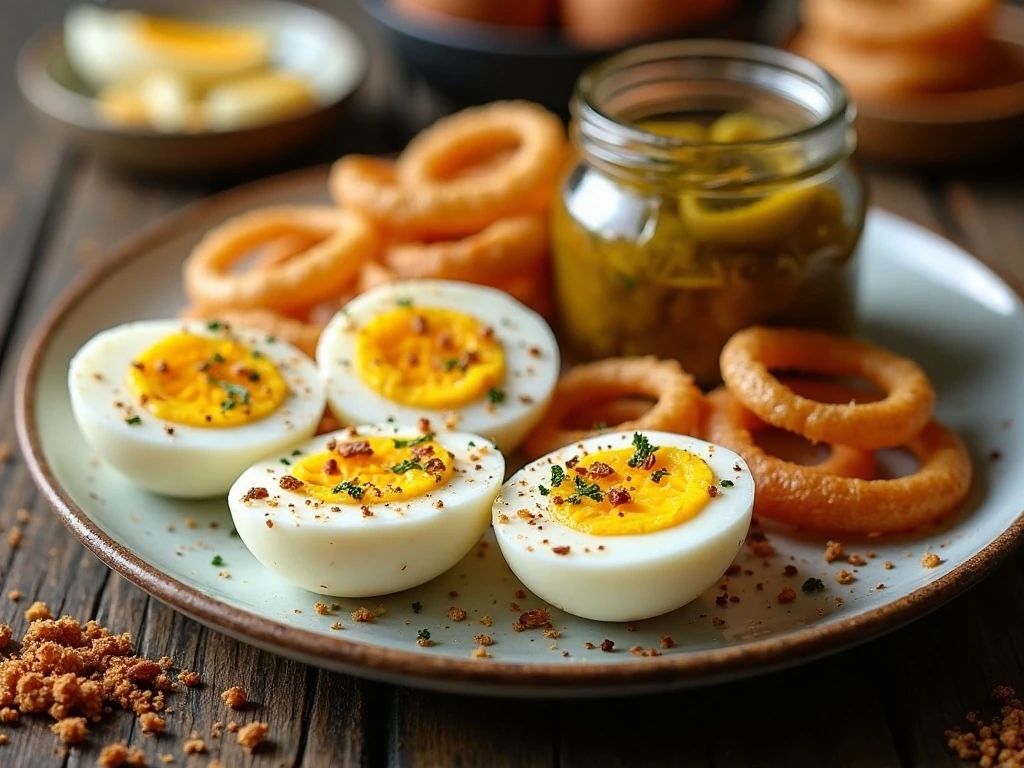
This Mom’s pickled eggs recipe turns everyday ingredients into a ready-to-eat snack with very little hands-on work. The finished eggs have a bright vinegar tang balanced by granulated sugar, while onion rings and pickling spice provide savory depth and a gentle old-fashioned deli flavor.
Because the eggs are prepared ahead, they are especially useful for busy mornings, lunch boxes, road trips, game-day platters, and casual entertaining. Open the jar, lift out an egg, and you have a satisfying bite with creamy yolk and a pleasantly firm, seasoned white.
The method is also wonderfully flexible without changing the classic base. Serve the eggs whole, slice them over greens, or cut them in half and arrange them beside crackers, cheese, and fresh vegetables.
If you enjoy bright homemade toppings, you may also like this quick pickled onion recipe, which makes a wonderful companion for sandwiches and snack boards.
Ingredients You’ll Need
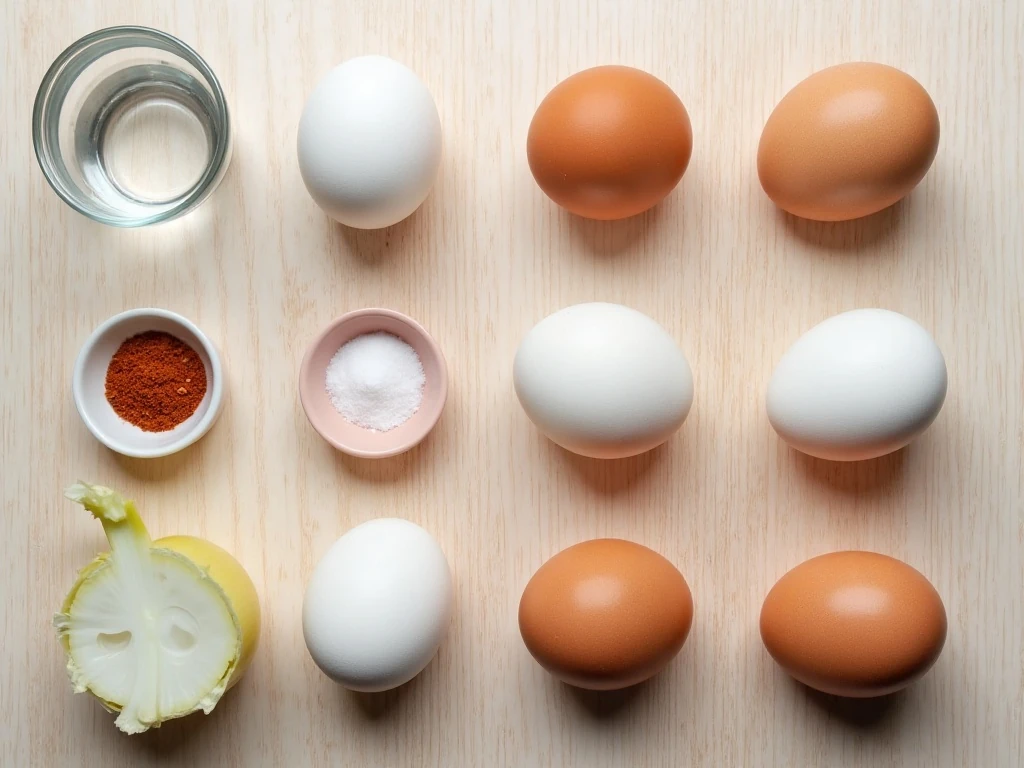
The ingredient list is short, but every item has a job in the finished pickle. Distilled white vinegar supplies the clean acidity, water softens its sharpness, and sugar rounds the flavor so the eggs taste balanced rather than harsh.
- 12 large eggs: Choose eggs that are several days old when possible. They generally peel more easily than extremely fresh eggs after hard-cooking.
- 1 cup distilled white vinegar: This gives the pickling liquid its clear, classic tang.
- 1 cup water: Water creates the traditional balanced vinegar mixture.
- 1/2 cup granulated sugar: Sugar adds gentle sweetness and smooths the acidity.
- 1 teaspoon salt: Salt sharpens the savory character of the eggs.
- 1 tablespoon pickling spice: This supplies the warm, aromatic notes associated with old-fashioned pickled eggs.
- 1 medium onion: Slice it into thin rings so the onion seasons quickly and is easy to serve alongside the eggs.
Use a clean glass jar or another nonreactive container for assembly. A container that allows the liquid to cover the eggs completely is important, so choose one with enough room for all 12 eggs and the onion.
For another comforting way to use eggs, keep our easy eggs Benedict guide in mind for a weekend breakfast menu.
How to Make It Step-by-Step
Step 1: Place the eggs in a saucepan and cover them with cold water by about 1 inch. Starting with cold water helps the eggs heat gradually and gives them room to cook evenly.
Step 2: Bring the water to a full boil, then cover the pan and remove it from the heat. Let the eggs stand for about 10–12 minutes, which brings them to a firm hard-cooked texture suitable for pickling.
Step 3: Transfer the eggs immediately to an ice bath. Let them cool completely before peeling; the cold water stops the cooking and makes the shells easier to handle.
Step 4: Peel the cooled eggs carefully. Tap each egg all over, roll it gently on the counter, and slip the shell away under a little water if necessary, taking care not to tear the whites.
Step 5: Prepare the pickling liquid by combining the distilled white vinegar, water, granulated sugar, salt, and pickling spice in a saucepan. Bring it to a boil, stirring until the sugar and salt dissolve, then simmer or boil gently for about 5 minutes.
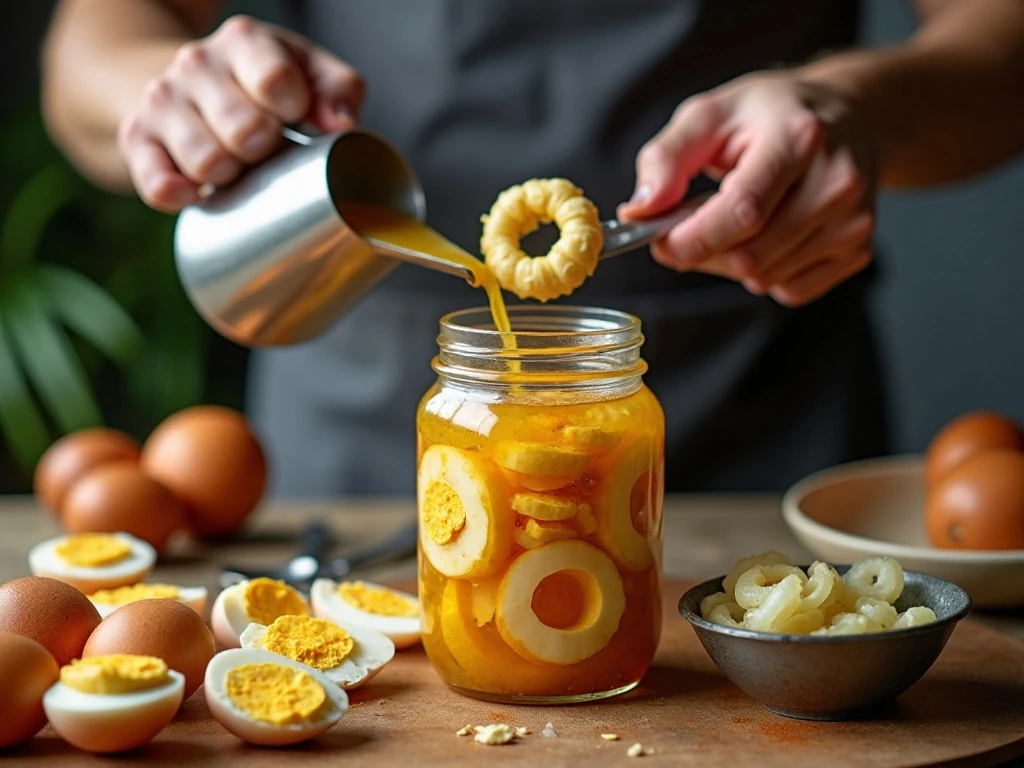
Step 6: Put the peeled eggs and thinly sliced onion rings into a clean glass jar or nonreactive container. Distribute the onion around the eggs so its flavor reaches the entire batch.
Step 7: Pour the hot pickling liquid over the eggs, making sure every egg is covered. If needed, gently reposition the eggs and onion with a clean utensil so the liquid can flow into the spaces between them.
Step 8: Let the filled container cool briefly, then cover it and place it in the refrigerator. Do not leave homemade pickled eggs at room temperature.
Step 9: Pickle the eggs for at least 8 hours before tasting. For a stronger, more developed flavor, wait 24–48 hours, then serve the eggs chilled.
Pro Tips for Tender, Flavorful Eggs
Peeling is often the most frustrating part of hard-cooking eggs, so begin with eggs that are several days old instead of extremely fresh ones. Cooling them completely in an ice bath also helps the whites contract slightly from the shells.
Do not skip the stirring step when preparing the pickling liquid. The sugar and salt should dissolve fully, leaving a smooth mixture that seasons the eggs evenly rather than collecting at the bottom of the container.
Keep the eggs fully submerged throughout storage. If an egg rises above the liquid, gently press it down with a clean utensil before replacing the cover, and always keep the container refrigerated.
- Use a clean jar and clean utensils during preparation.
- Slice the onion thinly so it softens and seasons within the same time as the eggs.
- Wait 24–48 hours when you want the most noticeable pickled flavor.
- Use the eggs within about 1–2 weeks for the best quality.
Published variations sometimes use 1 1/2–2 cups of vinegar and omit the water for a sharper pickle. Other additions include mustard seed, celery seed, black peppercorns, garlic, beet juice, sliced jalapeño, or sliced cooked beets, but the recipe here follows the balanced vinegar-and-water formula.
Serving Ideas for Easy Snacking
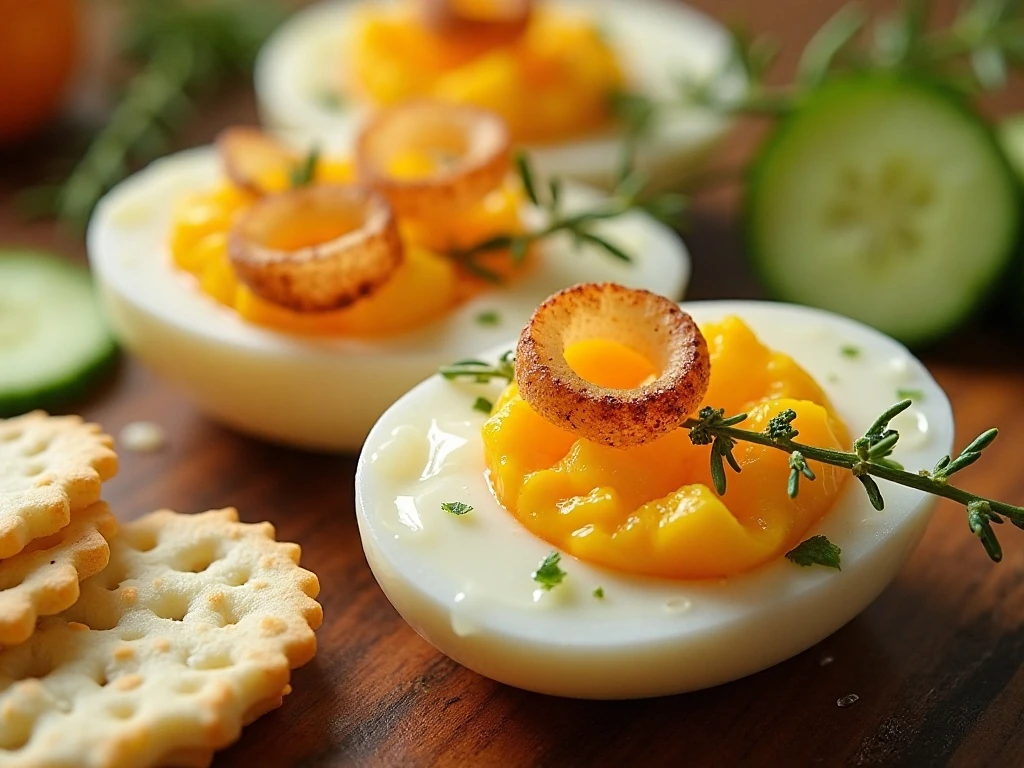
For the simplest snack, serve one or two chilled eggs with a pinch of salt and a few pickled onion rings. The creamy yolk pairs nicely with the crisp-tender onion, while the tangy white keeps each bite lively.
Halve the eggs and arrange them on a snack board with sharp cheese, crackers, cucumber slices, olives, and fresh herbs. They also make a colorful addition to a picnic basket, especially when served alongside sandwiches and crunchy vegetables.
For lunch, slice a pickled egg over a green salad or tuck it into a grain bowl with roasted vegetables. You can also chop the eggs and onion together for a quick, tangy egg salad, adding only enough mayonnaise or yogurt to bind the mixture.
A warm bowl of soup and a pickled egg make a satisfying casual meal. Pair them with our easy minestrone soup when you want something hearty with a bright, briny side.
Storage and Make-Ahead Notes
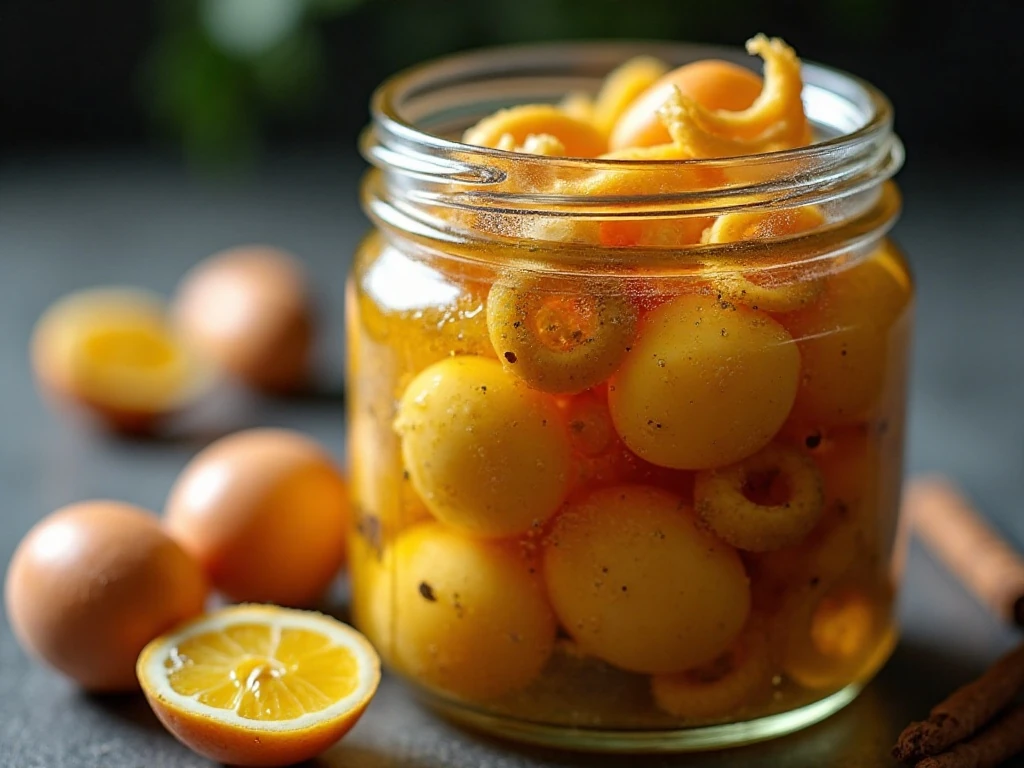
After the hot pickling liquid is poured over the eggs, cool the container briefly, cover it, and refrigerate it. The eggs need at least 8 hours to pickle, but the flavor is best after 24–48 hours.
Homemade pickled eggs must remain refrigerated and should never be stored at room temperature. Keep them fully submerged in the pickling liquid and use them within about 1–2 weeks for the best quality.
Since this recipe makes 12 eggs, it is ideal for planned snacking throughout the week. Mark the preparation date on the container so it is easy to track how long the batch has been refrigerated.
When planning a sweet finish after a savory snack, our classic tiramisu dessert makes a lovely contrast to the eggs’ bright, vinegary flavor.
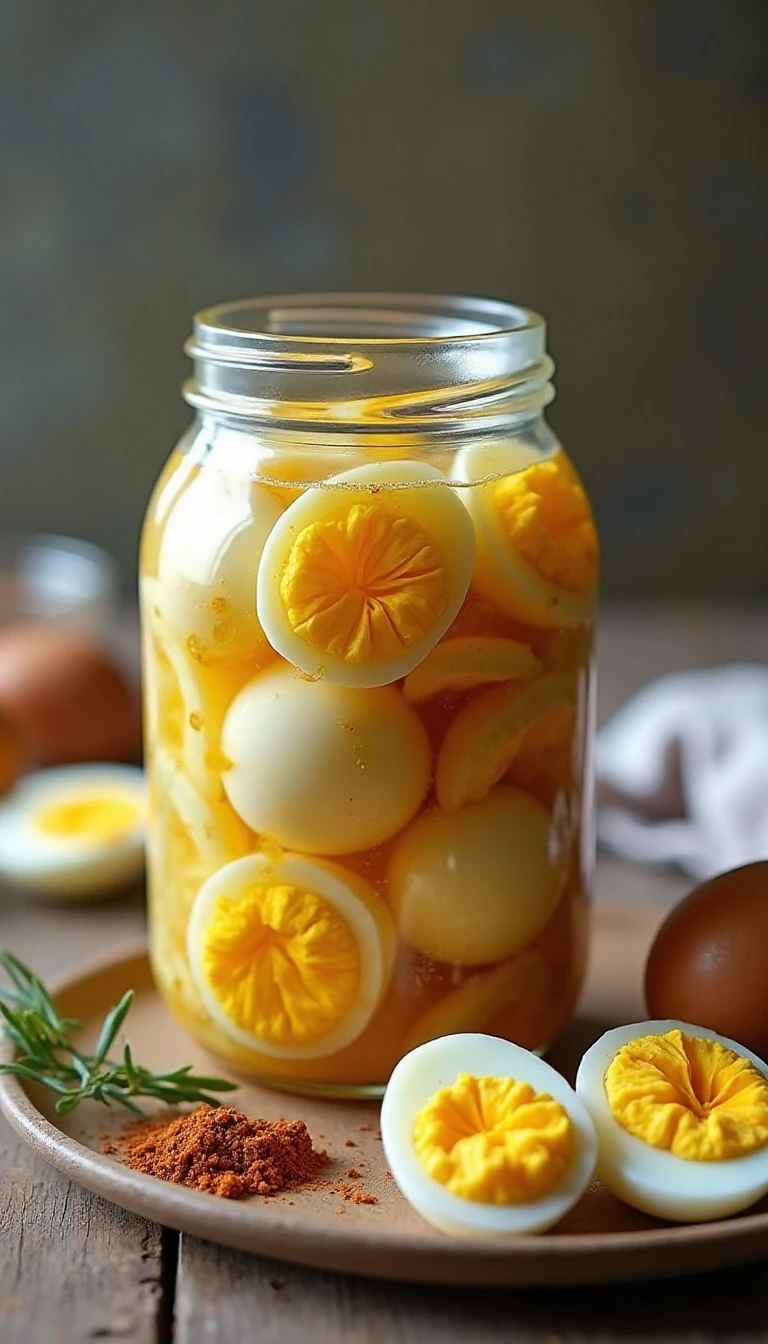
Mom’s Pickled Eggs
Ingredients
Method
- Place the 12 eggs in a saucepan and cover them with cold water by about 1 inch. Bring the water to a full boil, cover the pan, remove it from the heat, and let the eggs stand for about 10–12 minutes.
- Transfer the cooked eggs to an ice bath and cool them completely. Peel the eggs carefully, rinsing away any small shell pieces if needed.
- In a saucepan, combine the vinegar, water, sugar, salt, and pickling spice. Bring the mixture to a boil, stirring until the sugar and salt dissolve, then simmer or boil gently for about 5 minutes.
- Place the peeled eggs and thinly sliced onion rings in a clean glass jar or other nonreactive container. Pour the hot pickling liquid over the eggs, making sure they are covered.
- Cool the jar briefly, then cover it and refrigerate. Pickle the eggs for at least 8 hours, although 24–48 hours produces a stronger, more developed flavor.
Notes
Final Thoughts
Mom’s pickled eggs are proof that a few pantry staples can create an exceptionally useful homemade snack. The combination of hard-cooked eggs, distilled white vinegar, sugar, salt, pickling spice, and onion produces a jar full of bold flavor with an easy preparation method.
Give the eggs at least 8 hours in the refrigerator, but aim for 24–48 hours when possible so the tangy liquid can work its way into the whites. Keep every egg submerged, refrigerate the batch, and enjoy it within about 1–2 weeks.
Once you have a jar ready, snacking becomes effortless. Serve the eggs chilled on their own, add them to a platter, or pair them with soup, salad, and a slice of easy cinnamon bread for a memorable sweet-and-savory spread.