This easy egg custard tarts recipe makes eight classic British-style pastries with crisp shortcrust shells, a softly set vanilla custard, and a delicate dusting of freshly grated nutmeg. The tarts take about 20–25 minutes to prepare, 12–15 minutes to blind-bake, and 25–35 minutes to finish baking, with chilling and cooling time added as needed.
The finished custard is creamy, gently sweet, and fragrant with vanilla, while the pastry provides a tender, lightly crisp contrast. Serve these individual tarts warm or at room temperature for an elegant dessert that is simple enough for a relaxed weekend bake.
Jump to RecipeWhy You’ll Love This Recipe
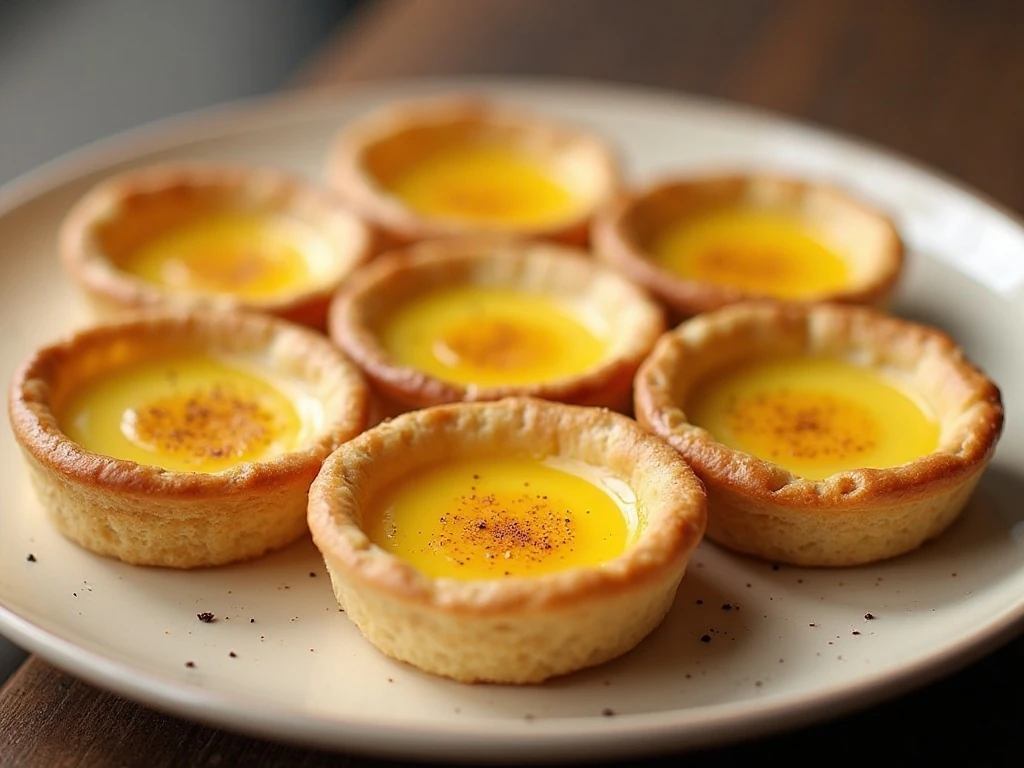
These egg custard tarts are a lovely example of how a few everyday ingredients can create a refined dessert. Ready-made shortcrust pastry keeps the preparation practical, while the homemade custard brings the rich vanilla flavor and tender texture that make this classic so memorable.
Each tart offers a satisfying contrast between a lightly crisp pastry case and a smooth, softly set center. The nutmeg adds a warm, aromatic finish without overpowering the delicate dairy and egg flavors.
Individual portions are also useful when entertaining because the tarts look polished straight from the tin. They can be served warm after cooling or enjoyed at room temperature, making them flexible for afternoon tea, family gatherings, or a simple Sunday dessert.
If you are planning a full meal, save these tarts for dessert after a comforting main course. For another sweet bake to serve alongside them, try our easy cinnamon bread, which pairs beautifully with tea or coffee.
Ingredients You’ll Need
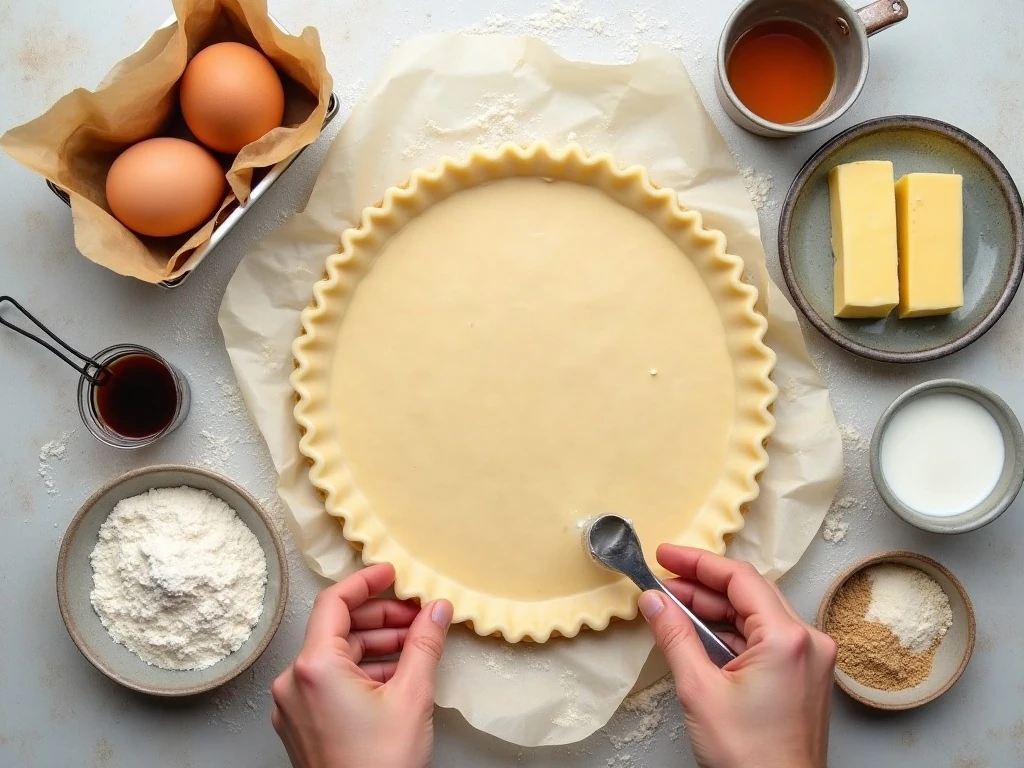
The ingredient list is short, but each item has an important job. Whole milk gives the custard a creamy body, eggs provide structure, and caster sugar adds sweetness while dissolving readily into the mixture.
- Shortcrust pastry: Use one thawed sheet weighing about 320–375 g. Keep it cool so it remains easy to handle and bakes into a tender shell.
- Eggs: Three large eggs create the softly set custard. Mix them gently rather than whisking vigorously.
- Caster sugar: Seventy-five grams, or about one-third cup, provides balanced sweetness.
- Whole milk: Three hundred milliliters, or about one and one-quarter cups, gives the filling its smooth, milky character.
- Vanilla: Use one teaspoon of vanilla extract or the seeds from half a vanilla bean.
- Nutmeg: Freshly grated nutmeg scattered over the tops gives the traditional finishing flavor.
- Flour and grease: Plain flour is needed for rolling, while butter or baking spray helps release the shells.
You will also need a 12-hole muffin tin or eight individual tart tins, baking parchment, baking beans or pie weights, a fine-mesh sieve, and a jug with a pouring spout. Having the sieve and jug ready before making the custard makes filling the shells much easier.
For a dessert collection that includes something extra indulgent, our easy chocolate fudge is another crowd-friendly option.
How to Make It Step-by-Step
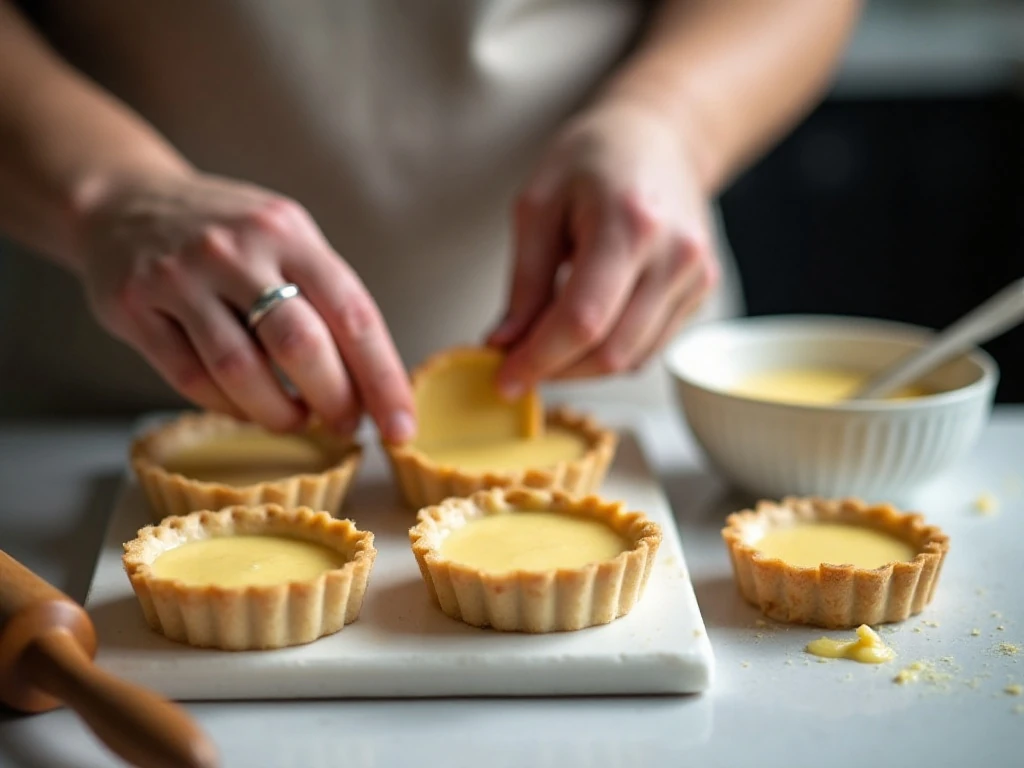
Step 1: Heat the oven to 200°C conventional/180°C fan, or 400°F/350°F fan. Lightly grease eight tart molds, making sure the corners and sides receive a thin coating so the baked pastry releases cleanly.
Step 2: Roll the thawed pastry on a lightly floured surface until it is about 3 mm thick. Cut rounds large enough to line the molds with the pastry reaching slightly above the rim, since the shells may settle a little during baking.
Step 3: Press each pastry round gently into its mold without stretching it. Prick the base lightly with a fork, then chill the lined tins for 20–30 minutes if the pastry feels soft or warm; this helps reduce shrinking.
Step 4: Place a piece of baking parchment in each shell and fill it with baking beans, dried beans, or pie weights. Blind-bake for 12–15 minutes, watching for lightly golden edges rather than deeply browned pastry.
Step 5: Carefully remove the parchment and weights. Return the pastry to the oven for another 3–5 minutes so the bases dry slightly, then reduce the oven temperature to 160°C conventional/140°C fan, or 325°F/285°F fan.
Step 6: Put the eggs and caster sugar in a bowl and whisk gently just until they are combined. Avoid vigorous whisking because excess air can form bubbles and leave the custard with a rougher surface.
Step 7: Warm the whole milk with the vanilla until steaming but not boiling. Gradually pour it into the egg mixture while whisking constantly, which allows the ingredients to blend smoothly without scrambling the eggs.
Step 8: Pass the custard through a fine-mesh sieve into a measuring jug. This removes any strands of egg and gives the finished filling a particularly smooth texture.
Step 9: Pour the custard into the pastry shells, filling them carefully without spilling over the rims. Sprinkle the tops lightly with freshly grated nutmeg, keeping the layer delicate so the spice remains balanced.
Step 10: Bake for 25–35 minutes, depending on the size and depth of the tarts. They are ready when the edges look set but the centers still have a slight wobble; a fully firm center can indicate overbaking.
Step 11: Cool the tarts in their tins for 10–15 minutes before transferring them to a wire rack. Allow at least 30 minutes of cooling before serving so the custard can finish setting while remaining creamy.
Pro Tips for Creamy Custard and Crisp Pastry
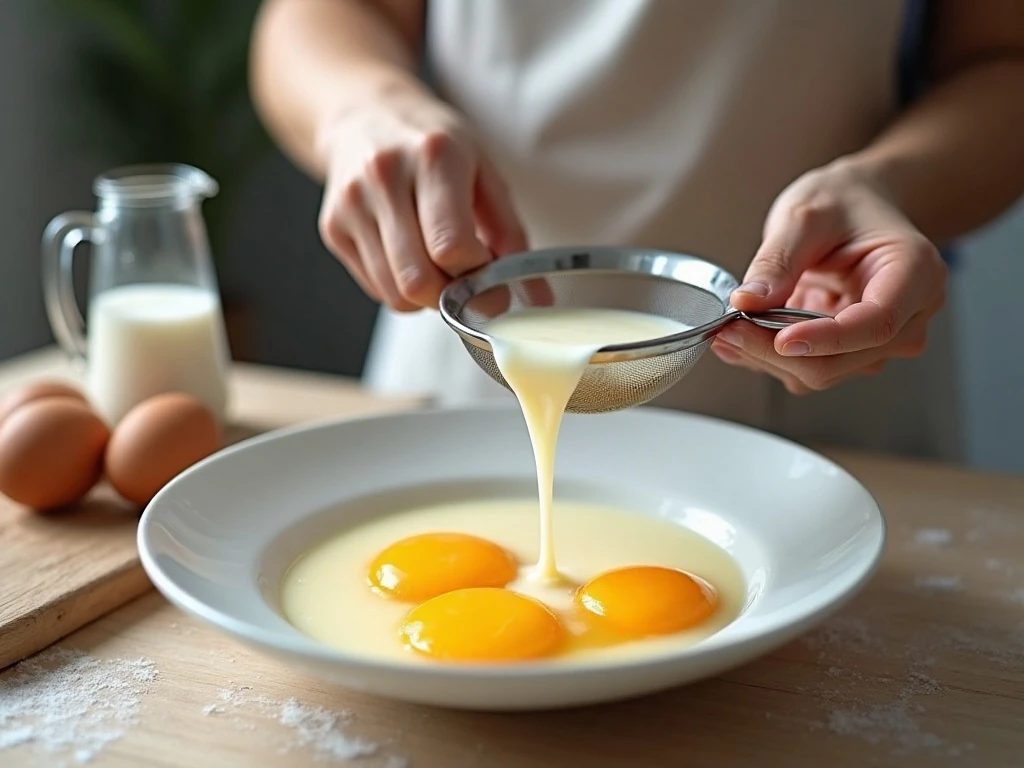
Temperature control is the main secret to a tender filling. The milk should be steaming but never boiling, and the custard should bake at the reduced temperature after the pastry has been blind-baked.
Do not stretch the pastry as you line the molds. Stretching creates tension, which can pull the pastry down the sides during baking; gently pressing it into place gives the shells a better chance of holding their shape.
For especially neat pastry cases, chill the lined tins before baking and press a small piece of crumpled parchment into each shell before adding the weights. The crumpled paper conforms to the curves and helps support the sides.
Pouring from a jug gives you more control than using a spoon. If a few bubbles appear on the surface, allow the filled shells to stand briefly before baking, or skim them away carefully with the edge of a spoon.
Keep an eye on the wobble near the end of baking. The custard continues to set as it cools, so removing the tarts while the centers move slightly is preferable to waiting until they look completely firm.
For a hearty meal before dessert, you might enjoy our easy minestrone soup or a warming stovetop turkey chili. Both are satisfying choices before these light, creamy tarts.
Serving, Storage, and Make-Ahead Advice
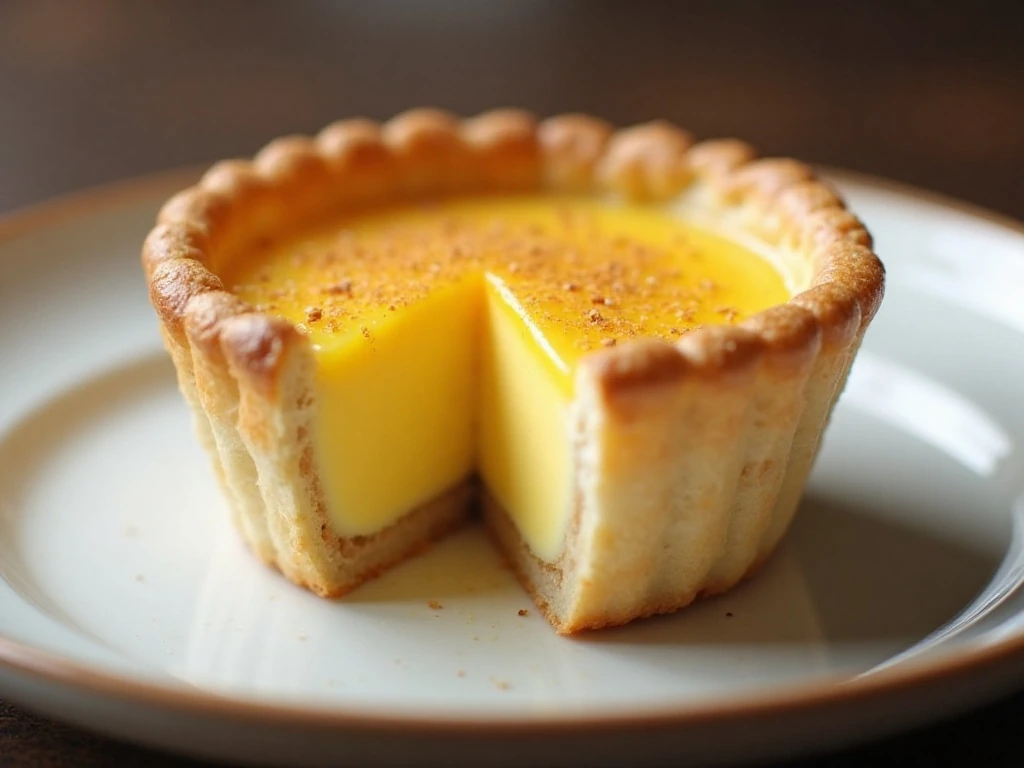
Serve the tarts warm or at room temperature. Their flavor is especially pleasing once the custard has cooled enough to become creamy and delicate, while the pastry still retains some bite.
- For afternoon tea: Place the tarts on a cake stand with tea or coffee and a little extra freshly grated nutmeg if desired.
- For dessert: Serve individually on small plates so the crisp pastry and custard remain the focus.
- For storage: Refrigerate leftovers and use them within 2–3 days.
- For texture: Let refrigerated tarts sit briefly before serving so the custard is not overly cold.
The pastry shells can be blind-baked earlier in the day, but the custard should be prepared and baked according to the method for the best texture. Cooling is not a step to skip, because the filling needs time to settle and finish setting.
These tarts are best enjoyed without complicated toppings. Their classic combination of vanilla, milk, egg, shortcrust pastry, and nutmeg is already balanced and complete.
For another savory recipe to bookmark while planning your menu, see our creamy garlic scallop spaghetti. It makes a rich main course before a smaller, gently sweet dessert.
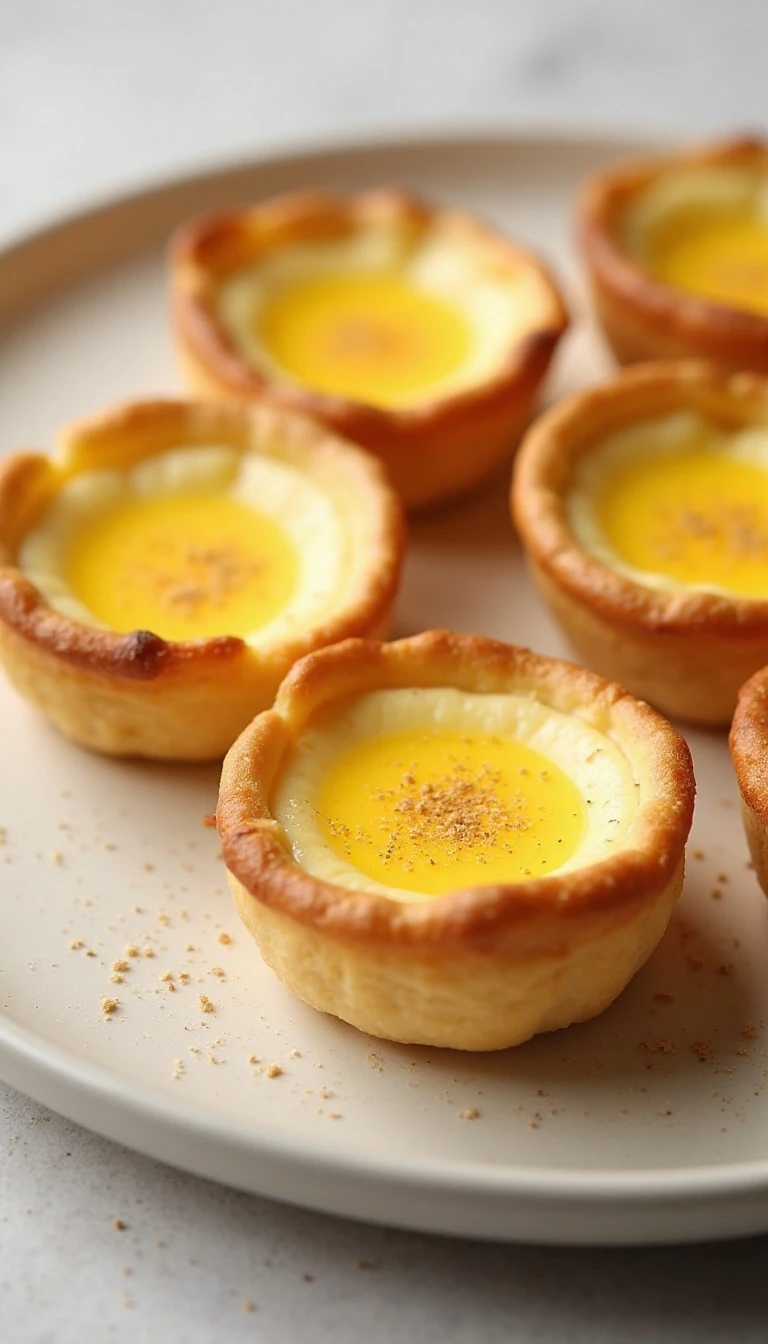
Easy Egg Custard Tarts
Ingredients
Method
- Heat the oven to 200°C conventional/180°C fan, or 400°F/350°F fan. Lightly grease eight tart molds in a 12-hole muffin tin or use eight individual tart tins.
- Roll the thawed shortcrust pastry on a lightly floured surface until about 3 mm thick. Cut eight rounds large enough to line the molds and reach slightly above each rim.
- Press the pastry gently into the molds without stretching it. Prick the bases lightly, then chill the lined pastry for 20–30 minutes if needed.
- Line each shell with baking parchment and fill with baking beans, dried beans, or pie weights. Blind-bake for 12–15 minutes, until the edges are lightly golden.
- Remove the parchment and weights, then bake the shells uncovered for another 3–5 minutes to dry the bases. Reduce the oven to 160°C conventional/140°C fan, or 325°F/285°F fan.
- Whisk the eggs and caster sugar gently until combined, taking care not to whip in excess air. Warm the milk with the vanilla until steaming but not boiling.
- Gradually pour the warm milk into the egg mixture while whisking constantly. Strain the custard through a fine-mesh sieve into a measuring jug or bowl with a pouring spout.
- Pour the strained custard into the pastry shells and sprinkle each top lightly with freshly grated nutmeg. Bake for 25–35 minutes, depending on the size and depth of the tarts.
- Remove the tarts when the edges are set but the centers still have a slight wobble. Cool them in the tins for 10–15 minutes, then transfer them to a rack and cool for at least 30 minutes.
Notes
Final Thoughts
This easy egg custard tarts recipe delivers the classic British bake: crisp shortcrust pastry surrounding a smooth vanilla custard with a softly set center and fragrant nutmeg topping. The method is straightforward, but gentle mixing, careful milk heating, straining, and precise baking make a noticeable difference.
Take the tarts from the oven while they still have a slight wobble, then give them time to cool and settle. That simple finishing step preserves the creamy texture that makes these individual pastries so irresistible.
Whether served with afternoon tea or presented as a quiet after-dinner treat, these tarts offer a timeless homemade dessert with very little fuss. Once you have made them, keep the recipe close for celebrations, family baking days, and whenever a classic custard dessert is called for.