This easy 5-ingredient baked mac and cheese recipe combines 250 g of macaroni, butter, flour, milk, and mature cheddar into a creamy, bubbling family dinner. The pasta is cooked just until al dente, folded into a simple cheddar cheese sauce, topped with more cheese, and baked at 200°C conventional, 180°C fan, or 400°F for 20–25 minutes.
Every bite delivers tender pasta, a smooth homemade cheese sauce, and a golden cheddar topping without a long ingredient list. With 10–15 minutes of preparation and about 30–35 minutes total cooking time, this comforting casserole makes approximately 4 generous servings.
Jump to RecipeWhy You’ll Love This Recipe
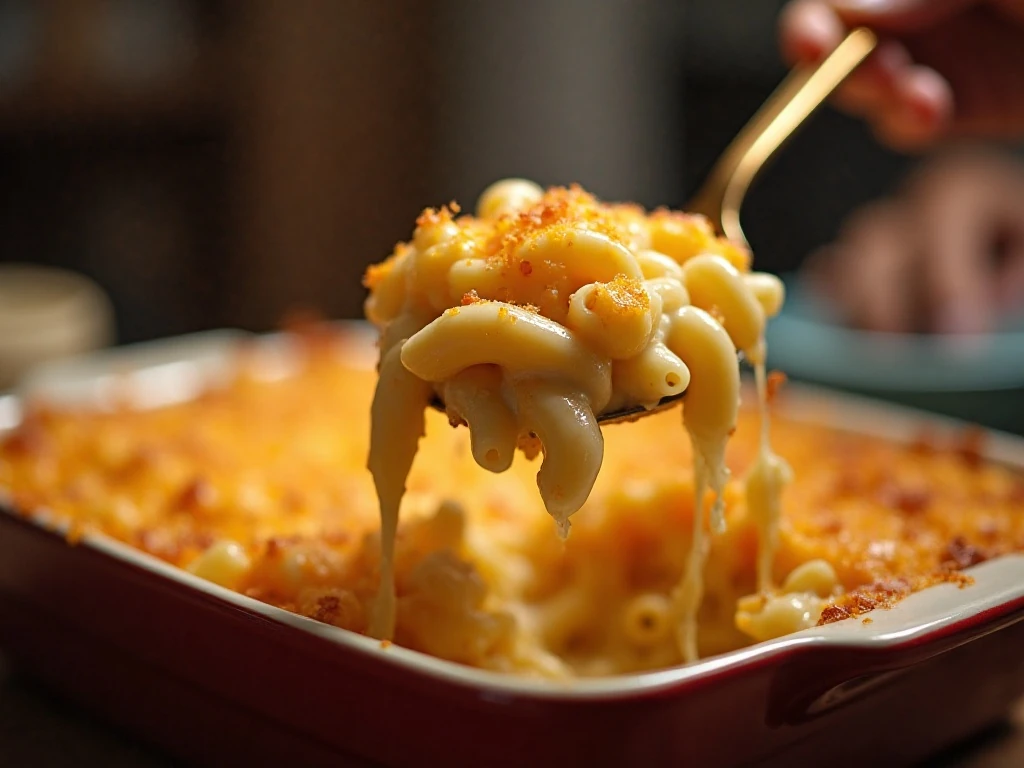
This baked macaroni and cheese is proof that a short ingredient list can still produce a deeply satisfying meal. The flour and butter create a classic roux, while milk turns it into a creamy sauce that clings beautifully to every curve of the pasta.
Mature or sharp cheddar supplies plenty of savory flavor, so there is no need for a crowded spice cabinet. The final bake adds a bubbling center and a lightly crisp, golden cheese layer that makes every serving feel special.
It is also an approachable recipe for busy evenings. You can move from saucepan to oven with very little fuss, and the finished dish works as a cozy main course or as a generous side for a family meal.
If you enjoy comforting pasta dinners, you may also like our slow-cooker mac and cheese idea when you want a different cooking method.
Ingredients You’ll Need
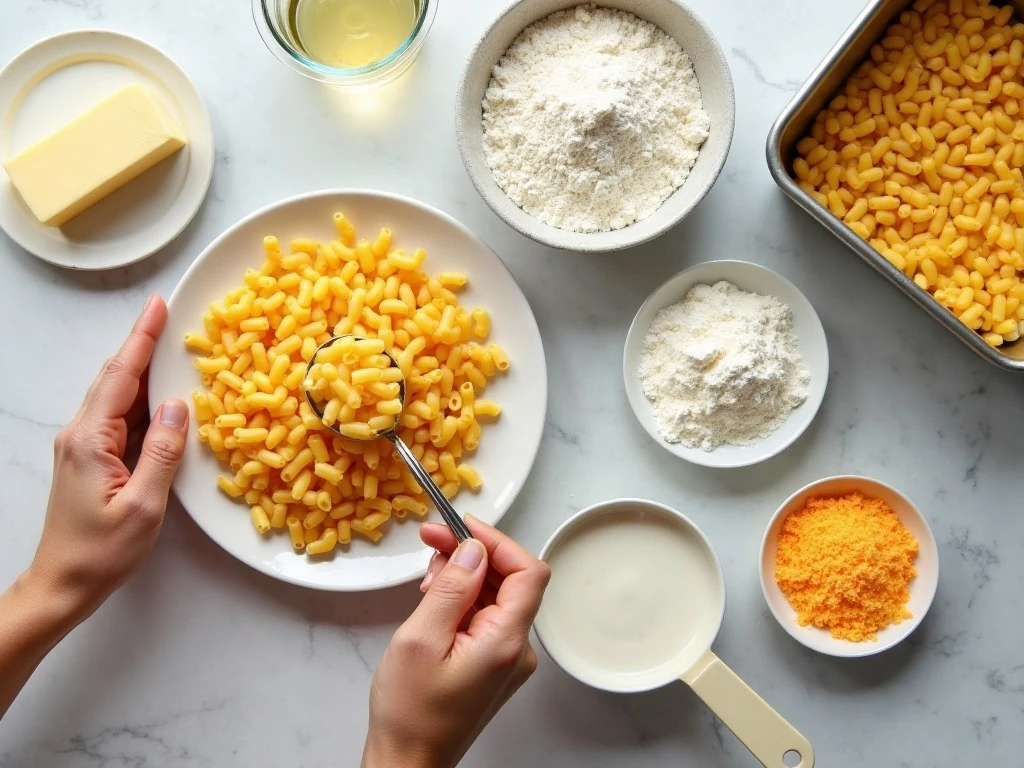
The ingredient list is intentionally simple, but each item has an important job. Measuring everything before you begin helps the sauce come together quickly and keeps the cooking process relaxed.
- 250 g macaroni or elbow pasta: Its small shape holds the cheese sauce in every bite. This amount makes about 4 servings.
- 50 g butter: Butter creates the rich base of the roux and contributes a rounded, creamy taste.
- 50 g plain or all-purpose flour: Flour thickens the milk into a sauce that coats the pasta rather than pooling at the bottom of the dish.
- 500 ml milk: Add it gradually to the roux for a smooth, lump-free sauce.
- 250 g mature or sharp cheddar: Grate it yourself if possible so it melts readily and gives the dish a full cheddar flavor.
The recipe uses salted boiling water for cooking the pasta, but the five featured ingredients remain pasta, butter, flour, milk, and cheddar. No additional seasoning is required for a flavorful result when you choose a good mature cheese.
How to Make It Step-by-Step
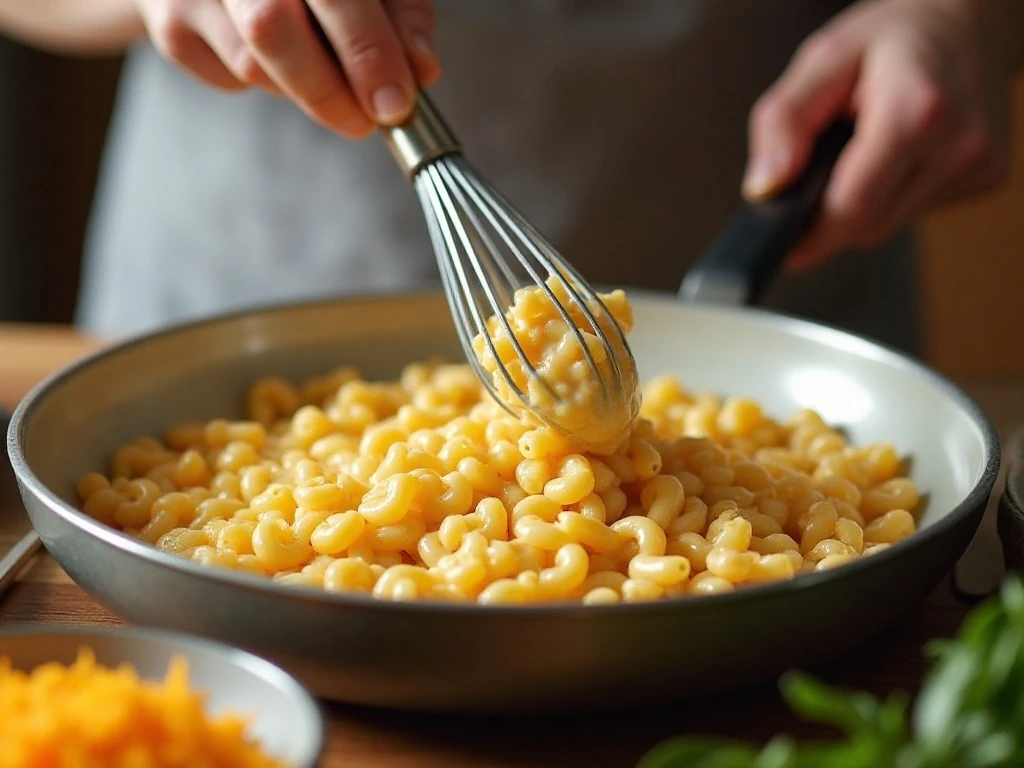
Step 1: Heat the oven to 200°C conventional, 180°C fan, or 400°F. Lightly grease a baking dish, making sure to cover the base and sides so the sauce does not cling stubbornly after baking.
Step 2: Bring a pot of salted water to a boil and cook the macaroni for 8–10 minutes, stopping when it is just al dente. The pasta should still have a little firmness because it will continue cooking in the hot cheese sauce and oven.
Step 3: Drain the macaroni thoroughly. Letting it sit in a colander for a moment helps remove excess water, which is important because water left on the pasta can make the finished sauce thinner.
Step 4: Melt the butter in a saucepan over medium heat. Stir in the flour and cook the mixture for about 1 minute, stirring continuously, until it forms a smooth, pale roux without taking on much color.
Step 5: Gradually whisk the milk into the roux. Add it in small pours while whisking, then continue stirring until the sauce thickens and comes to a gentle simmer.
Step 6: Remove the saucepan from the heat before adding most of the grated cheddar. Stir patiently until the cheese melts fully and the sauce looks smooth, glossy, and thick enough to coat a spoon.
Step 7: Fold the drained macaroni into the cheese sauce. Stir from the bottom and around the sides of the pan so the sauce reaches every piece without breaking up the pasta.
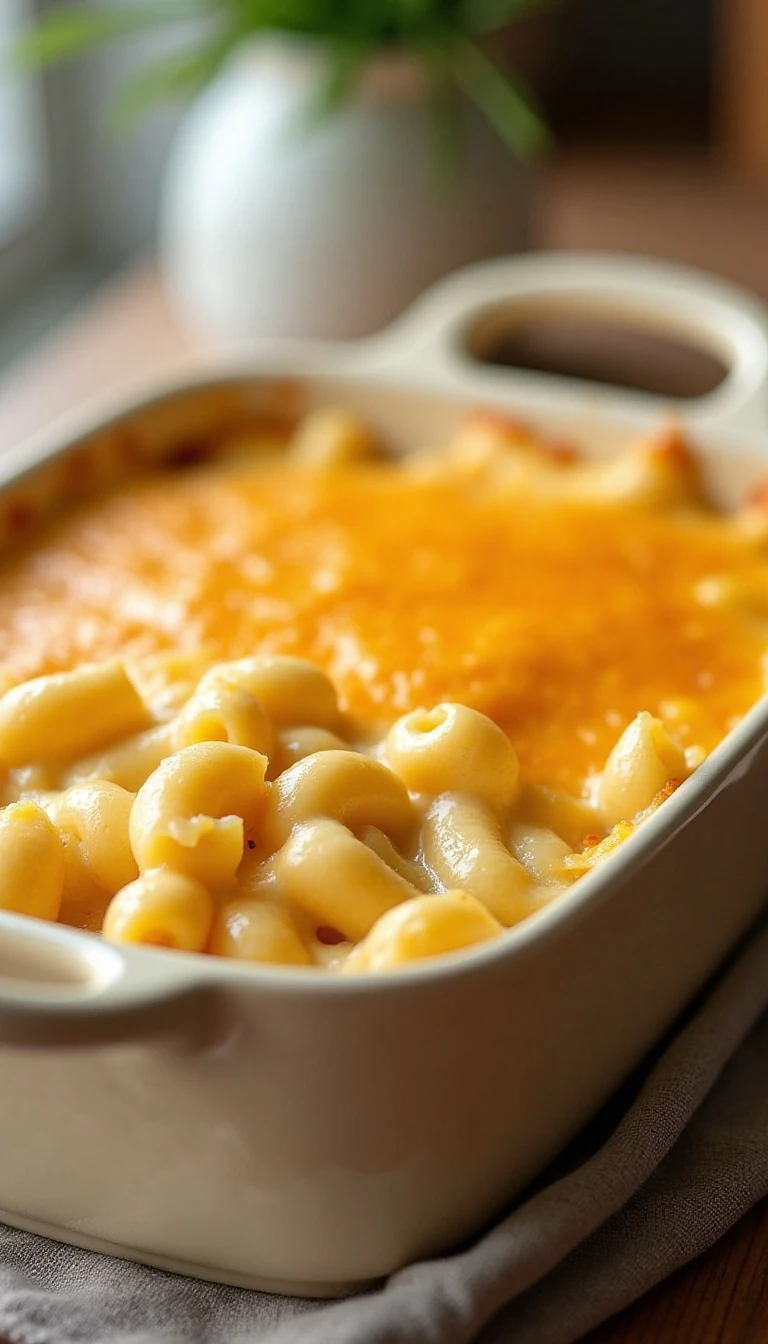
Step 8: Transfer the coated pasta to the prepared baking dish and spread it into an even layer. Sprinkle the remaining cheddar over the surface so the topping melts into a golden blanket.
Step 9: Bake for 20–25 minutes, until the edges are bubbling and the top is golden. Remove the dish carefully and allow it to settle briefly before spooning out portions.
Building a Silky Cheese Sauce
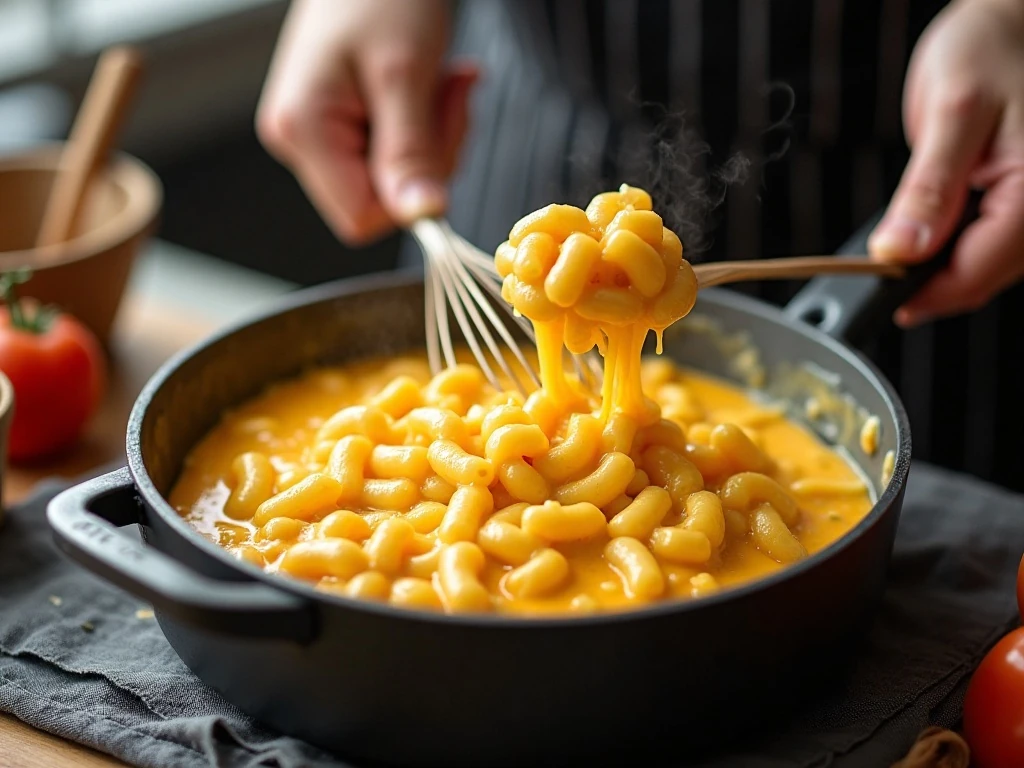
The roux is the foundation of this recipe. Cooking the butter and flour together for about 1 minute removes the raw flour taste while keeping the base light enough for a creamy cheddar sauce.
Milk should be added gradually rather than all at once. Whisking as you pour breaks up small pockets of flour and helps the liquid thicken evenly as it warms.
Once the sauce reaches a gentle simmer, avoid boiling it aggressively. Remove it from the heat before stirring in the cheese, then mix until smooth; this keeps the cheddar sauce creamy and helps prevent a grainy texture.
For another hearty baked dinner to place beside your recipe collection, take a look at this baked spaghetti and meatballs dinner.
Pro Tips for the Best Baked Mac and Cheese
- Choose mature cheddar: Sharp cheddar gives considerably more flavor than mild cheddar while keeping the recipe within its five-ingredient design.
- Stop at al dente: Fully soft pasta can become mushy during the 20–25 minute bake. Slight firmness at the boiling stage leads to a better final texture.
- Drain thoroughly: Excess water dilutes the sauce and can leave the casserole less creamy than intended.
- Grate the cheese finely: Smaller shreds melt more quickly and evenly into the warm sauce and over the top.
- Watch the final minutes: The dish is ready when the center is bubbling and the cheddar topping has turned golden, not when the surface becomes overly dark.
Keep the heat moderate while preparing the sauce and stir often. A little attention at this stage makes the difference between a smooth coating and a sauce that feels heavy or uneven.
What to Serve with Mac and Cheese
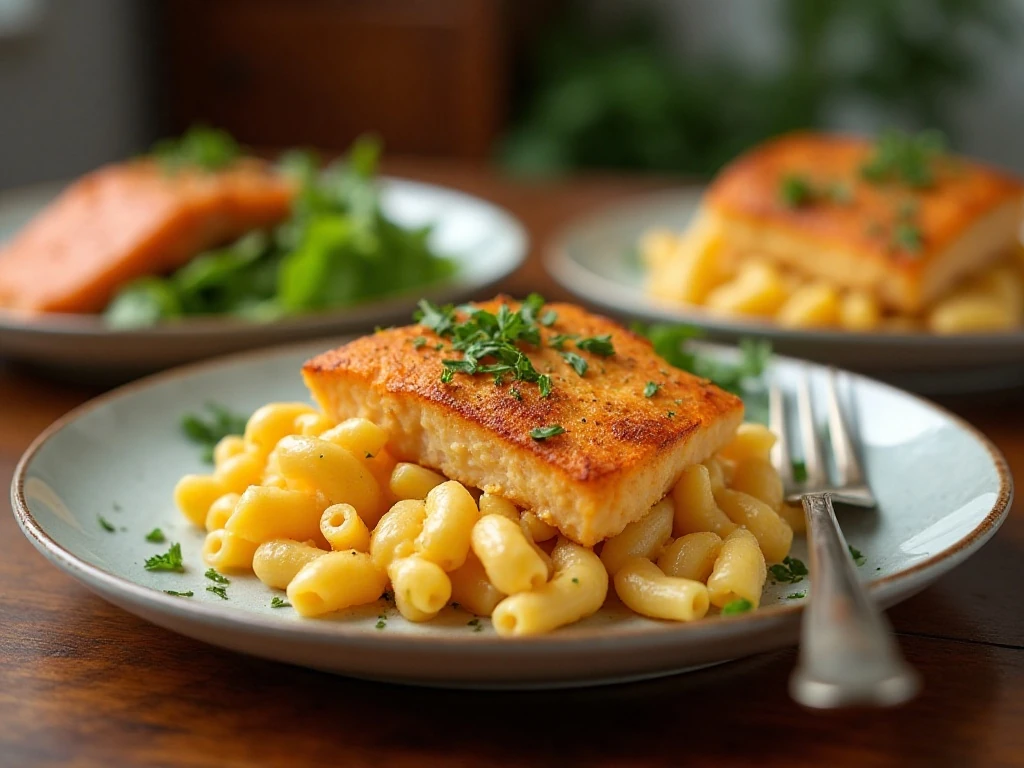
This dish is filling enough to serve on its own, especially when you want a warm, simple supper. For a larger spread, pair it with a crisp green salad or steamed vegetables so the creamy pasta remains the star without making the meal feel too heavy.
It also makes a welcoming side dish for roasted or baked proteins. Our honey mustard baked salmon offers a bright companion, while breakfast-style favorites such as these ham and cheese breakfast bites can inspire ideas for using the same comforting cheese-and-bread flavor combination at another meal.
For a brunch menu that calls for something different, you can balance this rich casserole with our easy eggs Benedict recipe. The contrast between creamy baked pasta and softly poached eggs makes a memorable table.
Storage and Reheating
Cool leftover macaroni and cheese promptly, cover it, and refrigerate it. Enjoy the leftovers within a sensible refrigerated storage window, and use a clean utensil each time you serve them.
Reheat portions gently until hot throughout. A covered oven dish or a microwave used in short intervals can help keep the pasta from drying out; stir carefully between intervals when possible.
The pasta may absorb some sauce as it rests, so leftovers can be slightly firmer than the freshly baked dish. For the best texture, avoid repeatedly reheating the entire casserole and warm only the amount you plan to eat.
Common Questions
Can I use a different pasta shape? Yes, macaroni or elbow pasta is the specified choice, but another small shape with curves or ridges can also hold the sauce well. Keep the boiling time guided by the package and stop when the pasta is just al dente.
Why is mature cheddar recommended? Mature or sharp cheddar contributes a stronger cheese flavor than mild cheddar. That extra flavor is especially useful here because the recipe is designed around only five main ingredients.
Why should the pasta not be fully cooked? The macaroni continues to soften while it is coated in hot sauce and baked. Starting with fully soft pasta increases the chance of a mushy final casserole.
Can I skip the topping? The remaining cheddar creates the bubbling golden surface that makes baked mac and cheese so appealing. For the intended texture and appearance, reserve some cheese for the top before baking.
Easy 5-Ingredient Baked Mac and Cheese
Ingredients
Method
- Heat the oven to 200°C conventional, 180°C fan, or 400°F. Lightly grease a baking dish so the finished macaroni and cheese is easy to serve.
- Cook the macaroni in salted boiling water for 8–10 minutes, or until just al dente. Drain it thoroughly because excess water can weaken the cheese sauce.
- Melt the butter in a saucepan over medium heat. Stir in the flour and cook for about 1 minute, stirring constantly, to form a smooth roux.
- Gradually whisk in the milk, adding it slowly while stirring to prevent lumps. Continue stirring until the sauce thickens and reaches a gentle simmer.
- Remove the saucepan from the heat and stir in most of the grated cheddar. Keep stirring until the cheese melts into a smooth sauce.
- Add the drained macaroni to the cheese sauce and stir until every piece is coated. Transfer the mixture to the prepared baking dish.
- Scatter the remaining cheddar over the top. Bake for 20–25 minutes, until the sauce is bubbling and the cheese is golden.
Notes
Final Thoughts
This easy 5-ingredient baked mac and cheese brings together everything people love about comfort food: tender pasta, a creamy cheddar sauce, and a bubbling golden top. The method is straightforward enough for a weeknight, yet the finished dish feels generous and celebratory when placed in the center of the table.
Remember the three details that matter most: use mature cheddar, keep the macaroni just al dente, and drain it thoroughly. Those small choices protect the flavor and texture of the sauce while allowing the oven to finish the dish beautifully.
Prepare the roux with care, add the milk gradually, and remove the sauce from the heat before stirring in the cheese. In about 30–35 minutes total, you will have four comforting servings ready to enjoy straight from the baking dish.