This Parmesan garlic bread recipe makes one crisp, flavorful loaf in about 25 to 30 minutes. A 14- to 16-ounce French or Italian baguette is split lengthwise, spread with softened butter mixed with fresh garlic, finely grated Parmesan, parsley, salt, and pepper, then baked at 400°F (200°C) for 10 to 12 minutes with an optional one- to two-minute broil.
The result is crunchy at the edges, buttery through the crumb, and richly savory from the toasted cheese and garlic. Baking the bread open-faced lets the butter soak into the crumb while the Parmesan browns, giving every slice a fragrant topping and a satisfying contrast of crisp crust and tender center.
Jump to RecipeWhy You’ll Love This Recipe

This is the kind of side dish that disappears before dinner has officially begun. The baguette brings a sturdy, crackly crust, while the butter-rich center carries sharp Parmesan, fresh garlic, parsley, and black pepper into every bite.
It is also quick enough for a weeknight and special enough for a holiday table. The hands-on work takes about 10 minutes, and the oven does the rest while you finish pasta, soup, roasted vegetables, or a main course.
The open-faced baking method matters. Instead of wrapping the loaf, you expose the buttered crumb directly to the heat, allowing the bread to toast and the cheese to form a lightly crisp, savory crust.
If you enjoy garlic and Parmesan together in a saucier dish, pair this bread with our creamy garlic Parmesan gnocchi for a comforting dinner built around the same flavors.
Ingredients You’ll Need
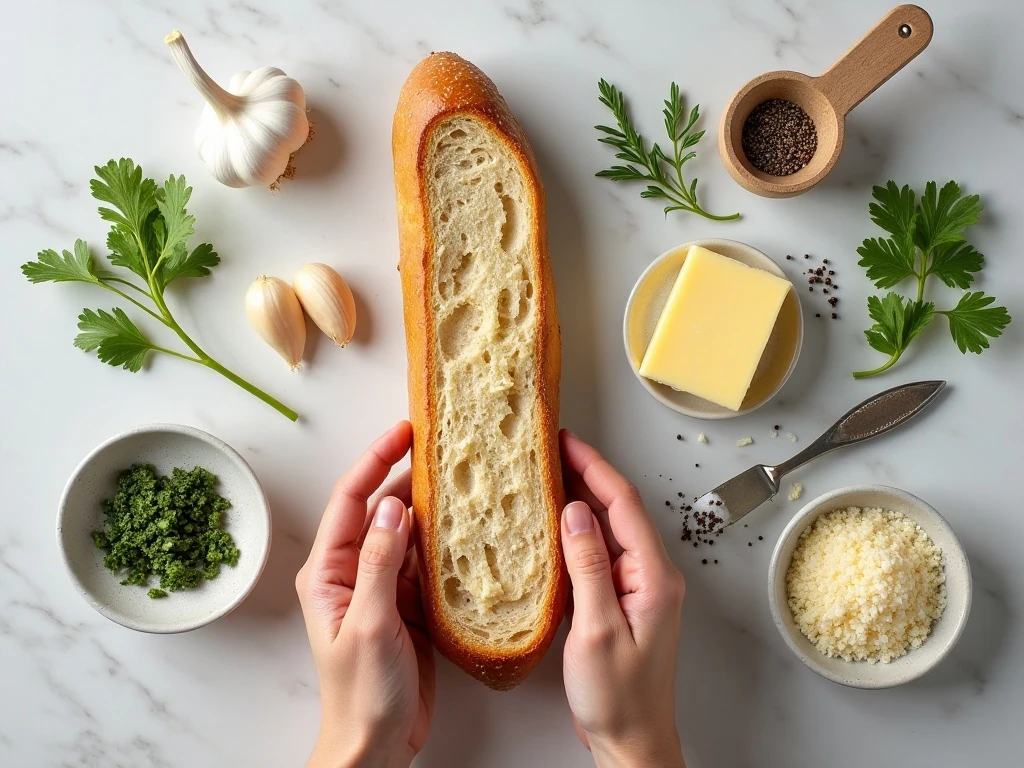
The ingredient list is short, so each item has a clear job. Choose a fresh baguette with a crisp exterior and a light, airy interior; a 14- to 16-ounce loaf is the right size for approximately eight servings.
- Baguette: French or Italian bread gives the best crisp-tender contrast. A soft Italian loaf will produce a gentler, more tender middle.
- Unsalted butter: Softened butter spreads easily and lets you control the salt. Do not melt it, since liquid butter may run off the bread before it can flavor the crumb.
- Fresh garlic: Four medium cloves provide a noticeable garlic flavor without making the bread harsh. Finely mince or grate the cloves so they distribute evenly.
- Parmesan: Finely grate about one-half cup, or 45 to 50 grams. Freshly grated cheese melts and browns more evenly than large pre-shredded pieces.
- Parsley: Fresh parsley adds color and a clean herbal note, while dried parsley works when that is what you have available.
- Seasonings: A small amount of salt and black pepper sharpens the butter mixture. Italian seasoning or red-pepper flakes are optional additions for extra herb or gentle heat.
Check your Parmesan before salting. Some varieties are quite salty, so taste the finished butter mixture and add more than the listed one-quarter teaspoon only when needed.
For another savory side built around garlic butter, serve this bread beside our onion garlic butter mushrooms. The earthy mushrooms and crisp bread make a particularly good pairing with steak or roast chicken.
How to Make It Step-by-Step
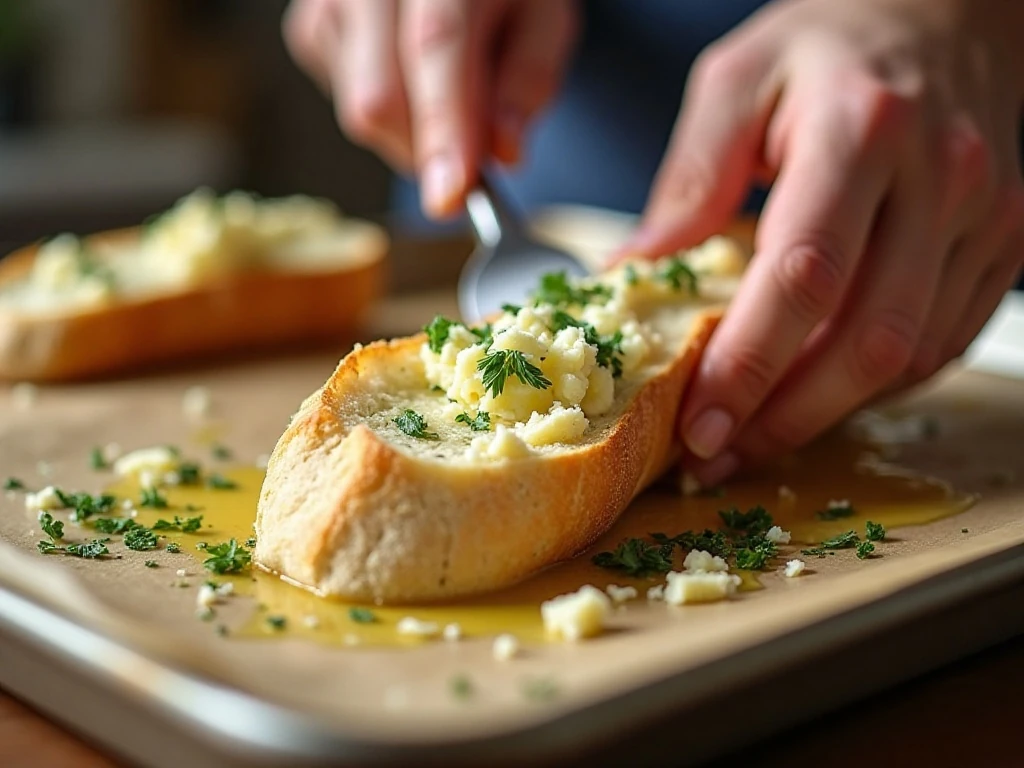
Step 1: Heat your oven to 400°F (200°C), then line a baking sheet with parchment paper or foil for easier cleanup. Split the baguette in half lengthwise, or create individual sections that are 1 1/2 to 2 inches wide without slicing through the bottom crust.
Step 2: Place the softened butter in a medium bowl and add the finely minced or grated garlic, Parmesan, parsley, salt, pepper, and any optional Italian seasoning or red-pepper flakes. Stir until the mixture looks evenly speckled and the cheese is distributed throughout the butter.
Step 3: Allow the garlic butter to rest for 10 to 15 minutes if your schedule permits. This short pause gives the garlic time to perfume the butter, although you can spread it immediately when you need the bread on the table quickly.
Step 4: Spread the mixture generously over every cut surface, reaching all the way to the edges. Press a little extra butter into the crosswise cuts so the flavor travels into the loaf rather than staying only on top.
Step 5: Arrange the bread cut-side up on the lined baking sheet. Keeping the buttered side exposed is essential because it allows the crumb to toast and the Parmesan to brown instead of steaming inside a packet.
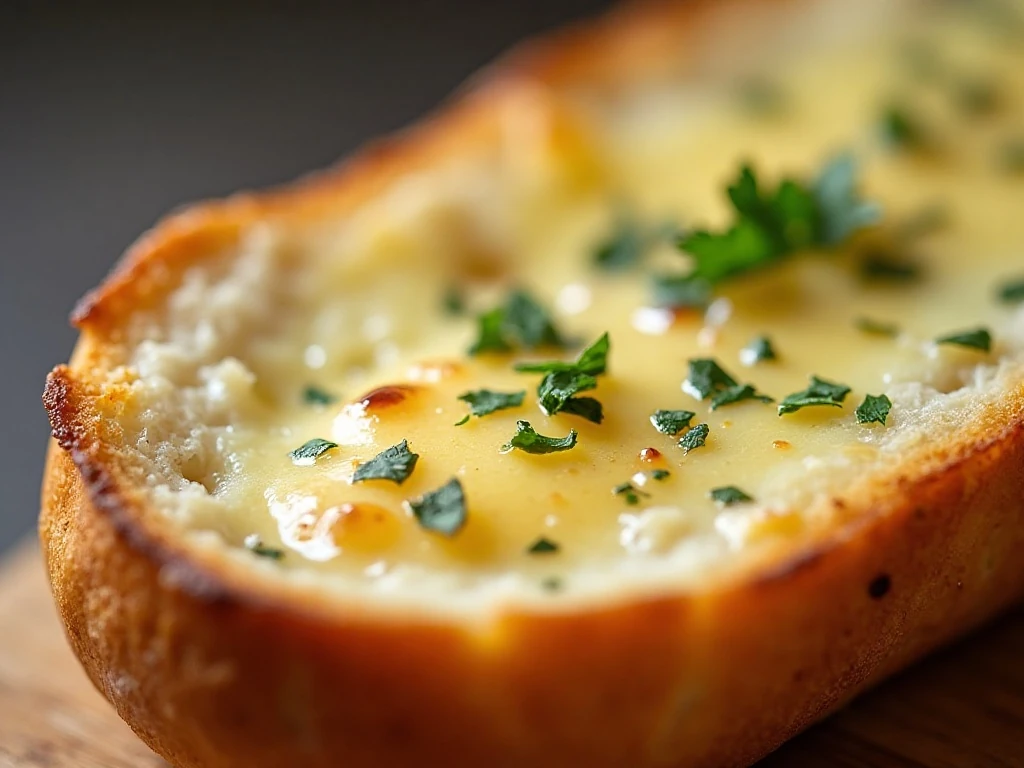
Step 6: Bake for 10 to 12 minutes, watching for bubbling butter and crisp, lightly browned edges. If your loaf is especially thick or soft, it may need the full baking time to develop a toasted surface.
Step 7: For a more deeply browned topping, place the bread under the broiler for 1 to 2 minutes. Stay nearby and watch continuously, as Parmesan and exposed bread can burn quickly once the broiler is on.
Step 8: Rest the bread for 2 to 3 minutes before slicing and serving warm. This brief pause lets the butter settle into the crumb while the crust remains pleasantly crisp.
If you like the communal fun of tearing bread apart, try the same garlic-Parmesan flavor profile in our pull-apart garlic bread. This sliced baguette version is faster, while a pull-apart loaf is ideal for parties and casual gatherings.
Chef’s Tips for the Crispest Finish
Start with softened butter, not melted butter. It should be pliable enough to spread but still hold its shape when lifted with a spoon; this texture keeps the garlic-Parmesan mixture in place as the bread enters the oven.
Grate the Parmesan finely. Smaller shreds make a more even blanket over the crumb, melt into the butter, and brown in a balanced way rather than leaving pale, bulky patches.
Do not crowd the baking sheet with other food. The bread needs direct heat around its exposed surface, and a clear sheet makes it easier to move it to the broiler without disturbing the topping.
Use the broiler as a finishing tool rather than the main cooking method. The bread should first bake long enough for the butter to soak in and the edges to crisp, then broil briefly for color.
For a stronger garlic flavor, grate the cloves with a fine grater so they almost become a paste. For a milder flavor, mince them finely and keep the optional resting period short.
For a softer center, choose a soft Italian loaf and avoid over-broiling. For maximum crunch, choose a lean baguette and let the cut edges become deeply crisp before removing it from the oven.
What to Serve with Parmesan Garlic Bread
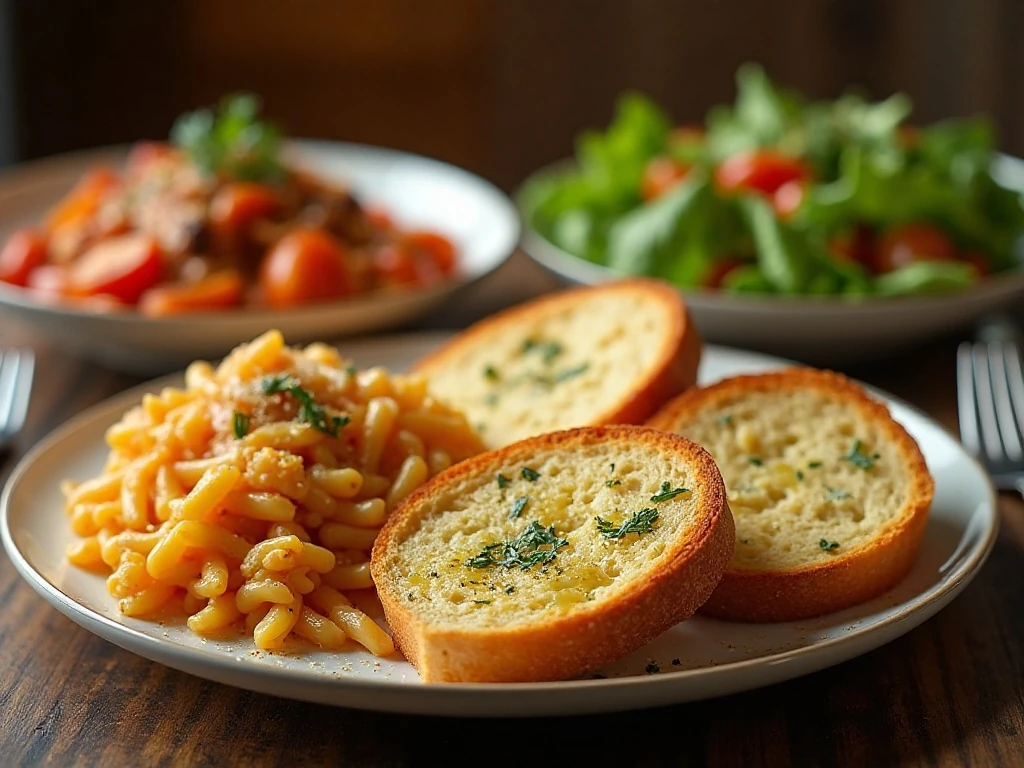
This bread belongs beside dishes with sauce, broth, or juices that deserve to be caught by a crisp slice. Serve it with tomato soup, minestrone, baked pasta, lasagna, grilled chicken, or a simple green salad.
It also makes a useful starter for a garlic-focused meal. Set out warm pieces while you prepare our shrimp garlic noodles; the crunchy bread adds texture beside tender noodles and savory shrimp.
Although this recipe is designed as a savory side, bread has a sweet counterpart worth saving for another occasion. Our Louisiana bread pudding is a warm, comforting way to give leftover bread a dessert role.
Storage and Reheating
Garlic bread is best served immediately, when the crust is crisp and the Parmesan topping is warm. If you have leftovers, cool them completely, then wrap them and refrigerate them for up to two days.
Reheat pieces in a 375°F oven or toaster oven until hot and crisp, usually checking them after several minutes. Avoid relying on the microwave for the final texture because it softens the bread and can make the buttered crumb chewy.
You can prepare the garlic-Parmesan butter ahead of time and refrigerate it in a covered container. Bring it back to a spreadable consistency before applying it to the bread; do not substitute melted butter when spreading.
Common Questions
Can I use salted butter? Yes, but begin with less added salt and taste the butter mixture before spreading it. Unsalted butter is preferred because it gives you better control, especially when the Parmesan is already salty.
Can I use pre-grated Parmesan? You can, but freshly grated Parmesan is the better choice for an even melt and more attractive browning. Large pre-shredded pieces may stay chunky or brown unevenly.
Should I wrap the bread in foil? No, not for this crisp version. Bake it open-faced so the butter can toast the crumb and the Parmesan can brown; wrapping is more suited to a soft, steamed texture.
Can I make individual slices? Yes. Cut crosswise sections 1 1/2 to 2 inches wide, keeping the bottom crust intact, then spread the butter into each opening before baking.
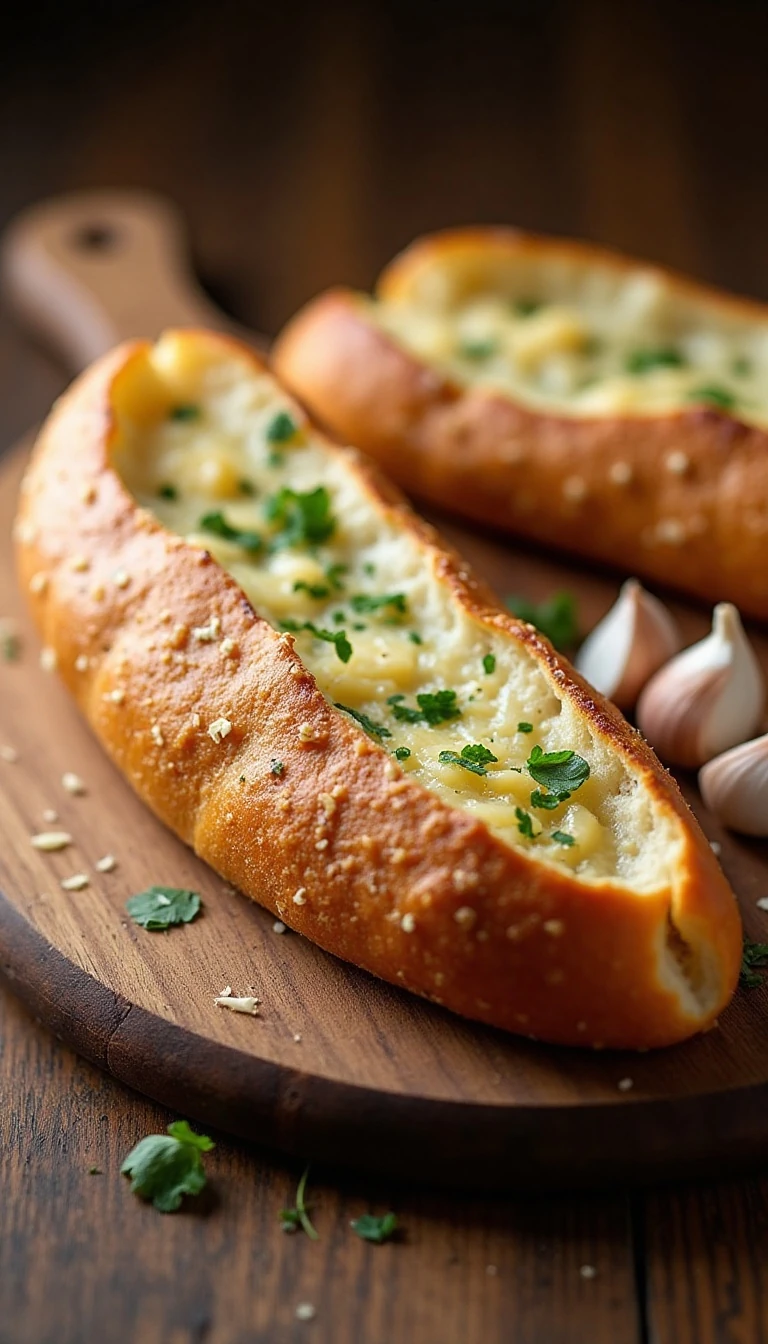
Parmesan Garlic Bread Recipe That’s Crisp and Flavorful
Ingredients
Method
- Heat the oven to 400°F (200°C) and line a baking sheet with parchment paper or foil. Slice the baguette in half lengthwise, or cut it crosswise into 1 1/2- to 2-inch sections without cutting completely through the bottom crust.
- In a bowl, stir the softened butter, minced or grated garlic, Parmesan, parsley, salt, black pepper, and either optional seasoning until evenly combined. Let the mixture rest for 10 to 15 minutes if you have time so the garlic flavor can infuse the butter.
- Spread the garlic-Parmesan butter generously over the cut surfaces of the bread. Push some butter into the cuts and along the crumb so the seasoning reaches more than just the top.
- Place the bread cut-side up on the prepared baking sheet. Bake for 10 to 12 minutes, until the butter is bubbling and the edges of the bread are crisp.
- For a deeper golden topping, switch the oven to broil and broil the bread for 1 to 2 minutes. Watch it continuously because exposed bread and Parmesan can darken quickly under the broiler.
- Remove the loaf from the oven and let it rest for 2 to 3 minutes. Slice through the sections and serve warm while the crust is crisp and the butter is still fragrant.
Notes
Final Thoughts
This Parmesan garlic bread recipe is simple, dependable, and full of the textures people want from a great side: a crisp crust, buttery crumb, fragrant garlic, and golden Parmesan. Softened butter makes the topping easy to spread, while baking the loaf open-faced gives the cheese room to toast.
Keep the ingredients classic, use freshly grated Parmesan, and watch closely during the optional broil. In less than half an hour, you will have a warm loaf ready for pasta night, soup, entertaining, or any dinner that needs one irresistibly crunchy finishing touch.