This iced lemon loaf pound cake stays moist because it combines softened butter, full-fat sour cream, fresh lemon juice, and a gentle optional lemon syrup. Baked in a 9-by-5-inch loaf pan at 350°F (175°C) for 50–60 minutes, it produces a tender, fine crumb beneath a thick, bright lemon icing.
The flavor is rich but refreshing, with buttery pound cake notes balanced by fragrant lemon zest and tart juice. Allow at least 1 hour for cooling and icing so the loaf sets properly, then slice it into 10–12 beautiful pieces for breakfast, afternoon tea, brunch, or dessert.
Jump to RecipeWhy You’ll Love This Recipe

This lemon loaf has the satisfying richness of pound cake without feeling heavy. The butter creates a tender crumb, while full-fat sour cream contributes moisture and a gentle tang that keeps each slice soft.
Fresh zest gives the cake its most concentrated lemon aroma. The icing adds a crisp, sweet-tart finish, and the optional syrup is especially useful when you want a loaf that remains moist for several days.
The recipe is also simple enough for a relaxed weekend bake. There is no complicated decoration required: a parchment-lined pan, a mixer, a bowl, and a little patience while the cake cools are all you need.
If you enjoy rich, traditional loaf cakes, you may also like this butter pecan cake, which offers a nutty contrast to this bright lemon version.
Ingredients You’ll Need
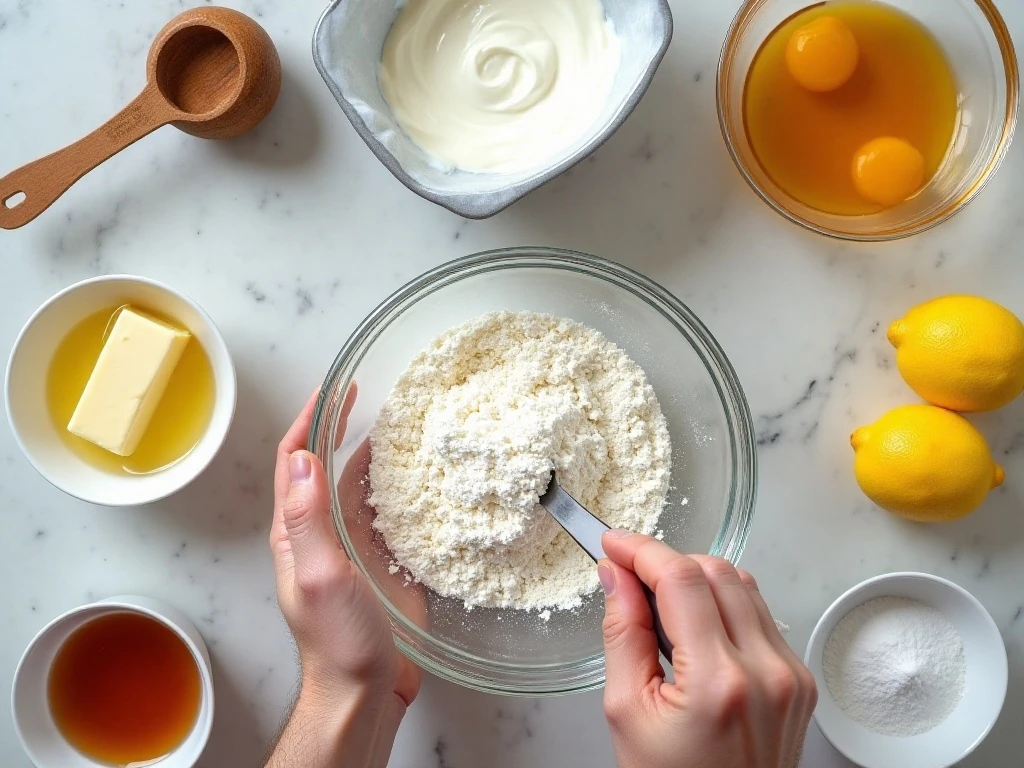
Choose fresh, good-quality ingredients because the flavor of this cake is clean and direct. The lemon is used in three forms—zest in the butter mixture, juice in the batter, and juice in the icing—so each part of the fruit has a job.
- Flour: All-purpose flour gives the loaf enough structure while keeping the crumb tender.
- Butter and sugar: These are creamed together to create lightness and a buttery foundation.
- Lemon zest and juice: Zest supplies aromatic lemon oils, while juice brings acidity and brightness.
- Sour cream: Full-fat sour cream helps keep the loaf moist and adds subtle richness.
- Eggs and vanilla: Eggs bind the batter and support the cake, while vanilla rounds out the citrus flavor.
- Icing ingredients: Confectioners’ sugar and fresh lemon juice form a thick glaze that sets beautifully over the loaf.
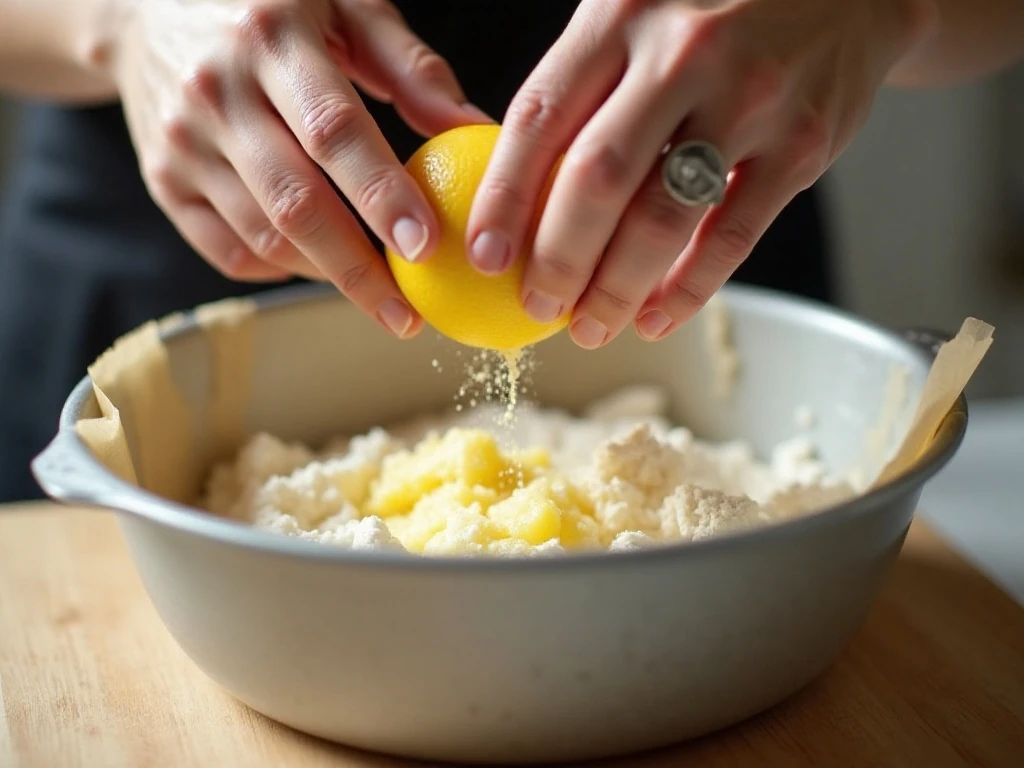
For the best lemon flavor, zest the lemons before juicing them. A fine grater produces delicate zest that blends into the sugar instead of leaving large, chewy pieces throughout the cake.
For another quick lemon dessert, consider these lemon crinkle cookies. They are especially handy when you want a small batch rather than a full loaf.
How to Make It Step-by-Step
Step 1: Heat the oven to 350°F (175°C), then grease a 9-by-5-inch loaf pan. Line it with parchment, leaving paper overhanging the sides so the baked loaf can be lifted out without disturbing its edges.
Step 2: Whisk together the all-purpose flour, baking powder, baking soda, and fine salt. This distributes the leaveners evenly and prevents a concentrated pocket of salt or baking soda in the finished cake.
Step 3: Place the softened butter, granulated sugar, and finely grated lemon zest in a mixing bowl. Beat for about 3–4 minutes, until pale and fluffy; rubbing the zest into the sugar first helps release the fragrant lemon oils.
Step 4: Add the room-temperature eggs one at a time, beating well after each addition. Mix in the vanilla extract, and scrape down the sides and bottom of the bowl so the batter stays evenly blended.
Step 5: Stir the 1/4 cup fresh lemon juice into the sour cream. Add the dry ingredients and sour cream mixture alternately in two or three additions, beginning and ending with the dry ingredients, and stop mixing as soon as no dry streaks remain.
Step 6: Transfer the batter to the lined pan and spread it evenly into the corners. Bake for 50–60 minutes, checking with a skewer in the center; it should come out with a few moist crumbs rather than wet batter.
Step 7: Watch the top during baking, particularly after the first 35 minutes. If it is browning too quickly, loosely cover the loaf with foil during the final 15 minutes, taking care not to press the foil onto the batter.
Step 8: Let the loaf cool in the pan for 10–15 minutes. Lift it out using the parchment and place it on a wire rack, where it should cool completely before the icing is added.
Step 9: If using the moisture syrup, simmer 1/4 cup sugar with 1/4 cup fresh lemon juice just until the sugar dissolves. Brush it over the warm loaf, allowing it to soak in gradually instead of pooling on the surface.
Step 10: Whisk the confectioners’ sugar with 2–3 tablespoons lemon juice and a pinch of salt, if desired. Drizzle the thick, pourable icing over the completely cooled cake and wait for it to set before slicing.
Pro Tips for a Moist Lemon Loaf

Room-temperature ingredients are one of the most important details in this recipe. Softened butter creams more effectively with the sugar, and room-temperature eggs and sour cream blend into that mixture without creating a lumpy or uneven batter.
Do not rush the butter-and-sugar step. Three to four minutes of beating adds air to the batter, which helps the loaf bake into a lighter crumb while the sour cream supplies the moisture that pound cake needs.
Once flour enters the bowl, use a low speed or a spatula and mix only until combined. Too much mixing develops gluten, which can make the cake dense, chewy, or less tender.
Fresh lemon juice is preferable to bottled juice because it tastes cleaner and more fragrant. The optional syrup is also a useful safeguard if your loaf seems slightly dry after baking, although it should be brushed on while the loaf is warm and never substituted for proper cooling.
For a different iced treat with a cozy flavor, see these old-fashioned iced oatmeal cookies. Their spices and chewy texture make a lovely contrast to this bright citrus loaf.
How to Get the Icing Just Right

The ideal lemon icing should be thick enough to sit on the cake but loose enough to flow slowly down the sides. Begin with 2 tablespoons of lemon juice, whisk thoroughly, and add the third tablespoon only if the mixture needs thinning.
If the icing becomes too thin, whisk in a little more confectioners’ sugar. If it is too thick, add lemon juice a few drops at a time rather than pouring in a large amount.
Always ice a completely cooled loaf. Warm cake melts the glaze, causing it to become thin and soak into the crust instead of forming the pretty white finish associated with an iced lemon loaf.
A pinch of salt is optional, but it can temper the sweetness and make the lemon taste more pronounced. For decoration, a small amount of finely grated lemon zest added after icing has set is enough.
For a chocolate-leaning cake to serve alongside it, try our tweed cake. The two loaves create an appealing dessert spread with very different flavors.
Storage, Slicing, and Serving

Let the icing set before covering the loaf so the surface does not become smeared. Keep the cake in an airtight container at room temperature for up to 3 days, or refrigerate it when you need longer storage.
Refrigeration firms the butter and can make the crumb seem less soft straight from the refrigerator. Let slices sit at room temperature before serving, and use a sharp serrated knife for clean cuts through the icing.
The loaf is delicious with coffee or tea, but it also works as a plated dessert. Serve a slice with berries, softly whipped cream, or a spoonful of yogurt for a fresh, balanced finish.
If you are building a lemon dessert menu, our lemon pudding cake is another excellent choice, especially when you want a warm, spoonable dessert instead of a sliceable one.

Iced Lemon Loaf Pound Cake
Ingredients
Method
- Heat the oven to 350°F (175°C). Grease a 9-by-5-inch loaf pan and line it with parchment paper, leaving enough overhang on the long sides to lift out the finished loaf.
- Whisk the flour, baking powder, baking soda, and salt together in a medium bowl. In a separate small bowl, stir the fresh lemon juice into the sour cream.
- Beat the softened butter, granulated sugar, and lemon zest for 3–4 minutes, until pale and fluffy. Adding the zest to the sugar and butter releases the lemon oils throughout the batter.
- Add the room-temperature eggs one at a time, beating well after each addition. Mix in the vanilla extract, scraping the bowl so the mixture stays even.
- Add the dry ingredients and the sour cream mixture alternately in two or three additions, beginning and ending with the dry ingredients. Mix only until the batter is combined, since prolonged mixing can make the loaf dense.
- Spread the batter evenly in the prepared pan. Bake for 50–60 minutes, until a skewer inserted in the center comes out with a few moist crumbs; loosely cover the top with foil during the final 15 minutes if it browns too quickly.
- Cool the loaf in the pan for 10–15 minutes, then use the parchment overhang to lift it onto a wire rack. Cool completely before adding icing so the glaze remains thick and attractive.
- For the optional syrup, simmer the sugar and lemon juice briefly, just until the sugar dissolves. Brush the syrup over the warm loaf, then let the loaf cool completely before icing.
- Whisk the confectioners' sugar, 2–3 tablespoons of lemon juice, and the optional pinch of salt into a thick, pourable glaze. Drizzle it over the cooled loaf and let the icing set before slicing.
Notes
Final Thoughts
This iced lemon loaf pound cake is a dependable recipe for anyone who wants a moist, buttery cake with unmistakable fresh lemon flavor. The combination of careful creaming, sour cream, gentle mixing, and complete cooling makes the difference between an ordinary loaf and one with a soft, fine crumb.
Use the optional lemon syrup when you want additional moisture, then finish the cooled cake with a thick, tangy icing. Once the glaze sets, every slice has a tender golden center, a bright citrus aroma, and a sweet finish that makes this loaf worthy of both everyday snacking and special occasions.
For the best result, measure carefully, keep the ingredients at room temperature, and begin zesting before you juice the lemons. This simple order of preparation gives you maximum flavor and a lemon loaf that stays invitingly moist from the first slice to the last.