This authentic hot and sour soup recipe combines tender marinated pork, chewy wood ear mushrooms, bamboo shoots, tofu, silky egg ribbons, Chinkiang black vinegar, and fragrant white pepper in a savory chicken broth. Ready in approximately 40–50 minutes, it makes 4–6 generous servings and delivers the balanced sweet-sour, peppery flavor associated with a great Chinese restaurant soup.
The secret to better-than-takeout flavor is not simply adding more heat. The soup gets its signature sharpness from vinegar added near the end, while ground white pepper provides a warm, lingering bite; a carefully stirred cornstarch slurry gives the broth its lightly thickened texture, and a slow egg drizzle creates delicate ribbons throughout every bowl.
Jump to RecipeWhy You’ll Love This Recipe
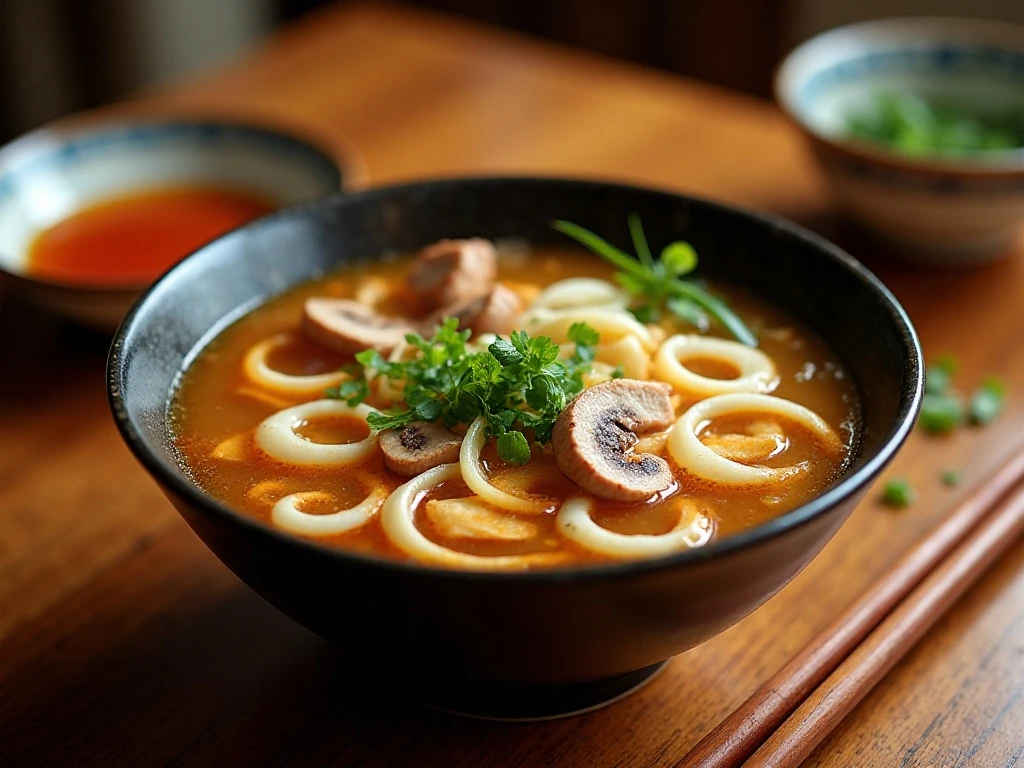
This bowl has everything a satisfying dinner soup should offer: a rich savory broth, tender meat, soft tofu, earthy mushrooms, crisp-tender bamboo shoots, and delicate egg ribbons. The contrasting textures make every spoonful interesting, while the vinegar and white pepper keep the broth lively rather than heavy.
Although hot and sour soup is often ordered as a restaurant starter, this homemade version is substantial enough for dinner when served in generous bowls. It is also easy to adjust at the table, so each person can add a little more vinegar for brightness or white pepper for a stronger finish.
The brief pork marinade is especially important. Soy sauce seasons the meat, Shaoxing wine adds a subtle savory aroma, cornstarch protects the lean tenderloin from drying out, and oil helps the strips stay smooth as they cook in the broth.
If you enjoy cozy soup dinners with a different flavor profile, you may also like this comforting spaghetti and meatball soup, which turns familiar pasta-night ingredients into a hearty bowl.
Ingredients You’ll Need
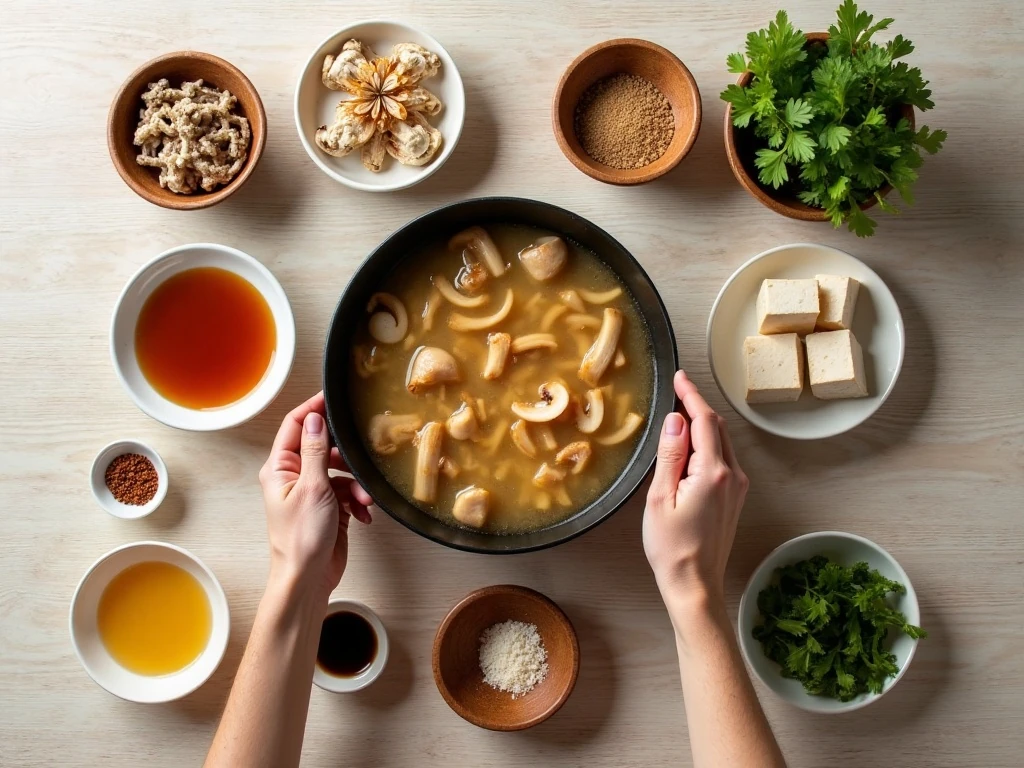
The ingredient list may look long, but most items are simple to prepare and many can be found at an Asian grocery store or in the international aisle. Chinkiang vinegar and white pepper are the two ingredients that define the soup’s character, so try to use them when possible.
- Chicken stock: Use chicken stock or unsalted chicken broth as the foundation. An unsalted option gives you more control over the final seasoning.
- Wood ear mushrooms: These dried mushrooms rehydrate into pleasantly crisp, springy pieces that add an essential texture.
- Dried lily flowers: Also called dried daylily buds, they are traditional but optional. Remove their tough ends after soaking.
- Pork tenderloin: Slice it into thin matchsticks so it cooks quickly and blends naturally with the other soup ingredients.
- Bamboo shoots and tofu: Bamboo shoots add crunch, while firm tofu provides a soft, savory contrast without falling apart.
- Mushrooms and egg: Fresh shiitakes add depth, and the beaten egg creates the familiar silky strands.
- Seasonings: Chinkiang black vinegar supplies malty sourness, white pepper gives the heat, and toasted sesame oil contributes a nutty aroma at the end.
- Cornstarch slurry: Mixing cornstarch with cold water before adding it prevents lumps and helps the broth thicken evenly.
Chinkiang vinegar is darker, rounder, and more malty than ordinary white vinegar. If it is unavailable, rice vinegar can work, but add it gradually because rice vinegar is sharper and less malty.
For another mushroom-centered bowl, keep our wild rice and mushroom soup on your dinner list for a hearty, earthy alternative.
How to Make It Step-by-Step

Step 1: Soak the dried wood ear mushrooms and lily flowers in hot water for 20–30 minutes. Once pliable, drain and rinse them carefully, then slice the wood ear mushrooms into bite-size strips. Trim any tough ends from the lily flowers and cut them into shorter pieces so they are easy to eat.
Step 2: While the dried ingredients soak, slice the pork tenderloin into thin matchsticks. Toss it with the light soy sauce, Shaoxing rice wine, 1 teaspoon cornstarch, and 1 teaspoon neutral cooking oil, then let it stand for about 10 minutes. This short rest gives the marinade time to cling to the meat.
Step 3: Prepare the remaining ingredients before heating the pot. Slice the fresh shiitakes, bamboo shoots, and firm tofu into thin strips, beat the egg in a small bowl, mix the cornstarch with cold water, and slice the scallions.
Step 4: Pour the chicken stock into a large pot and bring it to a simmer over medium heat. Add the marinated pork, bamboo shoots, rehydrated wood ear mushrooms, lily flowers, shiitake mushrooms, and tofu. Stir gently so the tofu stays intact.
Step 5: Simmer the soup gently for 5–8 minutes, until the pork is cooked through and the mushrooms are tender. The broth should bubble lightly rather than boil aggressively, because a hard boil can make the later thickened texture gluey.
Step 6: Stir in the ground white pepper and Chinkiang vinegar after the soup has simmered. Stir the cornstarch slurry again, since it settles quickly, and slowly pour it into the soup while stirring. Continue cooking for 1–2 minutes, just until the broth lightly thickens.
Step 7: Slowly drizzle the beaten egg into the simmering soup in a thin, steady stream. Stir continuously in one direction as you pour to form fine, silky ribbons rather than scrambled pieces.
Step 8: Turn off the heat as soon as the egg sets. Stir in the toasted sesame oil and scallions, taste carefully, and adjust with more vinegar, white pepper, or salt. Ladle into bowls and finish with cilantro if desired.
How to Balance the Hot and Sour Flavor
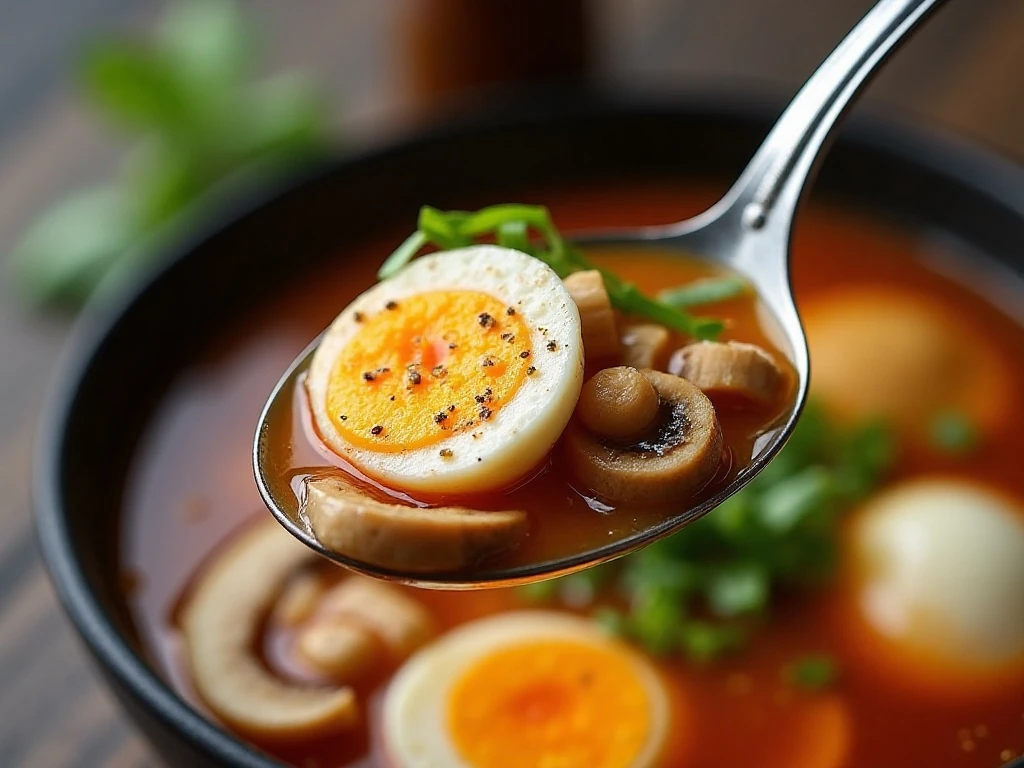
Authentic hot and sour soup is about balance, not simply intensity. Chinkiang vinegar delivers the sour component, while white pepper provides a distinct nasal heat that feels different from the burn of chilies.
Start with the specified 1/4 cup vinegar and 1 teaspoon white pepper, then taste after the soup has been thickened and the heat has been turned off. If the broth tastes rich but dull, add a small splash of vinegar; if it tastes bright but not lively, add a little more white pepper.
Adding the vinegar near the end preserves its sharp aroma and keeps the sour flavor from becoming flat during a long simmer. Chili oil is optional, but traditional versions generally rely primarily on white pepper for heat.
For a meatless dinner, use vegetable stock and omit the pork. You can replace the dried lily flowers with fresh shiitakes, enoki mushrooms, or extra wood ear mushrooms, although the finished soup will have a slightly different texture.
When you want a plant-based comfort meal, this vegan cauliflower soup is another nourishing option to try.
Pro Tips for Restaurant-Style Results
- Slice against the grain: Cutting the pork tenderloin into very thin matchsticks helps it cook quickly and remain tender.
- Keep ingredients uniform: Similar thin strips of pork, mushrooms, bamboo shoots, and tofu make the soup easier to eat and distribute the flavors through each serving.
- Re-stir the slurry: Cornstarch sinks to the bottom of the bowl while it sits, so stir it immediately before adding it to the pot.
- Control the heat: A gentle simmer is enough after thickening. High heat can produce a heavy, gluey broth.
- Pour the egg slowly: A thin stream and one-direction stirring create delicate strands that stay visible in the finished soup.
- Finish off the heat: Sesame oil and scallions taste fresher when stirred in after the burner is turned off.
- Taste last: Stock saltiness varies, so adjust salt only after the vinegar, pepper, and slurry have been added.
Do not skip the 20–30 minute soaking time for the dried mushrooms and lily flowers. Properly rehydrated ingredients become tender enough to eat while retaining the pleasantly chewy quality that makes this soup distinctive.
For another deeply savory soup with a satisfying grain-and-mushroom texture, try this mushroom barley soup on a different night.
Serving, Storage, and Substitutions

Serve the soup immediately while the egg ribbons are tender and the vinegar aroma is bright. It makes a warming first course, but the pork, tofu, mushrooms, and egg also make it filling enough for a light dinner with steamed rice or simple dumplings.
Store leftovers in an airtight container in the refrigerator and reheat them gently on the stovetop. Avoid a vigorous boil during reheating, since the cornstarch-thickened broth can become overly dense and the tofu may break apart.
If using rice vinegar instead of Chinkiang vinegar, add it a little at a time and taste between additions. Thinly sliced chicken can replace the pork, and the same brief marinade of soy sauce, Shaoxing wine, cornstarch, and oil will help keep it tender.
For a cozy Italian-inspired soup night after enjoying this Chinese classic, serve up a bowl of one-pot lasagna soup with crusty bread.
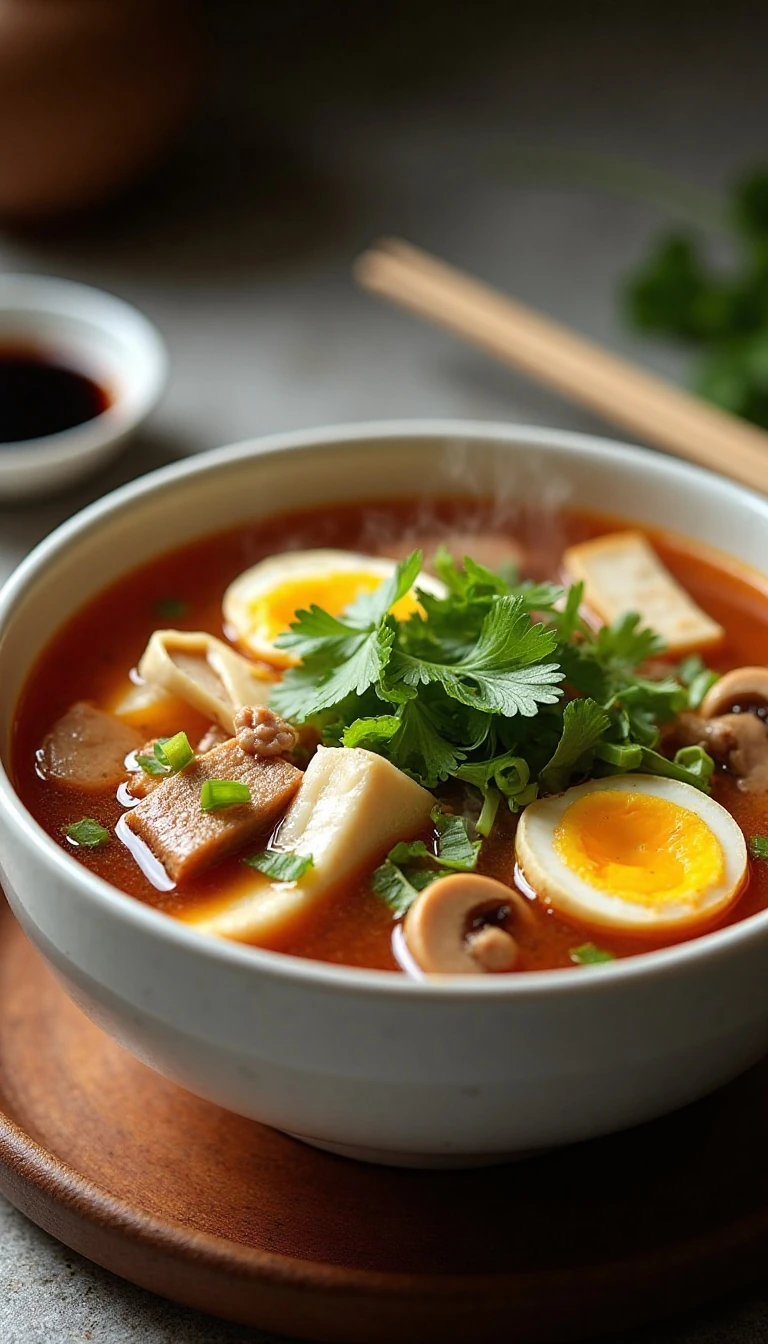
Authentic Hot and Sour Soup Recipe
Ingredients
Method
- Soak the dried wood ear mushrooms and dried lily flowers in hot water for 20–30 minutes. Drain and rinse them well, slice the wood ear mushrooms, remove tough ends from the lily flowers, and cut the flowers into shorter pieces.
- Toss the thin pork matchsticks with light soy sauce, Shaoxing rice wine, 1 teaspoon cornstarch, and 1 teaspoon neutral oil. Let the pork stand for about 10 minutes so the marinade seasons it and helps keep the meat tender.
- Bring the chicken stock or unsalted chicken broth to a simmer in a large pot. Add the marinated pork, bamboo shoots, wood ear mushrooms, lily flowers, shiitake mushrooms, and tofu.
- Simmer gently for 5–8 minutes, or until the pork is cooked and the mushrooms are tender. Avoid a hard boil, which can make the soup ingredients rough and the finished thickened broth less pleasant.
- Stir in the ground white pepper and Chinkiang black vinegar. Keep the soup at a gentle simmer, stir the cornstarch slurry, and slowly pour it into the pot while stirring; cook for 1–2 minutes until the broth lightly thickens.
- Slowly drizzle the lightly beaten egg into the simmering soup in a thin stream while stirring continuously in one direction. This creates fine, silky egg ribbons instead of large clumps.
- Turn off the heat and stir in the toasted sesame oil and sliced scallions. Taste and adjust with additional Chinkiang vinegar, white pepper, or salt, then garnish with cilantro if desired and serve hot.
Notes
Final Thoughts
This authentic hot and sour soup recipe brings restaurant-style flavor into your kitchen with a straightforward sequence: soak the dried ingredients, briefly marinate the pork, simmer the additions gently, thicken the broth, and finish with egg, sesame oil, and scallions. The result is savory, tangy, peppery, aromatic, and full of contrasting textures.
For the best bowl, treat the vinegar and white pepper as adjustable finishing ingredients rather than adding extra heat all at once. Once you taste how the malty Chinkiang vinegar and fragrant white pepper work together, this comforting dinner soup may become your favorite answer to a chilly evening or a takeout craving.
Gather your ingredients, keep the pot at a gentle simmer, and serve the soup piping hot with extra vinegar or white pepper at the table. It is a deeply satisfying homemade meal that tastes special without requiring a complicated cooking technique.