The best turmeric substitute depends on whether you need earthy flavor, golden color, or both. For the closest easy 1:1 swap, use 1 teaspoon curry powder for every 1 teaspoon ground turmeric. Ground ginger, cumin, sweet paprika, mustard powder, and saffron are also useful choices, but each changes the dish in a different way.
Use 1/2 teaspoon ground ginger or cumin, 1 teaspoon sweet paprika, 1/2 teaspoon mustard powder, or about 1/8 teaspoon saffron threads for 1 teaspoon turmeric. Curry powder works beautifully in curries, soups, rice, and roasted vegetables, while saffron is especially lovely in delicate rice, seafood, broth, and pilaf recipes.
Jump to RecipeWhy Choose a Turmeric Substitute?
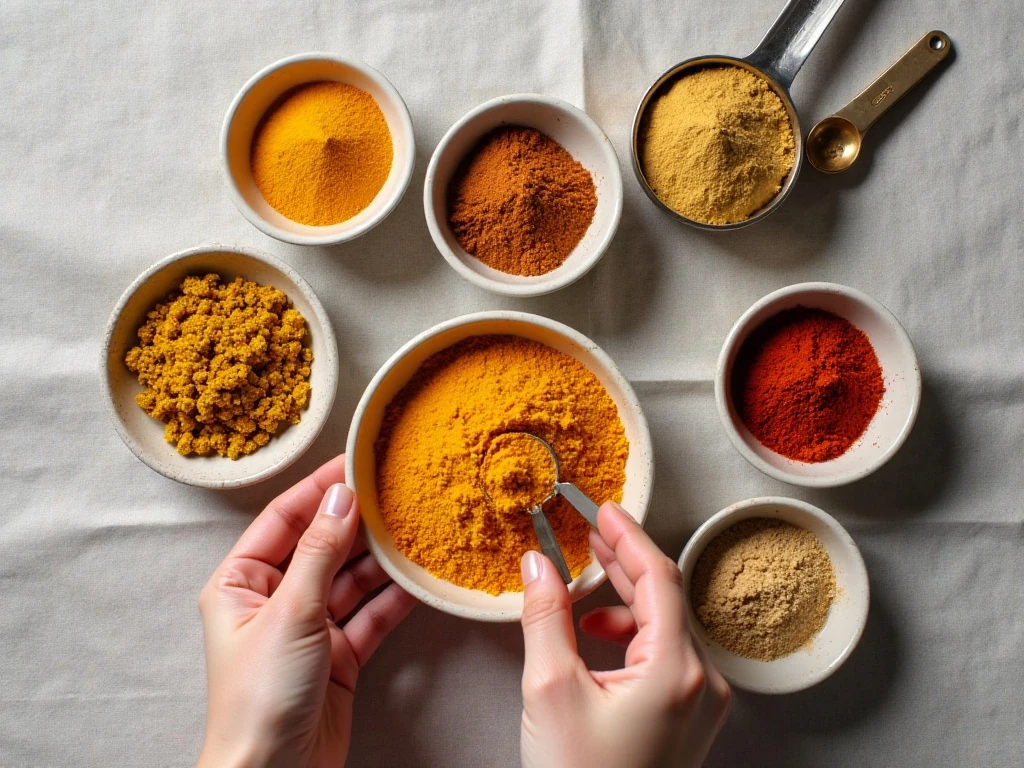
Turmeric is prized for two main qualities: its earthy, gently bitter flavor and its vivid yellow-orange color. It is common in curries, lentil dishes, rice, soups, marinades, roasted vegetables, and spice blends, but a substitute may be needed when your jar is empty or when you want a different flavor direction.
No single replacement perfectly copies turmeric. The right choice depends on the recipe and the job turmeric was doing. Curry powder is the most convenient all-purpose option, cumin offers savory depth, paprika brings color, ginger adds warm sharpness, mustard powder supplies pungency, and saffron contributes beautiful aroma.
If you enjoy turmeric in poultry dishes, our turmeric chicken recipe is a useful example of how this spice contributes both color and character to a meal.
The Six Best Turmeric Substitutes
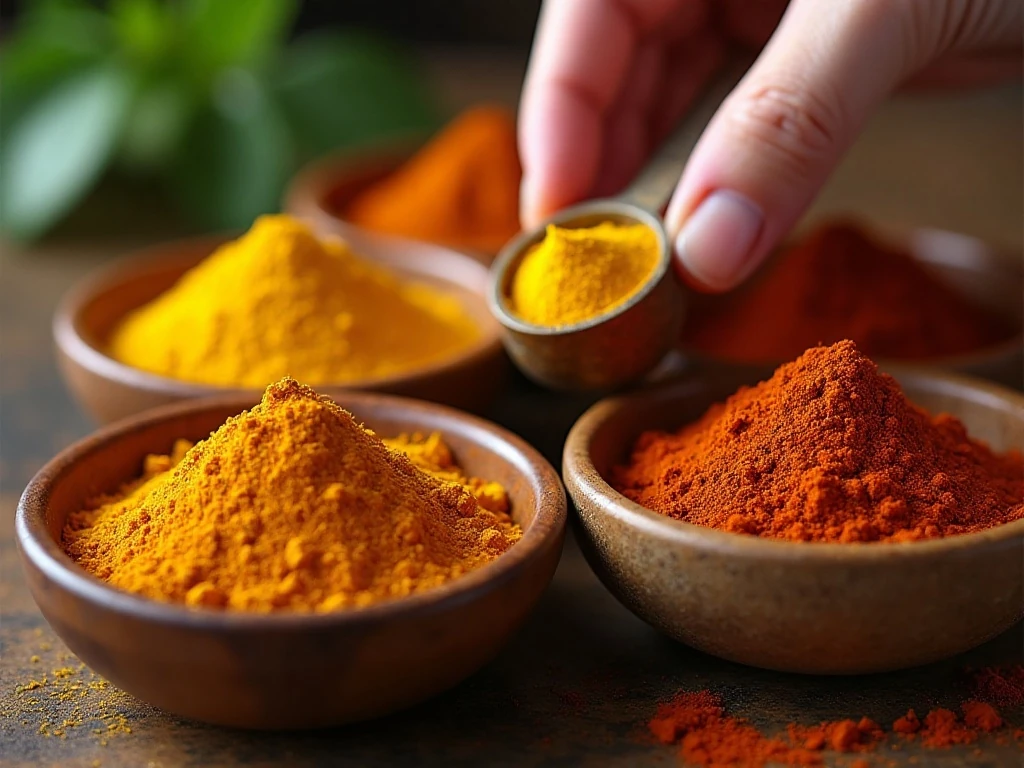
1. Curry powder: Replace 1 teaspoon turmeric with 1 teaspoon curry powder. This is usually the easiest 1:1 substitution for curries, rice, soups, stews, marinades, and roasted vegetables.
Curry powder often contains turmeric along with cumin, coriander, ginger, fenugreek, and chile. Because of that blend, it does more than imitate turmeric; it gives the dish a broader, more savory-spiced profile. Add it with the dry spices and bloom it in oil for 30–60 seconds for fuller flavor.
2. Ground ginger: Use 1/2 teaspoon ground ginger for 1 teaspoon turmeric. Ginger works well in soups, stir-fries, sauces, roasted vegetables, and recipes where warm spice matters more than yellow color.
Expect a sharper, sweeter taste because ginger does not have turmeric’s earthy bitterness. It will not turn a dish yellow, but it can bring a lively warmth that pairs well with garlic, soy sauce, citrus, coconut milk, and vegetables.
3. Ground cumin: Start with 1/2 teaspoon cumin for 1 teaspoon turmeric. Cumin is especially good in beans, lentils, rice, meat rubs, curries, and savory vegetable recipes.
Its flavor is earthy, nutty, and warmly aromatic, though it contributes very little color. Bloom cumin in oil for 30–60 seconds in a stew, curry, or sauté. If color matters, combine it with a small amount of paprika.
4. Sweet paprika: Use 1 teaspoon sweet paprika for 1 teaspoon turmeric. It is a pleasing choice for rice, potatoes, soups, stews, poultry, fish, and roasted vegetables.
Sweet paprika provides red-orange color and mild sweetness rather than turmeric’s earthy taste. Stir it into oil before adding liquid or add it directly with the dry spices, but avoid high heat because scorched paprika can become bitter. Smoked paprika is possible when its smoky flavor suits the dish.
5. Mustard powder: Replace 1 teaspoon turmeric with 1/2 teaspoon dry mustard powder. It is useful in sauces, dressings, marinades, pickles, potato dishes, and savory baked recipes.
Mustard powder adds a gentle yellow color and noticeable pungency. Whisk it into liquid ingredients or blend it with the dry spices. This option is most helpful when turmeric was included mainly for color and a mild spicy note.
6. Saffron: Use about 1/8 teaspoon saffron threads, or approximately 10–15 threads, for 1 teaspoon turmeric. Saffron is ideal for rice, seafood, broths, pilafs, and delicately flavored sauces where aroma is just as important as color.
Lightly crush the threads and steep them in 1 tablespoon hot water, stock, or milk for 5–10 minutes before adding the infusion to the recipe. Saffron is much more expensive than the other options and does not provide a direct flavor match, but its floral fragrance can make a simple rice or seafood dish feel wonderfully special.
How to Make the Substitution Step-by-Step
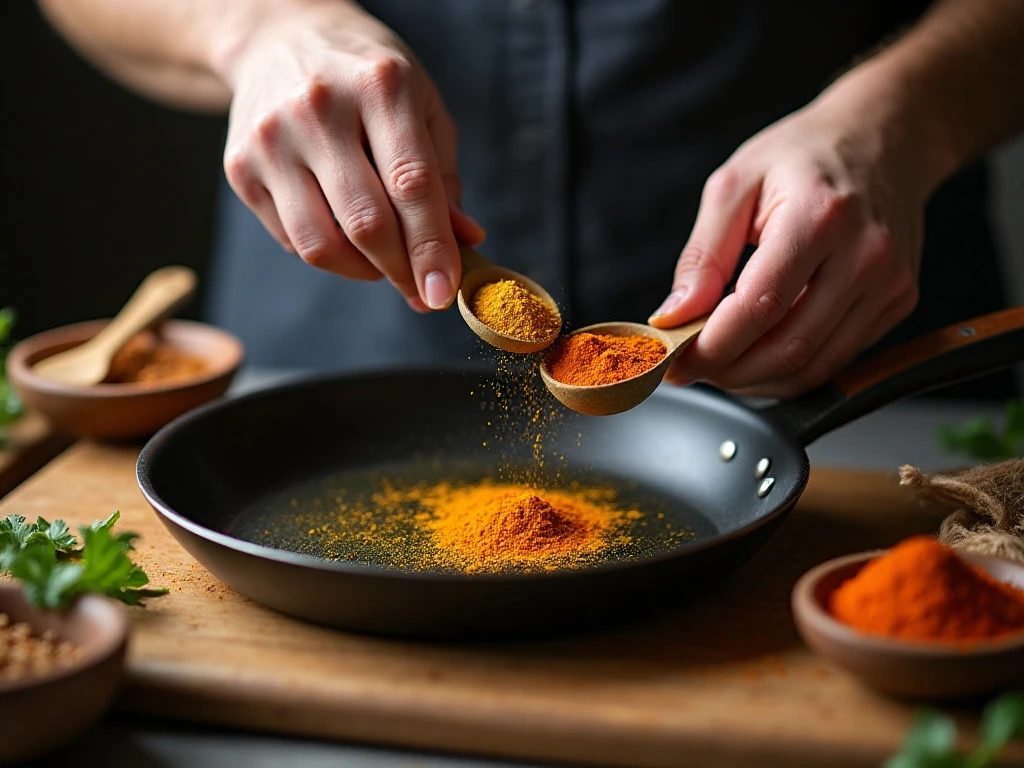
Step 1: Read the original recipe and determine why turmeric is included. If the ingredient list contains several warm spices, curry powder or cumin may fit best; if the dish is pale and color is important, paprika, saffron, or mustard powder may be more suitable.
Step 2: Measure the substitute for the amount of turmeric requested. For 1 teaspoon turmeric, use 1 teaspoon curry powder or sweet paprika, 1/2 teaspoon ground ginger, cumin, or mustard powder, or about 1/8 teaspoon saffron threads.
Step 3: Add dry substitutes at the same point you would normally add turmeric. Curry powder, ginger, cumin, paprika, and mustard powder require no special preparation, although most benefit from brief contact with warm oil or butter.
Step 4: Bloom suitable ground spices for 30–60 seconds over moderate heat before adding broth, water, coconut milk, or another liquid. Stir constantly and avoid high heat, particularly with paprika, because scorched spices can taste harsh or bitter.
Step 5: Prepare saffron separately when using it. Lightly crush approximately 10–15 threads, steep them in 1 tablespoon hot water, stock, or milk for 5–10 minutes, and then add both the threads and infused liquid to the dish.
Step 6: Cook the dish for the original recipe’s stated time. These substitutes do not require a separate cooking period, and they should generally be added at the beginning unless the original directions call for turmeric near the end.
Step 7: Taste and adjust carefully. Strong options such as cumin, mustard powder, smoked paprika, and curry powder can quickly dominate, so begin conservatively when the recipe contains other powerful seasonings.
How to Match the Substitute to Your Dish

For a curry, stew, soup, or marinade, curry powder is usually the most practical choice because its spice profile already suits these preparations. Cumin is a better fit when the dish includes beans, lentils, meat, or toasted grains and needs nutty depth without a complicated blend.
Choose sweet paprika for potatoes, poultry, fish, rice, and roasted vegetables when a warm red-orange color is welcome. Ginger is the right direction for stir-fries, sauces, broths, and vegetable dishes with Asian-inspired flavors, although it will not reproduce turmeric’s color.
Mustard powder works naturally in creamy sauces, dressings, pickles, potato salads, and savory baked recipes. Saffron belongs in delicate preparations where its floral aroma can remain noticeable, such as seafood broth, pilaf, saffron rice, or a lightly seasoned sauce.
For another colorful cooking idea, you can balance a savory meal with a sweet finish such as this bright raspberry sauce. Its fruit-forward flavor is a reminder that color and flavor do not always have to come from the same ingredient.
Chef’s Tips for Better Results
- Multiply accurately: For 1 tablespoon turmeric, multiply each listed substitute amount by three.
- Bloom with care: Briefly cooking ground spices in oil or butter releases fat-soluble aroma compounds and gives the finished dish a fuller taste.
- Protect delicate spices: Avoid high heat with paprika and other powdered spices to prevent bitterness.
- Use color strategically: Saffron, sweet paprika, annatto, or a small amount of food-safe yellow coloring may work better than ginger or cumin when appearance is the main concern.
- Keep the balance: Curry powder may already contain turmeric, cumin, coriander, ginger, fenugreek, and chile, so reduce other spices if the blend makes the recipe taste busy.
- Prevent stains: Turmeric can stain cookware, utensils, and fabric. Stainless steel tools and prompt washing make cleanup easier.
A good substitute should support the entire recipe rather than simply imitate one ingredient. Taste the sauce, broth, or spice mixture before serving and remember that a small adjustment is usually easier than correcting an overpowering spice flavor.
When planning a full menu, keep the main dish’s flavor profile in mind. A bold curry substitute may pair well with a simple side, while saffron rice can take center stage alongside lightly seasoned seafood. For a different kind of family-friendly meal idea, see these lighter pizza recipes.
Common Substitution Mistakes to Avoid
The most common mistake is assuming that every substitute will provide the same yellow color. Ginger and cumin bring warmth but little to no color, while paprika gives a red-orange tone and mustard powder gives only some yellow. Saffron colors beautifully, but its floral taste is distinct and should be used with restraint.
Another mistake is using too much of a strong substitute. A full teaspoon of cumin, mustard powder, or smoked paprika may overpower a recipe designed for turmeric. Start with the listed ratio or slightly less when the rest of the ingredient list is already highly seasoned.
Do not add saffron dry and expect the same result as an infusion. Steeping the threads in hot liquid for 5–10 minutes distributes their color and aroma more evenly throughout the dish.
Finally, do not change the recipe’s cooking time simply because you changed the spice. Add the substitute at the normal turmeric stage and follow the original preparation and cooking directions.
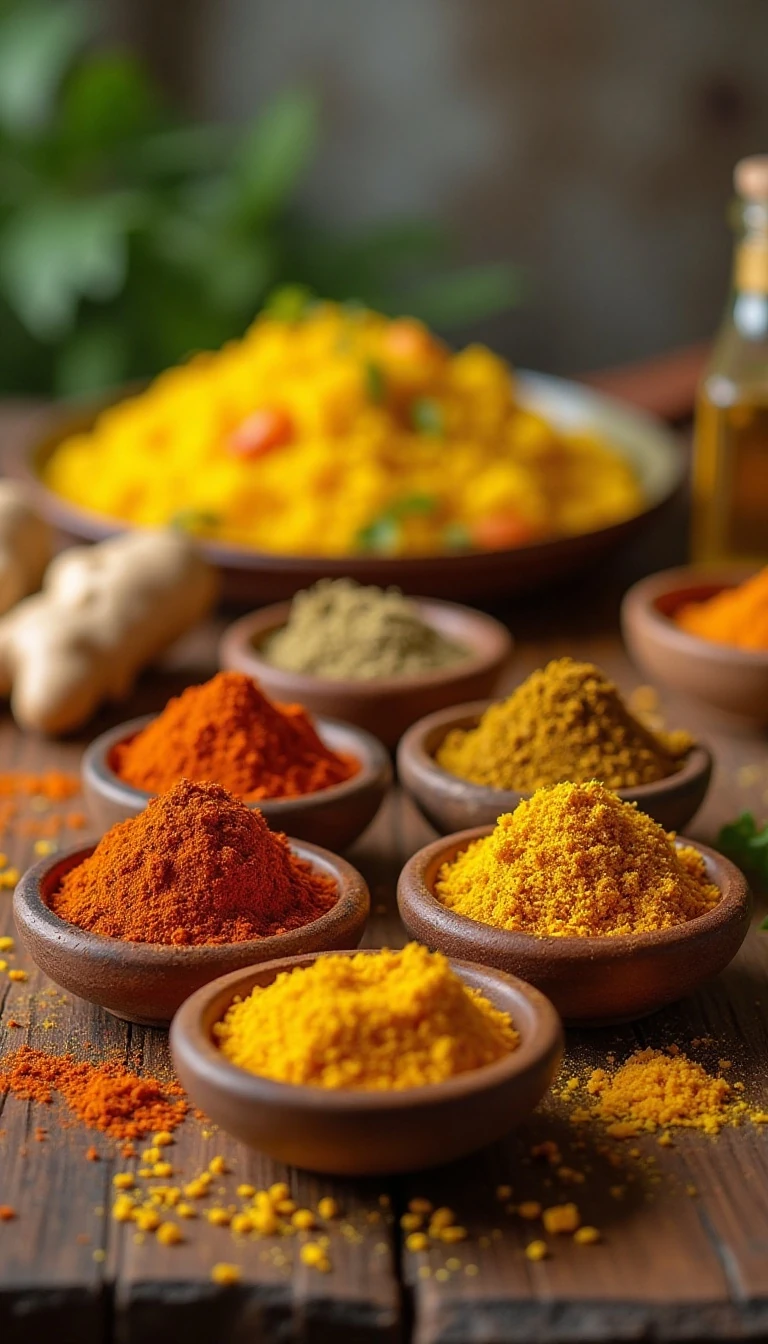
Turmeric Substitute Guide
Ingredients
Method
- Identify the role turmeric plays in the recipe. Decide whether the dish mainly needs warm earthy flavor, golden color, or a combination of both.
- Measure the selected substitute using the starting ratio for 1 teaspoon ground turmeric. If replacing 1 tablespoon turmeric, multiply the listed amount by three.
- Add curry powder, ginger, cumin, paprika, or mustard powder with the other dry spices. Bloom most ground spices in oil or butter for 30–60 seconds when appropriate, taking care not to scorch them.
- For saffron, lightly crush about 10–15 threads and steep them in 1 tablespoon hot water, stock, or milk for 5–10 minutes. Add the infused liquid during the original recipe's normal cooking period.
- Continue cooking according to the original recipe and taste before serving. Add a little more substitute only when needed, especially with assertive cumin, mustard powder, smoked paprika, or curry powder.
Notes
Final Thoughts
The best all-purpose turmeric substitute is 1 teaspoon curry powder for every 1 teaspoon turmeric, especially in curries, soups, rice, stews, and roasted vegetables. For a more focused flavor, choose 1/2 teaspoon ginger for warm sharpness, 1/2 teaspoon cumin for earthy depth, 1 teaspoon sweet paprika for color, 1/2 teaspoon mustard powder for pungency, or about 1/8 teaspoon saffron for floral aroma and refined color.
Think about what your recipe needs before choosing. Flavor, color, and aroma can be supplied by different ingredients, so the most successful substitution is the one that complements the other ingredients already in the pan.
Once the savory course is finished, a rich dessert such as homemade chocolate pudding or a slice of banana Bundt cake makes a delicious ending. Keep these ratios nearby, taste as you cook, and you can confidently adapt nearly any turmeric-seasoned recipe.