Easy Polish Cabbage and Noodles, also called haluski, is a comforting one-pan-style meal made with wide egg noodles, buttery cabbage, caramelized onion, and optional crisp bacon. This Polish-American classic takes about 15 minutes to prepare and 25–30 minutes to cook, making approximately 6 generous servings.
Every forkful combines tender noodles with sweet, lightly browned cabbage and rich butter, while black pepper adds just enough warmth. It is inexpensive, filling, and wonderfully simple, much like the cozy flavors found in traditional cabbage rolls, but ready for the table in under an hour.
Jump to RecipeWhy You’ll Love This Recipe
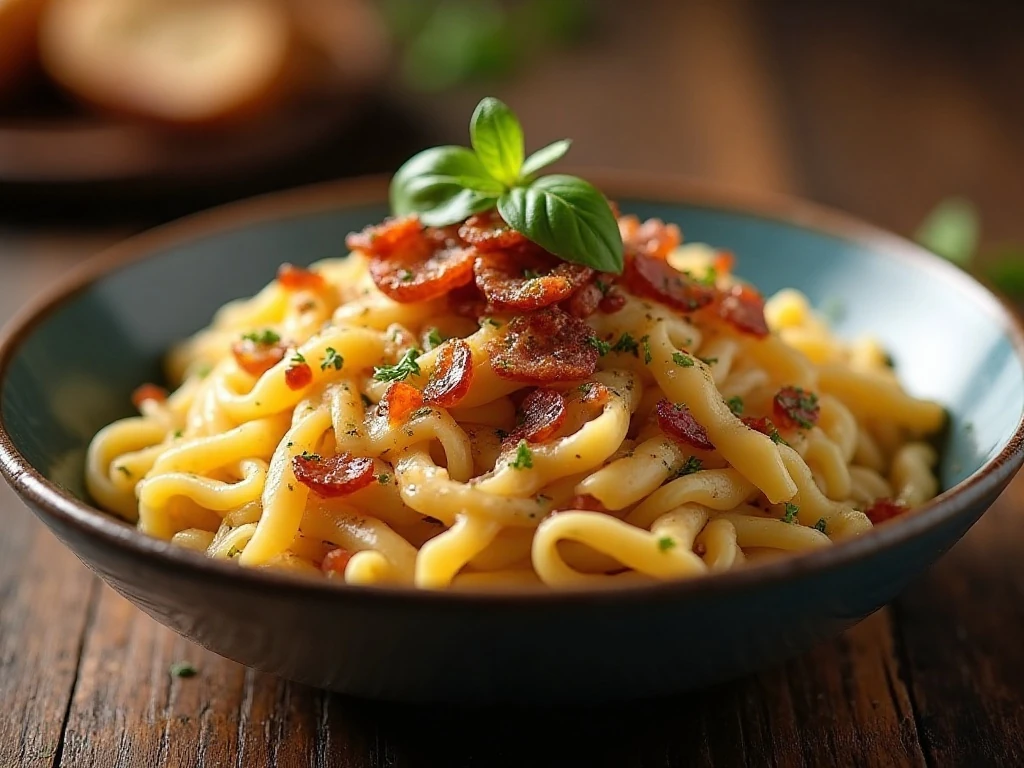
Haluski is the kind of dinner that proves a short ingredient list can create deeply satisfying food. Butter gives the cabbage and noodles a silky coating, while the onion becomes sweet and lightly golden as it cooks.
The cabbage is not merely softened; it is cooked until tender and touched with brown edges. Those caramelized bits add a savory sweetness that makes the dish taste far more special than its humble ingredients suggest.
This recipe is also flexible. Serve it as a meatless main dish, add bacon for a classic Polish-American version, or pair it with kielbasa when you want something heartier.
If you enjoy simple meals with bold comfort-food appeal, you may also like this vegetarian ramen for another cozy dinner idea.
Ingredients You’ll Need
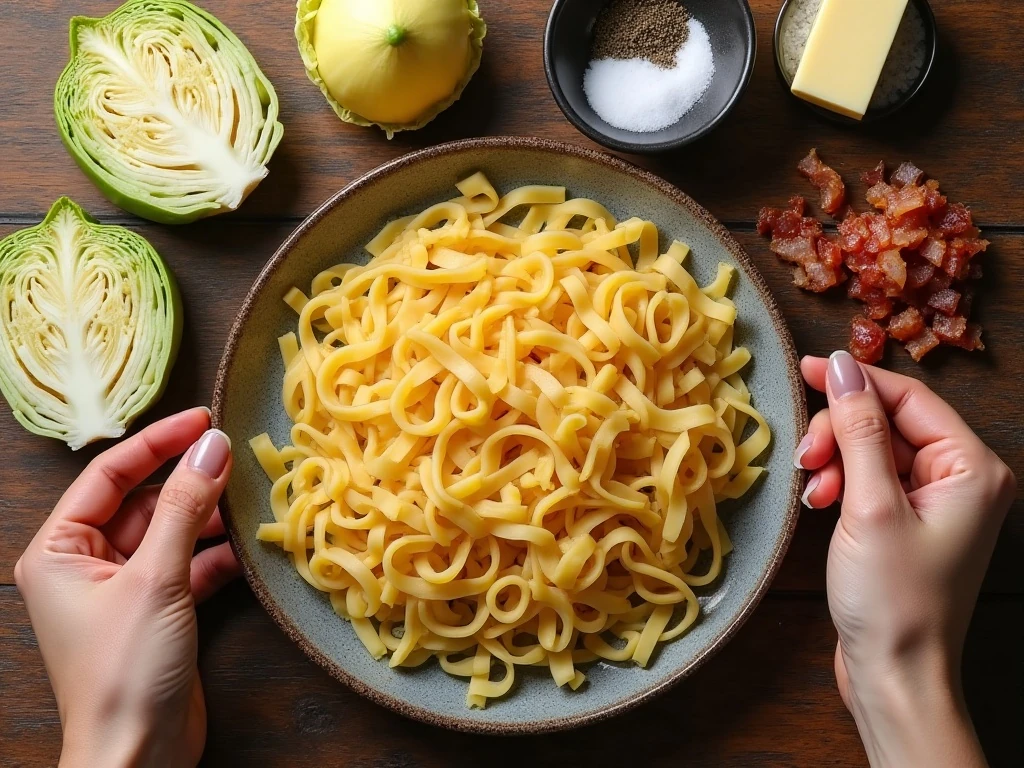
The foundation of this recipe is 12 ounces of wide egg noodles and one medium-to-large green cabbage weighing about 2 pounds. Wide noodles are ideal because they hold onto the buttery cabbage mixture and provide a satisfying, substantial bite.
- Wide egg noodles: Cook them until just tender so they do not fall apart when tossed with the hot cabbage.
- Green cabbage: Core it, slice it thinly, and keep the pieces reasonably uniform so they cook at the same rate.
- Yellow onion: One large diced or thinly sliced onion brings sweetness and depth.
- Unsalted butter: Eight tablespoons, or one stick, forms the rich base of the dish.
- Seasonings: Use 1 teaspoon kosher salt, 1/2 teaspoon freshly ground black pepper, and 1/2 teaspoon garlic powder if desired.
- Bacon: Four to six cooked and crumbled slices are optional but common in Polish-American preparations.
Some family recipes use bacon grease, farmer cheese, cottage cheese, or sour cream. Those are delicious variations, but this basic preparation keeps the focus on butter, cabbage, onion, and noodles.
How to Make It Step-by-Step
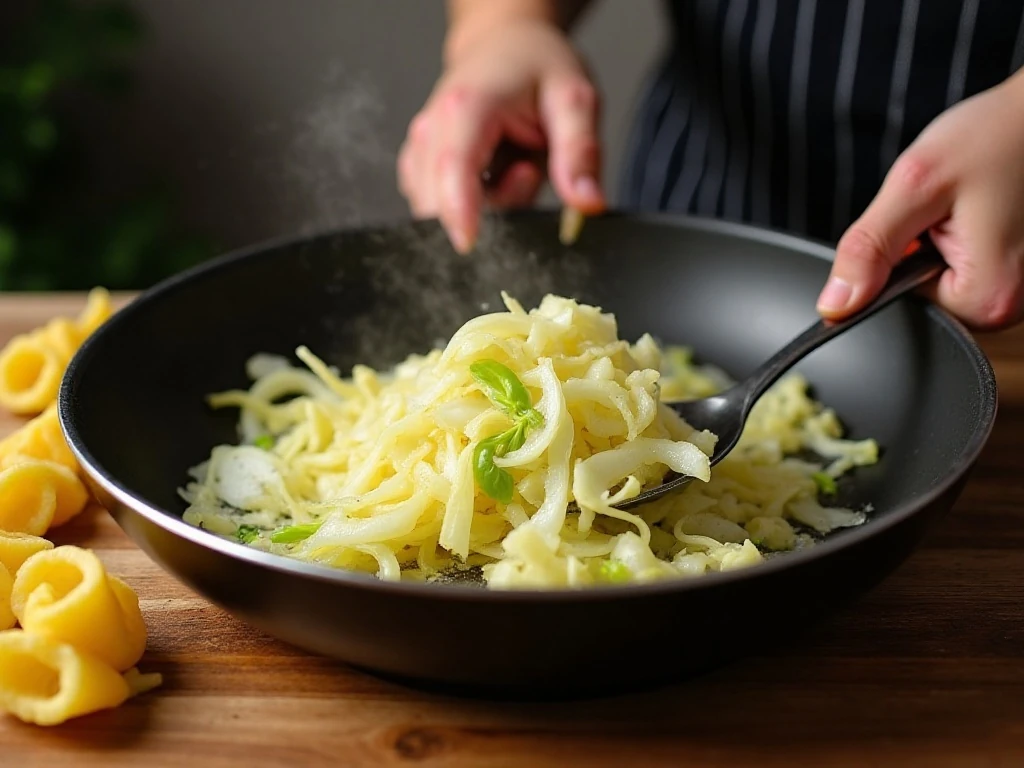
Step 1: Fill a large pot with water, season it generously with salt, and bring it to a full boil. Add the wide egg noodles and cook according to the package directions until just tender, then drain thoroughly and do not rinse them.
Step 2: While the pasta cooks, melt all 8 tablespoons of butter in a large skillet or Dutch oven over medium heat. A wide cooking vessel gives the cabbage enough room to contact the hot surface instead of simply steaming.
Step 3: Add the onion to the melted butter and cook for 4–6 minutes, stirring from time to time. Continue until the onion is soft and lightly golden, watching the heat so it becomes sweet without burning.
Step 4: Add the thinly sliced cabbage, kosher salt, black pepper, and optional garlic powder. Stir well to coat the cabbage in butter, then cook for 10–15 minutes, stirring regularly, until tender and beginning to brown.
Step 5: If the skillet seems dry while the cabbage cooks, add 1–2 tablespoons of water. Avoid covering an overcrowded pan, because the goal is to let moisture escape and encourage browned edges.
Step 6: Add the drained noodles to the cabbage mixture and toss until every strand is coated. Cook for another 2–3 minutes, giving the noodles time to absorb the butter, onion, and cabbage flavors.
Step 7: Stir in the cooked bacon, if using, and taste before serving. Add more salt or pepper only after tasting, since the pasta water and bacon may already provide plenty of seasoning.
Chef Tips for Tender, Flavorful Haluski
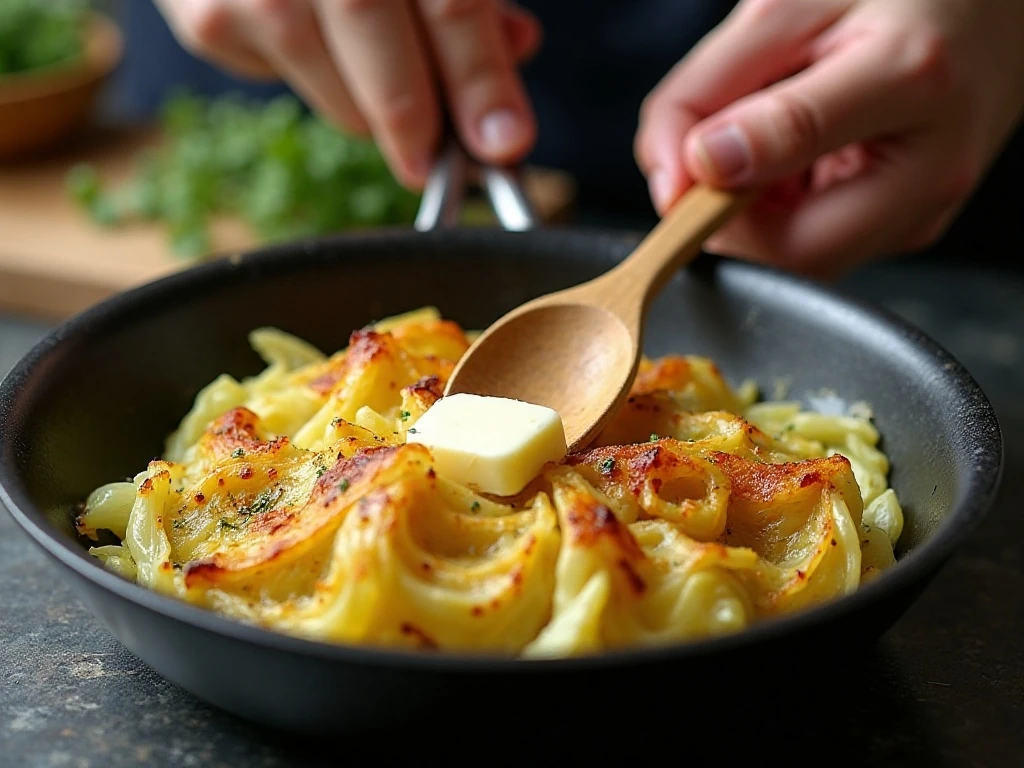
The most important detail is noodle texture. Slightly firm noodles hold together better when they are tossed with the hot cabbage, while overcooked noodles can become soft and break apart.
Season the cabbage mixture before adding the noodles. Plain noodles dilute seasoning, so the cabbage should taste well-seasoned on its own before the pasta enters the skillet.
Use medium heat and stir regularly, but do not stir constantly. Brief contact with the skillet helps the cabbage develop browned edges, which provide much of the finished dish’s flavor.
For bacon haluski, cook and crumble the bacon before beginning the cabbage. You can stir it in at the end so it stays pleasantly distinct, or add a small amount of its rendered fat to the skillet if you enjoy a stronger smoky note.
Kielbasa is another popular addition. Brown sliced kielbasa separately, then fold it in with the bacon step so the sausage remains substantial and does not overcook.
For another recipe that makes a flavorful marinade from everyday ingredients, try this all-purpose Buffalo chicken marinade alongside a separate protein course.
Serving Suggestions
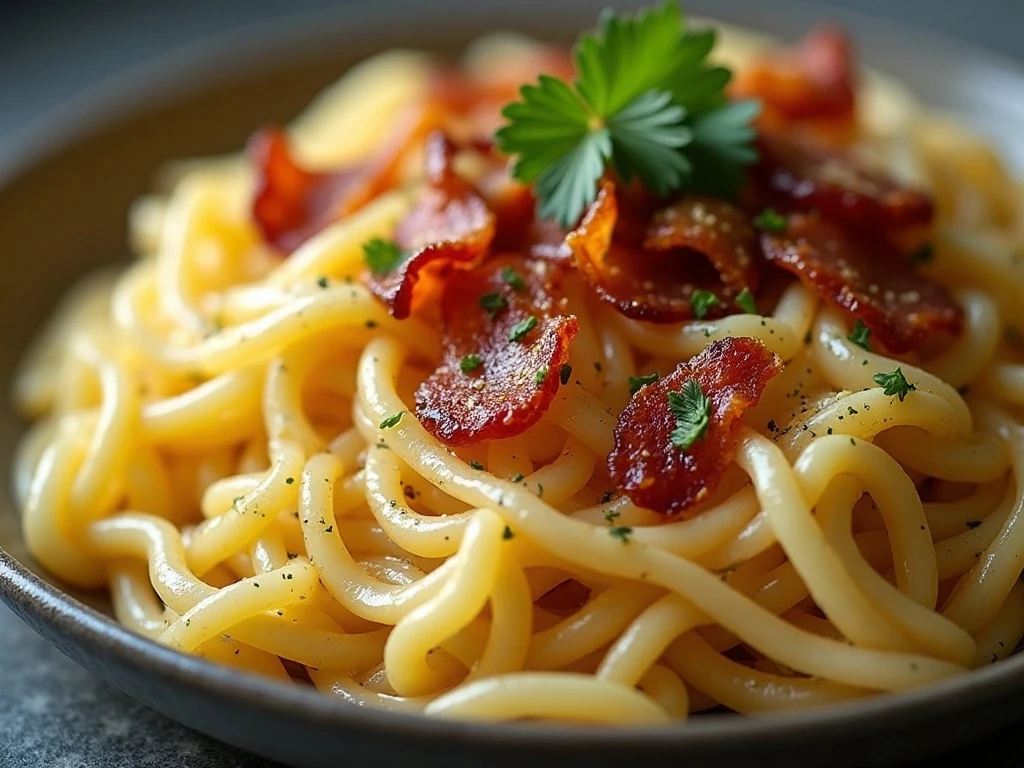
Serve haluski hot, straight from the skillet, while the noodles are glossy and the cabbage is tender. A simple scattering of fresh parsley can add color, though the dish is satisfying without an elaborate garnish.
As a main dish, it pairs well with a crisp green salad, steamed green beans, or roasted vegetables. The buttery noodles also make a comforting side for roasted chicken, pork, or grilled sausage.
If your family enjoys a spicy contrast, offer cracked black pepper or a little hot sauce at the table. For a party spread, a creamy dip such as this easy fiesta dip can provide a lively appetizer before dinner.
Keep portions generous but not overloaded with extras; the charm of haluski is the balance between soft noodles, sweet onion, and tender cabbage.
Storage and Reheating
Let leftovers cool slightly, then transfer them to an airtight container and refrigerate. They are best enjoyed within a few days for the freshest texture.
Reheat individual portions in the microwave, stirring once during heating. For a larger amount, warm the haluski gently in a skillet over medium-low heat with a small splash of water, stirring until hot.
The noodles may absorb some butter as they sit, so gentle reheating helps restore their soft, glossy texture without drying out the cabbage. Avoid high heat, which can make the noodles tough and cause the butter to separate.
For another way to use a savory chicken marinade, keep this second Buffalo marinade idea in your dinner-planning collection.
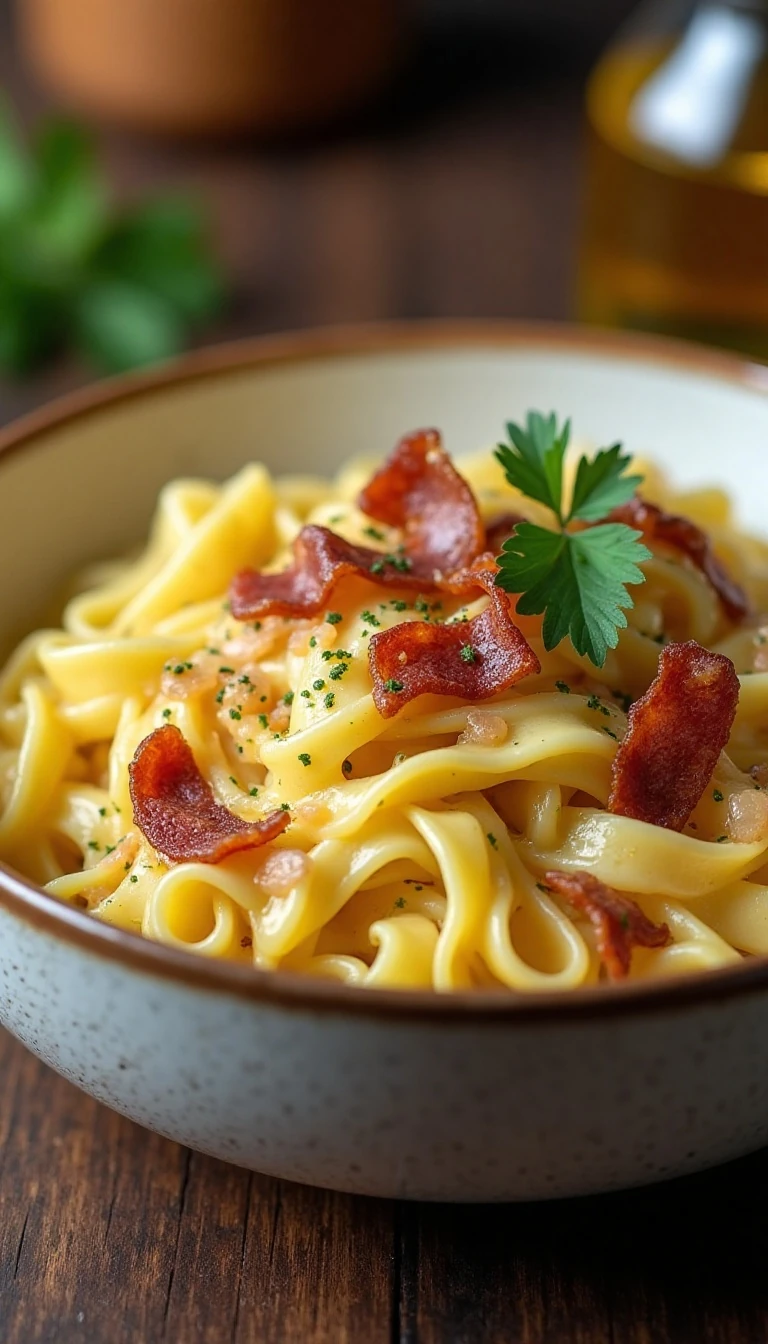
Easy Polish Cabbage and Noodles (Haluski)
Ingredients
Method
- Bring a large pot of generously salted water to a boil. Cook the wide egg noodles according to the package directions until just tender, then drain well without rinsing.
- While the noodles cook, melt the butter in a large skillet or Dutch oven over medium heat. Add the onion and cook for 4–6 minutes, stirring occasionally, until softened and lightly golden.
- Add the sliced cabbage, kosher salt, black pepper, and optional garlic powder. Cook for 10–15 minutes, stirring regularly, until tender with some browned edges; add 1–2 tablespoons of water if the pan becomes dry.
- Add the drained noodles to the cabbage mixture and toss thoroughly. Continue cooking for 2–3 minutes so the noodles absorb the buttery cabbage and onion flavor.
- Stir in the cooked crumbled bacon, if using. Taste the haluski and adjust the salt and pepper before serving.
Notes
Final Thoughts
This easy Polish Cabbage and Noodles recipe is warm, buttery, practical, and full of old-fashioned comfort. With just a few affordable ingredients, you can create a generous meal where browned cabbage, sweet onion, and tender egg noodles each have a starring role.
Cook the noodles just until tender, give the cabbage time to brown, and season the vegetables before combining everything. Add bacon or kielbasa for a meatier plate, or keep the dish meatless for a simple weeknight favorite that the whole family can enjoy.
1 thought on “Easy Polish Cabbage and Noodles Recipe (Haluski)”