This Easy Parmesan Baked Cauliflower Recipe turns one large head of cauliflower into a golden, savory side dish in about 30–35 minutes. Toss bite-size florets with olive oil, garlic powder, kosher salt, black pepper, and Parmesan, then roast at 425°F until tender inside and beautifully browned around the edges.
The finished cauliflower is nutty, crisp-edged, and lightly cheesy without feeling heavy. It is an easy vegetable side for weeknight dinners, holiday tables, or casual gatherings, and a squeeze of lemon adds a bright final note to every warm, roasted bite.
Jump to RecipeWhy You’ll Love This Recipe

Roasting brings out cauliflower’s naturally sweet, mellow flavor while giving the edges a rich, toasted finish. Parmesan adds a salty, nutty coating that clings to the florets, and garlic powder distributes savory flavor evenly with almost no extra prep.
This recipe is especially useful when you want a vegetable side that feels special but does not require a complicated sauce. The ingredient list is short, the preparation takes only 10 minutes, and the oven handles most of the work.
It also fits comfortably beside many kinds of main dishes. Serve it with roasted chicken, grilled steak, baked fish, or a hearty casserole, then finish the meal with something sweet such as these fudgy peppermint brownies.
- Ready in about 30–35 minutes.
- Uses simple pantry and refrigerator ingredients.
- Offers tender centers and browned, crisp edges.
- Works as a holiday side or an everyday vegetable.
Ingredients You’ll Need
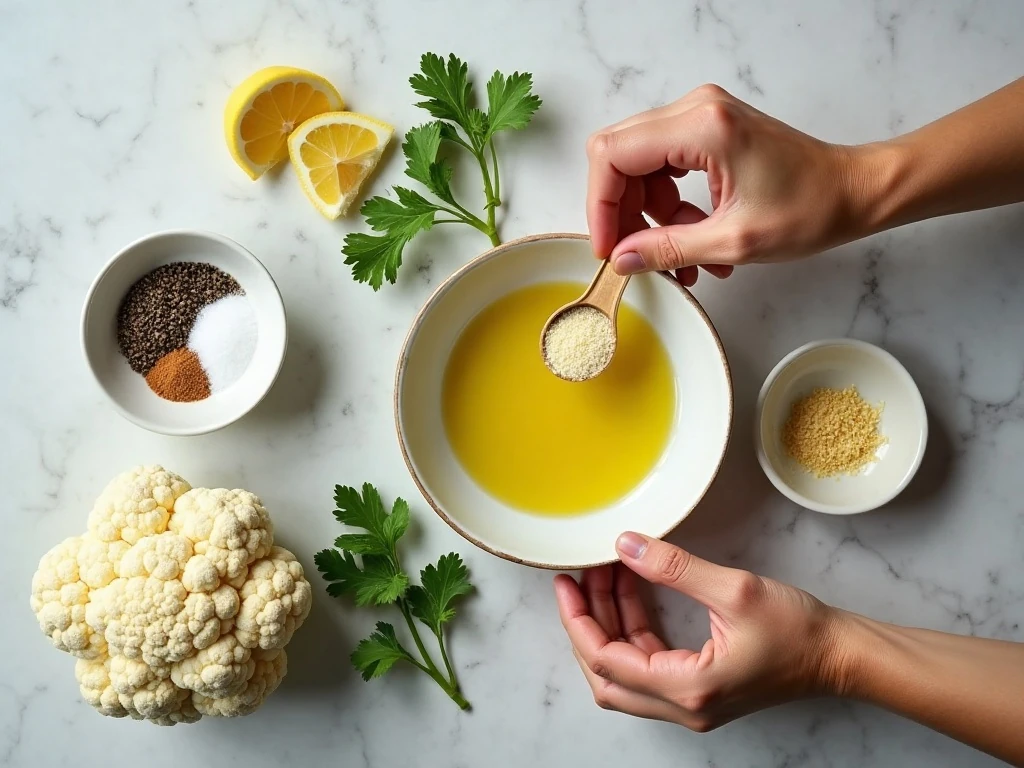
Start with one large head of cauliflower weighing about 2 pounds. Choose a firm head with tightly packed florets and no soft, dark, or wet spots.
Olive oil helps the florets brown and gives the seasonings something to cling to. Use 2 tablespoons, spreading it as evenly as possible so the cauliflower roasts rather than becoming greasy.
Freshly grated Parmesan is the best choice here because it melts and coats the uneven surfaces of the cauliflower more evenly than many pre-shredded products. You will use about 1/3 cup before roasting and reserve the remaining cheese for the last few minutes or for sprinkling at the table.
- 1 large head cauliflower, about 2 pounds, cut into bite-size florets
- 2 tablespoons olive oil
- 1/2 cup finely grated Parmesan cheese
- 1/2 teaspoon garlic powder
- 1/2 teaspoon kosher salt, or to taste
- 1/4 teaspoon freshly ground black pepper
- 1 tablespoon chopped fresh parsley, optional
- Lemon wedges, optional for serving
Parsley brings a fresh green contrast to the browned cheese, while lemon cuts through the richness with a clean, bright flavor. Both are optional, but they make the finished platter look and taste especially inviting.
How to Make It Step-by-Step
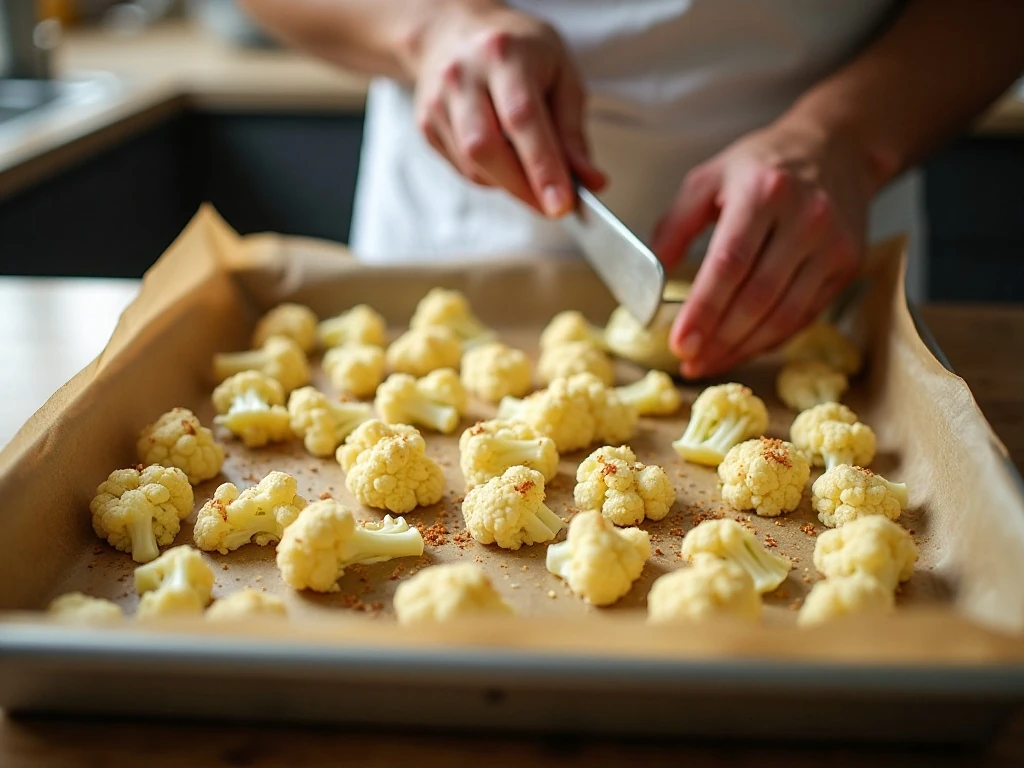
Step 1: Heat the oven to 425°F (220°C). If you want especially crisp contact points, place the empty rimmed baking sheet in the oven while it preheats, or simply line a cool pan with parchment paper for easier cleanup.
Step 2: Wash the cauliflower, then dry it very thoroughly with clean kitchen towels or paper towels. Trim away the leaves and tough stem, and cut the head into evenly sized bite-size florets so the pieces finish cooking at roughly the same time.
Step 3: Add the dry florets to a large bowl. Drizzle in the olive oil, then sprinkle over the garlic powder, kosher salt, black pepper, and about 1/3 cup of the finely grated Parmesan.
Step 4: Toss until every floret has a light, even coating of oil and seasoning. Take a moment to separate any large clusters, since exposed surfaces brown more effectively than tightly packed pieces.
Step 5: Arrange the cauliflower in a single layer on the baking sheet. Leave small gaps between the florets whenever possible; a crowded pan traps moisture and makes the cauliflower steam instead of developing roasted edges.
Step 6: Bake for 20–25 minutes, turning or stirring the cauliflower once halfway through. Look for tender centers and browned edges, adjusting the final minutes according to the size of the florets and the color of the pan.
Step 7: Sprinkle the remaining Parmesan over the cauliflower during the last 3–5 minutes of baking, or add it right after the pan comes out of the oven. This timing gives the cheese a fresh savory flavor and helps prevent it from becoming too dark.
Step 8: Transfer the hot cauliflower to a serving bowl or platter. Garnish with chopped parsley and offer lemon wedges on the side so everyone can add as much brightness as they like.
Chef’s Tips for Golden, Crisp Cauliflower
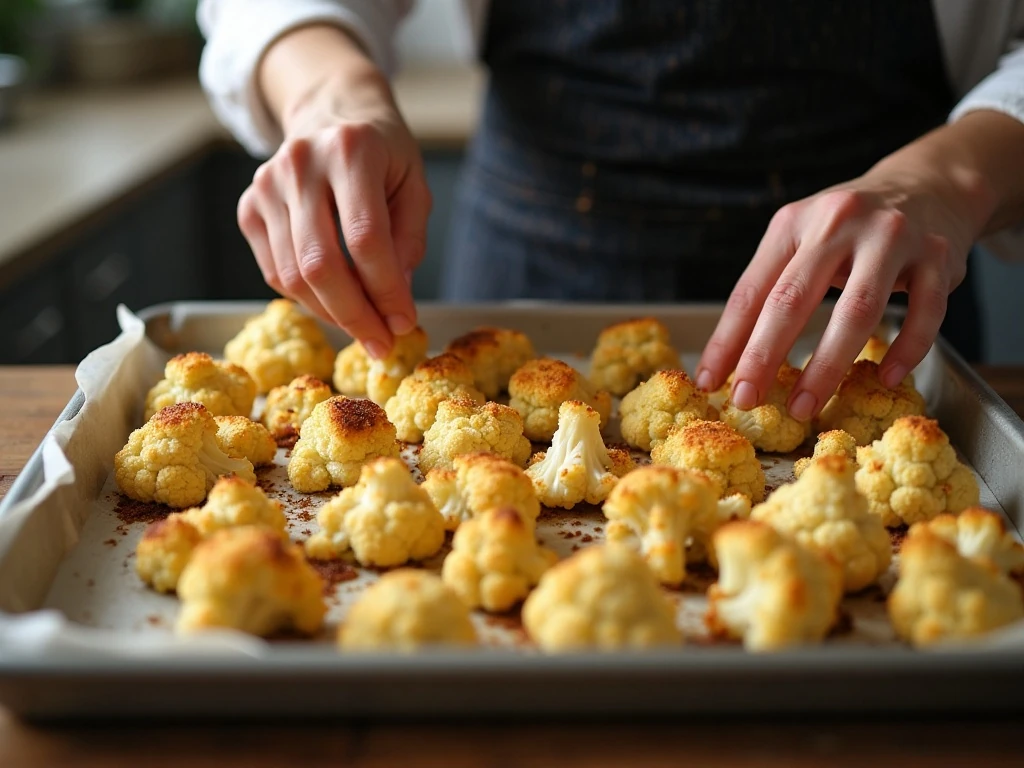
The most important preparation detail is drying the cauliflower well. Water left on the florets creates steam in the hot oven, which can soften the texture and delay browning.
Cutting the florets evenly matters just as much. Very small pieces may become too dark before large pieces are tender, while oversized florets can remain firm in the center after the coating has browned.
Do not pour all the cheese on at the beginning unless you prefer a more deeply browned coating. Reserving some Parmesan for the end protects its delicate flavor and gives the surface a pleasant, freshly grated finish.
- Use a large rimmed baking sheet so the florets have room to spread out.
- Preheat the baking sheet for extra-crisp edges, taking care when adding the oiled cauliflower.
- Turn the florets halfway through for more even browning.
- Grate Parmesan finely so it adheres to the ridges and corners.
- Season modestly at first because Parmesan contributes its own salt.
If you enjoy experimenting, you can replace the garlic powder with 2 minced garlic cloves. Italian seasoning, paprika, or red pepper flakes are also common additions, though the basic version keeps the cauliflower flavor at the center.
For a complete spread, pair this vegetable with a party-friendly fiesta dip as an appetizer. The cool, creamy dip and warm roasted cauliflower make a pleasing contrast for a casual table.
What to Serve with Parmesan Cauliflower
This roasted cauliflower is flexible enough for both simple dinners and larger menus. Its savory Parmesan crust pairs well with mild proteins, while the lemon option gives it enough freshness to sit beside richer dishes.
Serve it with roasted chicken and pan juices, baked salmon, pork chops, or a bowl of beans and grains. It can also stand in for a starch when you want a lighter plate without giving up a satisfying roasted texture.
For a family-style dinner, place the cauliflower in the center of the table and add a small dish of lemon wedges. If you are serving a more indulgent main course, such as this comforting burger-inspired casserole, the crisp vegetable side brings welcome balance.
It also makes a good companion to seafood. Consider serving it alongside our baked coconut shrimp for a dinner with contrasting textures: crisp, sweet coconut on the shrimp and nutty, roasted Parmesan on the cauliflower.
Storage and Reheating

For the best texture, serve Parmesan cauliflower as soon as it comes out of the oven. If you have leftovers, let them cool, place them in an airtight container, and refrigerate them for up to 3 days.
Reheat the cauliflower in a 400°F oven or toaster oven until hot and lightly crisp again. A baking sheet is preferable to a microwave because dry oven heat helps the edges regain some of their roasted texture.
You can also enjoy chilled leftovers in a grain bowl or chop them into an omelet. The flavor remains savory and useful, although the florets will be softer than when freshly roasted.
When planning a menu ahead, wash and cut the cauliflower earlier in the day, then dry it thoroughly and refrigerate it in a covered container. Toss it with the oil and seasonings just before roasting for the best browning.
Simple Variations to Try
The classic garlic-and-Parmesan combination is a dependable starting point, but small changes can suit different meals. Add a pinch of red pepper flakes for gentle heat, paprika for a warmer color, or Italian seasoning for a more herb-forward flavor.
Minced garlic can replace the garlic powder when you want a sharper garlic presence. Add it carefully and toss well with the oil so it does not sit in dry clumps on the baking sheet.
You can also change the presentation by serving the roasted florets over a bed of greens or alongside a lemony yogurt sauce. Keep the core method the same: dry florets, generous space, high heat, and a final Parmesan addition.
For dessert after this cozy meal, our old-fashioned butterscotch pie offers a creamy, caramel-like finish. Its rich sweetness makes the bright lemon-finished cauliflower feel like an ideal first course for the dinner.
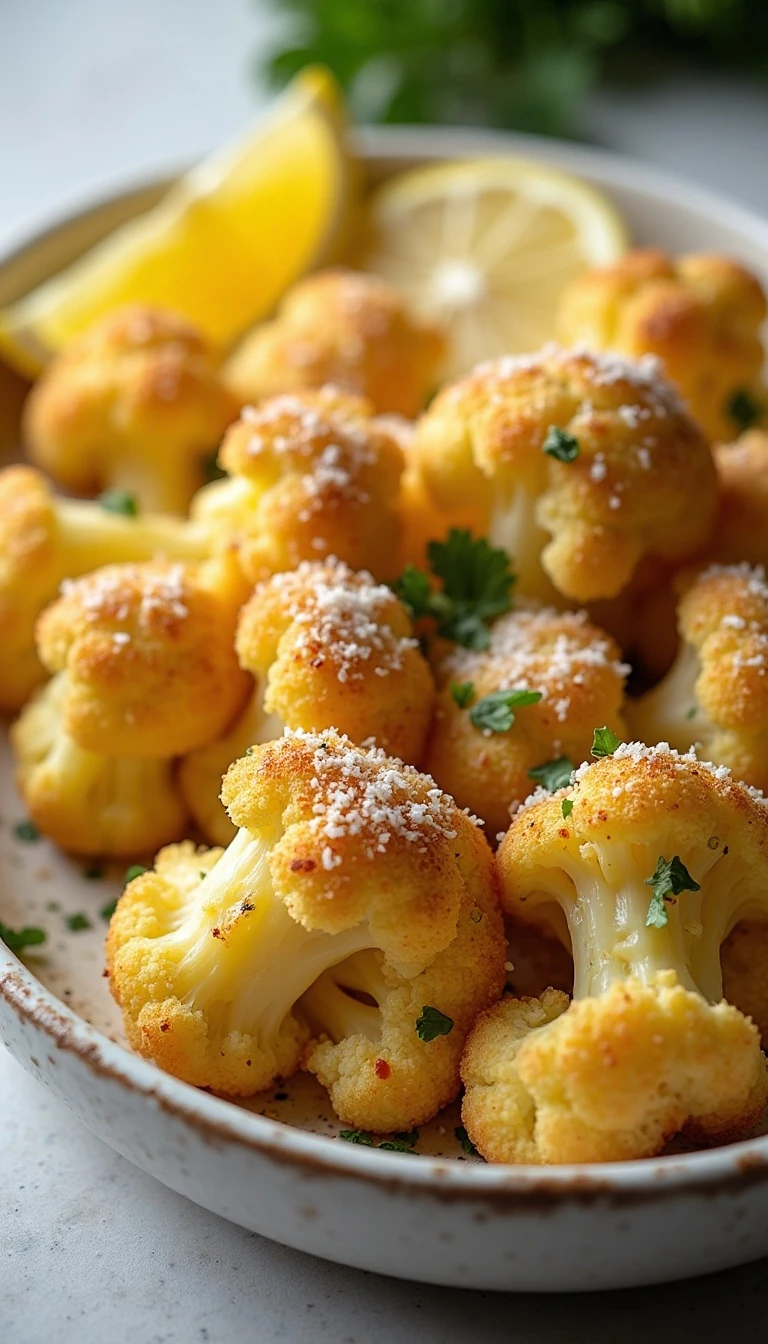
Easy Parmesan Baked Cauliflower
Ingredients
Method
- Heat the oven to 425°F (220°C). Line a large rimmed baking sheet with parchment paper if desired.
- Wash the cauliflower and dry it thoroughly. Cut it into evenly sized, bite-size florets.
- Toss the florets with olive oil, garlic powder, kosher salt, black pepper, and about 1/3 cup of the Parmesan.
- Spread the cauliflower in a single layer on the baking sheet, leaving space between the florets so they roast rather than steam.
- Bake for 20–25 minutes, turning or stirring once halfway through, until the cauliflower is tender and the edges are browned.
- Sprinkle with the remaining Parmesan during the last 3–5 minutes of baking, or add it immediately after removing the pan from the oven.
- Garnish with fresh parsley and serve hot with lemon wedges if desired.
Notes
Final Thoughts
This Easy Parmesan Baked Cauliflower Recipe proves that a few thoughtful details can transform a simple vegetable. High heat creates browned edges, careful drying keeps the texture firm, and freshly grated Parmesan supplies a savory finish that makes each floret tempting.
Remember to leave room on the baking sheet, stir once halfway through, and add some of the cheese near the end. Those small choices help the cauliflower roast evenly while keeping the Parmesan fragrant and pleasantly golden.
Bring the platter to the table while it is hot, scatter over the parsley, and pass lemon wedges alongside. With only 10 minutes of prep and 20–25 minutes in the oven, this is an easy side dish to keep in regular rotation.