This easy Irish soda bread recipe makes one round loaf in about an hour using four basic ingredients: all-purpose flour, baking soda, salt, and buttermilk. There is no yeast and no long rising time; simply mix the soft dough, shape it, cut a traditional cross on top, and bake until deeply golden.
The finished loaf has a crisp, rustic crust and a tender, slightly tangy crumb with a comforting homemade flavor. Serve thick slices warm with butter, alongside soup, or with jam for breakfast, and add raisins, sugar, or butter when you want a sweeter or richer variation.
Jump to RecipeWhy You’ll Love This Recipe
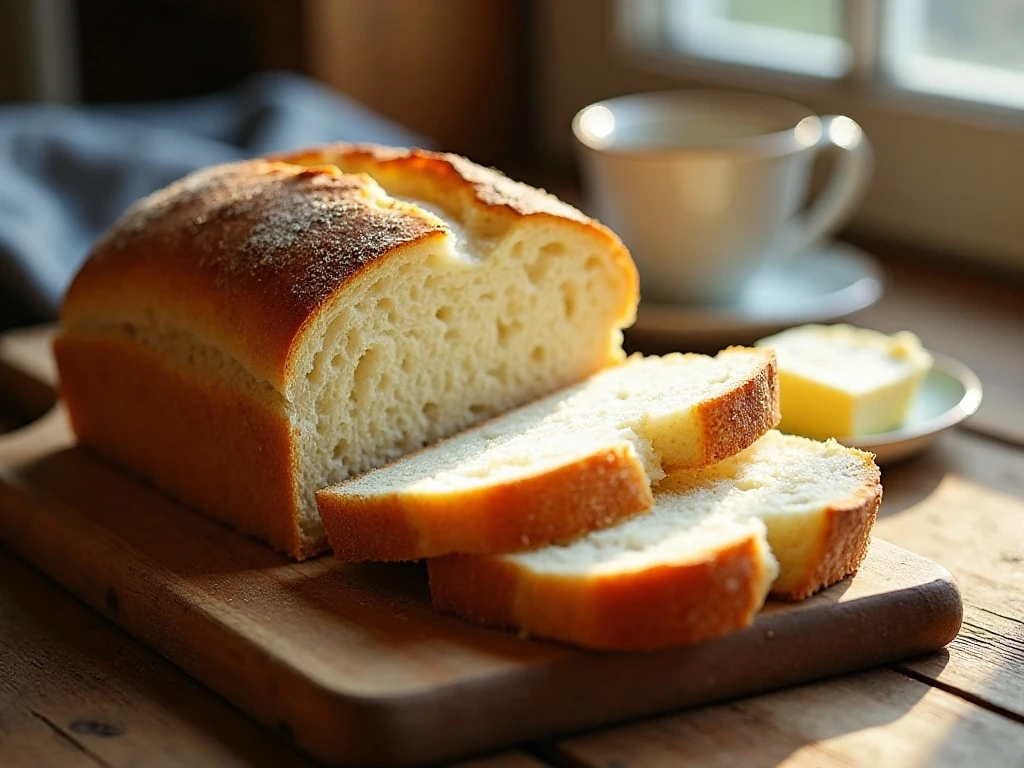
Irish soda bread is one of the most rewarding breads for a busy day because it skips yeast, proofing, and complicated shaping. The chemical reaction between acidic buttermilk and baking soda gives the loaf its lift while keeping the ingredient list wonderfully short.
It is rustic by design, so a rough-looking dough is perfectly welcome. In fact, handling it less usually produces a lighter, more tender loaf than trying to knead it until perfectly smooth.
The flavor is mild, buttery, and gently tangy, with a crisp crust that invites generous slices. If you enjoy baking savory loaves, our olive, bacon, and cheese bread is another delicious choice for a snack table.
Ingredients You’ll Need
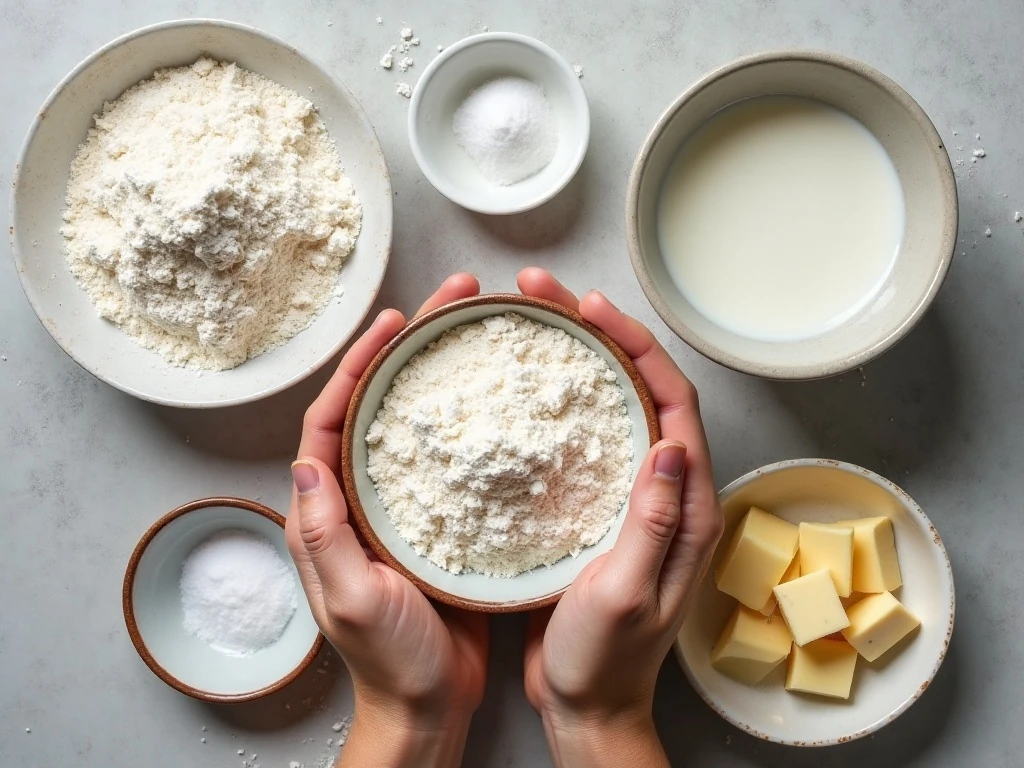
The traditional formula relies on pantry staples, but each ingredient has an important job. Measure the flour accurately and keep the baking soda fresh so the dough reacts properly with the buttermilk.
- All-purpose flour: Four cups, or 500 grams, create the sturdy structure needed for a free-form round loaf.
- Baking soda: One teaspoon provides the leavening when it meets the acidity in the buttermilk.
- Fine salt: One teaspoon balances the flavor and keeps the bread from tasting flat.
- Buttermilk: Use 1 3/4 cups, or 415 ml, plus 1-2 tablespoons more only if the dough is dry.
For a sweeter variation, add 2-4 tablespoons of granulated sugar and 1 cup of raisins or currants. Two to four tablespoons of cold butter cut into small pieces will give the crumb a richer, more tender texture.
If you do not have buttermilk, mix 1 tablespoon lemon juice or white vinegar with enough milk to make 1 3/4 cups. Let it stand for 5 minutes before using it in the dough.
How to Make It Step-by-Step
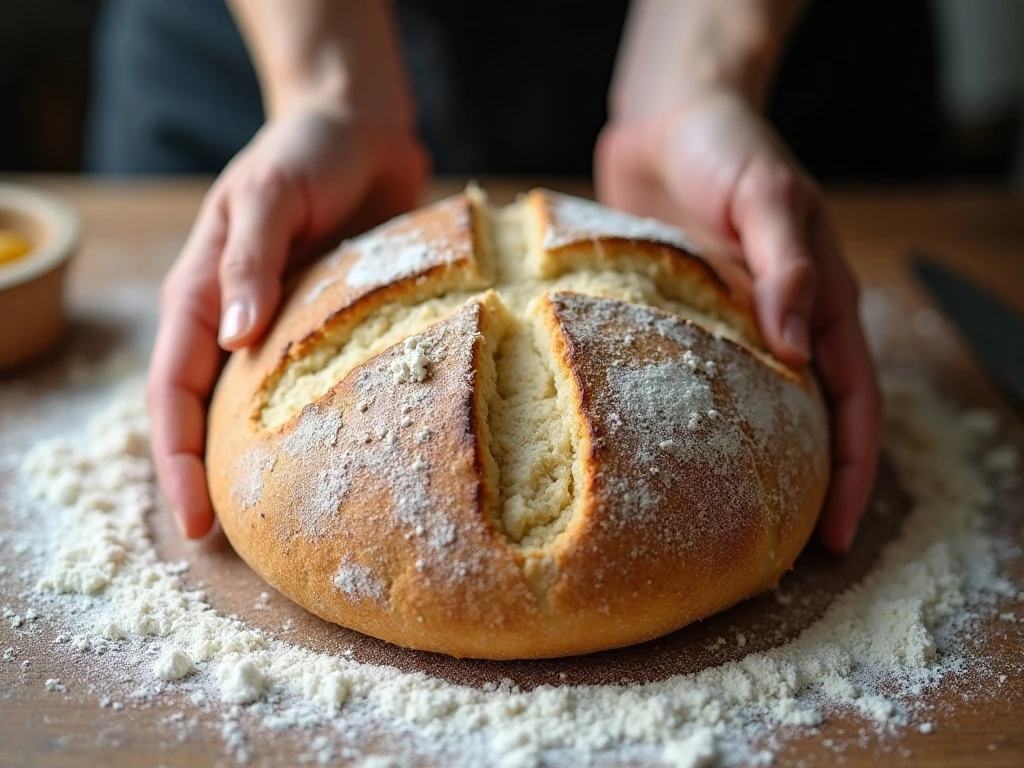
Step 1: Heat the oven to 425°F (220°C) so it is fully ready when the dough is shaped. Line a baking sheet with parchment, or lightly grease a cast-iron skillet or round baking pan.
Step 2: Add the flour, baking soda, and salt to a large mixing bowl, then whisk until evenly combined. Stir in the sugar if you are making a sweeter loaf, and add the raisins or currants before introducing any liquid.
Step 3: If using cold butter, scatter the small pieces over the dry ingredients and work them in lightly with your fingertips until they are distributed. The butter does not need to disappear completely; a few tiny pieces add pleasant richness.
Step 4: Make a well in the center of the flour mixture and pour in most of the buttermilk. Mix with a fork or sturdy spatula just until a shaggy, soft dough forms, adding the remaining buttermilk only if dry flour remains and the dough needs moisture.
Step 5: Turn the dough onto a lightly floured surface and knead it very briefly, for about 20-30 seconds. Bring it together without pressing or working it heavily, since too much handling can make soda bread tough.
Step 6: Shape the dough into a round approximately 6-7 inches wide and 1 1/2-2 inches high. Place it on the prepared pan, keeping the shape compact but not tightly compressed.
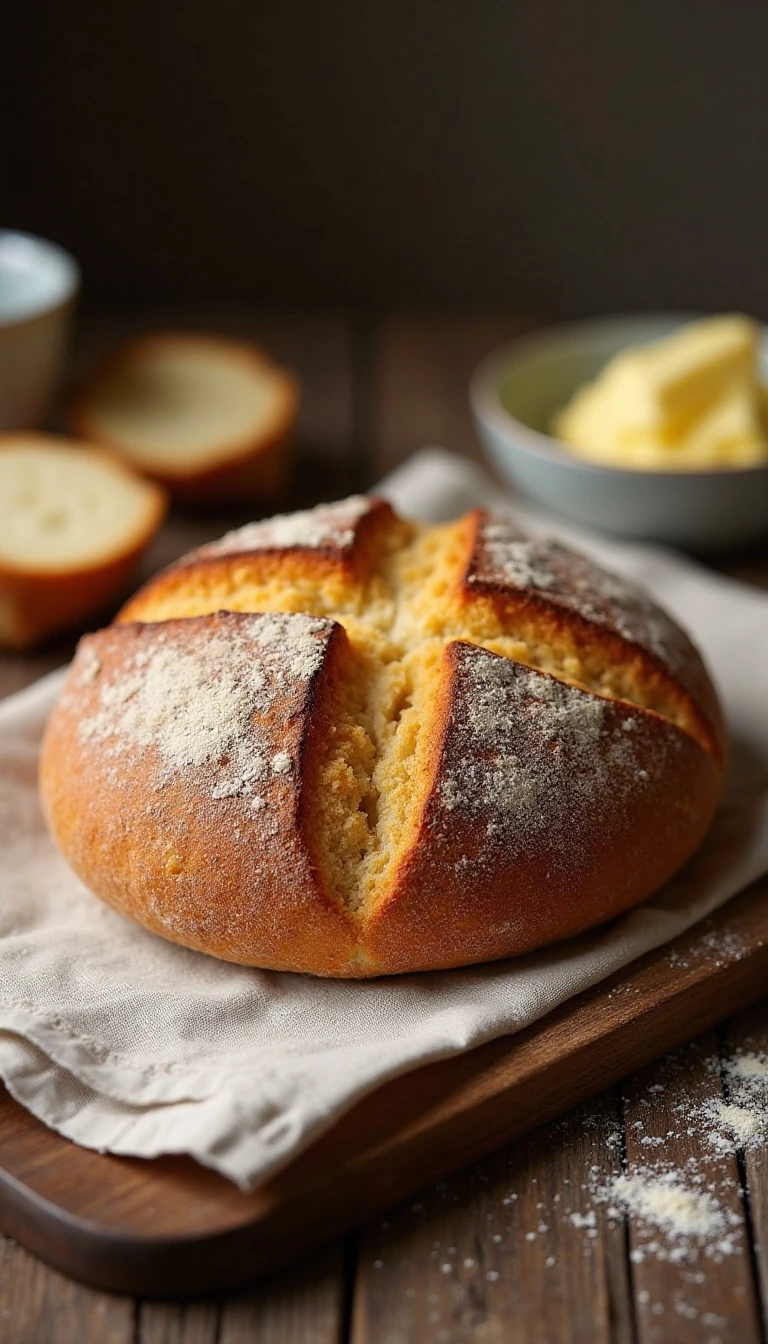
Step 7: Use a sharp knife to cut a deep cross across the top, about 1/2-1 inch deep. This traditional mark helps the center bake properly and allows the loaf to open as it expands.
Step 8: Bake at 425°F (220°C) for 15 minutes, then reduce the temperature to 400°F (200°C). Continue baking for another 25-35 minutes, watching for a deeply golden crust.
Step 9: Check the loaf by tapping its base; it should sound hollow, or use an instant-read thermometer and look for approximately 190-200°F (88-93°C) in the center. Transfer the bread to a rack and let it cool for at least 20-30 minutes before slicing.
Pro Tips for the Best Loaf
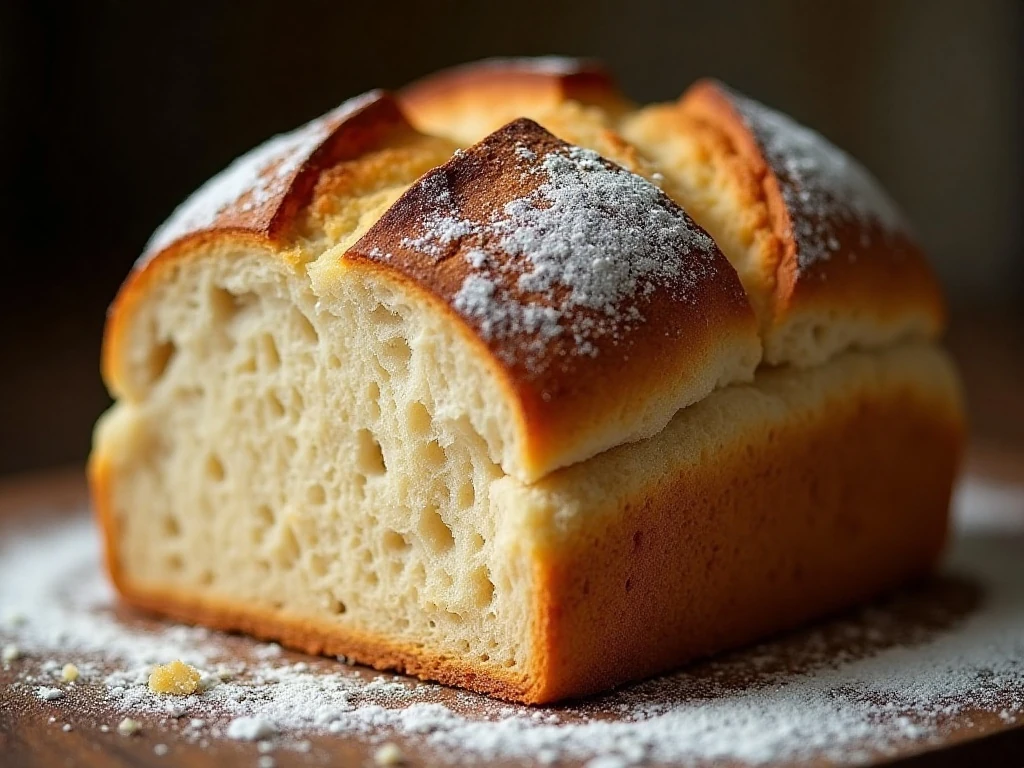
The most important technique is restraint. Soda bread develops toughness quickly, so mix only until the flour is moistened and knead only long enough to bring the dough together.
- Keep the dough soft: Start with most of the buttermilk and add the final 1-2 tablespoons only when needed.
- Use fresh baking soda: Old leavening may leave you with a dense loaf and a less reliable rise.
- Do not skip the cross: The cut helps heat reach the center and gives the bread its familiar appearance.
- Cool before cutting: Resting for 20-30 minutes allows the crumb to finish setting without losing too much moisture.
- Watch the second bake: Reducing the oven from 425°F to 400°F helps the crust brown while the middle continues cooking.
If you like baking projects that are easy to share, keep our easy pretzel bites in mind for another homemade bread treat.
Optional Variations and Serving Ideas
The plain loaf is the classic choice, especially when served warm with salted butter. For a slightly sweeter breakfast bread, add sugar and raisins or currants, then serve it with jam, honey, or softly whipped butter.
A butter-rich version is especially good beside a bowl of soup or stew. The added fat creates a more tender crumb while keeping the bread pleasantly rustic rather than cake-like.
Slice the cooled loaf thickly and toast it for breakfast, or use it as a sturdy base for open-faced sandwiches. A warm slice also pairs beautifully with fruit desserts such as this classic cherry crisp.
Storage, Freezing, and Reheating
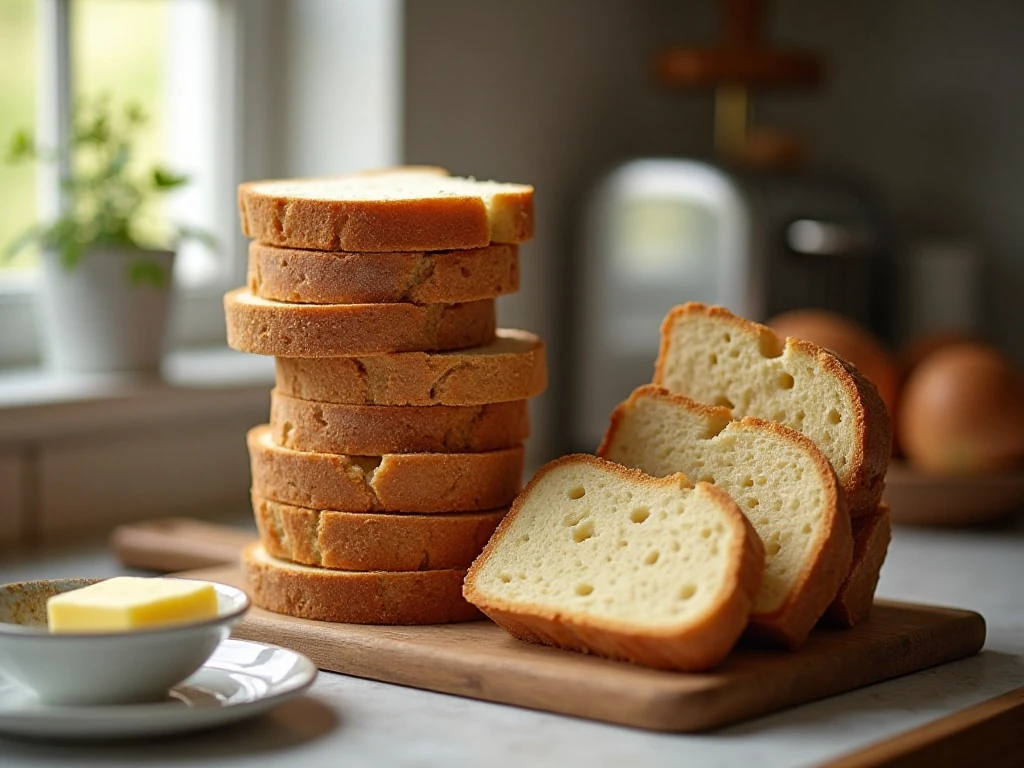
Irish soda bread is best on the day it is baked, when the crust is crisp and the interior is soft. Once completely cool, wrap leftovers well or keep them in an airtight container at room temperature for up to a couple of days.
For longer storage, slice the loaf and freeze the pieces in a well-sealed freezer bag. Thaw individual slices at room temperature, then warm them briefly in a toaster or a low oven until fragrant.
Avoid refrigerating the bread unless necessary, because refrigerator air can make the crumb stale more quickly. If the crust softens during storage, a short warm-up in the oven can bring back some of its pleasant texture.
Recipe Troubleshooting
A dense center is usually caused by too much mixing, an overly dry dough, or baking soda that has lost strength. Make sure the buttermilk is properly acidic, and check doneness by internal temperature or the hollow-sounding base rather than crust color alone.
If the dough spreads, it may contain slightly too much liquid or may not have been shaped firmly enough. Add buttermilk gradually next time, and remember that the finished round should be about 6-7 inches wide and 1 1/2-2 inches high.
If the top browns before the center is ready, continue baking at 400°F (200°C) and loosely cover the loaf with foil if needed. The cross helps the middle cook, but a full loaf still needs the complete 40-50 minute baking range.
For another crisp, snackable homemade idea to serve alongside bread, try these easy keto tortilla chips.
Frequently Asked Questions
Can I make this bread without a cast-iron skillet? Yes. A parchment-lined baking sheet or lightly greased round baking pan works well, as long as the shaped dough has room to brown evenly.
Why does soda bread need buttermilk? Buttermilk supplies the acidity that reacts with baking soda, producing carbon dioxide bubbles that help the yeast-free dough rise.
Can I prepare the dough ahead? It is best to mix and bake it promptly because the baking soda begins reacting as soon as it meets the buttermilk. A short optional rest of 10-15 minutes is possible, but avoid a long wait before baking.
What can I serve with leftover slices? Toast them and top with butter, jam, cheese, or eggs. For a sweet spread, our blueberry crumb bars offer a lovely fruit-forward pairing for a casual brunch.
Irish Soda Bread
Ingredients
Method
- Heat the oven to 425°F (220°C). Line a baking sheet with parchment, or lightly grease a cast-iron skillet or round baking pan.
- Whisk together the flour, baking soda, and salt in a large bowl. Add the sugar if using, then stir in the raisins or currants and rub in the cold butter if making a richer loaf.
- Make a well in the center and pour in most of the buttermilk. Mix with a fork or sturdy spatula just until a shaggy, soft dough forms, adding the remaining buttermilk only if the dough seems dry.
- Turn the dough onto a lightly floured surface and knead very briefly for about 20-30 seconds. Shape it into a round about 6-7 inches wide and 1 1/2-2 inches high, then place it on the prepared pan.
- Use a sharp knife to cut a deep cross across the top, about 1/2-1 inch deep. Bake at 425°F (220°C) for 15 minutes, then reduce the oven to 400°F (200°C) and bake for another 25-35 minutes.
- Bake until the loaf is deeply golden and sounds hollow when tapped on the bottom, or until the internal temperature reaches approximately 190-200°F (88-93°C). Cool on a rack for at least 20-30 minutes before slicing.
Notes
Final Thoughts
This Irish soda bread recipe proves that excellent homemade bread does not require yeast, special equipment, or hours of preparation. With 4 cups of flour, 1 teaspoon each of baking soda and salt, and 1 3/4 cups of buttermilk, you can create a warm round loaf with a crisp crust and tender, tangy center.
Keep your touch light, make the traditional cross, bake until the base sounds hollow, and give the loaf time to cool before slicing. Whether you choose the simple four-ingredient version or add raisins, sugar, or butter, this rustic bread is ready to make an ordinary meal feel special.