These Coconut Shortbread Cookies are buttery, crisp, and easy to make with just a handful of everyday ingredients. Cream softened unsalted butter with sugar, mix in vanilla, flour, and unsweetened shredded coconut, chill the dough for 30–60 minutes, then slice and bake at 350°F (175°C) for 12–16 minutes.
The finished cookies have a tender, sandy shortbread texture, lightly golden edges, and a delicate toasted-coconut flavor. This recipe makes about 24–30 cookies, and the cookies become noticeably crisper as they cool, making them ideal for afternoon coffee, cookie trays, gifting, or a simple dessert.
Jump to RecipeWhy You’ll Love This Recipe

There is something wonderfully satisfying about a classic shortbread cookie. The ingredient list is simple, the method is forgiving, and the result is a cookie with a rich buttery bite that feels special without requiring complicated decorating.
Coconut adds a gentle chew and a fragrant flavor to the crisp shortbread base. Fine or medium unsweetened shreds blend into the dough beautifully, so every bite has coconut character without overpowering the butter and vanilla.
This is also a practical make-ahead cookie. The dough can be shaped into a log, chilled until firm, and sliced whenever you are ready to bake. For another buttery cookie idea, try our peanut butter chocolate chip shortbread for a richer, chocolate-studded variation.
Ingredients You’ll Need
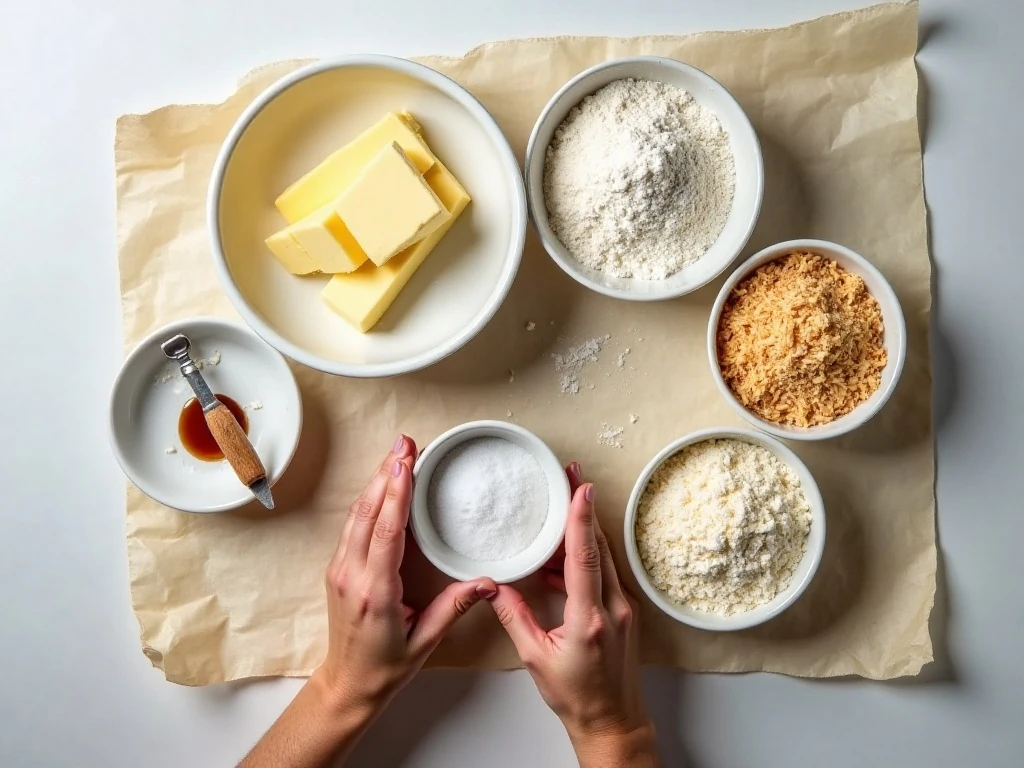
Each ingredient has an important job in this coconut shortbread. Measuring carefully, especially the flour, helps maintain the delicate texture that makes shortbread so appealing.
- Unsalted butter: Use 1 cup, or 226 grams, softened but not melted. Unsalted butter lets you control the salt and provides the rich foundation of the cookies.
- Granulated sugar: Use 1/2 to 2/3 cup, or 100–135 grams. Choose the lower amount if using sweetened coconut so the finished cookies are not overly sweet.
- Vanilla and salt: One teaspoon of vanilla rounds out the flavor, while 1/2 teaspoon fine salt keeps the buttery taste from seeming flat.
- All-purpose flour: Two cups, or 240 grams, give the cookies enough structure to hold their shape while remaining tender.
- Unsweetened shredded coconut: One cup, about 85 grams, adds flavor and a pleasant texture. Fine or medium shred works best.
Coconut extract is optional, but 1/4 teaspoon gives the cookies a more pronounced coconut aroma. You may also use 1/2 cup toasted coconut for deeper flavor, provided it has cooled completely before being mixed into the dough.
How to Make It Step-by-Step

Step 1: Soften the butter at room temperature until it presses easily under a fingertip but still holds its shape. Place it in a mixing bowl with the sugar and beat for about 2 minutes, just until smooth and creamy.
Step 2: Keep the butter mixture moderately creamy rather than whipped and fluffy. Too much air can make shortbread spread during baking, which may blur the edges and change the crisp texture.
Step 3: Add the vanilla extract and fine salt, mixing until evenly distributed. If you are using coconut extract, add the 1/4 teaspoon now so its flavor disperses throughout the dough.
Step 4: Add the all-purpose flour and shredded coconut to the bowl. Mix on low speed, or stir gently by hand, just until the dough comes together and no obvious streaks of dry flour remain.
Step 5: Turn the dough onto a work surface and shape it into a log about 2 inches, or 5 cm, in diameter. Wrap it in parchment or plastic wrap and refrigerate for 30–60 minutes, until firm enough to slice cleanly.
Step 6: Heat the oven to 350°F (175°C) and line baking sheets with parchment paper. Slice the chilled log into rounds about 1/4 inch, or 6 mm, thick, keeping the slices as even as possible.
Step 7: Arrange the rounds about 1 inch apart on the prepared baking sheets. If you prefer shaped cookies, roll the dough to 1/4-inch thickness and cut it with cookie cutters instead.
Step 8: Bake each batch for 12–16 minutes. The cookies are ready when the centers look set and the edges are lightly golden; avoid waiting for the entire surface to become dark.
Step 9: Leave the cookies on the baking sheet for 5 minutes after baking. Transfer them to a cooling rack and let them cool completely, since they become crisper as they lose heat.
Pro Tips for Crisp Cookies
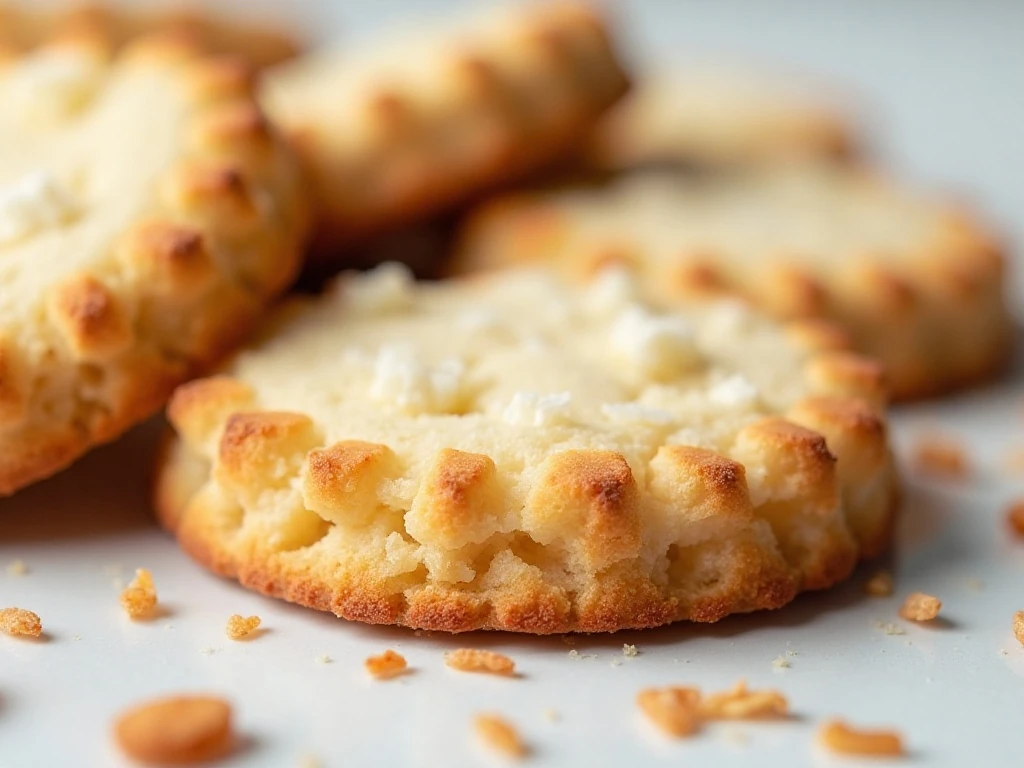
The most important texture tip is to chill the shaped dough before it goes into the oven. Cold dough is less likely to spread, and it gives the cookies cleaner edges and a crisper finish.
Butter temperature also matters. Melted butter can make the dough greasy and difficult to shape, while butter that is too cold may not blend smoothly with the sugar. Softened butter should be pliable, not shiny or liquid.
- Do not overmix: Once the flour disappears, stop mixing. Overworking the dough can make the cookies less tender.
- Use a kitchen scale when possible: The listed gram measurements provide consistent results, especially for flour and coconut.
- Toast carefully: Toast optional coconut in a dry skillet or a 350°F oven until lightly golden, then cool it completely before adding it to the dough.
- Watch the color: Shortbread is best when pale with lightly golden edges, not deeply browned.
- Slice evenly: Uniform slices bake at the same rate, so thinner cookies do not overbake while thicker ones remain soft.
If you enjoy cookies with a more traditional oat-and-spice profile, our oatmeal raisin cookies with pecans are another comforting choice. For a nostalgic iced option, see these old-fashioned iced oatmeal cookies.
Variations and Serving Ideas
The basic recipe is intentionally balanced, making it easy to serve as written or adapt for different occasions. A small amount of coconut extract creates a stronger coconut profile without changing the dough’s structure.
For a pretty presentation, cut the dough into simple rounds or use a small heart-shaped cutter. These cookies also look lovely arranged on a dessert plate with a few curls of coconut nearby.
- Use sweetened coconut only if you reduce the sugar to 1/2 cup.
- Stir in cooled toasted coconut for a deeper, nuttier flavor.
- Serve with coffee, black tea, hot chocolate, or a scoop of vanilla ice cream.
- Package completely cooled cookies in a small tin for a thoughtful homemade gift.
For a flour-free chocolate dessert, you can also browse this flourless chocolate cookie recipe. If you are baking for a celebration, these heart-shaped Valentine cookies offer a festive contrast to the coconut rounds.
Storage and Serving
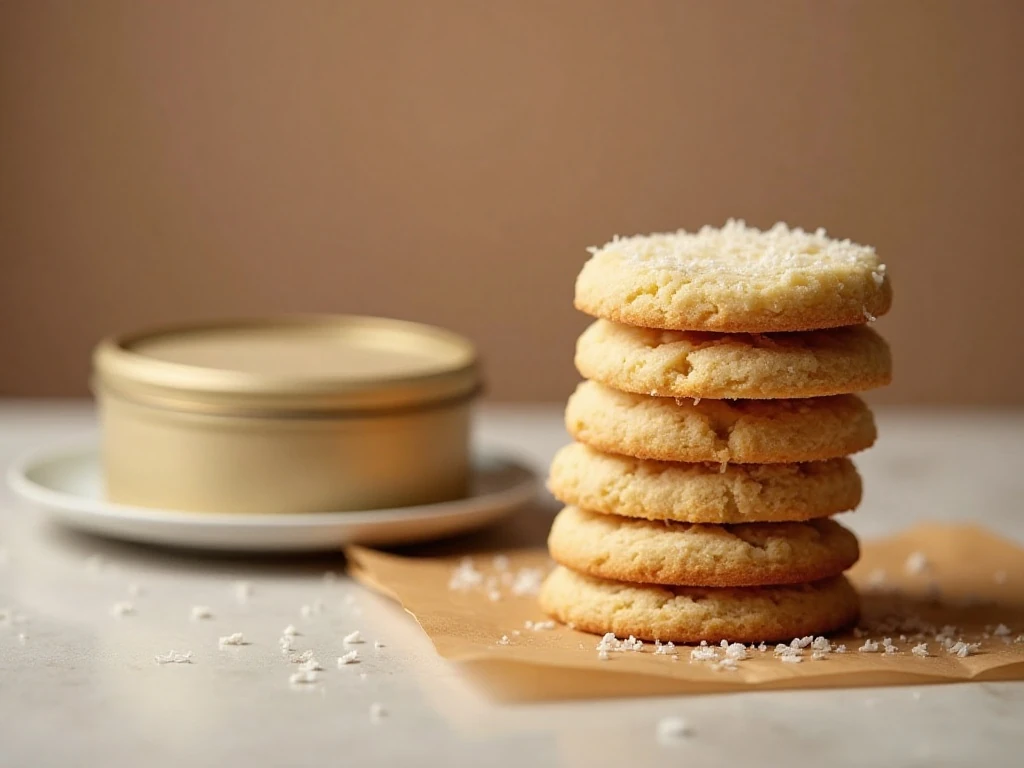
Cool the cookies completely before storing them. Warm cookies release steam into the container, which can soften the crisp texture you worked to create.
Keep the finished cookies in an airtight container at room temperature. Place parchment between layers if you stack them, and serve within several days for the best buttery snap.
The unbaked log can be refrigerated during the 30–60 minute chilling period and sliced when firm. If the dough becomes very hard, let it stand briefly at room temperature so it can be cut without cracking, while still keeping it cool enough to hold its shape.
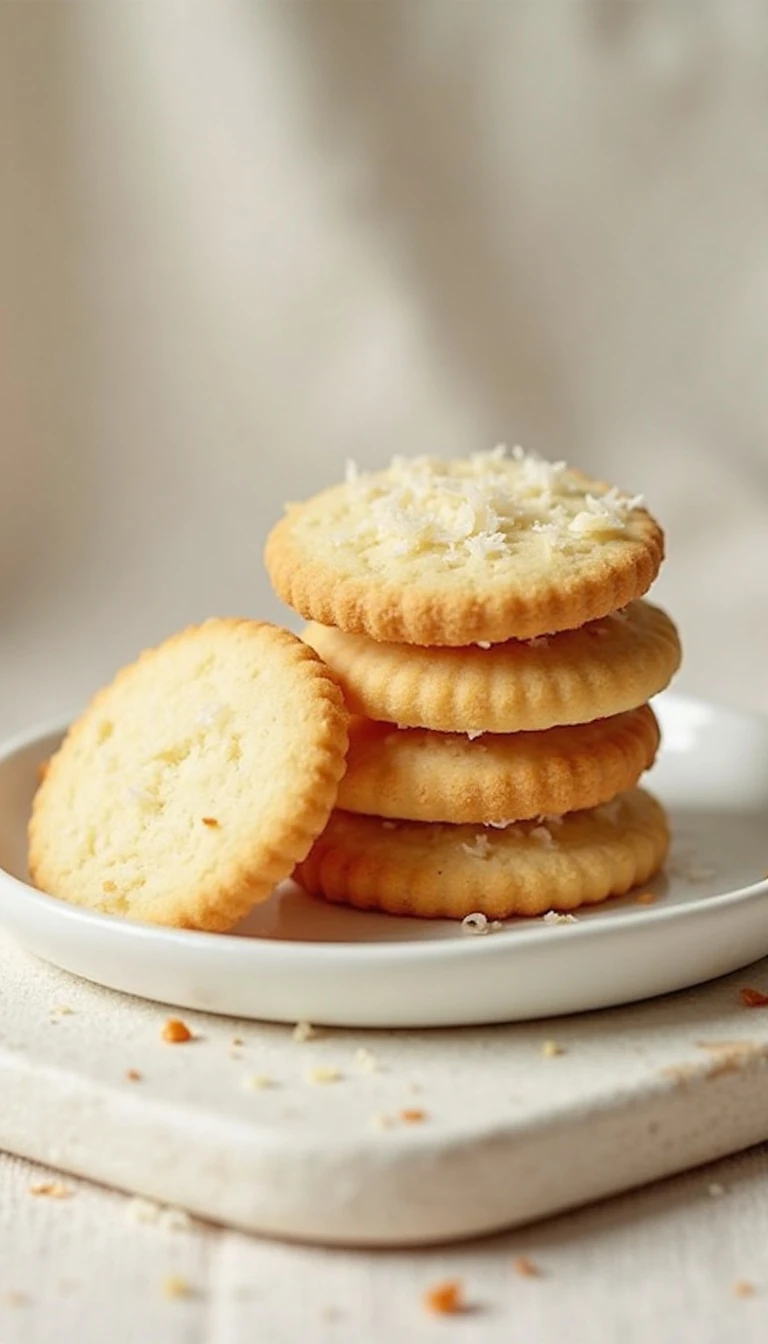
Coconut Shortbread Cookies
Ingredients
Method
- Beat the softened butter and sugar until smooth and creamy, about 2 minutes. Keep the mixture creamy rather than very fluffy, because excessive air can encourage the shortbread to spread.
- Mix in the vanilla extract and fine salt. Add the optional coconut extract at this stage if you want a stronger coconut aroma.
- Add the flour and shredded coconut, then mix just until the dough comes together. Stop mixing as soon as no dry flour remains to keep the cookies tender.
- Shape the dough into a log about 2 inches (5 cm) in diameter, or press it into a disk if you plan to roll and cut shapes. Wrap the dough tightly and refrigerate for 30–60 minutes, until firm.
- Heat the oven to 350°F (175°C) and line baking sheets with parchment paper. Slice the chilled log into rounds about 1/4 inch (6 mm) thick, or roll the dough to that thickness and cut shapes.
- Arrange the cookies about 1 inch apart on the prepared baking sheets. Bake for 12–16 minutes, until the centers look set and the edges are lightly golden rather than deeply browned.
- Let the cookies cool on the baking sheet for 5 minutes before transferring them to a rack. Allow them to cool completely so their signature crisp texture can develop.
Notes
Final Thoughts
Coconut Shortbread Cookies are proof that a short ingredient list can produce an impressive homemade treat. Butter, sugar, vanilla, flour, and coconut come together in a crisp cookie with lightly golden edges and a tender center.
For the best results, keep the butter softened rather than melted, mix only until the dough comes together, and chill the shaped dough before baking. Remove the cookies when they are pale with lightly golden edges, then give them time to cool so their crisp texture can fully develop.
Whether you bake simple rounds for an afternoon snack or cut festive shapes for a cookie platter, this easy coconut shortbread recipe is one you will want to make again and again.