The best cheeses for creamy macaroni and cheese are sharp cheddar for bold flavor, Gruyere for nutty richness, and Monterey Jack or Fontina for an exceptionally smooth melt. This combination creates a sauce that tastes familiar and full-bodied while staying creamy instead of dry or grainy.
This classic flour-thickened macaroni and cheese recipe makes 6–8 servings and takes about 20 minutes to prepare and 30–35 minutes to cook. Freshly grated cheese, slightly undercooked pasta, and gentle heat are the keys to a bubbling casserole with tender noodles and a silky sauce.
Jump to RecipeWhy You’ll Love This Recipe
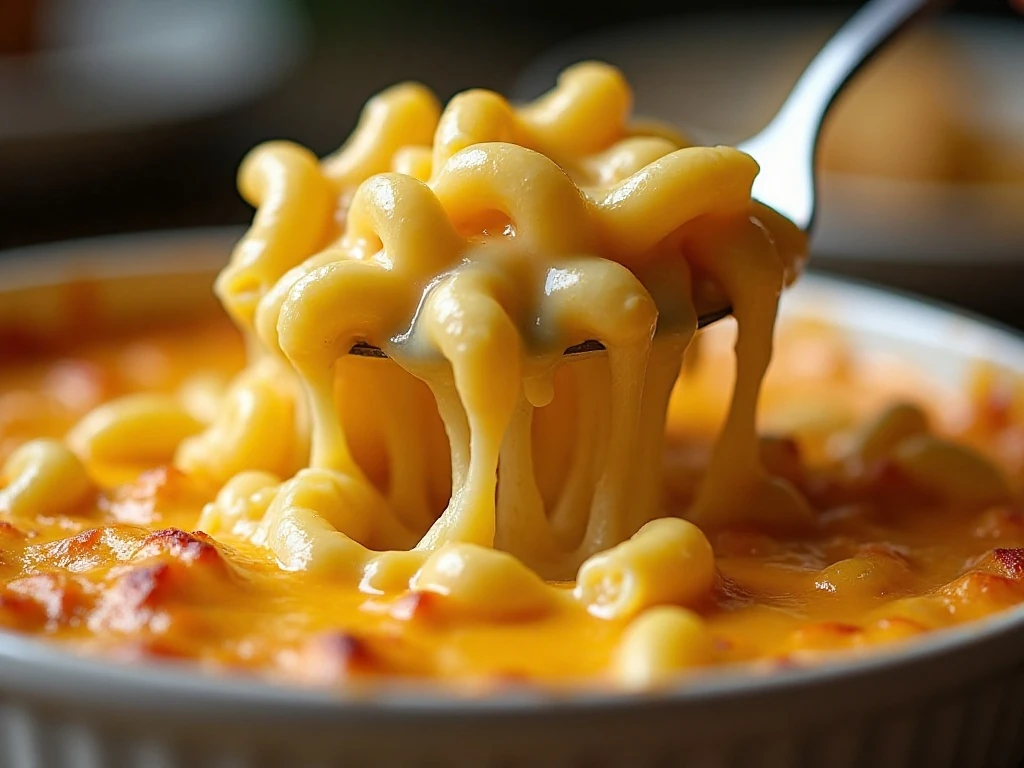
This macaroni and cheese brings together three cheeses with different strengths. Sharp cheddar gives every bite the unmistakable savory flavor people expect, Gruyere contributes a lightly nutty character, and Monterey Jack or Fontina keeps the sauce soft, rich, and wonderfully smooth.
The flour-based sauce is dependable without tasting heavy. Whole milk provides a classic dairy base, while evaporated milk or heavy cream supplies extra body so the sauce clings to the pasta instead of disappearing into the baking dish.
You can serve this recipe straight from the saucepan for the creamiest texture, or bake it with a buttery paprika-panko topping for crisp contrast. It is equally welcome at a family dinner, holiday table, or casual potluck.
For another creamy appetizer to serve before this comforting main dish, try our roasted red pepper dip with toasted bread or vegetables.
Ingredients You’ll Need
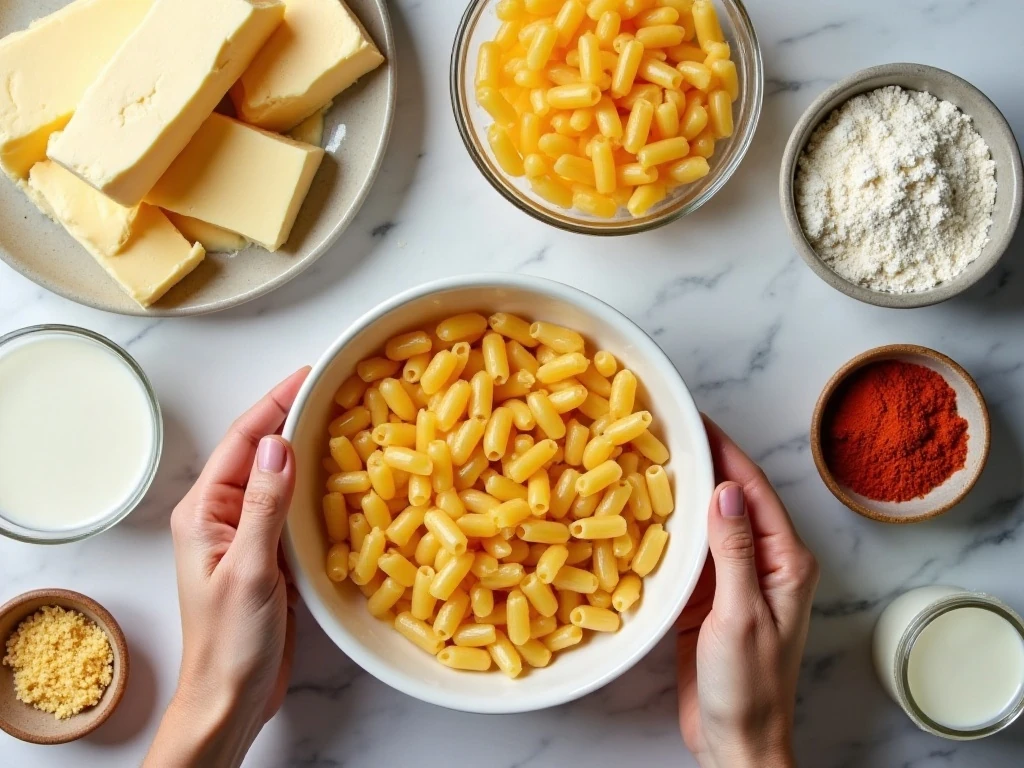
Use elbow macaroni or small pasta shells because their curves and ridges hold the sauce beautifully. Twelve ounces of pasta is enough for 6–8 generous servings when combined with the rich cheese sauce.
- Pasta: 12 ounces elbow macaroni or small pasta shells.
- Roux: 4 tablespoons unsalted butter and 1/4 cup all-purpose flour.
- Dairy: 3 cups whole milk plus 1 cup evaporated milk or heavy cream.
- Seasoning: 1 teaspoon Dijon mustard, 1 teaspoon kosher salt, and 1/2 teaspoon freshly ground black pepper.
- Cheese: 8 ounces sharp or extra-sharp cheddar, 6 ounces Gruyere, and 4 ounces Monterey Jack or Fontina.
- Topping: 1 cup panko, 2 tablespoons melted butter, and 1/4 teaspoon paprika, if baking.
Freshly grate every cheese from a block when possible. Packaged shredded cheese often contains anti-caking agents that can interfere with an especially smooth melt.
If you are planning a brunch spread alongside this dish, our bacon, egg, and cheese bites offer another warm, cheesy option.
How to Make It Step-by-Step
Step 1: Heat the oven to 375°F if you are making the baked version, then butter a 9-by-13-inch baking dish. This preparation keeps the pasta from sticking and makes the finished casserole easy to serve.
Step 2: Bring a large pot of salted water to a boil and cook the pasta 1–2 minutes less than the package instructions. Slightly firm pasta is important because it continues cooking and absorbing sauce in the oven.
Step 3: Drain the pasta thoroughly. Excess water can thin the sauce, so let the noodles drain while you begin the roux.
Step 4: Melt the butter in a saucepan over medium heat, whisk in the flour, and cook the mixture for about 1 minute. The roux should be smooth and lightly cooked, without taking on a dark color.
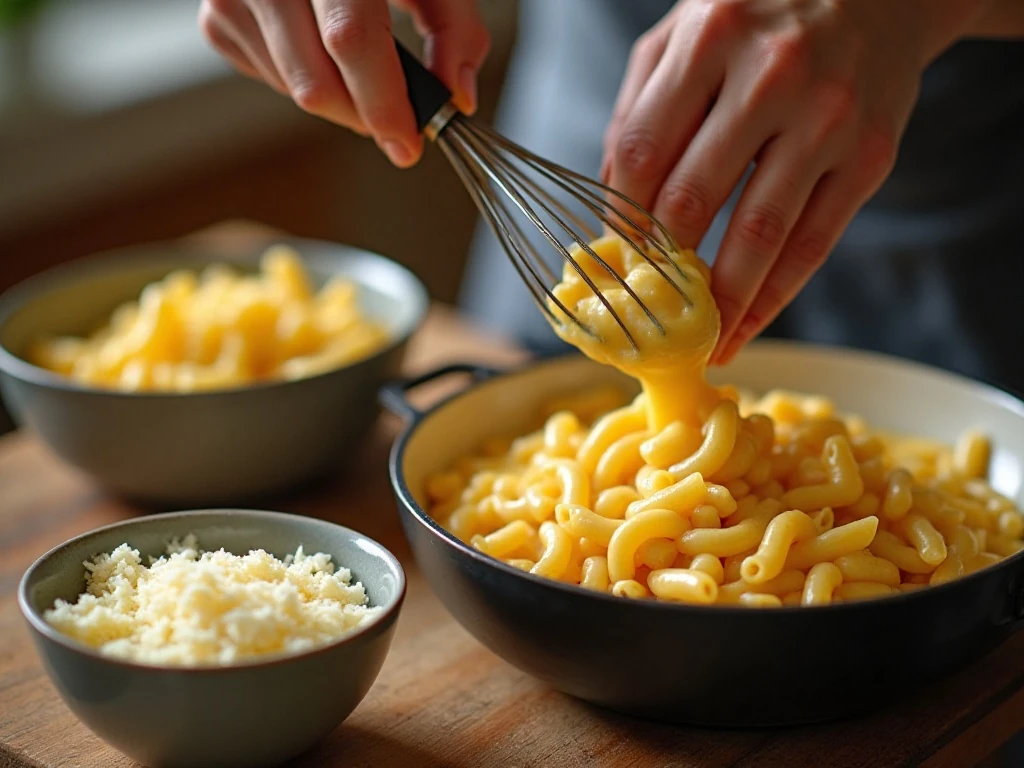
Step 5: Slowly whisk in the whole milk and evaporated milk or heavy cream. Adding the liquid gradually helps prevent lumps, while frequent whisking encourages an even, creamy sauce.
Step 6: Cook the sauce for 5–7 minutes, whisking often, until it thickly coats a spoon. Stir in the Dijon mustard, kosher salt, and black pepper for balanced savory flavor.
Step 7: Remove the pan from the heat before adding cheese. Stir in the cheddar, Gruyere, and Monterey Jack or Fontina in small handfuls, waiting for each portion to melt before adding more.
Step 8: Fold the cooked pasta into the sauce. Take your time so the cheese mixture fills the pasta shapes and the noodles remain coated from edge to edge.
Step 9: Serve immediately for stovetop macaroni and cheese, or transfer the mixture to the buttered baking dish. Combine the panko, melted butter, and paprika if you want a crisp topping, then scatter it over the surface.
Step 10: Bake for 15–20 minutes, until the casserole is hot and bubbling. Broil briefly at the end for extra color, keeping the dish under close watch.
Choosing the Best Cheese Combination
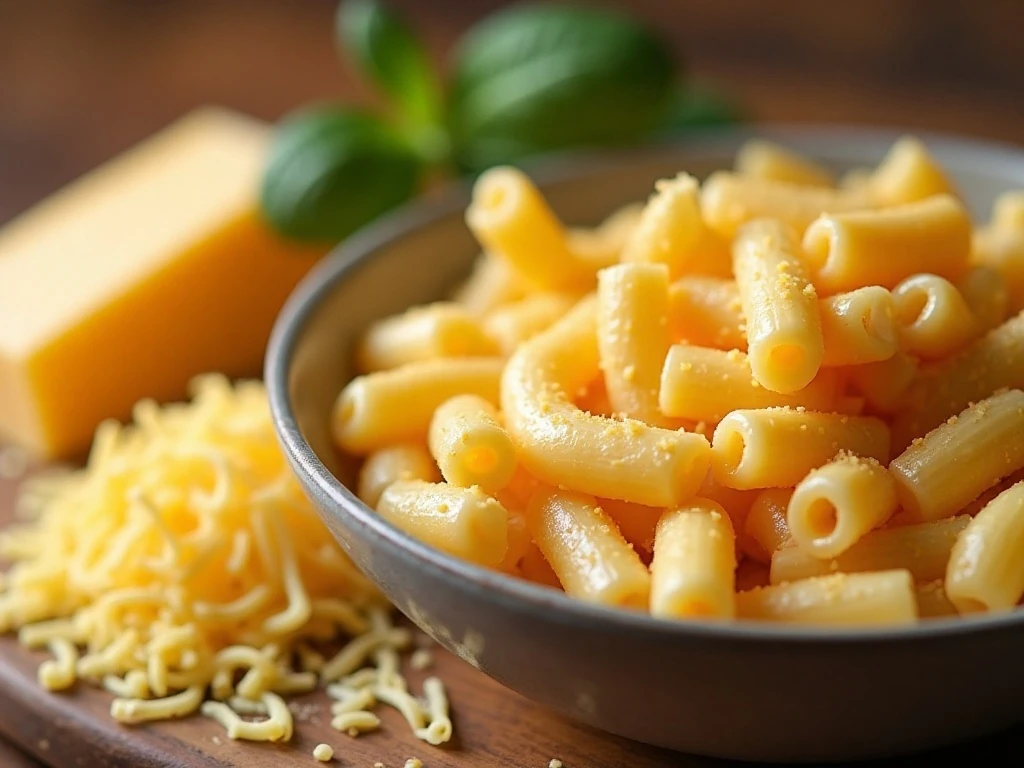
Sharp cheddar is the anchor of this recipe because it provides the strong, familiar flavor that makes macaroni and cheese satisfying. Extra-sharp cheddar creates an even more pronounced taste, while regular sharp cheddar gives a slightly softer finish.
Gruyere melts into a glossy sauce and adds gentle nuttiness without covering up the cheddar. It is a favorite choice for a richer, restaurant-style result and pairs especially well with a crisp breadcrumb topping.
Monterey Jack and Fontina are mild cheeses with excellent melting ability. Either one adds creaminess and helps prevent the finished sauce from becoming dry or grainy.
- Cheddar plus Monterey Jack: Mild, creamy, and family-friendly.
- Cheddar plus Gruyere: Rich and pronounced, with a nutty finish.
- Cheddar plus Fontina: Smooth, mild, and soft-melting.
- Cheddar plus Parmesan: Savory and pleasantly salty, but Parmesan works best as a supporting cheese.
- Colby or Colby-Jack: Reliable melting with a milder flavor.
- Smoked cheddar or smoked Gouda: Delicious in small amounts, since too much smoke can dominate the sauce.
For a cheese-forward appetizer that uses a bold pairing in a different way, see these fig and blue cheese bites.
Chef’s Tips for a Silky Sauce
Keep the heat controlled once the dairy and cheese are involved. High heat can cause the fats and proteins to separate, producing a greasy or grainy sauce rather than the smooth texture you want.
Most importantly, do not boil the cheese sauce after adding the cheese. Removing the pan from the heat allows the residual warmth to melt each handful gently.
Do not worry if the sauce looks slightly loose before baking. The pasta absorbs liquid as it cooks, so a sauce that seems just a little fluid in the saucepan usually produces a creamier baked result.
Evaporated milk is particularly useful for stovetop macaroni and cheese because its concentrated milk solids add body without requiring a large amount of flour. Heavy cream also works when you want a fuller, richer mouthfeel.
Season in layers, but taste before adding extra salt. The cheddar, Gruyere, and pasta water all contribute seasoning, and the final balance is easier to control when you adjust gradually.
Serving, Storage, and Reheating
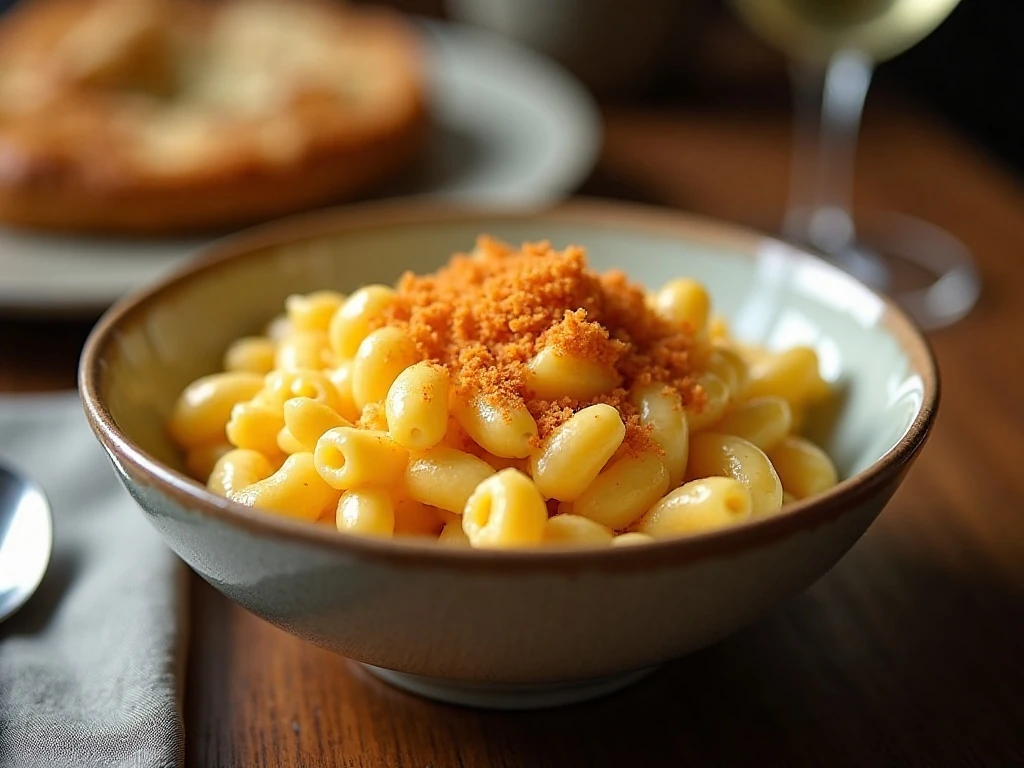
Serve baked macaroni and cheese after a short rest so the bubbling sauce can settle slightly while remaining molten and creamy. A green salad, roasted vegetables, or crisp pickles can balance the richness.
For a comforting soup-and-supper menu, pair a small portion with black-eyed pea soup. The hearty beans and vegetables make a satisfying contrast to the buttery pasta.
Refrigerate leftovers in a covered container. When reheating, use gentle heat and stir in a small splash of milk if the sauce has thickened, since the pasta continues to absorb moisture as it cools.
Stovetop leftovers generally retain the softest texture, while baked leftovers may have firmer edges and a more set center. Reheat only the portion you plan to eat for the best consistency.
This dish also belongs on a festive buffet with cool, creamy sides such as our creamy cranberry salad, especially when the meal needs a sweet-tart contrast.
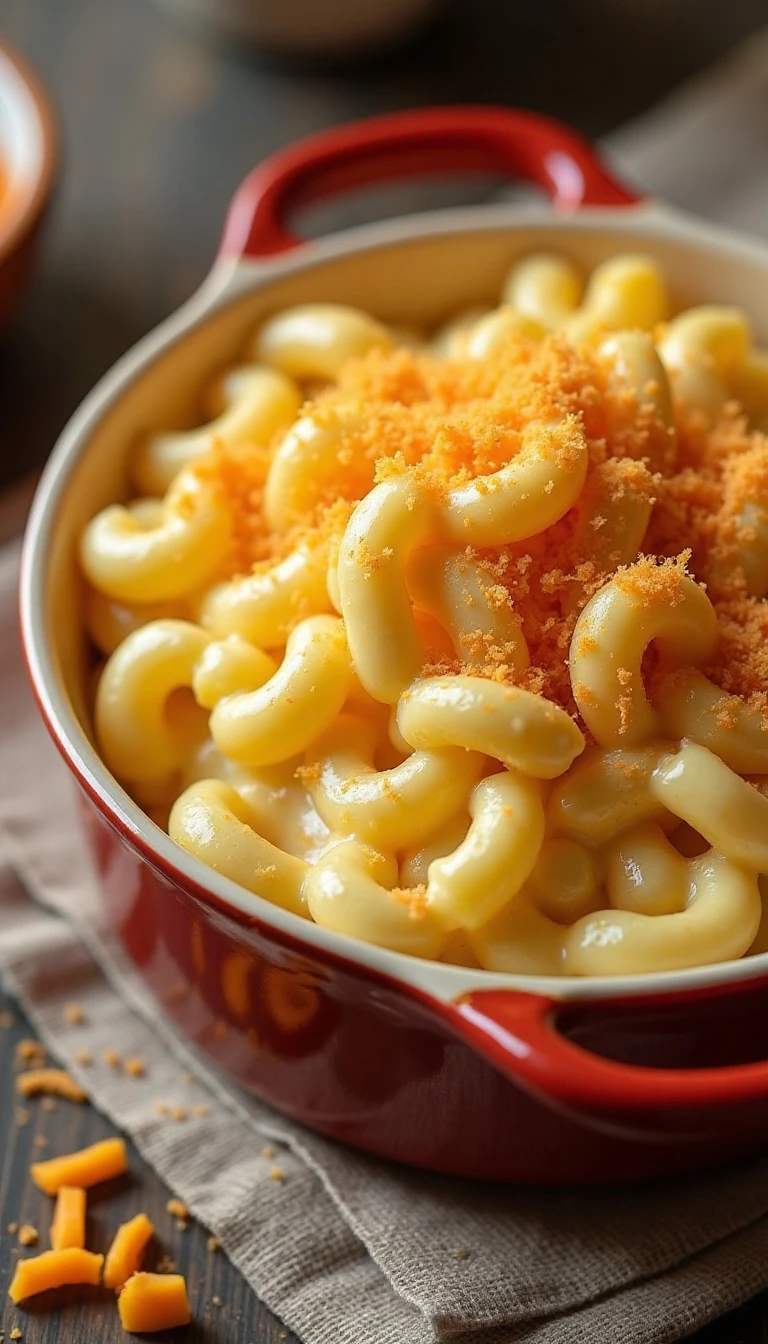
Best Cheeses for Creamy Macaroni and Cheese
Ingredients
Method
- Heat the oven to 375°F for baked macaroni and cheese, and butter a 9-by-13-inch baking dish. For a stovetop version, skip the oven and dish preparation.
- Bring a large pot of generously salted water to a boil. Cook the macaroni or shells for 1–2 minutes less than the package directions, then drain well while the pasta is still slightly firm.
- Melt the butter in a saucepan over medium heat. Whisk in the flour and cook for about 1 minute, stirring constantly, until the mixture forms a smooth roux.
- Gradually whisk the whole milk and evaporated milk or heavy cream into the roux. Continue cooking and whisking frequently for 5–7 minutes, until the sauce thickens enough to coat a spoon.
- Stir in the Dijon mustard, kosher salt, and freshly ground black pepper. Taste the seasoned sauce carefully before adding the cheese, keeping in mind that cheddar and Gruyere also bring salt.
- Remove the saucepan from the heat. Add the cheddar, Gruyere, and Monterey Jack or Fontina a handful at a time, stirring until each addition melts before adding the next.
- Fold the drained pasta into the cheese sauce until every noodle is coated. The sauce should look a little loose because the pasta will continue absorbing it during baking.
- For stovetop macaroni and cheese, serve immediately while the sauce is at its creamiest. For baked macaroni and cheese, transfer the mixture to the prepared 9-by-13-inch dish.
- If using the topping, combine the panko breadcrumbs with the melted butter and paprika. Sprinkle the mixture evenly over the pasta.
- Bake for 15–20 minutes, until hot and bubbling around the edges. Broil briefly at the end if you prefer a more browned topping, watching closely so the crumbs do not burn.
Notes
Final Thoughts
The best cheese blend for creamy macaroni and cheese is sharp cheddar, Gruyere, and Monterey Jack or Fontina. Together, they deliver bold flavor, nutty depth, and the smooth melt that keeps every spoonful rich without becoming heavy or grainy.
Grate the cheese yourself, melt it off the heat, and slightly undercook the pasta before combining everything. Serve it immediately for a luxurious stovetop meal, or add the paprika-seasoned panko and bake until bubbling for a golden family-style casserole.
Once you try this balanced combination, you can adjust the blend to suit your table: add a little Parmesan for savory intensity, use Colby-Jack for a milder profile, or include a small amount of smoked cheese for extra character. Keep the smoked variety restrained, and let the creamy cheddar-based sauce remain the star.