This browned butter garlic mashed cauliflower recipe is a creamy, savory side dish made with one large head of cauliflower, unsalted butter, fresh garlic, salt and pepper. Steaming the cauliflower for 8–10 minutes, drying it thoroughly and blending it with fragrant browned butter creates a smooth mash in about 30 minutes.
Every spoonful has the nutty flavor of amber-golden butter, mellow roasted garlic notes and a rich, velvety texture. Optional cream cheese and Parmesan make it extra luxurious, while the dairy-light version keeps the focus on cauliflower, garlic and beautifully toasted butter.
Jump to RecipeWhy You’ll Love This Recipe
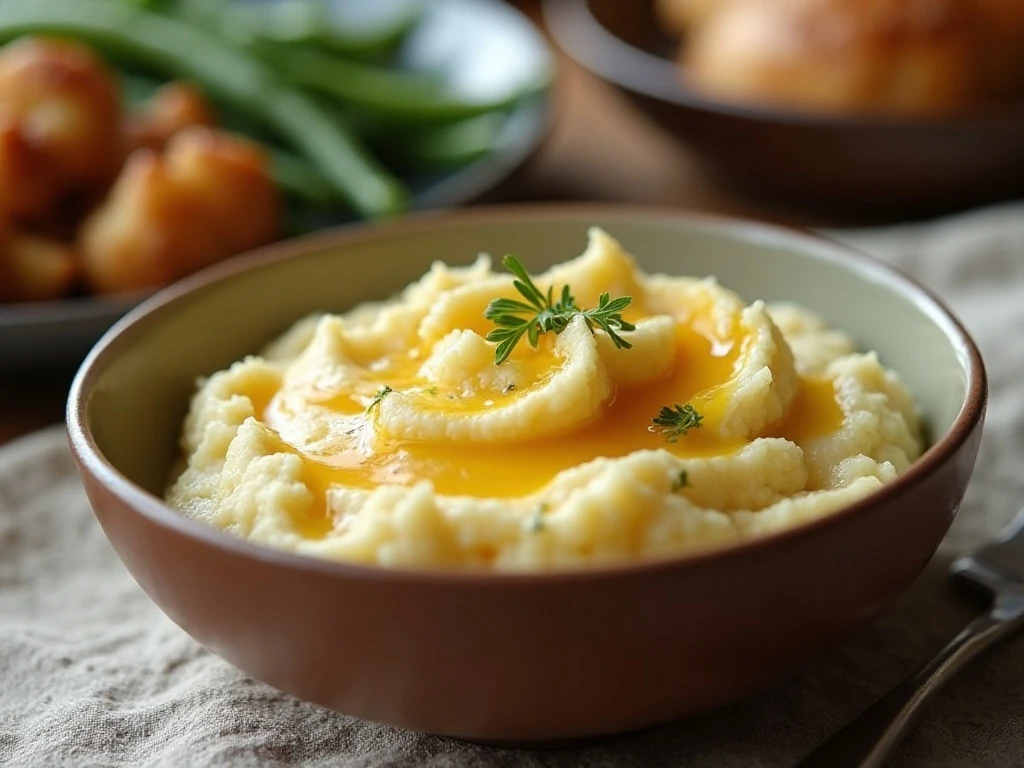
This is the kind of side dish that can stand beside a holiday roast, a weeknight chicken dinner or a simple grilled entrée without feeling ordinary. The cauliflower becomes remarkably creamy, while browned butter supplies the deep, toasted flavor usually associated with more elaborate sauces.
Unlike a heavy potato mash, this recipe lets the vegetable remain the main ingredient. The finished texture is smooth and spoonable, with enough richness from the butter to feel comforting without requiring a long ingredient list.
The recipe is also flexible. Use the cream cheese and Parmesan for a fuller, cheesier mash, or leave both out for a dairy-light version made with browned butter, garlic, salt and pepper.
If you enjoy cauliflower in another savory form, try our Parmesan roasted cauliflower for crisp, golden edges and a completely different texture.
Ingredients You’ll Need
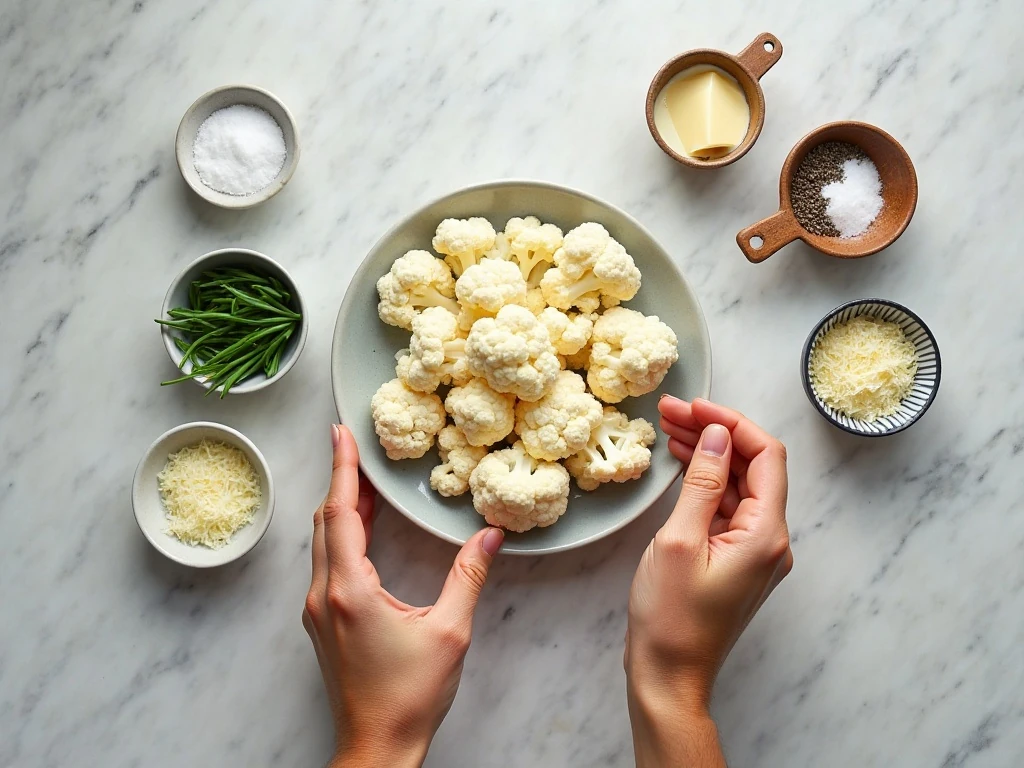
Start with one large head of cauliflower weighing about 2–2 1/2 pounds. Cut it into evenly sized florets so every piece becomes tender at the same time.
- Cauliflower: The base of the mash, providing a mild flavor and creamy consistency when cooked thoroughly.
- Unsalted butter: Four tablespoons give the dish its nutty browned-butter character and allow you to control the salt.
- Garlic: Three to four finely minced cloves bring savory warmth. Adding them at the end protects them from scorching.
- Cream cheese: Two softened tablespoons are optional, but they make the mash especially smooth and rich.
- Parmesan: Two tablespoons of finely grated cheese add a salty, savory finish.
- Seasoning: Use 1/2 teaspoon kosher salt to begin and 1/4 teaspoon freshly ground black pepper, then taste before serving.
- Milk or cream: Keep 1–2 tablespoons nearby, but add it only if the blended cauliflower needs loosening.
- Fresh herbs: A tablespoon of chopped parsley or chives adds color and a fresh contrast.
For a related garlic-forward dinner idea, pair this mash with our honey garlic chicken. The sweet-savory chicken and buttery cauliflower make a satisfying plate.
How to Make It Step-by-Step
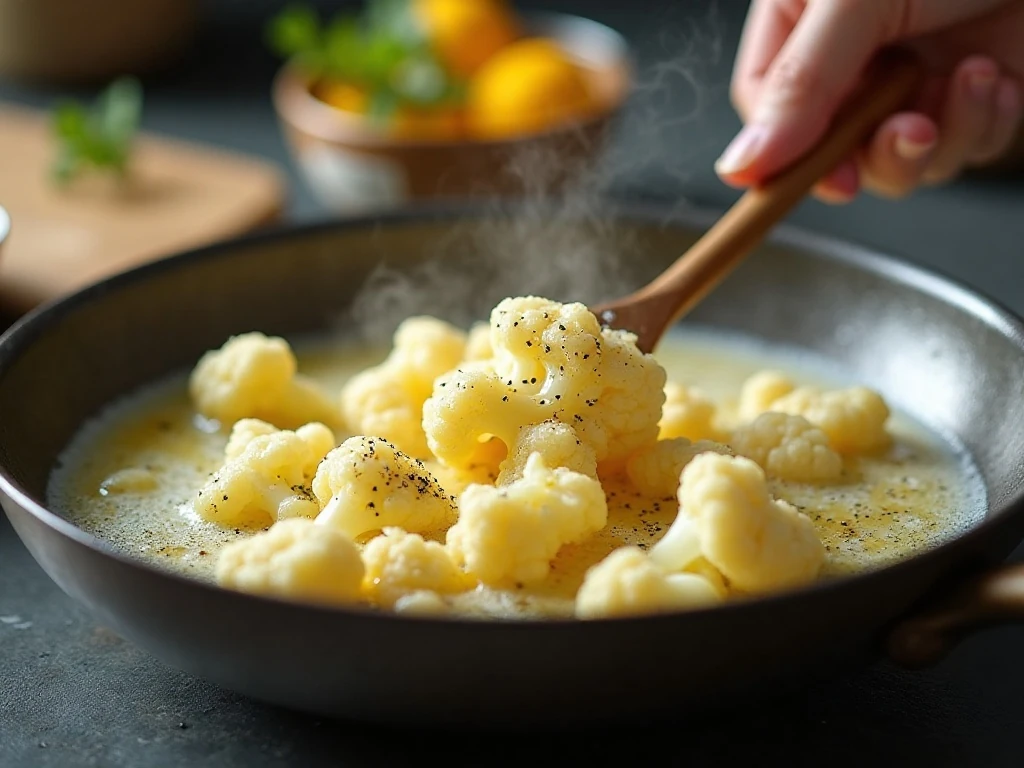
Step 1: Prepare the cauliflower by removing the leaves and cutting the head into florets. Rinse the pieces, place them in a steamer and cook for 8–10 minutes, until a fork slides through easily. Tender cauliflower is essential because undercooked pieces will not blend into a smooth mash.
Step 2: Drain the cooked cauliflower exceptionally well. If it feels wet, return it to the warm pot over low heat for 1–2 minutes, stirring occasionally to allow extra moisture to evaporate. This brief drying step is one of the best ways to prevent thin or soupy cauliflower mash.
Step 3: While the cauliflower cooks, melt the butter in a light-colored skillet over medium heat. A pale skillet makes it easier to see the milk solids changing color, which helps you stop at the right moment.
Step 4: Continue cooking the butter for about 3–5 minutes. It will foam first, then the milk solids will turn amber-golden and the aroma will become nutty. Add the minced garlic during the final 30–60 seconds, stirring constantly until fragrant.
Step 5: Remove the skillet from the heat promptly when the butter is golden and aromatic. The goal is toasted, nutty flavor, not dark brown or black butter; carryover heat will continue cooking the garlic slightly.
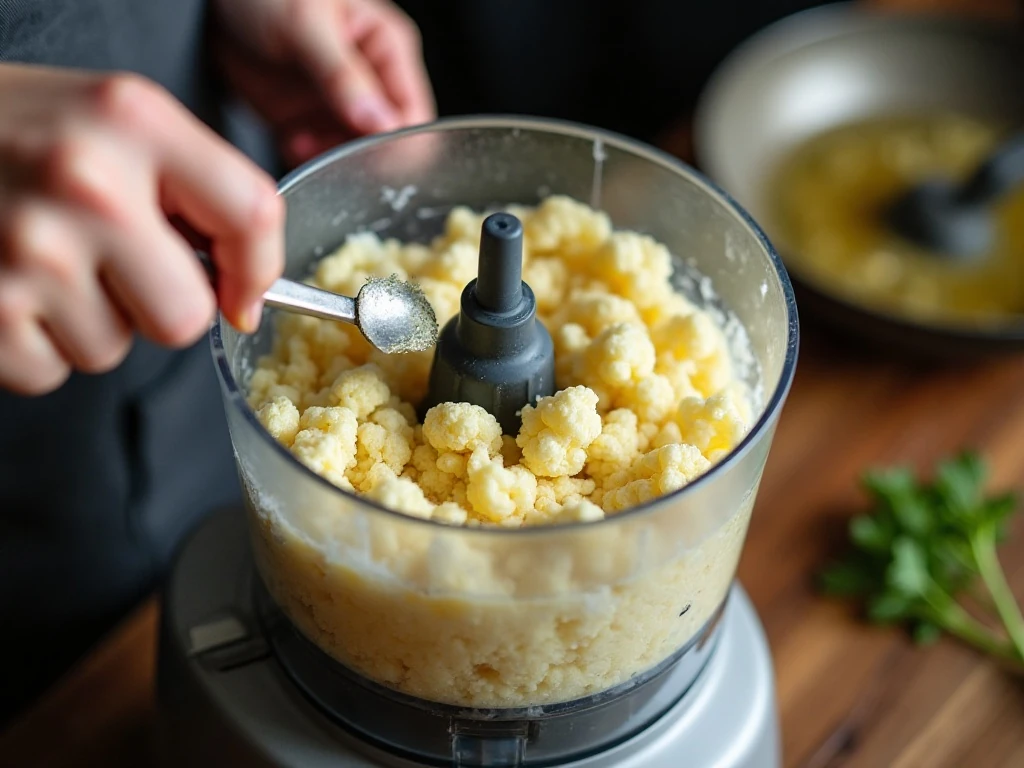
Step 6: Place the well-drained cauliflower in a food processor or blender. Add most of the browned butter and garlic, reserving a little for the final drizzle, along with the softened cream cheese if using, Parmesan if using, salt and pepper.
Step 7: Process the mixture until creamy, scraping down the sides as needed. Stop as soon as the texture is smooth, since prolonged processing can make cauliflower pasty or gummy. If the mash is too thick, add heavy cream or milk a teaspoon at a time.
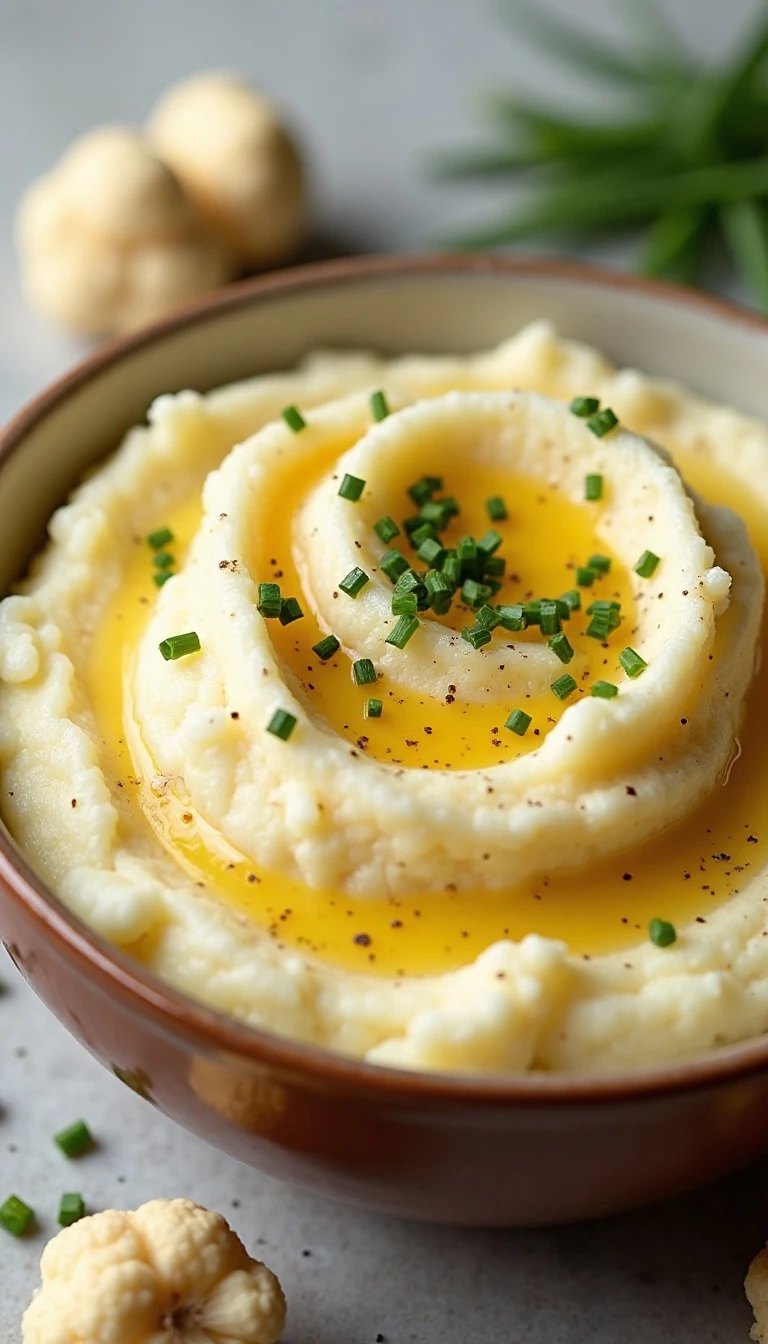
Step 8: Taste and adjust the seasoning before serving. Spoon the mash into a warm bowl, drizzle the reserved browned butter over the top and scatter on chopped parsley or chives.
How to Get the Creamiest Texture
Moisture control matters more than almost anything else in this recipe. Steaming is generally preferred over boiling because the florets absorb less water, but even steamed cauliflower should be drained carefully.
When using a blender, work in batches if necessary and scrape down the sides between pulses. A food processor usually makes it easier to achieve an even texture without adding extra liquid.
Add liquid conservatively. It is simple to loosen a thick mash, but rescuing a watery one is much more difficult. Begin with no cream or milk, then add only what the texture requires.
For a chunky, rustic finish, pulse the cauliflower briefly instead of processing it continuously. For a silky restaurant-style result, blend until smooth, but stop immediately once the desired consistency is reached.
Browned Butter and Garlic Tips
Use a light-colored skillet if possible. The butter may foam, so watching the pan closely helps you distinguish the golden milk solids from butter that has gone too far.
Garlic burns faster than butter browns. Waiting until the final 30–60 seconds gives the garlic enough time to release its fragrance without turning bitter.
Keep the heat at medium and stir or swirl the skillet as the butter cooks. When the butter smells like toasted nuts and the solids are amber-golden, take it off the heat right away.
Reserve a little of the browned butter for the top rather than mixing every drop into the processor. That finishing drizzle carries the aroma directly to the surface and gives the bowl an inviting, glossy appearance.
For another butter-centered treat, save our old-fashioned butter tarts for dessert. Their caramel-like filling makes a lovely sweet finish after this savory meal.
Serving Ideas, Storage and Reheating
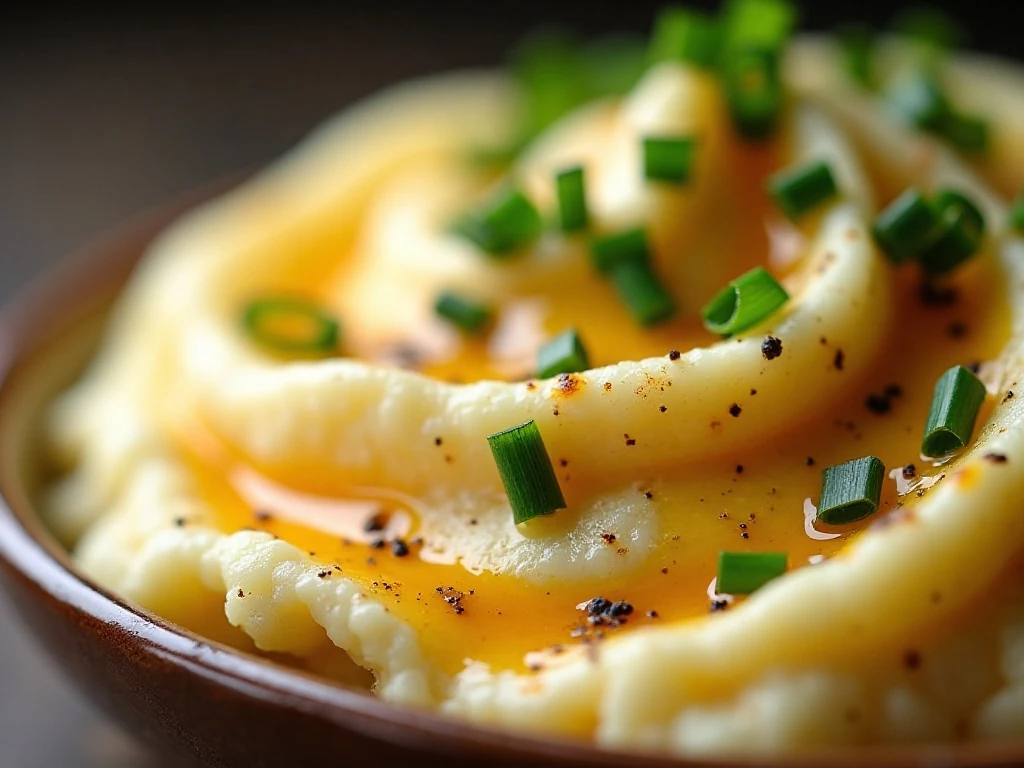
Serve the mash hot in a warmed bowl with the browned butter drizzle and fresh herbs. It pairs well with roast chicken, turkey, pork, steak, meatloaf or roasted vegetables.
A simple green salad can balance the buttery richness, while a bright vegetable such as steamed green beans adds color to the plate. If you are planning a larger comfort-food menu, the cauliflower can take the place of mashed potatoes without competing with the main dish.
Store leftovers in a covered container in the refrigerator. Reheat gently in a saucepan over low heat or in short microwave intervals, stirring between intervals to distribute the heat.
If the mash thickens after chilling, stir in a small amount of milk or cream only as needed. Finish with a fresh pinch of salt, pepper or herbs after reheating.
For a sweet bite later, you might also enjoy these chunky chocolate chip peanut butter cookies. They make a generous dessert after a cozy dinner.
Easy Variations
For a richer version, include both the cream cheese and Parmesan listed in the recipe. The cream cheese adds body, while Parmesan contributes a savory, pleasantly salty edge.
For a dairy-light mash, omit both optional cheeses and rely on the browned butter, garlic and careful seasoning. You can also use milk instead of heavy cream if a small texture adjustment is needed.
Fresh chives give the dish a mild onion note, while parsley keeps the flavor clean and herbal. Add the garnish just before serving so it remains bright and attractive.
If you prefer more garlic flavor, do not add raw garlic directly to the finished mash. Instead, stay within the cooking method and allow the minced cloves to warm in the butter during the final 30–60 seconds, which produces a rounded flavor without harshness.
Browned Butter Garlic Mashed Cauliflower
Ingredients
Method
- Steam the cauliflower florets for 8–10 minutes, until very tender. Drain exceptionally well, then return the cauliflower to the warm pot for 1–2 minutes if it needs to dry further.
- Melt the butter in a light-colored skillet over medium heat. Cook for about 3–5 minutes, watching as the milk solids turn amber-golden and the butter develops a nutty aroma.
- Add the minced garlic during the final 30–60 seconds of browning. Stir until fragrant, then remove the skillet from the heat promptly so the garlic and butter do not burn.
- Transfer the dry cauliflower to a food processor or blender. Add most of the browned butter and garlic, cream cheese if using, Parmesan if using, kosher salt and black pepper.
- Process just until smooth, scraping down the sides as needed. Add heavy cream or milk a teaspoon at a time only if the mash is too thick.
- Taste the mash and adjust the salt and pepper. Spoon it into a serving bowl, drizzle with the remaining browned butter and finish with parsley or chives.
Notes
Final Thoughts
Browned butter garlic mashed cauliflower proves that a short ingredient list can create a deeply satisfying side dish. The key details are simple: steam the florets until very tender, dry them thoroughly, brown the butter to amber-golden perfection and add the garlic only at the end.
Once blended, the cauliflower becomes creamy enough for a special dinner while remaining practical for an ordinary weeknight. Finish it with the reserved butter and fresh herbs, then serve it hot while the nutty aroma is at its best.
Whether you choose the optional cream cheese and Parmesan or keep the recipe dairy-light, this mash brings warmth, color and savory flavor to the table. It is an easy recipe to remember and a beautiful way to make cauliflower the star of the side-dish course.
For a crisp cauliflower option to serve another day, keep our roasted cauliflower recipe in your dinner rotation.