This easy 20-minute broccoli pasta recipe is a fast, satisfying dinner made with 12 ounces of pasta, about 1 pound of broccoli, garlic, olive oil, Parmesan, and fresh lemon juice. Prep takes about 5 minutes, cooking takes about 15 minutes, and the recipe makes 4 servings, making it ideal for a busy weeknight.
Every forkful combines tender-crisp broccoli, savory garlic, nutty Parmesan, bright lemon, and a silky coating created with starchy pasta water. It is simple enough for a beginner, flavorful enough for regular rotation, and flexible enough to make with spaghetti, linguine, penne, or fusilli.
Jump to RecipeWhy You’ll Love This Recipe
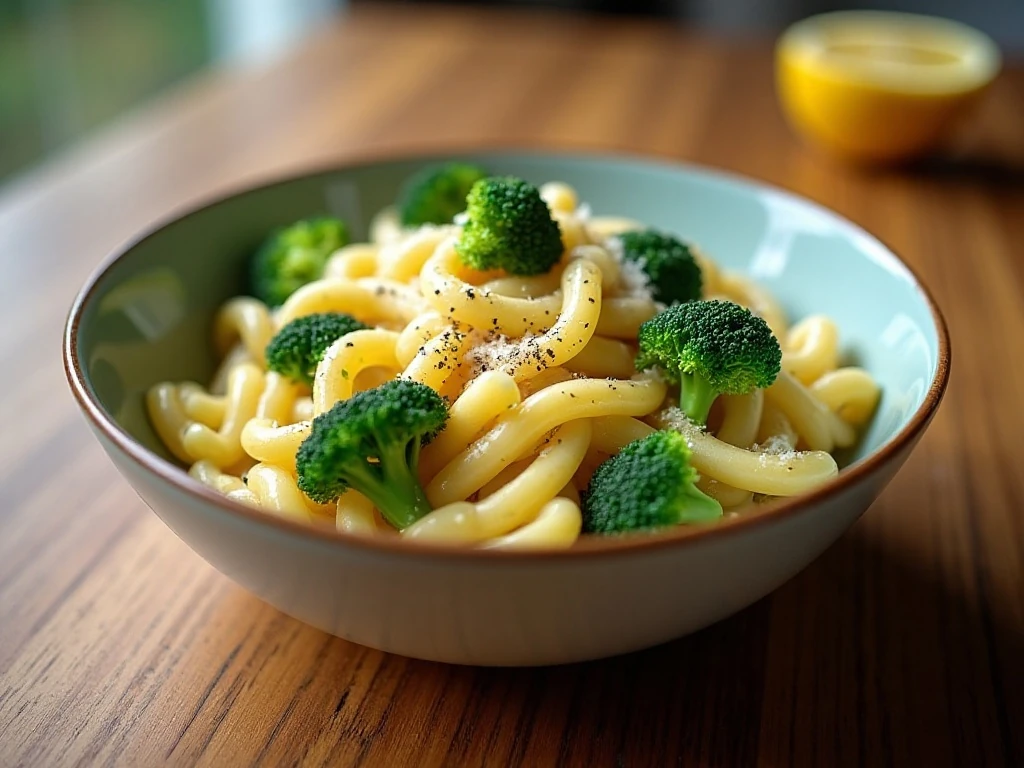
This broccoli pasta is the kind of dinner that rescues a hectic evening without asking you to sacrifice flavor. The ingredient list is short, the method uses one pasta pot and one skillet, and the entire meal reaches the table in about 20 minutes.
The texture is what makes this dish special. The pasta stays pleasantly firm, while the broccoli becomes tender enough to bite through but still retains its fresh color and gentle crunch.
Garlic and olive oil create a fragrant base, Parmesan adds salty richness, and lemon juice keeps the finished pasta tasting fresh rather than heavy. A small pinch of red-pepper flakes is optional, but it adds a lovely warmth that balances the creamy-tasting cheese coating.
This recipe is also easy to adapt to what you already have. Use spaghetti for long, silky strands, penne for hearty forkfuls, or fusilli when you want the light sauce and tiny broccoli pieces to collect in every twist.
If you are planning a casual meal with several simple dishes, you can pair this pasta with a crisp salad and finish with a bright treat such as this mandarin orange dessert.
Ingredients You’ll Need
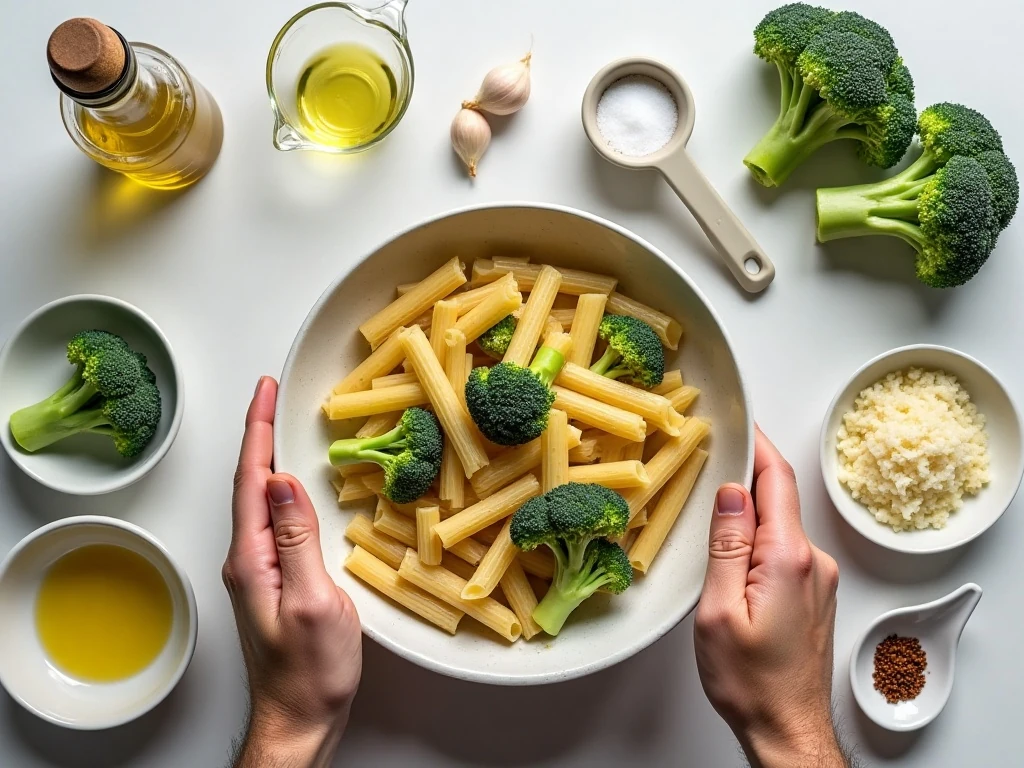
Start with 12 ounces of pasta and 5 to 6 cups of broccoli florets, which is about 1 pound of broccoli. Cut the florets into similar-sized pieces so they cook evenly during the short finishing time in the pasta water.
- Pasta: Spaghetti, linguine, penne, and fusilli all work well. Cook it according to the package directions for an al dente texture.
- Broccoli: Fresh florets become bright green and tender-crisp when added during the last 3 to 4 minutes of cooking.
- Olive oil: Three tablespoons form the flavorful foundation of the sauce and help carry the garlic throughout the dish.
- Garlic: Use 3 to 4 cloves, either thinly sliced or minced. Keep the heat moderate so the garlic turns fragrant without browning.
- Parmesan: One-half cup of finely grated cheese melts more readily and helps the sauce cling to the pasta.
- Lemon and seasoning: One tablespoon of fresh lemon juice, one-half teaspoon kosher salt, and one-quarter teaspoon freshly ground black pepper sharpen the flavors.
- Pasta water: Reserve one-half to one cup. You may not need all of it, but having enough available makes it easy to adjust the consistency.
Generously salt the boiling water before adding the pasta. Since the pasta and broccoli cook in the same pot, this is the main opportunity to season them from the inside out.
How to Make It Step-by-Step
Step 1: Bring a large pot of generously salted water to a rolling boil. Add the pasta and cook according to the package directions, stirring occasionally so the pieces do not stick together or settle on the bottom.
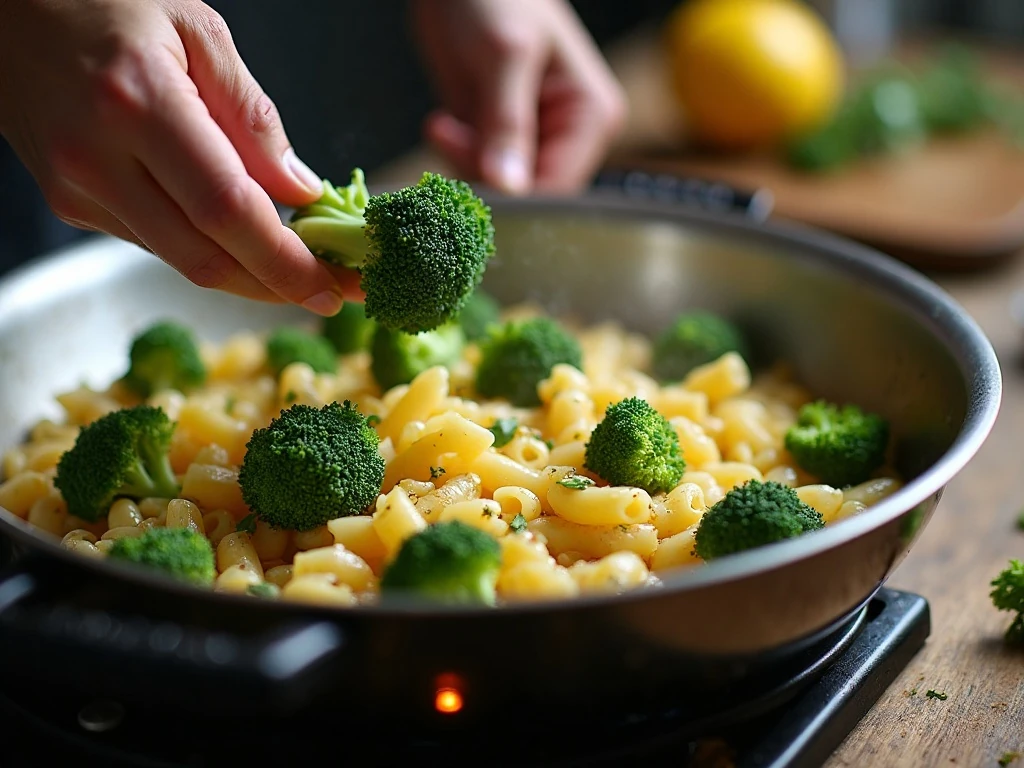
Step 2: When the pasta has 3 to 4 minutes of cooking time remaining, add the broccoli florets to the same pot. This timing is important because it gives the broccoli enough heat to become tender and bright green while preventing it from turning soft and waterlogged.
Step 3: Before draining, scoop out at least 1 cup of the pasta cooking water and set it beside the stove. Drain the pasta and broccoli together, but do not rinse them, because the surface starch helps the olive oil and Parmesan cling to the pasta.
Step 4: While the pasta cooks, warm the olive oil in a large skillet over medium heat. Add the garlic and optional crushed red-pepper flakes, then cook for about 30 to 60 seconds, just until the garlic smells fragrant; do not let it brown.
Step 5: Transfer the drained pasta and broccoli to the skillet with the seasoned oil. Add the finely grated Parmesan, lemon juice, kosher salt, and black pepper, then toss until the ingredients are distributed throughout the pasta.
Step 6: Add the reserved pasta water a few tablespoons at a time while tossing continuously. Stop when the sauce lightly coats the pasta and looks glossy rather than watery, then serve with more Parmesan and a final drizzle of olive oil.
Pro Tips for the Best Broccoli Pasta
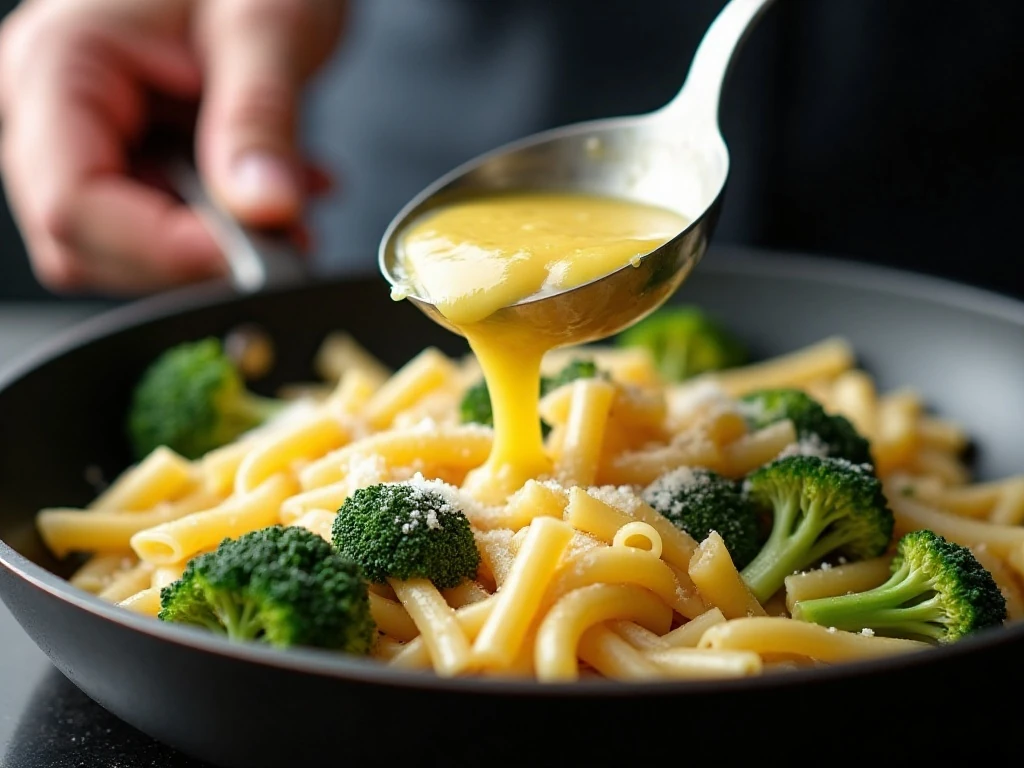
Reserve the cooking water before the colander comes out. It is easy to forget this small step, but the starchy water is the key to bringing the olive oil, Parmesan, and lemon together into a smooth coating instead of leaving oil pooled at the bottom of the skillet.
Add the broccoli only near the end of the pasta cooking time. Broccoli that cooks for too long can lose its vivid color and become soft, while the short 3-to-4-minute window produces florets that are tender enough to enjoy but still have structure.
Grate the Parmesan finely rather than dropping in large chunks. Fine shreds disperse quickly through the hot pasta and combine more readily with the reserved water.
Keep the garlic pale. Garlic that is merely fragrant brings a sweet, rounded flavor, but browned garlic can become bitter and distract from the fresh broccoli and lemon.
Toss the dish while it is still hot. Heat helps the cheese soften and allows the starchy water to create the light sauce, so do not let the drained pasta sit for several minutes before combining everything.
Taste before serving. Parmesan and salted pasta water vary in saltiness, so add the remaining seasoning gradually and adjust only after the ingredients have been tossed together.
For another easy meal idea when you want a simple side or brunch-style plate, browse this ham and pineapple salad for a sweet-savory contrast.
Easy Variations and Serving Ideas
For a saucier, more broccoli-heavy dish, some versions use 8 ounces of pasta instead of 12 ounces. The quantities in this recipe make 4 servings with a balanced pasta-to-broccoli ratio, but reducing the pasta creates a vegetable-forward bowl.
Whole-wheat pasta is a practical substitute for regular pasta when you prefer its hearty flavor. Follow the package directions and check the texture near the end of cooking, since different brands can vary in timing.
A little lemon zest can intensify the citrus aroma, while toasted breadcrumbs add a crisp contrast to the soft pasta and broccoli. A small amount of butter or cream may also be added for a richer variation, although the basic olive oil and pasta-water method is enough to make a satisfying coating.
Anchovies are another optional way to deepen the savory flavor. Add them with the garlic and let them soften into the olive oil, or simply increase the Parmesan for a vegetarian-friendly boost of saltiness and umami.
Serve the pasta as a complete meatless dinner with a green salad, crusty bread, or roasted vegetables. If you are feeding children, leave out the red-pepper flakes and offer them at the table for adults who enjoy extra heat.
For a weekend breakfast or lunch idea to keep in your recipe collection, this cheesy omelet recipe uses the same dependable approach of simple ingredients and quick stovetop cooking.
Storage and Reheating
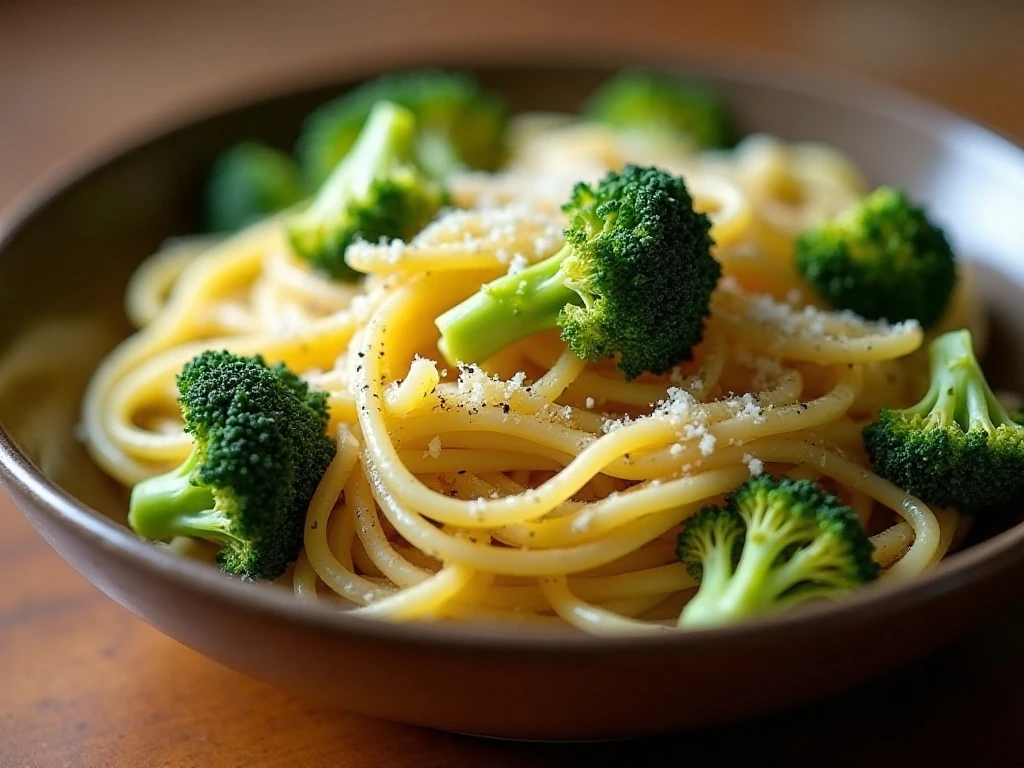
Allow leftovers to cool briefly, then place them in an airtight container and refrigerate. The pasta is best enjoyed fresh, but properly chilled leftovers can make a convenient next-day lunch.
Reheat gently in a skillet over low to medium heat with a splash of water. Toss often until warmed through, adding a little more water if the Parmesan coating has tightened in the refrigerator.
Avoid blasting the pasta at high heat, which can dry the broccoli and make the sauce look oily. Finish reheated portions with fresh Parmesan, a few drops of lemon juice, or a small drizzle of olive oil to refresh the flavors.
Keep any extra toppings separate when possible. Fresh cheese, lemon, and olive oil added just before eating give leftovers a brighter finish than mixing everything in at once.
For a dessert to prepare ahead while dinner is cooking, consider this no-bake pineapple pie. A spoonful of homemade fruit sauce, such as this quick strawberry sauce, is also a simple way to finish a meal with very little effort.
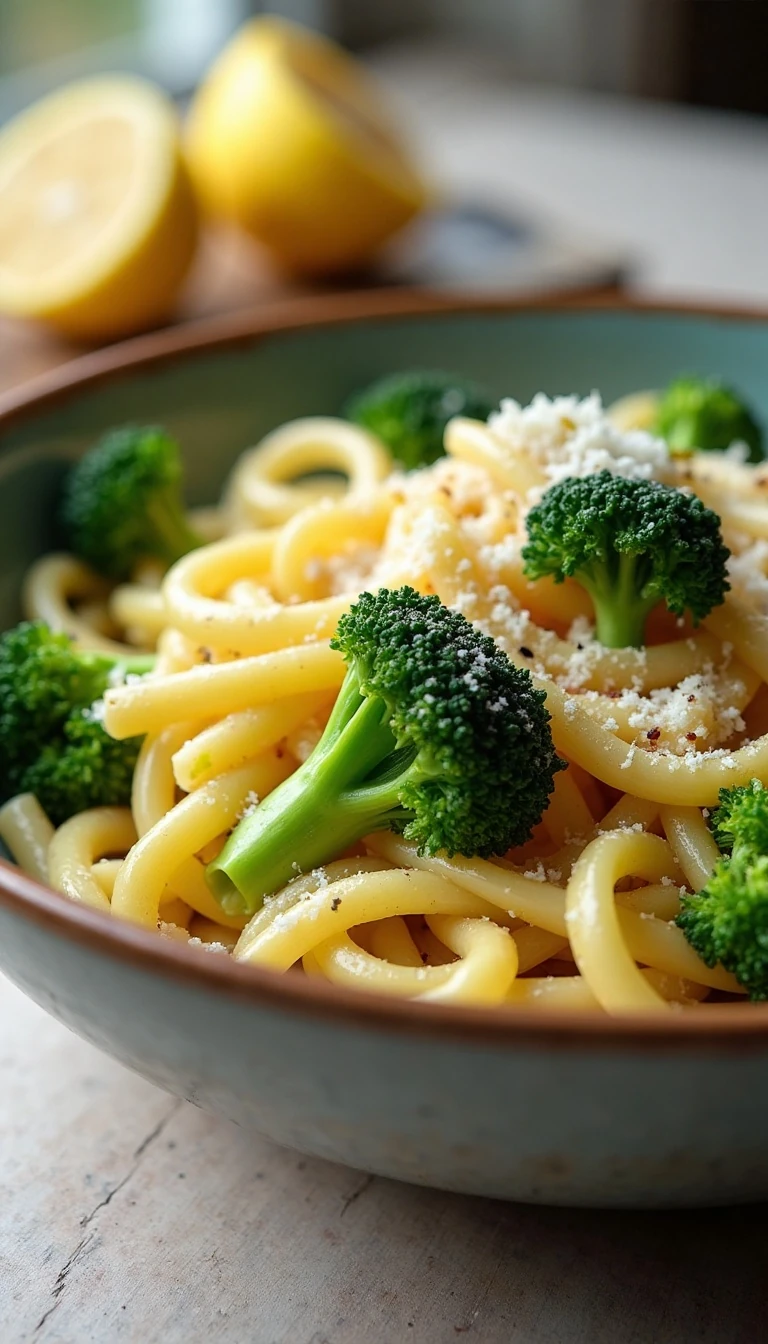
Easy 20-Minute Broccoli Pasta
Ingredients
Method
- Bring a large pot of generously salted water to a boil. Cook the pasta according to the package directions until al dente.
- Add the broccoli florets to the pasta pot during the last 3 to 4 minutes of cooking. Cook until the broccoli is bright green and tender but not mushy.
- Reserve at least 1 cup of the cooking water, then drain the pasta and broccoli.
- While the pasta cooks, warm the olive oil in a large skillet over medium heat. Add the garlic and optional red-pepper flakes, cooking for about 30 to 60 seconds until fragrant without letting the garlic brown.
- Add the drained pasta and broccoli to the skillet. Toss with the Parmesan, lemon juice, kosher salt, and black pepper.
- Add the reserved pasta water a few tablespoons at a time until the olive oil, cheese, and lemon create a light sauce that coats the pasta. Serve immediately with additional Parmesan and olive oil.
Notes
Final Thoughts
This easy 20-minute broccoli pasta recipe proves that a fast dinner can still feel thoughtful and full of character. With only 5 minutes of preparation and 15 minutes of cooking, you get al dente pasta, bright broccoli, fragrant garlic, nutty Parmesan, and fresh lemon in every serving.
The most important details are simple: salt the pasta water well, add the broccoli during the final 3 to 4 minutes, reserve at least 1 cup of cooking water, and add that water slowly while tossing. Those steps protect the broccoli’s texture and turn everyday ingredients into a light, glossy sauce.
Make the recipe exactly as written for a reliable family dinner, or try whole-wheat pasta, lemon zest, toasted breadcrumbs, anchovies, butter, or a little cream when you want a different spin. Finish each bowl with extra Parmesan and olive oil, then enjoy this warm, comforting meal straight from the skillet.
2 thoughts on “Easy 20-Minute Broccoli Pasta Recipe”