To make the best sauerkraut from a bag, drain a 32-ounce bag without rinsing it, then gently simmer it with browned bacon, onion, apple, brown sugar, and a little stock, water, or beer. The whole process takes about 1 hour: allow 10–15 minutes for preparation and 45–60 minutes for a low, covered simmer.
This easy recipe turns packaged sauerkraut into a rich, savory-sweet side dish with tender cabbage, smoky bacon, mellow onion, and bright apple flavor. Serve it hot with sausages, pork, mashed potatoes, or dumplings for a comforting meal that tastes carefully prepared rather than simply opened from a bag.
Jump to RecipeWhy You’ll Love This Recipe

A bag of sauerkraut is a wonderful shortcut, but it needs a few thoughtful additions to become the best sauerkraut from a bag. Bacon supplies savory depth, onion adds sweetness, apple brings a gentle fruitiness, and brown sugar smooths the cabbage’s natural tang.
The cooking method matters just as much as the ingredients. A covered, low simmer gives the cabbage time to soften and allows the flavors to mingle without turning the sauerkraut harsh or watery.
This recipe is also flexible enough for a weeknight dinner and special enough for a holiday table. It pairs naturally with sausages and pork, but it can also share the plate with mashed potatoes, dumplings, or a hearty roast.
If you are planning a full comfort-food menu, the tender cabbage makes a pleasant contrast to a rich meat entrée such as our juicy London broil.
Ingredients You’ll Need
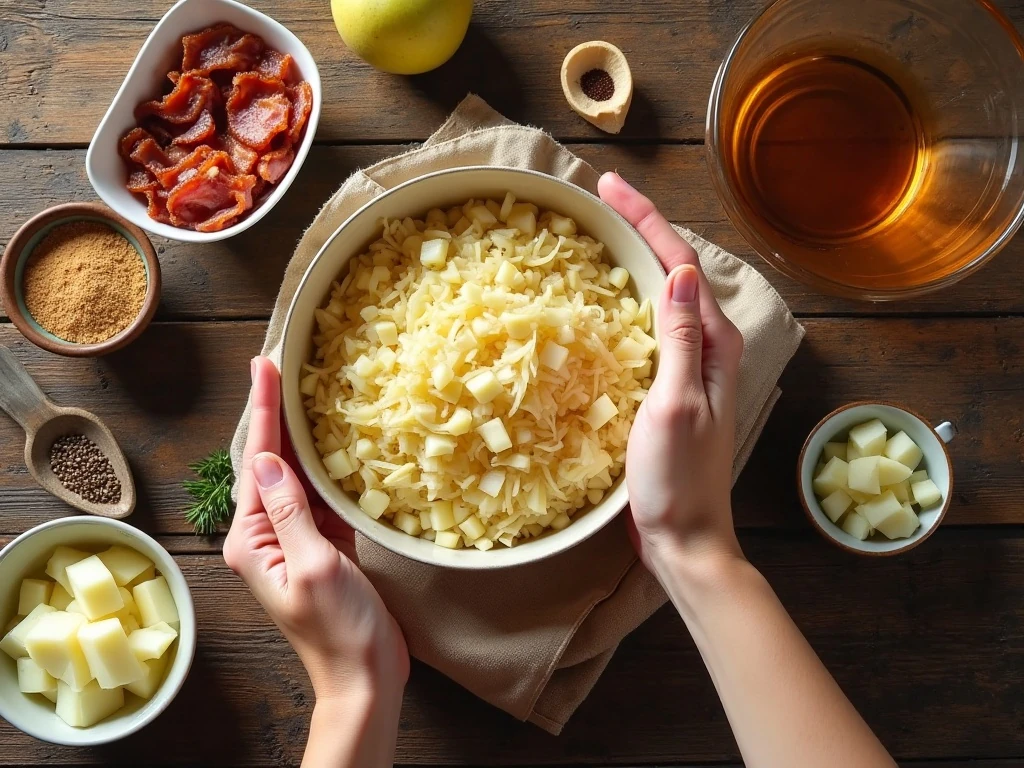
Start with one bag of sauerkraut weighing about 32 ounces, or 900 grams, and drain it before cooking. The liquid contains valuable sour flavor, so draining is preferred to rinsing unless the sauerkraut is exceptionally salty.
- Bacon: Use 8 ounces of chopped bacon. As it browns, the rendered fat becomes the cooking base for the onion.
- Onion: One medium yellow onion, finely diced, melts into the dish and balances the acidity.
- Apple: A peeled, cored, and diced medium apple adds a soft fruit flavor. A firm sweet-tart apple works especially well.
- Brown sugar: One-quarter cup rounds out the sharpness without making the sauerkraut taste like dessert.
- Liquid: Use one-half cup water, chicken stock, or beer. Stock adds savory flavor, while beer gives the dish a more German-style character.
- Seasonings: Add one-half teaspoon caraway seeds if desired and one-quarter teaspoon black pepper. Taste before adding any salt.
Caraway is optional, but it is a traditional partner for sauerkraut and contributes a warm, lightly earthy note. If you prefer a meat-free dish, replace the bacon with 2 tablespoons butter or vegetable oil.
There is no need to add apple cider vinegar in this recipe. Sauerkraut is already acidic, and the existing tang is enough for a balanced finished dish.
How to Make It Step-by-Step

Step 1: Drain the sauerkraut.
Set a colander over the sink and pour in the sauerkraut, allowing excess liquid to run off. Avoid rinsing unless it tastes exceptionally salty, since a quick rinse can remove the bright fermented flavor that makes this dish distinctive.
Step 2: Brown the bacon.
Place the chopped bacon in a large Dutch oven or heavy skillet over medium heat. Cook until the pieces are browned and most of the fat has rendered, stirring from time to time so the bacon cooks evenly.
Step 3: Soften the onion.
Add the finely diced yellow onion to the bacon fat and cook for about 5 minutes. Stir occasionally until the onion is soft and translucent, taking care not to let it scorch on the bottom of the pot.
Step 4: Add the apple.
Stir in the peeled, cored, diced apple and cook for 2–3 minutes. This short cooking time starts to soften the apple while allowing it to retain enough character to complement the cabbage.
Step 5: Combine the sauerkraut and seasonings.
Add the drained sauerkraut, packed brown sugar, one-half cup water, chicken stock, or beer, optional caraway seeds, and black pepper. Stir well, scraping the bottom gently so the bacon flavor and softened vegetables are incorporated throughout the mixture.
Step 6: Simmer gently.
Bring the sauerkraut to a gentle simmer, then cover the pot and reduce the heat to low. Cook for 45–60 minutes, stirring occasionally; the cabbage should become tender and the liquid should lightly coat it rather than pool heavily in the pan.
Step 7: Taste and adjust.
Remove the lid and taste the sauerkraut before seasoning with salt. If it is too sharp, stir in a little more brown sugar, and if it has become dry, add a splash of stock; then serve it hot.
Pro Tips for the Best Flavor

Choose a heavy Dutch oven or skillet that distributes heat evenly. Sauerkraut can catch on the bottom if cooked too aggressively, so low heat and a covered pot are more useful than a high flame.
Do not rush the onion. Five minutes in the bacon fat gives it time to soften and absorb the smoky flavor, creating a fuller base than simply adding raw onion with the sauerkraut.
Keep the apple pieces fairly small and even. They will soften into the cabbage during the long simmer, adding sweetness without creating large, distracting chunks.
- For more savory flavor: Choose chicken stock instead of water.
- For a German-style profile: Use beer and include the caraway seeds.
- For a vegetarian version: Use 2 tablespoons butter or vegetable oil instead of bacon.
- For less tang: Add a little more brown sugar after tasting.
- For a brighter, sharper dish: Keep the sauerkraut un rinsed and use the full simmering time.
Remember that packaged sauerkraut varies in saltiness. Waiting until the end to add salt prevents an overly salty side dish, especially when bacon and stock are both part of the recipe.
For another cozy dinner idea that works well with hearty sides, serve this sauerkraut alongside our comforting cottage pie. The bright cabbage cuts through the richness of the beef and mashed potato topping.
What to Serve with Sauerkraut
Classic pairings include grilled or pan-seared sausages, roasted pork, pork chops, and smoked meats. Spoon the sauerkraut onto the plate while it is hot so its juices can mingle with the meat.
Mashed potatoes are one of the easiest accompaniments. Their mild, creamy texture softens the tang of the cabbage, while the bacon and apple keep every bite interesting.
Dumplings also make an excellent match, especially when the sauerkraut is cooked with beer and caraway. For a less traditional spread, add roasted root vegetables or crusty bread.
Although this is not a stir-fry dish, a broader dinner collection can include our easy chow mein recipe when you are planning several family-style meals. Keep this sauerkraut preparation with pork, sausages, or potatoes for the most traditional pairing.
Storage, Reheating, and Make-Ahead Advice

Let leftovers cool promptly, then transfer them to a covered container and refrigerate. Reheat gently in a saucepan over low to medium-low heat, stirring occasionally until hot throughout.
If the sauerkraut seems dry after chilling, add a small splash of water or stock while reheating. Avoid hard boiling, which can make the cabbage taste sharper and cause the liquid to evaporate too quickly.
This dish is well suited to making ahead because the bacon, onion, apple, and sauerkraut flavors continue to blend as it rests. Prepare it earlier in the day, refrigerate it once cooled, and warm it gently before serving.
When serving a crowd, taste again after reheating. Chilled sauerkraut may need a small adjustment of brown sugar or a splash of stock, but add salt only if the final taste truly requires it.

Best Sauerkraut from a Bag
Ingredients
Method
- Drain the sauerkraut well. Do not rinse it unless it is exceptionally salty, because rinsing removes much of its sour flavor.
- Place the chopped bacon in a large Dutch oven or heavy skillet over medium heat. Cook until browned and most of the fat has rendered.
- Add the diced onion to the bacon fat and cook for about 5 minutes, stirring occasionally, until softened.
- Stir in the diced apple and cook for 2–3 minutes, just until it begins to soften.
- Add the sauerkraut, brown sugar, water, chicken stock, or beer, caraway seeds, and black pepper. Stir thoroughly so the seasonings and rendered bacon fat are distributed.
- Bring the mixture to a gentle simmer, then cover and cook over low heat for 45–60 minutes. Stir occasionally and keep the heat low so the cabbage softens without hard boiling.
- Taste before adding salt. If the sauerkraut is too sharp, add a little more brown sugar; if it looks dry, add a splash of stock. Serve hot.
Notes
Final Thoughts
The best sauerkraut from a bag is all about simple ingredients and patient cooking. Drain the cabbage, brown the bacon, soften the onion and apple, then let everything simmer gently with brown sugar, liquid, and optional caraway until the flavors are rich and balanced.
Keep the heat low, taste before salting, and adjust the sweet-sour balance at the end. In about an hour, an ordinary bag of sauerkraut becomes a warm, savory side dish ready for sausages, pork, mashed potatoes, dumplings, or any comfort-food dinner.
Once you try this method, you may keep a bag of sauerkraut on hand for quick family meals and relaxed weekend suppers. It is easy, economical, and full of the smoky, tangy flavor that makes classic sauerkraut so satisfying.