The Famous 1920 Ritz-Carlton Lemon Pound Cake is a classic butter-rich dessert made with three cups of flour, three cups of sugar, six eggs, whole milk, and the fresh zest and juice of lemons. Baked at 325°F for 75 to 90 minutes, it produces one impressive 10-inch tube or Bundt-style cake with approximately 12 to 16 servings.
Each slice has a fine, even crumb, a golden buttery crust, and bright lemon flavor without relying on lemon extract. This old-fashioned pound cake is simple enough for a family gathering yet elegant enough for afternoon tea, a birthday table, or a special holiday dessert.
Jump to RecipeWhy You’ll Love This Recipe
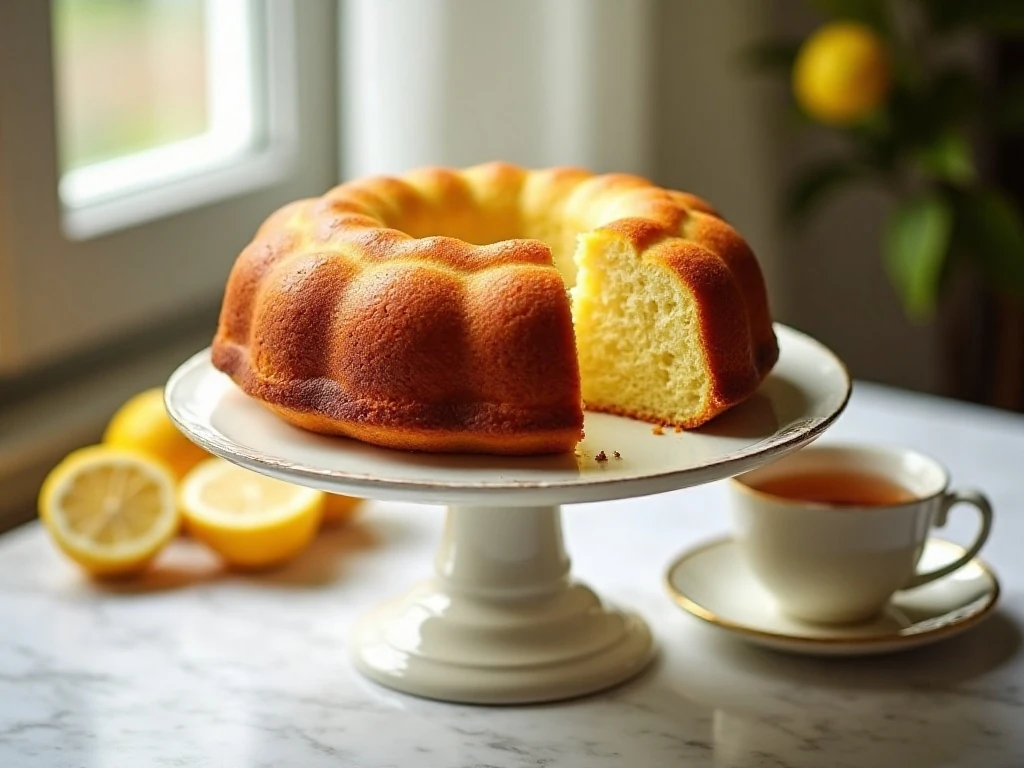
This lemon pound cake has the kind of old-fashioned flavor that makes a dessert memorable. Butter supplies richness, while fresh lemon zest and juice provide a clean citrus note that keeps the cake from tasting overly sweet.
The texture is the real attraction. Careful creaming of the butter and sugar creates a fine crumb, and the alternation of flour and milk gives the batter structure without making it heavy.
It is also a practical make-ahead dessert. The cake is large enough to serve a crowd, travels well once fully cooled, and can be sliced thinly for afternoon coffee or generously for a more indulgent dessert.
If you enjoy classic cakes with a different flavor profile, our triple vanilla pound cake is another lovely choice for a dessert table.
Ingredients You’ll Need
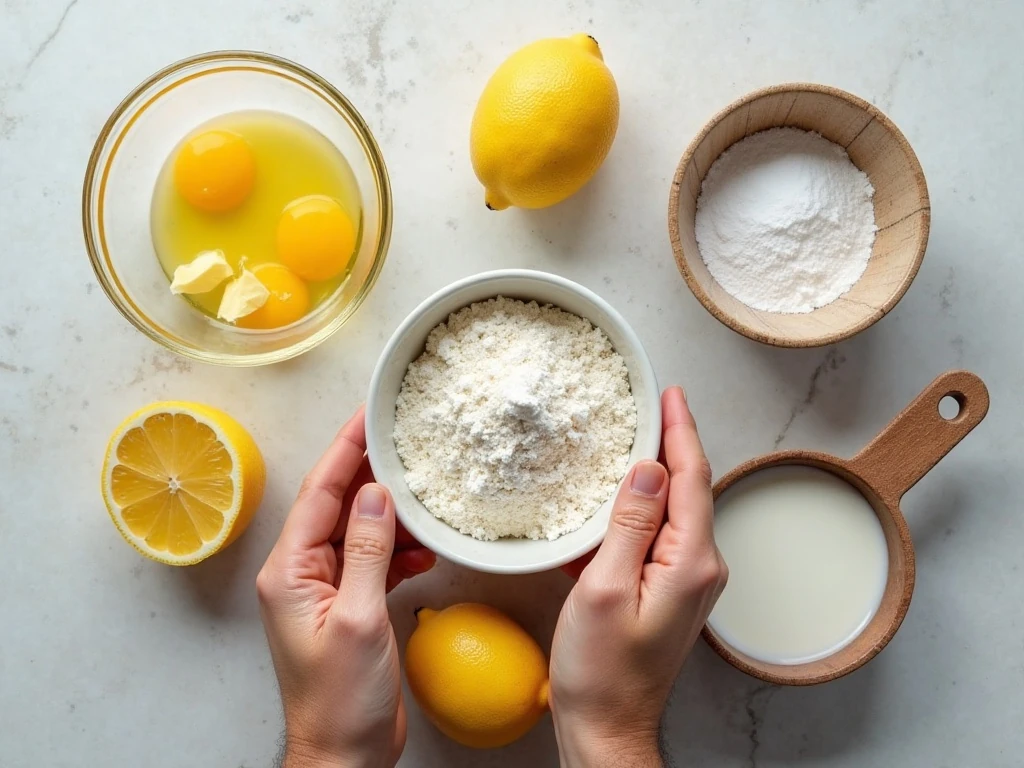
The ingredient list is short, but each item has an important role. Since there are no strong spices or fillings to disguise flaws, use fresh ingredients and measure carefully.
- Butter: One cup of unsalted butter provides the cake’s rich flavor and tender texture. It should be softened, not melted.
- Sugar: Three cups of granulated sugar sweeten the cake and help create a light batter when creamed with the butter.
- Eggs: Six large eggs add structure, moisture, and richness. Room-temperature eggs blend more easily into the creamed butter.
- Flour: Three cups of sifted all-purpose flour form the body of the cake. Sifting also helps distribute the baking powder and salt.
- Leavening and salt: One-half teaspoon each of baking powder and salt support the texture and balance the sweetness.
- Whole milk: One cup of room-temperature milk softens the crumb and helps bring the batter together.
- Lemons: Finely grate the zest of two lemons and squeeze the juice of one. Zest contains fragrant oils, while the juice supplies fresh acidity.
For the best result, choose lemons with bright, unblemished skins and wash them before zesting. Avoid grating deeply into the white pith, which can add bitterness.
For another citrus-forward dessert, you may also enjoy this blueberry lemon drizzle cake, which pairs lemon with juicy berries.
How to Make It Step-by-Step
Step 1: Heat the oven to 325°F (165°C). Thoroughly grease and flour a 10-inch tube or Bundt-style pan, paying special attention to the center tube, corners, and decorative ridges.
Step 2: Sift the flour, baking powder, and salt together into a medium bowl. This distributes the dry ingredients evenly and prevents small pockets of salt or baking powder in the finished cake.
Step 3: Place the softened butter and granulated sugar in a large mixing bowl. Beat them for about 5 minutes, scraping down the sides as needed, until the mixture is very light and fluffy.
Step 4: Add the six eggs one at a time, beating well after each addition. If the mixture looks slightly curdled, continue mixing briefly; the batter will come together as the dry ingredients and milk are added.
Step 5: Add the flour mixture alternately with the milk, beginning and ending with the dry ingredients. Use low speed and mix only until each addition disappears, because prolonged mixing after flour is added can produce a dense or chewy cake.
Step 6: Fold in the finely grated zest of two lemons and the juice of one lemon with a spatula. Gentle folding keeps the batter cohesive while spreading the citrus flavor throughout.
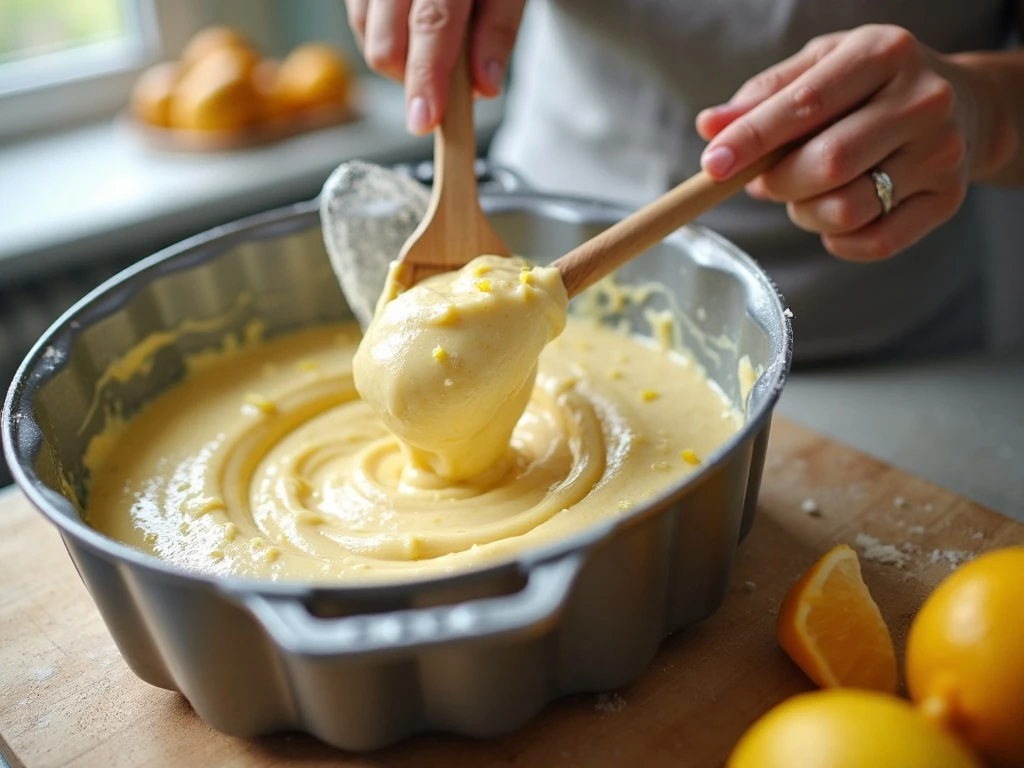
Step 7: Transfer the batter to the prepared pan and smooth the surface. Spread it evenly around the center tube so the cake rises and browns consistently.
Step 8: Bake for approximately 1 hour 15 minutes to 1 hour 30 minutes. Begin checking toward the shorter end of the baking range, but rely on a skewer inserted in the center: it should come out clean or with a few moist crumbs.
Step 9: Let the cake cool in the pan for 15 to 20 minutes. Carefully turn it onto a wire rack and cool completely before cutting, since the crumb continues to set as the cake cools.
Pro Tips for a Fine Crumb
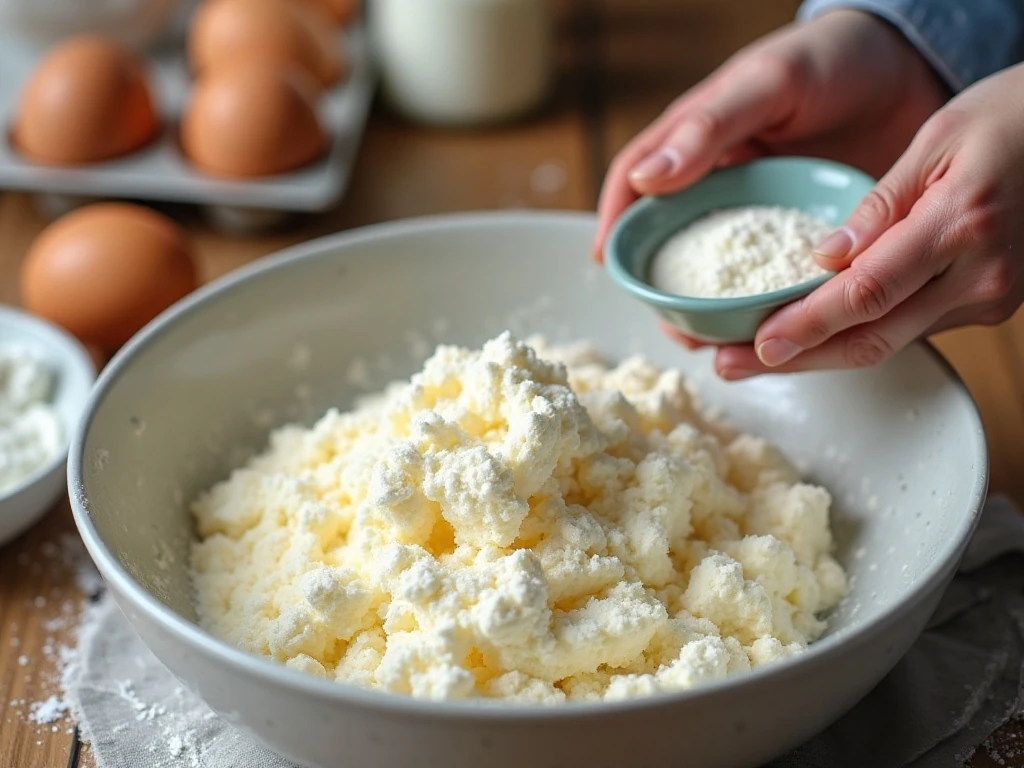
Temperature matters more than many bakers realize. Room-temperature butter becomes creamy rather than lumpy, room-temperature eggs emulsify more effectively, and room-temperature milk blends into the batter without making the butter firm up.
Do not rush the creaming stage. About five minutes of beating gives the sugar time to create tiny air pockets in the butter, which helps this substantial cake bake with a lighter, more even interior.
Once flour enters the bowl, change your mixing habits. Alternate the dry ingredients and milk, scrape the bowl once or twice, and stop as soon as no visible streaks remain.
Pan preparation is essential for a Bundt-style cake. Brush softened butter or shortening into every groove, dust the pan thoroughly with flour, and tap out the excess so the baked cake releases cleanly.
- Use a light-colored metal pan if possible for even browning.
- Do not open the oven repeatedly during the first part of baking.
- Check doneness with a long skewer because a 10-inch cake is deep.
- Allow the cake to cool before slicing for cleaner portions.
For a different Bundt dessert with a fruit-forward flavor, take a look at this banana Bundt cake.
Serving Ideas and Variations
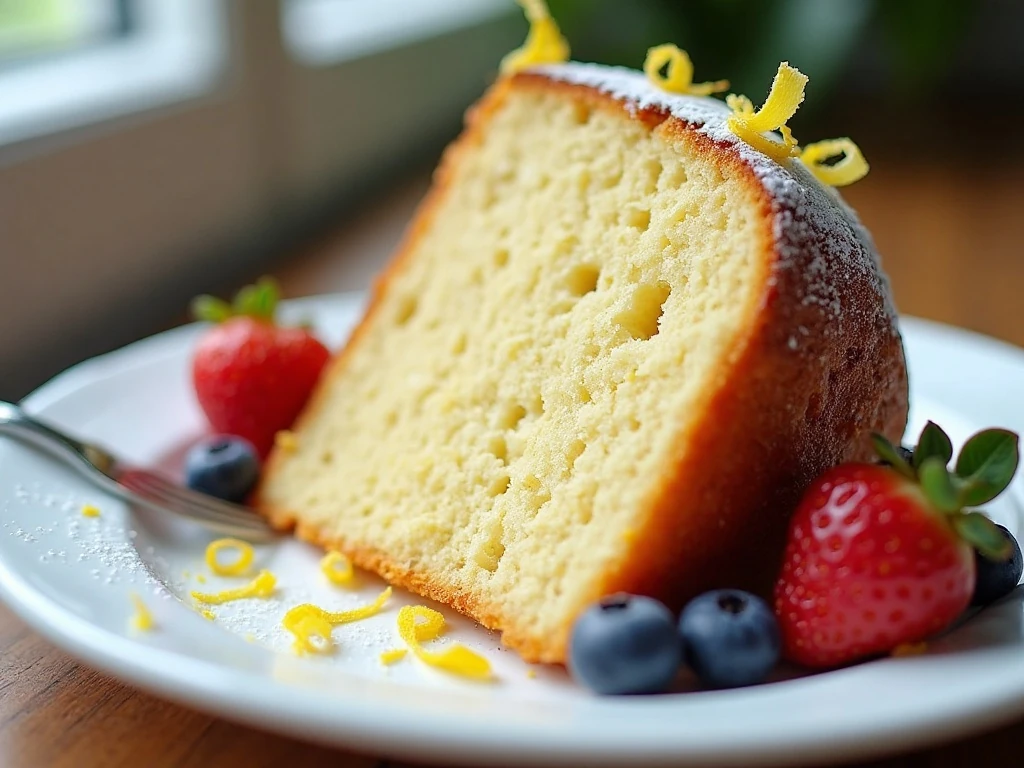
This cake is delicious completely plain, especially when served with coffee, black tea, or a glass of cold milk. A light dusting of confectioners’ sugar can add a pretty finish without changing the classic character of the recipe.
Some later versions add one to two teaspoons of lemon extract for a stronger lemon aroma. Others use a simple glaze made with confectioners’ sugar and lemon juice, but those additions are variations rather than part of the most commonly reproduced 1920-style ingredient list.
For a spring dessert table, arrange thin lemon slices or curls beside the cake rather than pressing wet fruit onto the crust. Fresh berries can also be served on the side for color and a naturally tart contrast.
If you are planning a larger dessert spread, this raspberry cake with whipped lemon frosting offers another bright option with a soft, creamy topping.
Storage and Make-Ahead Advice
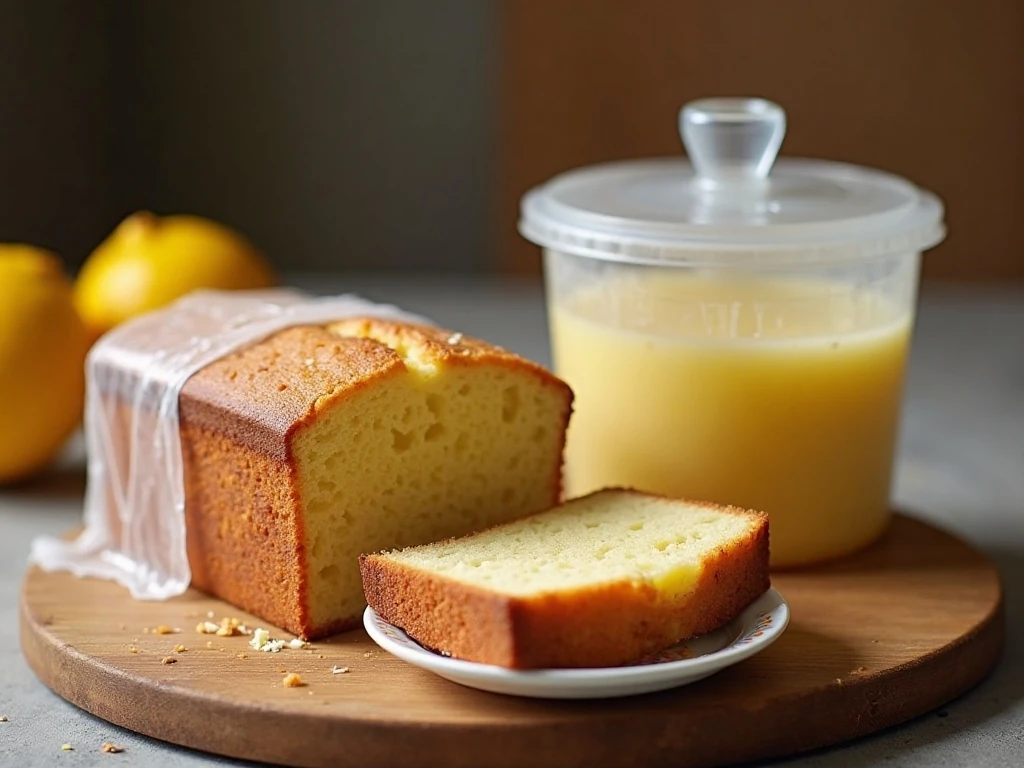
Once completely cool, store the cake in an airtight container at room temperature for up to several days. Keeping it covered protects the crust while allowing the crumb to remain pleasantly tender.
For longer storage, wrap the unfrosted cake tightly and freeze it. Thaw it, still wrapped, at room temperature so condensation forms on the wrapping rather than on the cake surface.
Slice only what you plan to serve. A whole cake retains moisture better than individual slices, although leftover pieces can be wrapped separately for convenient snacks.
When serving the cake after storage, let it stand at room temperature before slicing. Its butter flavor and lemon fragrance are most noticeable when the crumb is not chilled.
Recipe History and What to Expect
The name “Ritz-Carlton 1920s Lemon Pound Cake” is widely circulated in recipe archives and is often presented as a hotel recipe. Documentation of its exact hotel provenance is limited, so it is best understood as a beloved, repeatedly published classic associated with that tradition rather than a fully verified archival Ritz-Carlton formula.
What is dependable is the formula itself: butter, sugar, eggs, flour, milk, baking powder, salt, and fresh lemon. The combination explains why the cake has remained popular for generations, even as bakers have added optional extracts or glazes in later adaptations.
Following the mixing order is the key to achieving the expected result. The cake should be richly buttery, gently lemony, evenly browned, and sturdy enough to slice while still tender on the palate.
For another traditional fruit dessert to serve alongside it, consider this German apple cake.
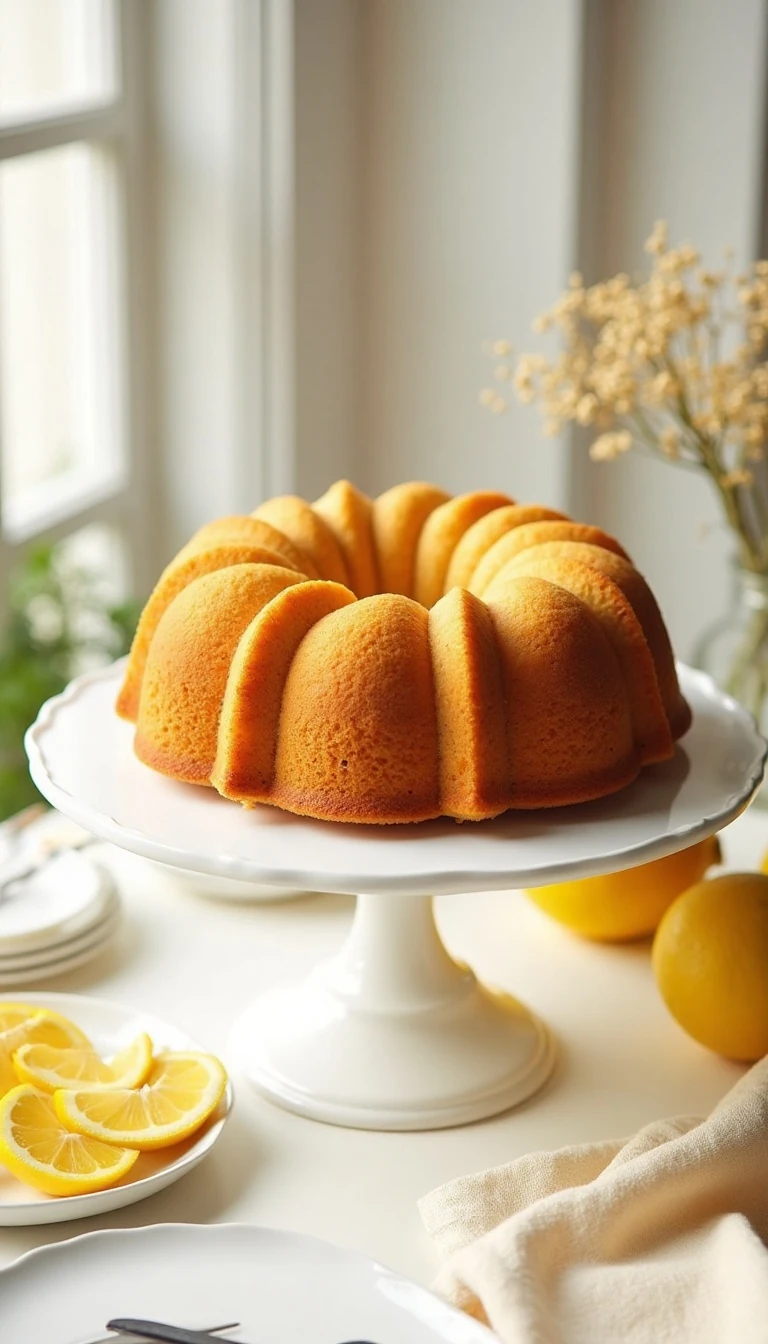
The Famous 1920 Ritz-Carlton Lemon Pound Cake
Ingredients
Method
- Heat the oven to 325°F (165°C). Thoroughly grease and flour a 10-inch tube or Bundt-style pan, taking care to coat the center tube and all ridges.
- Sift the all-purpose flour, baking powder, and salt together in a bowl. Set the dry mixture aside while you prepare the batter.
- Beat the softened butter and granulated sugar until very light and fluffy, about 5 minutes. Scrape the bowl occasionally so the mixture creams evenly.
- Add the eggs one at a time, beating well after each addition. Wait until each egg is incorporated before adding the next.
- Add the sifted flour mixture alternately with the milk, beginning and ending with the dry ingredients. Mix only until the batter is combined, since excessive mixing can make the cake dense or chewy.
- Fold in the finely grated zest of two lemons and the juice of one lemon. Use a spatula and gentle strokes to distribute the citrus evenly.
- Pour the batter into the prepared pan and smooth the top. Tap the pan lightly on the counter once or twice to settle the batter without knocking out all of the air created during creaming.
- Bake for approximately 1 hour 15 minutes to 1 hour 30 minutes. The cake is ready when a skewer inserted into the center comes out clean or with a few moist crumbs.
- Cool the cake in the pan for 15 to 20 minutes. Turn it out onto a wire rack and let it cool completely before slicing.
Notes
Final Thoughts
The Famous 1920 Ritz-Carlton Lemon Pound Cake earns its reputation through balanced, familiar ingredients and careful technique. Give the butter and sugar time to become fluffy, keep the batter from being overmixed, and prepare the tube pan thoroughly for a beautifully shaped cake.
After its long bake and brief rest in the pan, the result is a golden dessert with a tender crumb and fresh lemon flavor in every bite. Serve it plain for a timeless presentation, or add a light dusting of sugar and fresh berries when you want a more festive finish.
With approximately 12 to 16 servings, this is the kind of cake worth making when guests are coming or when you want leftovers that taste just as inviting the next day. It is classic baking at its most satisfying: straightforward, fragrant, and made for sharing.